Ever had your golf cart stall mid-round because of battery mismatch? You're not alone—many owners waste time and money on incompatible batteries.
This guide breaks down 6V battery compatibility for golf carts, explaining the basics, electrical setups, and how to verify fit. You'll learn why 6V batteries dominate, common configurations, and maintenance secrets for peak performance. No jargon overload—just clear analogies and steps.
Expect to grasp the concept in 10-15 minutes, gaining intermediate-level knowledge to confidently buy, install, or upgrade batteries. Perfect for DIY golf cart enthusiasts.
▸What You'll Need
- •Basic golf cart model info (make, year, voltage)
- •Multimeter (optional, for voltage checks)
- •Owner's manual or spec sheet
- •Prerequisite: Understanding of DC electricity basics
Estimated Time: 10-15 minutes
Difficulty: intermediate
▸Step-by-Step Instructions
Step 1: Grasp 6V Battery Fundamentals
6V batteries are deep-cycle lead-acid powerhouses designed for repeated discharge and recharge, unlike car starter batteries. Think of them as marathon runners: they deliver steady power over long periods for golf carts' motors and accessories.
Each provides 6 volts nominal voltage, with capacities like 200-225 amp-hours (Ah). Flooded, AGM (Absorbent Glass Mat), or gel types exist—flooded are cheapest but need watering; AGM are maintenance-free.
Why it matters: Compatibility starts here; mismatched voltage fries electronics.
💡 Tips:
- •Analogy: 6V is like AA batteries—small voltage, series them for higher power.
Step 2: Understand Golf Cart Voltage Systems
Most golf carts run 36V (6x6V batteries) or 48V (8x6V) systems. Fewer use 24V or 72V. Batteries connect in series (positive to negative) to add voltage while keeping Ah the same.
Example: 6 batteries in series = 36V total. Parallel adds Ah but keeps voltage (rare in carts). Check your cart's label or manual for required volts.
Expect: 80% of carts are 36V/48V with 6V batteries for balanced power and weight.
⚠️ Warnings:
- •Never mix series/parallel without recalculating—risks imbalance.
Step 3: Learn Why 6V Over 12V?
6V batteries offer better durability than six 12V (too heavy, shorter life). Analogy: Smaller cells reduce sulfation (crystal buildup), like dividing a big cake into smaller slices for even icing.
Pros: Longer life (500-1000 cycles), cheaper per volt, easier handling. Cons: More batteries to maintain.
Key fact: Club Car, EZ-GO, Yamaha favor 6V for reliability.
💡 Tips:
- •6V = optimal for lead-acid chemistry in low-speed EVs.
Step 4: Identify Compatibility Factors
Match group size (GC2 standard), terminal type (posts vs studs), dimensions (10.25"L x 7.125"W x 11"H typical), CCA (cold cranking amps, irrelevant here), and reserve capacity.
Also: New vs replacement—match flooded with flooded to avoid imbalance. Voltage must sum correctly.
Why crucial: Wrong fit causes poor range, overheating, or fires.
Step 5: Check Your Cart's Specs
Locate battery compartment label or consult manual. Note make/model/year. Search '[model] battery specs' online.
Use multimeter: Fully charged pack reads 36V (6V each) or 48V. Test individual batteries (6.2-6.4V healthy).
Pro move: OEM sites like ClubCar.com list exact part numbers.
💡 Tips:
- •Apps like Golf Cart Battery Finder simplify this.
⚠️ Warnings:
- •Dead batteries read low—charge first.
Step 6: Verify Series Configuration
Count tray slots: 6=36V, 8=48V. Ensure even spacing for cables. Test continuity across pack.
Upgrade tip: Convert 36V to 48V with controller swap +2 batteries (check motor compatibility).
**Expect smooth power if matched.
Step 7: Test and Install Properly
Buy matched sets. Install: Disconnect old, clean tray, place new (positive first), connect series cables tightly.
Charge fully before use. Monitor voltage drop under load.
Result: 20-30 mile range restored.
💡 Tips:
- •Torque terminals to 8-10 ft-lbs.
▸Pro Tips
- •Buy batteries from same batch for even wear.
- •Water flooded types monthly with distilled water.
- •Use a hydrometer to check specific gravity (1.265 fully charged).
- •Store at 77°F for max life; avoid freezing.
- •Upgrade to Trojan SCS AGM for zero maintenance.
- •Balance charge: Equalize monthly at 15V per 6V battery.
- •Cable upgrade (4-6 gauge) reduces voltage drop.
▸Common Mistakes to Avoid
- •Mixing battery types/ages—causes weak links, pack failure. Solution: Replace all at once.
- •Ignoring terminal type—loose connections spark/arcing. Match posts/studs.
- •Over-discharging below 50%—kills batteries fast. Use voltmeter.
- •Wrong voltage pack—burns controller. Double-check count.
- •Skipping tray cleaning—corrosion spreads.
▸Troubleshooting
Problem: Cart won't start, lights dim
Solution: Check series connections; test each battery >6V. Recharge or replace low ones.
Problem: Short range (under 15 miles)
Solution: Imbalance—equalize charge. Verify Ah match.
Problem: Batteries overheating
Solution: Loose cables or sulfation. Tighten; desulfate with charger pulse.
Problem: No charge accepted
Solution: Sulfated—use desulfator or replace. Seek pro if under warranty.
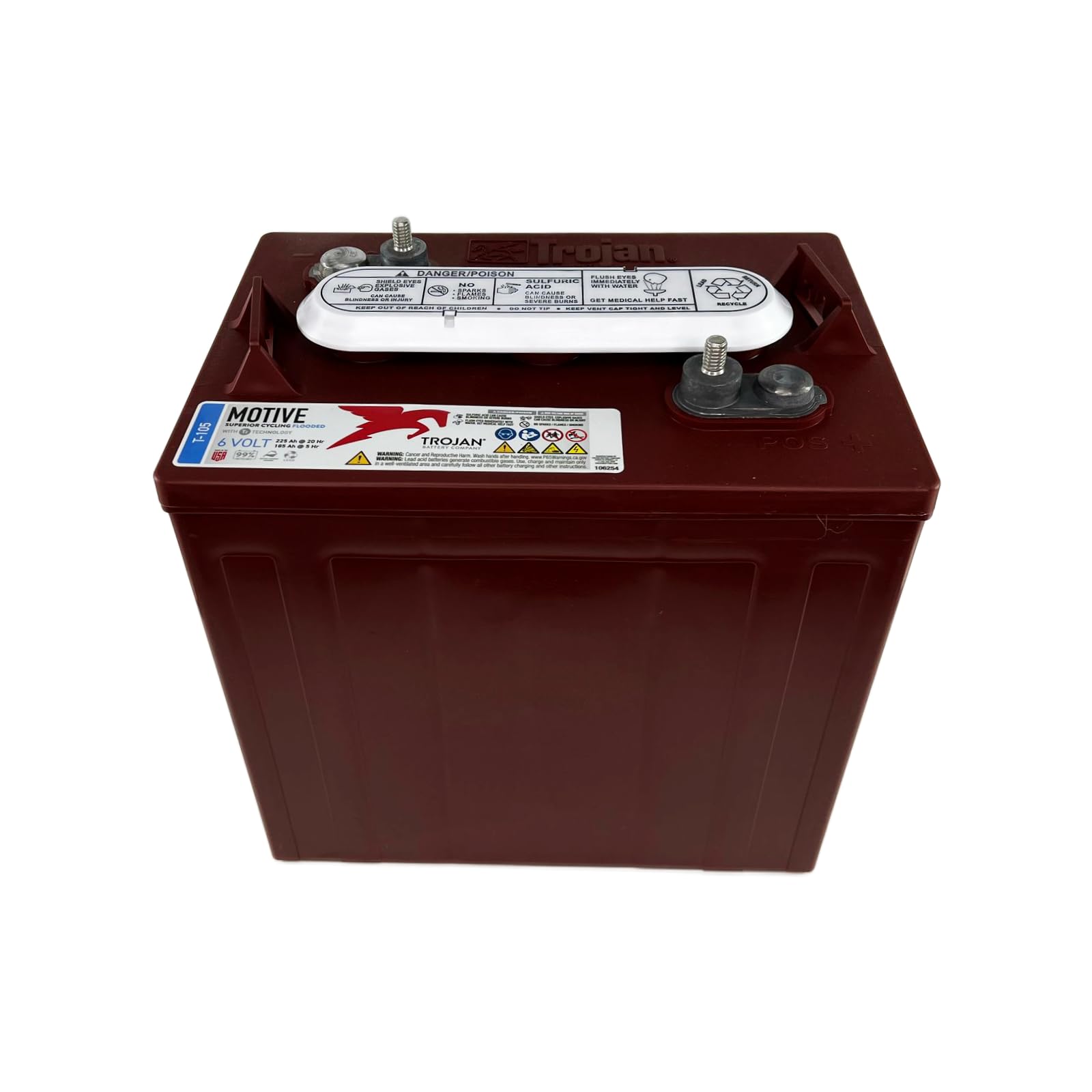
Trojan T-105 6V Deep Cycle Battery (ASIN: B00J2J5O5A)
Industry gold standard with 11-year warranty, proven in 36V/48V carts for deep discharges.
Best for: Full replacements for Club Car/EZ-GO; flooded type needs watering but excels in durability.
Price Range: $180-$220
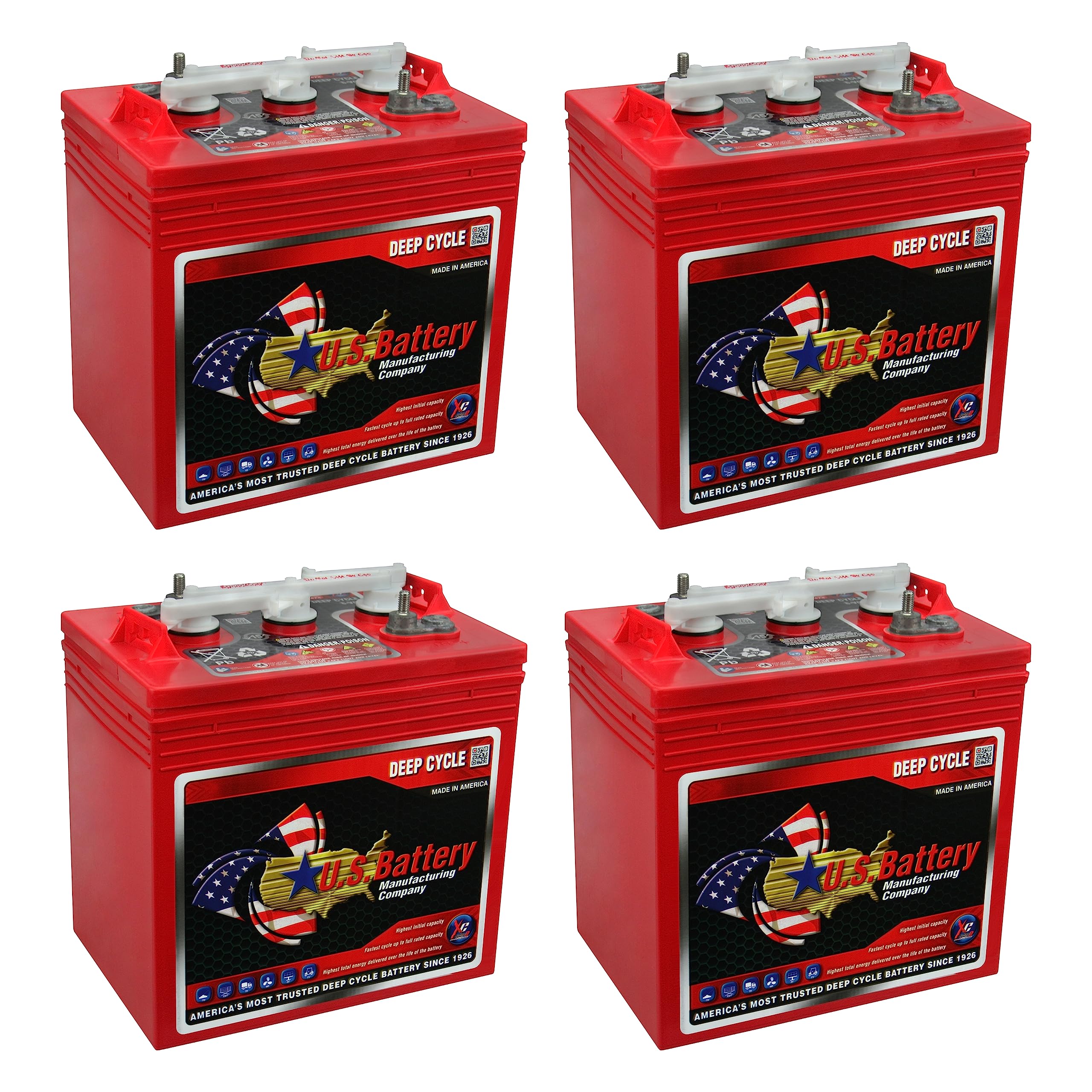
US Battery US-2200 6V GC2 (ASIN: B07Z5N5K5L)
High-capacity (232Ah) at budget price, Peukert-efficient for hilly courses.
Best for: Cost-effective upgrades for high-use carts.
Price Range: $150-$180
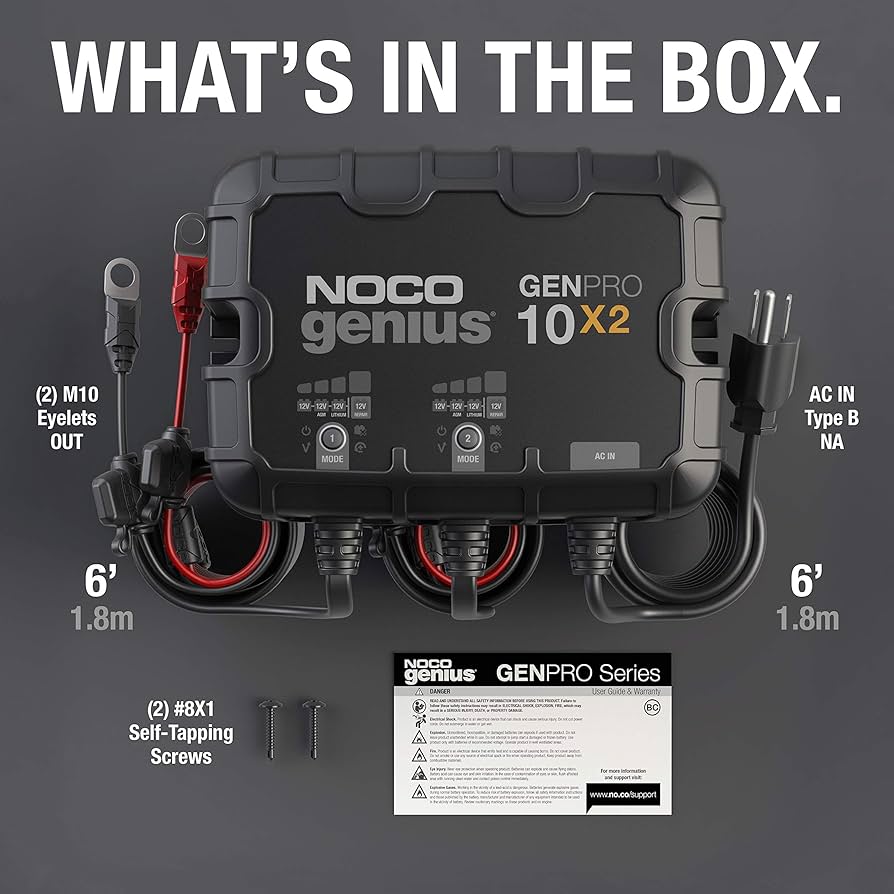
NOCO GENIUS GENPRO10X2 Battery Charger (ASIN: B0B5J5ZJ5Z)
Dual-bank smart charger for 6V packs; desulfates and equalizes automatically.
Best for: Maintenance charging 36V/48V systems without overcharge risk.
Price Range: $200-$250
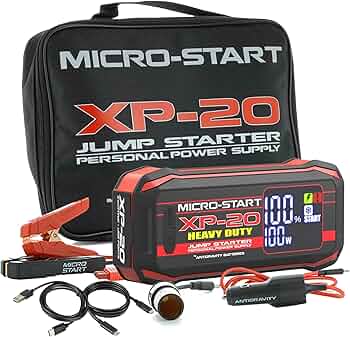
Antigravity Micro-Start XP-20 Jump Starter (ASIN: B07H5N5Q5R)
Compact tester/power source to diagnose dead packs on-course.
Best for: Quick voltage checks or emergency starts.
Price Range: $200
EverStart Maxx Hydrometer (ASIN: B08L3Z5Q5S)
Accurate electrolyte tester for flooded 6V batteries.
Best for: Weekly health checks to prevent failures.
Price Range: $15-$25