
Instant Ocean Hydrometer
Daily salinity checks in small to medium saltwater tanks.
$7.99
Instant Ocean Hydrometer Affordable, reliable swing-arm design easy for beginners to read accurately.
Get the App
Better experience on mobile
Master hydrometer readings to maintain perfect salinity in your saltwater aquarium for thriving fish and corals in minutes.
Maintaining the right salinity in your saltwater aquarium is crucial—too high or low, and your fish, corals, or inverts could suffer stress, disease, or death. Many beginners misread hydrometers, leading to unstable tanks. This guide demystifies hydrometer readings so you can spot ideal salinity effortlessly.
You'll learn what salinity means, how to read your hydrometer accurately, ideal ranges for different setups, and quick fixes if readings are off. No prior experience needed; it's all beginner-friendly with simple analogies and visuals.
Expect to grasp the concept in 10-15 minutes, then apply it during your next water test. Perfect for new reef or fish-only tank owners.
Estimated Time: 10-15 minutes Difficulty: beginner
Salinity measures dissolved salts in your aquarium water, vital for saltwater tanks mimicking ocean conditions. Hydrometers measure Specific Gravity (SG), a ratio comparing water density to pure freshwater (1.000 SG). Think of it like a scale: higher SG means saltier water.
Ocean salinity is about 35 parts per thousand (ppt), equating to 1.025-1.026 SG at 77°F (25°C). Freshwater tanks need near 1.000 SG—hydrometers confirm no salt buildup.
💡 Tips:
Two main types: swing-arm (needle points to SG when floated) and floating (submerges to a line matching SG). Swing-arms are beginner-friendly and cheap; floaters are traditional but trickier to read.
Why it matters: Accurate tools prevent errors. Always rinse before use to avoid contamination.
⚠️ Warnings:
Scoop water from mid-tank (not surface or bottom) into a clean, tall glass. Let debris settle 1-2 minutes. Why mid-level? It represents average conditions, avoiding evaporation effects on top or substrate salt traps below.
Expect clear water; cloudy samples skew readings.
💡 Tips:
Gently place hydrometer in the sample. Tap lightly to release bubbles, wait 30 seconds for stabilization. Read where the water line meets the scale (swing-arm: needle position).
Analogy: Like checking a car's fuel gauge—steady and eye-level for accuracy. Note temperature too, as it affects density.
Reef tanks: 1.024-1.026 SG (stable corals thrive here). Fish-only: 1.020-1.025 SG (slightly lower for hardy species). Brackish: 1.005-1.015 SG.
Aim for consistency within 0.002 SG daily. If reading 1.023-1.026 at 75-80°F, you're golden—no adjustments needed.
💡 Tips:
Hydrometers calibrate to 77°F. Warmer water = higher reading (e.g., 1.027 at 82°F might be true 1.025). Use charts or apps for correction.
Why critical: 5°F off can mislead by 0.001 SG, stressing livestock.
⚠️ Warnings:
Too high (>1.027): Add RO/DI water slowly. Too low (<1.022): Add salt mix gradually over hours. Retest after 30 mins.
Goal: Change no more than 0.002 SG daily to avoid shocking fish.
💡 Tips:
Problem: Inconsistent readings between tests
Solution: Clean hydrometer thoroughly; check for cracks. Test same sample twice.
Problem: Always reads too high/low
Solution: Calibrate with distilled water (should read 1.000). Replace if faulty.
Problem: Bubbles won't release
Solution: Add a drop of soap or swirl gently. Avoid shaking violently.
Problem: Readings fluctuate wildly
Solution: Stabilize temp to 77°F before testing. Seek pro if evaporation issues persist.
Affordable, reliable swing-arm design easy for beginners to read accurately.
Best for: Daily salinity checks in small to medium saltwater tanks.
Price Range: $7.99
Precise needle indicator with clear scale; includes calibration instructions.
Best for: Reef tanks needing stable 1.025 SG monitoring.
Price Range: $14.99
Upgrade from hydrometers—digital accuracy eliminates reading errors (though technically a refractometer).
Best for: Precise ppt/SG for serious hobbyists verifying hydrometer.
Price Range: $49.99-$59.99
Portable digital tester for spot-checks; more precise than glass hydrometers.
Best for: Quick fieldwork or multiple tank testing.
Price Range: $45.00
Daily salinity checks in small to medium saltwater tanks.
Instant Ocean Hydrometer Affordable, reliable swing-arm design easy for beginners to read accurately.
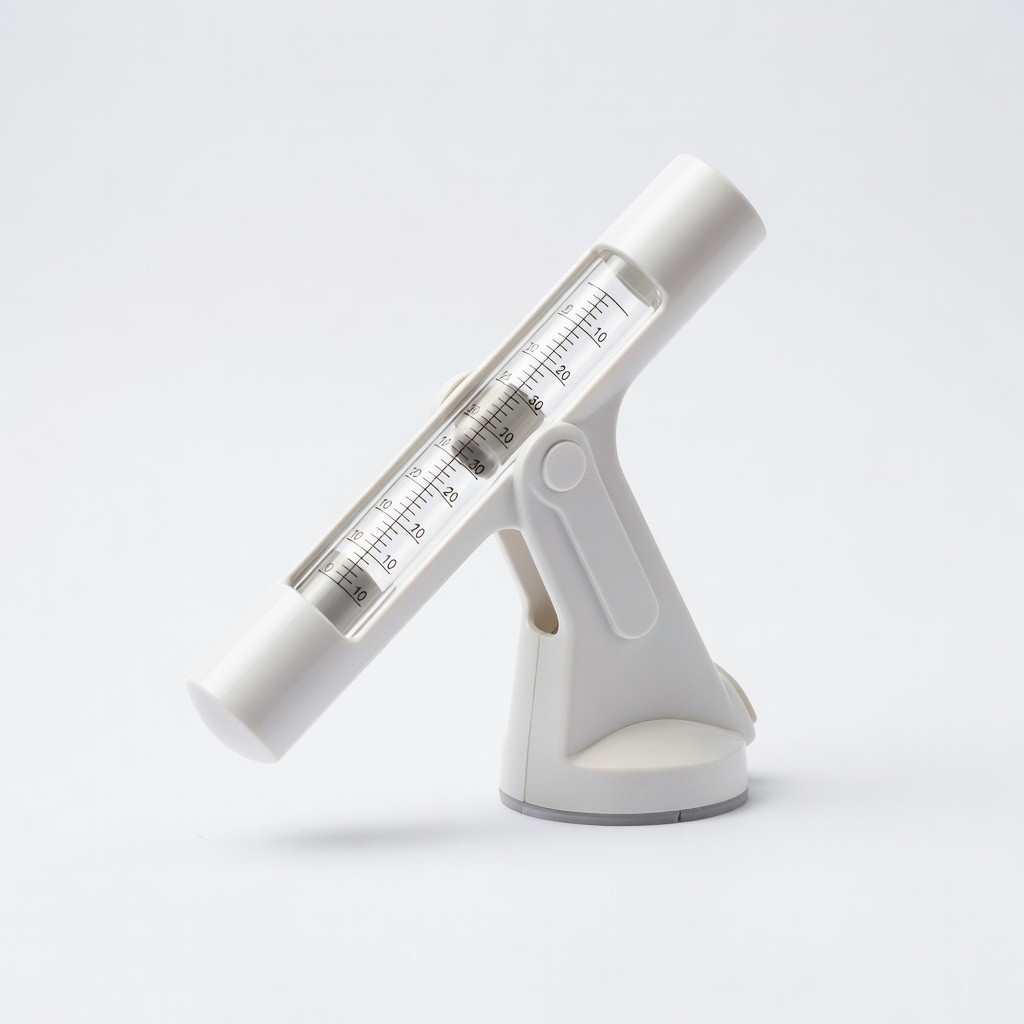
Reef tanks needing stable 1.025 SG monitoring.
Aquatic Life Swing Arm Hydrometer Precise needle indicator with clear scale; includes calibration instructions.
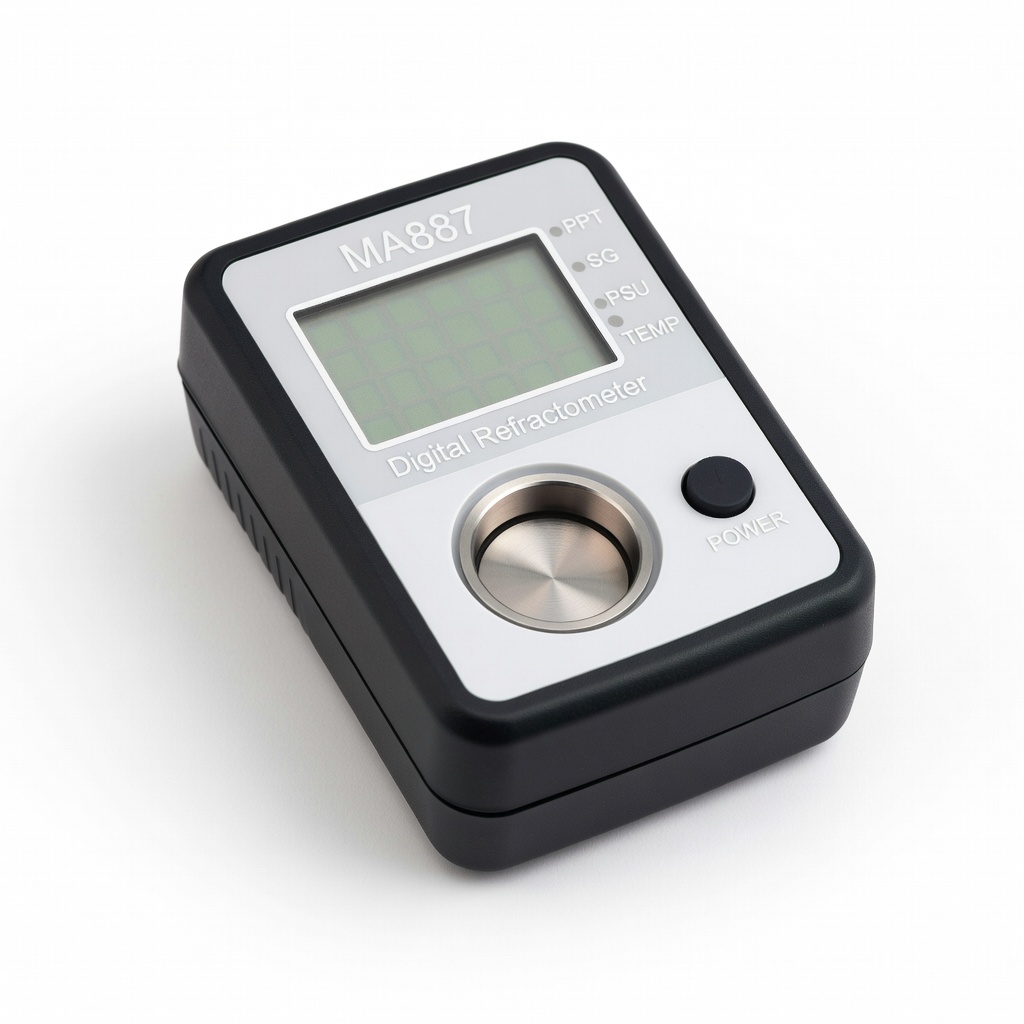
Precise ppt/SG for serious hobbyists verifying hydrometer.
Milwaukee MA887 Digital Refractometer Upgrade from hydrometers—digital accuracy eliminates reading errors (though technically a refractometer).
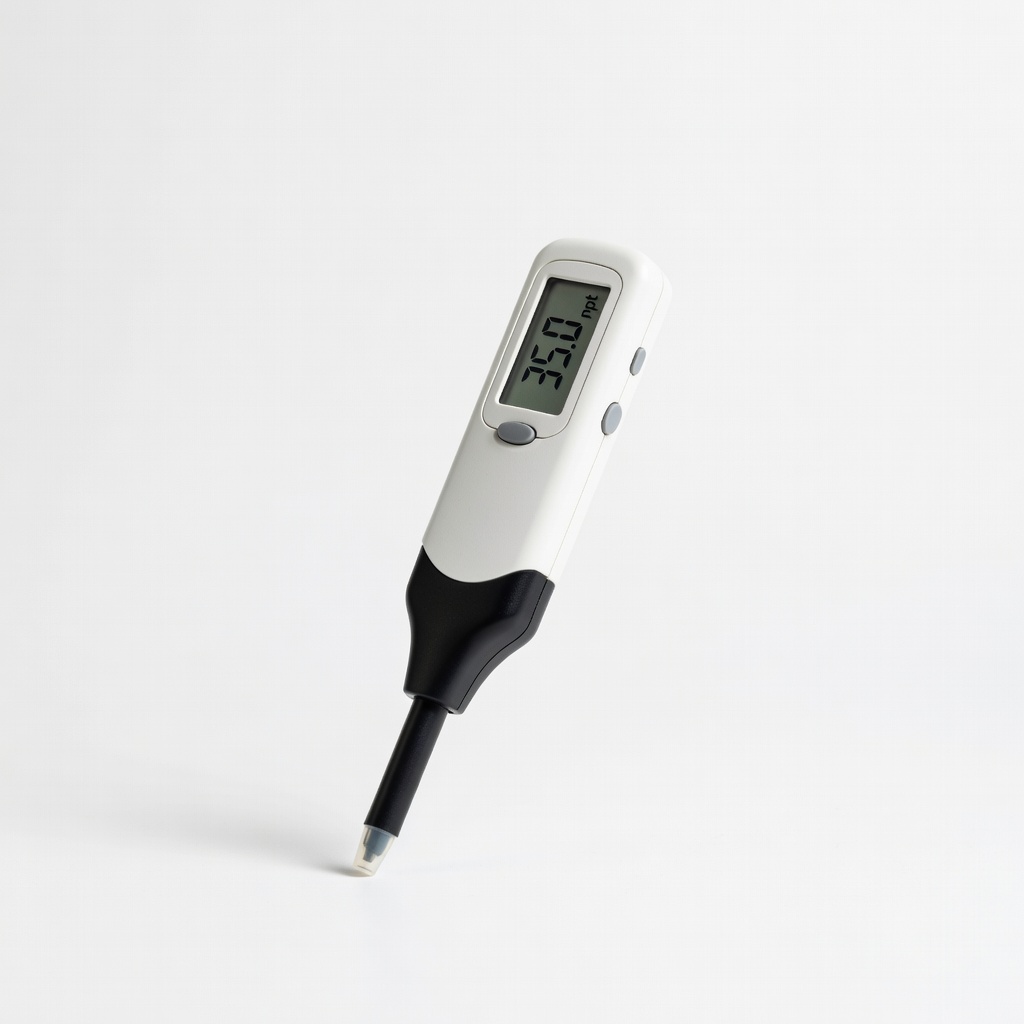
Quick fieldwork or multiple tank testing.
Hanna Instruments HI98319 Salinity Checker Portable digital tester for spot-checks; more precise than glass hydrometers.