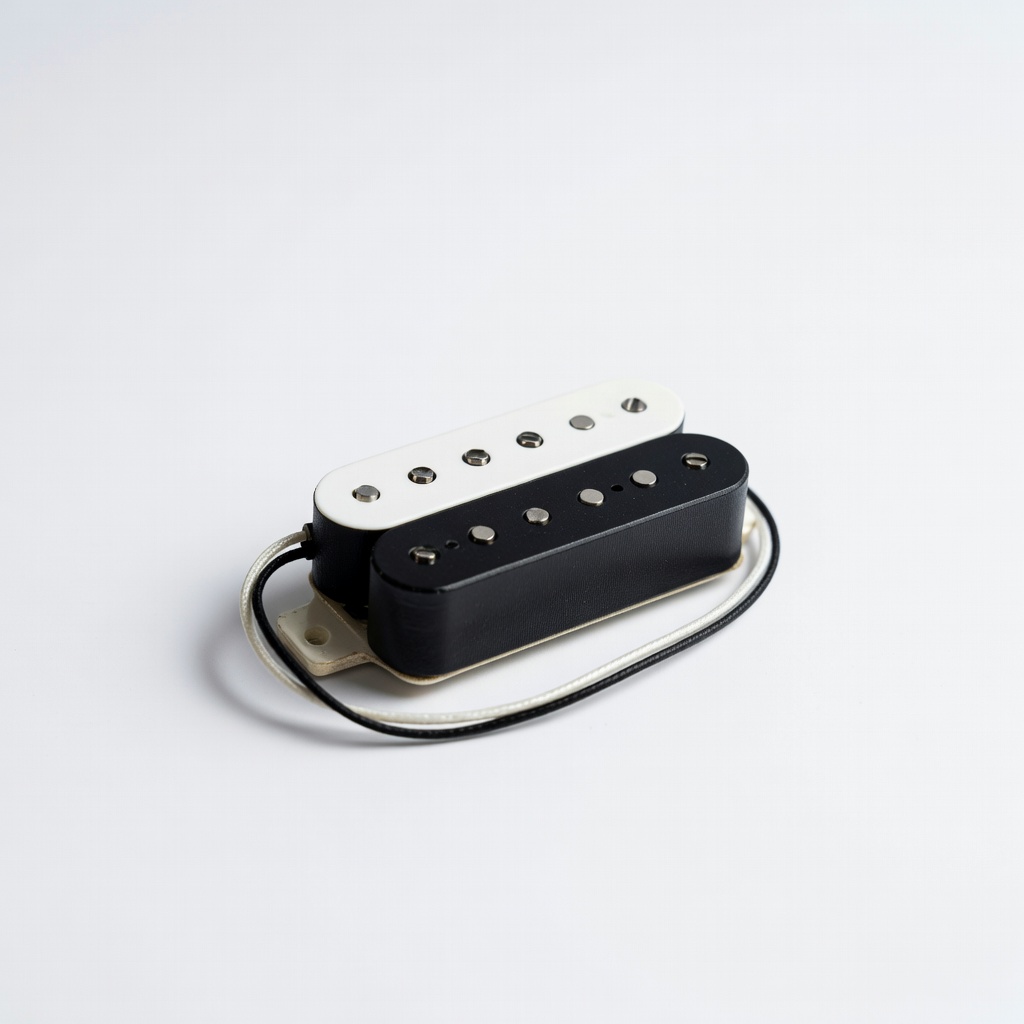
Humbucker pickups are prized for their warm, powerful sound and noise rejection, but fitting them into acoustic-electric guitars poses unique challenges like feedback, tonal balance, and installation fit. Guitarists upgrading from single-coils often struggle to find options that preserve the guitar's organic voice while adding electric versatility.
In this guide, you'll learn the key criteria for selecting humbuckers suited to acoustic-electrics, from magnetic soundhole designs to hybrid systems. We'll break down compatibility, sound profiles, and pro tips for advanced players. Expect to gain the knowledge to choose, install, and optimize pickups confidently—no more guesswork or mismatched gear.
This explainer is geared toward advanced users familiar with guitar electronics; you'll spend 15-20 minutes reading but save hours of trial-and-error.
▸What You'll Need
- •Basic knowledge of guitar pickups (single-coil vs. humbucker differences)
- •Understanding of acoustic-electric systems (piezo, magnetic, blends)
- •Access to a multimeter for testing impedance/output (optional but recommended)
- •Guitar schematic or wiring diagram for your model (required for installation planning)
Estimated Time: 15-20 minutes
Difficulty: advanced
▸Step-by-Step Instructions
Step 1: Grasp Humbucker Fundamentals
Humbuckers use two coils wired out-of-phase to cancel hum (60Hz noise), delivering thicker tone than single-coils. In acoustics, they capture string vibration magnetically, unlike piezos which sense saddle pressure.
Why it matters: Acoustics have larger bodies prone to feedback; humbuckers' higher output helps cut through but risks muddiness if not acoustic-voiced. Expect warmer mids, reduced highs compared to bright single-coils.
Image description: Diagram showing humbucker coil structure vs. single-coil, with hum cancellation waves.
💡 Tips:
- •Test with a signal generator to hear hum rejection in real-time.
⚠️ Warnings:
- •Avoid high-output humbuckers (>10k ohms) as they amplify feedback.
Step 2: Understand Acoustic-Electric Pickup Systems
Acoustic-electrics blend natural resonance with amplification via piezos (under saddle), magnetics (soundhole/bridge), or undersaddles. Humbuckers fit as magnetic soundhole or bridge-mounted options.
Key challenge: Preserve airiness—humbuckers add sustain but can 'electrify' the tone too much. Blends (humbucker + piezo) via preamps like Fishman Aura maintain balance.
Expect hybrid systems for pro results.
💡 Tips:
- •Study your guitar's existing preamp (e.g., Fishman, LR Baggs) for blend compatibility.
Step 3: Evaluate Compatibility Factors
Check soundhole diameter (3.5-4 inches for most), body depth, and bracing clearance. Impedance (5-8k ohms ideal for acoustics) affects volume without EQ overload.
Why critical: Mismatched pickups cause weak output or rattles. Measure your guitar first—advanced players use calipers for precision.
Image description: Cross-section of acoustic body with soundhole pickup installed, highlighting clearance zones.
⚠️ Warnings:
- •Steel-string guitars only; nylons need specialized low-output versions.
Step 4: Explore Suitable Humbucker Types
Soundhole humbuckers (e.g., Fishman Rare Earth) clip in easily; bridge humbuckers require routing. Ceramic magnets for punch, Alnico for vintage warmth.
Acoustic-suited: Low-profile, active EQ options reduce feedback. Passive vs. active: Active needs battery but offers cleaner signal.
💡 Tips:
- •Prioritize neodymium for tight lows in fingerstyle.
Step 5: Assess Sound Profiles and Genres
Humbuckers suit blues, rock, jazz on acoustics—think warm leads without ice-pick highs. Compare: Rare Earth for balanced flat response; Schatten for vintage PAF vibe.
Test via demos: Expect 20-30% more midrange push, ideal for stage volume.
💡 Tips:
- •A/B test with piezo blend for hybrid tones.
Step 6: Review Installation Essentials
Non-invasive: Soundhole clips (5-min swap). Invasive: Route bridge cavity (pro luthier recommended). Wire to existing endpin jack or add preamp.
Advanced wiring: Series/parallel switches for versatility. Shield cavity to cut noise.
⚠️ Warnings:
- •DIY routing risks warranty void—use templates.
Step 7: Optimize for Performance
EQ post-install: Cut 200-400Hz for clarity, boost 2-5kHz for sparkle. Pair with impedance-matching DI boxes.
Pro result: Feedback-free at 100dB+ volumes.
💡 Tips:
- •Use foam dampers for vibration control.
▸Pro Tips
- •Measure twice: Use digital calipers for exact soundhole fit to avoid returns.
- •Blend wisely: Combine with piezo via ABY box for ultimate tonal control.
- •Active upgrade: Add onboard preamp for EQ sculpting during gigs.
- •Test outdoors: Acoustics feedback differently in reverberant rooms.
- •Magnet choice: Alnico II for sweet overdrive, ceramic for clean headroom.
- •Cable matters: Low-capacitance instrument cables preserve highs.
- •Firmware check: For active pickups, update via manufacturer app.
▸Common Mistakes to Avoid
- •Ignoring body size: Oversized pickups buzz on thin-bodied guitars—measure first.
- •High-output overload: >12k humbuckers distort preamps—stick to 7-9k ohms.
- •Skipping shielding: Leads to ground hum despite humbucker design—foil cavities.
- •No blend setup: Humbucker alone kills acoustic sparkle—always hybridize.
- •Wrong magnet: Neodymium too bright for dreadnoughts—opt for Alnico.
▸Troubleshooting
Problem: Excessive feedback at high volumes
Solution: Lower gain, add notch filter at feedback freq (use spectrum analyzer app), reposition pickup away from soundhole edge.
Problem: Weak output or muffled tone
Solution: Check impedance match (use multimeter), clean pole pieces, verify battery voltage if active.
Problem: Rattles or microphonics
Solution: Tighten mounting screws, add damping foam, ensure no contact with braces.
Problem: Phase issues in blends
Solution: Reverse humbucker leads or use phase switch on preamp.
Fishman Rare Earth Humbucking Soundhole Pickup
Proven hum rejection with balanced acoustic response, easy clip-in design for dreadnoughts and OOO bodies.
Best for: Gigging singer-songwriters needing quick swap and natural tone.
Price Range: $140-$160
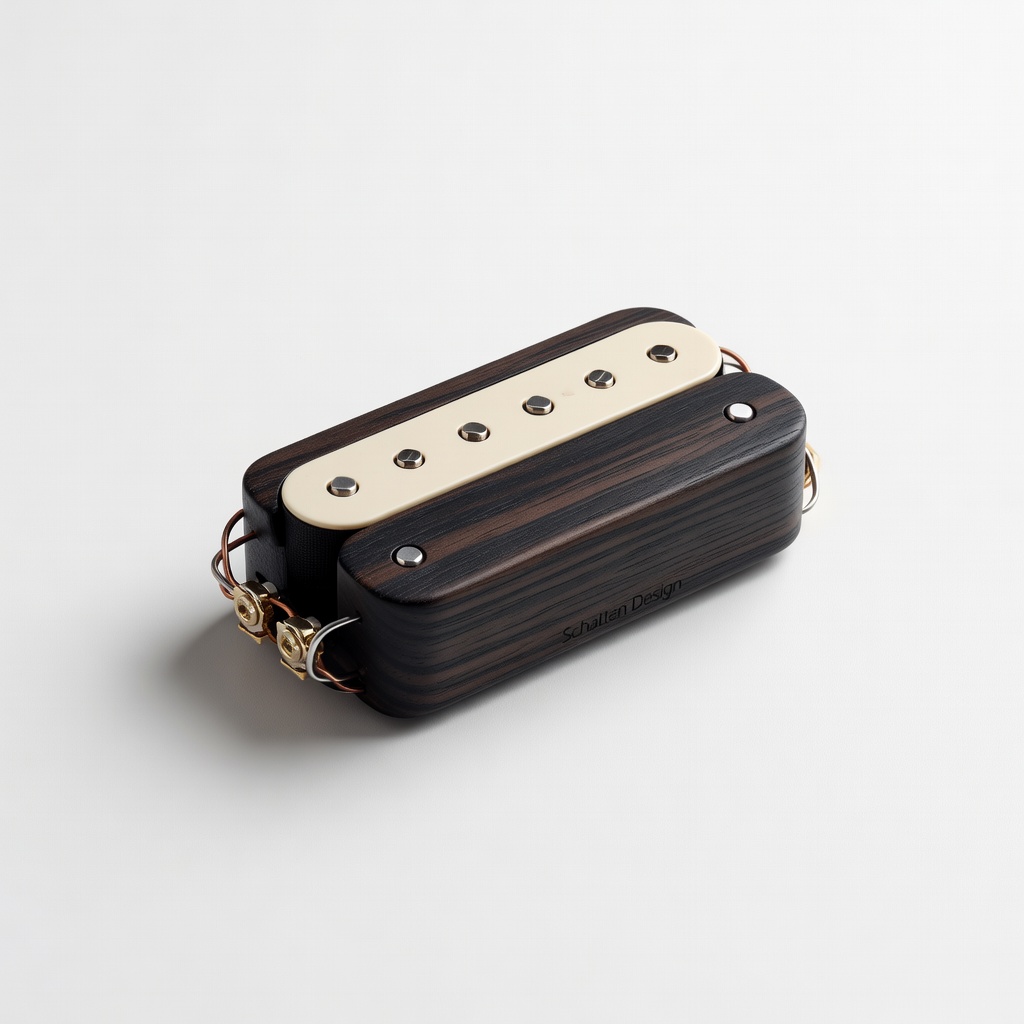
Schatten Design SM93H Acoustic Humbucker Pickup
Vintage PAF-style warmth with low feedback, fits most soundholes without mods.
Best for: Studio recording or fingerstyle players seeking organic electric tones.
Price Range: $80-$100
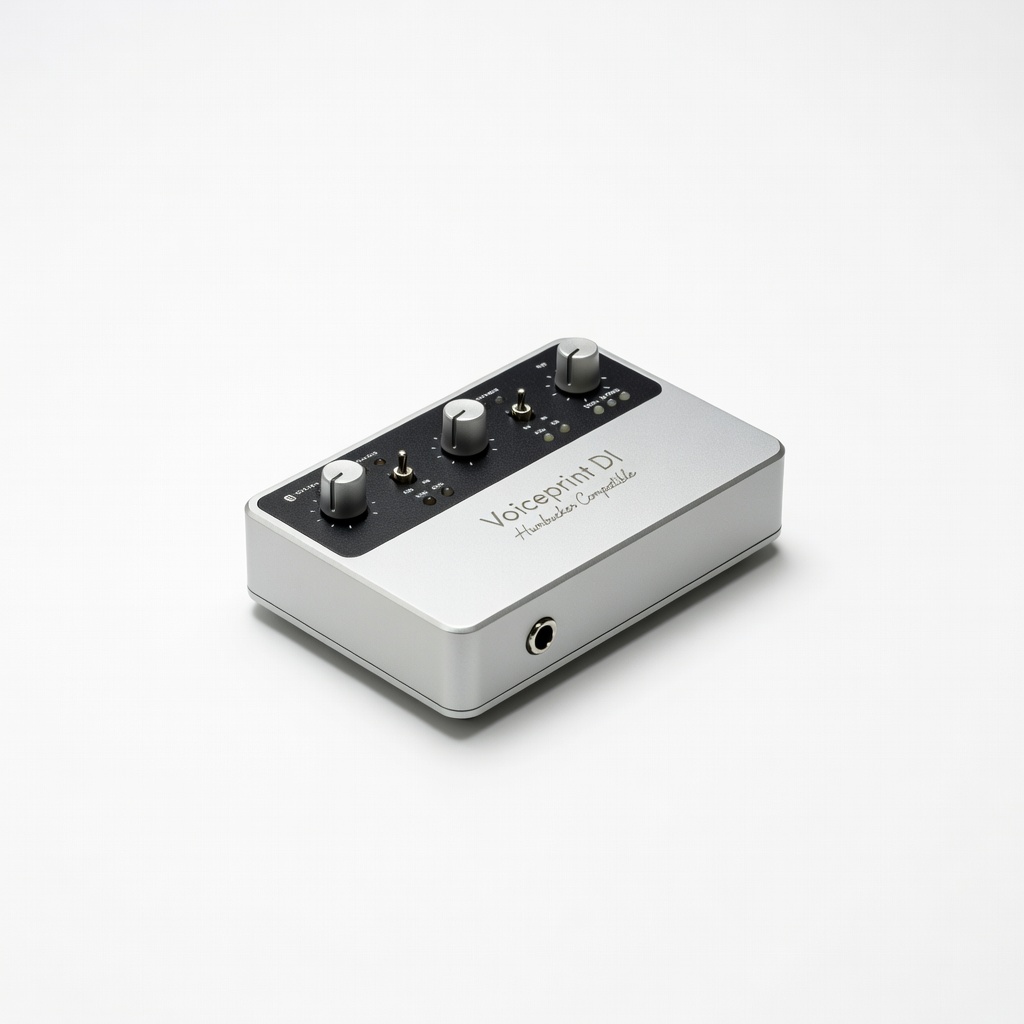
LR Baggs Voiceprint DI (Humbucker Compatible)
Hybrid system pairs humbuckers with modeling for authentic acoustic emulation.
Best for: Advanced setups blending multiple pickups for live perfection.
Price Range: $250-$300
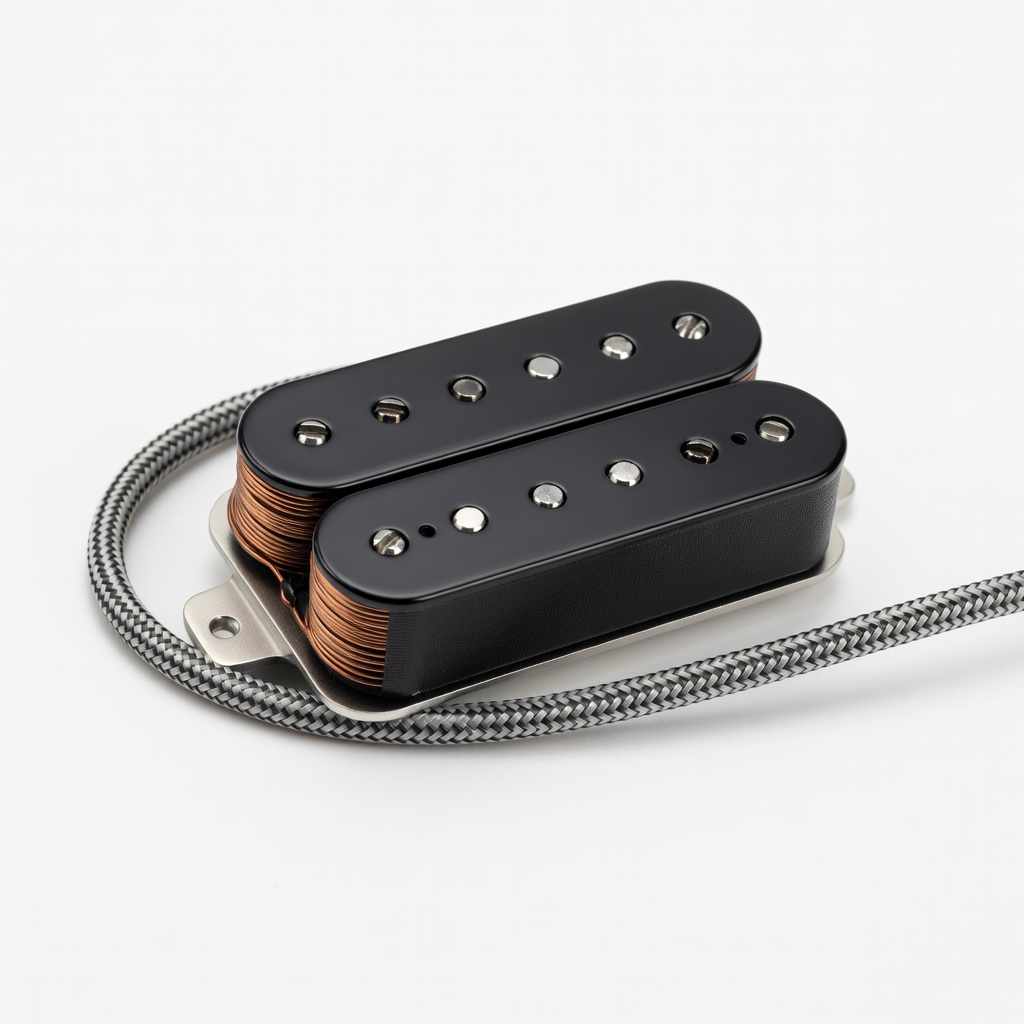
Shadow SH690 Premium Humbucker Pickup
Active electronics with EQ, rugged for stage abuse, tight lows.
Best for: High-volume rock-acoustic performances.
Price Range: $100-$130
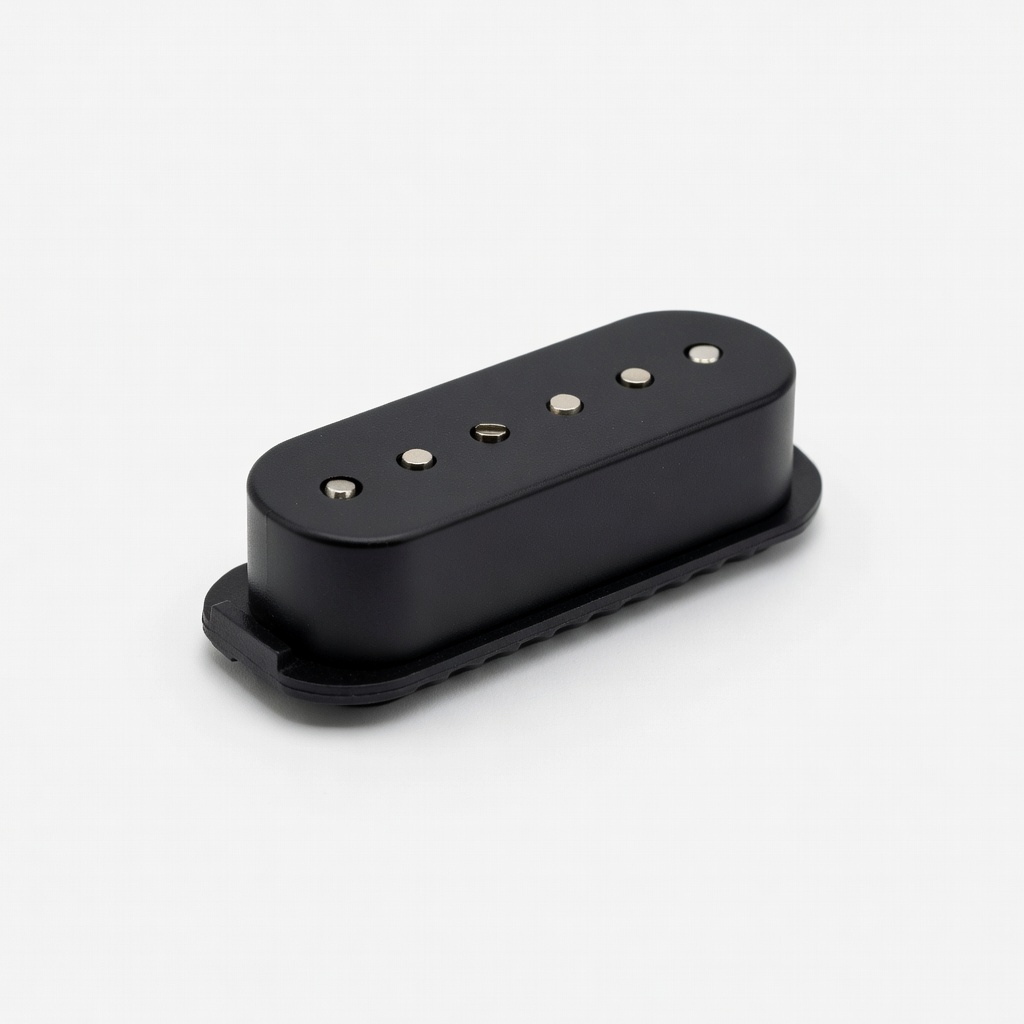
Highlander HS-3 Magnetic Humbucker
Budget-friendly passive option with solid hum cancellation.
Best for: Entry-advanced upgrades on a dime.
Price Range: $40-$60