
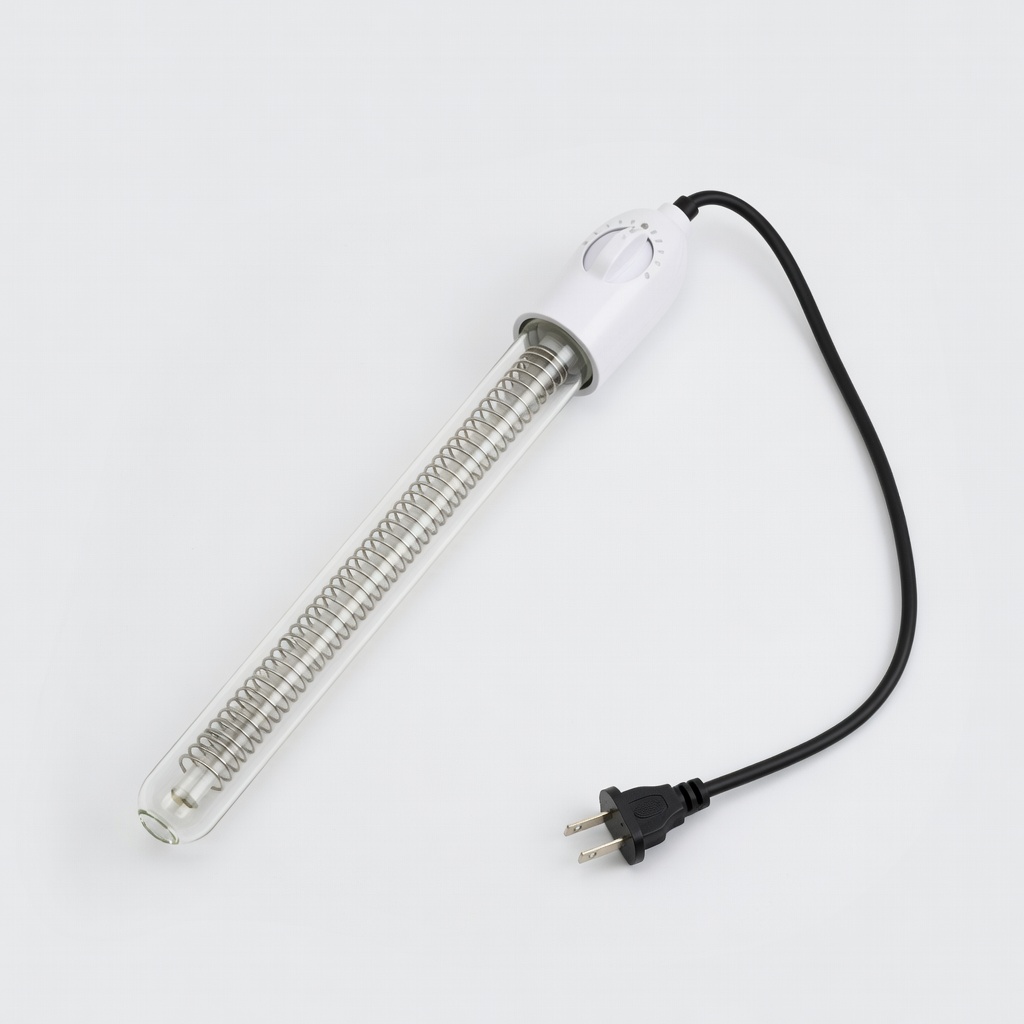
Aqueon Submersible Aquarium Heater 100W
Standard tropical setups in average rooms.
$19.99
Aqueon Submersible Aquarium Heater 100W Reliable thermostat, accurate to ±2°F, shatter-resistant glass—perfect for beginners with 20-30 gal tanks.
Get the App
Better experience on mobile
Learn the exact wattage needed for your tank size to maintain stable temperatures and keep fish healthy effortlessly.
Imagine coming home to find your tropical fish gasping at the surface because your aquarium water is too cold. This common nightmare for beginners happens when the heater wattage doesn't match the tank size, leading to stress, illness, or worse. Stable water temperature is crucial for fish health, as most species thrive between 75-82°F (24-28°C).
In this guide, you'll learn how to choose the right heater wattage based on your aquarium size, room temperature, and other factors. We'll break it down with simple calculations, charts, and examples—no math degree required. By the end, you'll confidently select and install a heater in under 30 minutes.
Expect straightforward steps, real-world tips, and product picks to get it right the first time.
Estimated Time: 10-15 minutes to read and calculate Difficulty: beginner
Heater wattage determines how much power the device uses to generate heat. Too low, and it can't raise or maintain temperature in a large tank; too high, and it risks overheating smaller ones.
Think of it like a car's engine: a small engine won't haul a big load uphill, just as a 25W heater struggles in a 55-gallon tank. The goal is steady heat output matching your tank's volume and heat loss.
Most heaters are submersible and fully adjustable with a thermostat.
💡 Tips:
Calculate gallons accurately: Volume (gallons) = Length x Width x Height (inches) ÷ 231.
For example, a standard 20-gallon tank is about 24x12x16 inches (20 gal). Ignore substrate displacement—subtract 10-20% if heavily planted.
Why? Wattage is rated per gallon. Precise size prevents under/over-heating.
💡 Tips:
⚠️ Warnings:
Use 5 watts per gallon as a starting point for rooms 5-10°F cooler than desired temp (e.g., 68°F room for 78°F water).
Examples:
This accounts for typical glass tanks with lids.
Measure ambient room temp. If within 5°F of target water temp, reduce wattage by 20-25% (e.g., 75W for 10 gal).
Cold rooms (<65°F) need full 5W/gal or more; warm rooms (>75°F) need less. Basements? Add 1-2W/gal extra.
Analogy: Like dressing for weather—colder outside means more layers (wattage).
💡 Tips:
Breeding tanks or high-bio-load (many fish) need 7-10W/gal. Open-top tanks lose heat faster—add 20%. Insulated sumps? Reduce by 10%.
For tanks >100 gal, use multiple heaters (one per 50-75 gal) for redundancy.
Test after setup: Aim for <2°F fluctuation over 24 hours.
⚠️ Warnings:
Tank Size | Recommended Wattage
Scale linearly for odd sizes. Always err high for safety.
Submerge fully (avoid air exposure), plug in, set to 1°F above target, wait 24 hours, then adjust.
Use a separate aquarium thermometer—not tank stickers.
Why test? Ensures even heating—no hot/cold spots.
💡 Tips:
Problem: Temperature fluctuates wildly
Solution: Check placement (near flow), clean heater, add controller. If persists, upsize wattage.
Problem: Water too hot/cold constantly
Solution: Recalibrate thermostat. Use external thermometer. Replace if faulty.
Problem: Heater won't heat
Solution: Verify full submersion, power outlet, GFCI not tripped. Test in hot water bucket.
Problem: Rapid temp drop at night
Solution: Add insulation (background), lid, or extra wattage. Check room temp.
Reliable thermostat, accurate to ±2°F, shatter-resistant glass—perfect for beginners with 20-30 gal tanks.
Best for: Standard tropical setups in average rooms.
Price Range: $19.99
German precision engineering, ±1°F accuracy, fully submersible with thermal shutoff—durable for long-term use.
Best for: 20-40 gal tanks needing exact control.
Price Range: $49.99
Budget-friendly, explosion-proof, auto shutoff—great starter for small tanks with reliable performance.
Best for: 10-20 gal beginner nano or betta tanks.
Price Range: $14.99
Pairs with any heater for precise temp control (±0.1°F), alarms, and dual outlets—essential for stability.
Best for: Any size tank, especially >55 gal or sensitive species.
Price Range: $34.99
Digital display, app integration, three-year warranty—advanced for larger tanks with monitoring.
Best for: 55+ gal setups wanting smart features.
Price Range: $79.99
Standard tropical setups in average rooms.
Aqueon Submersible Aquarium Heater 100W Reliable thermostat, accurate to ±2°F, shatter-resistant glass—perfect for beginners with 20-30 gal tanks.
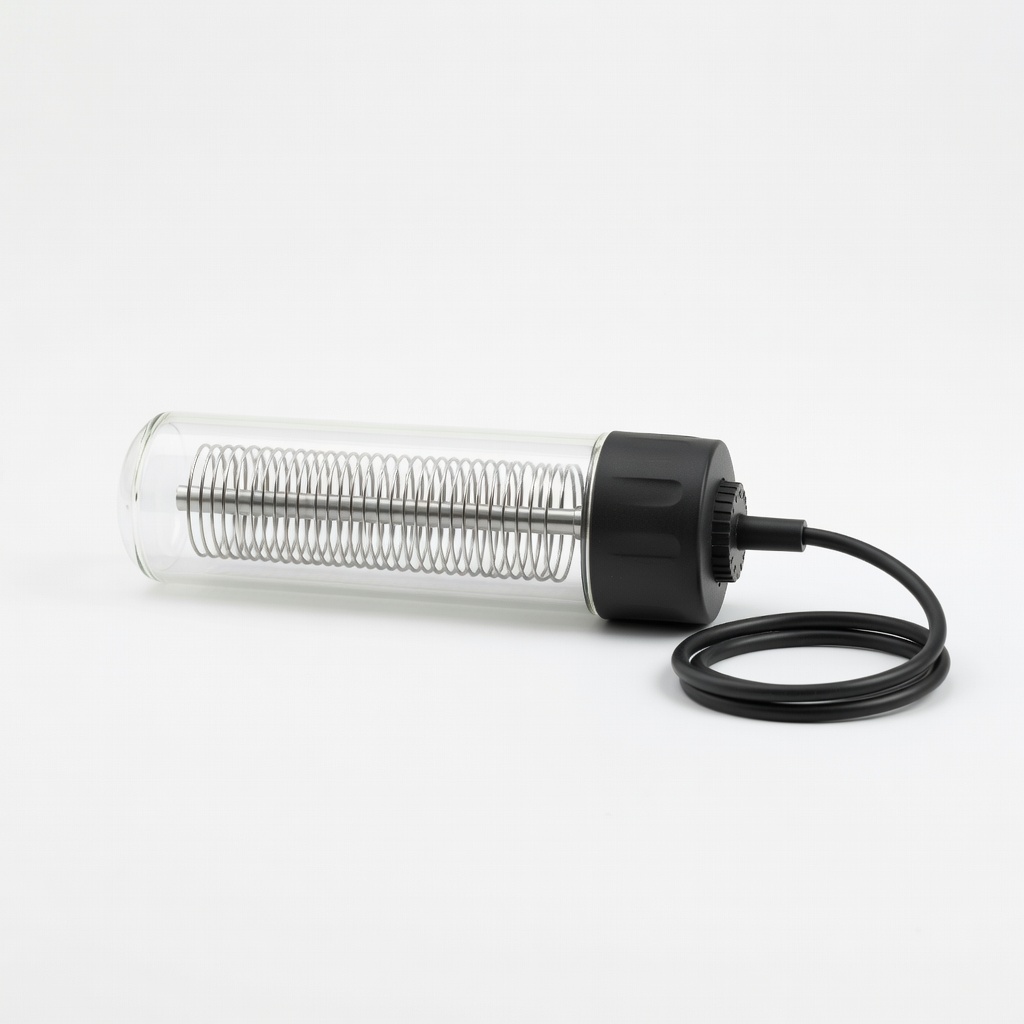
20-40 gal tanks needing exact control.
Eheim Jager 100W Heater German precision engineering, ±1°F accuracy, fully submersible with thermal shutoff—durable for long-term use.
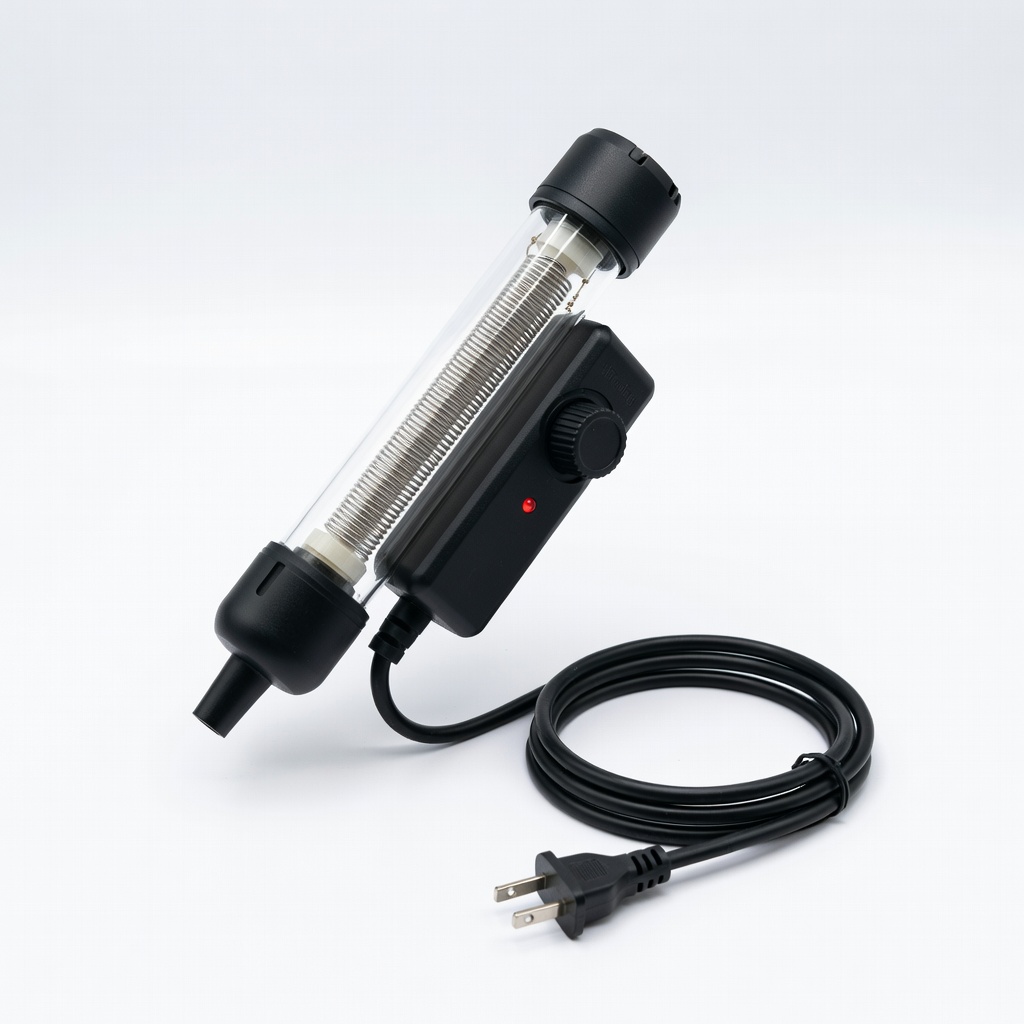
10-20 gal beginner nano or betta tanks.
HiTauing 50W Submersible Heater Budget-friendly, explosion-proof, auto shutoff—great starter for small tanks with reliable performance.
Any size tank, especially >55 gal or sensitive species.
Inkbird ITC-308 Digital Controller Pairs with any heater for precise temp control (±0.1°F), alarms, and dual outlets—essential for stability.
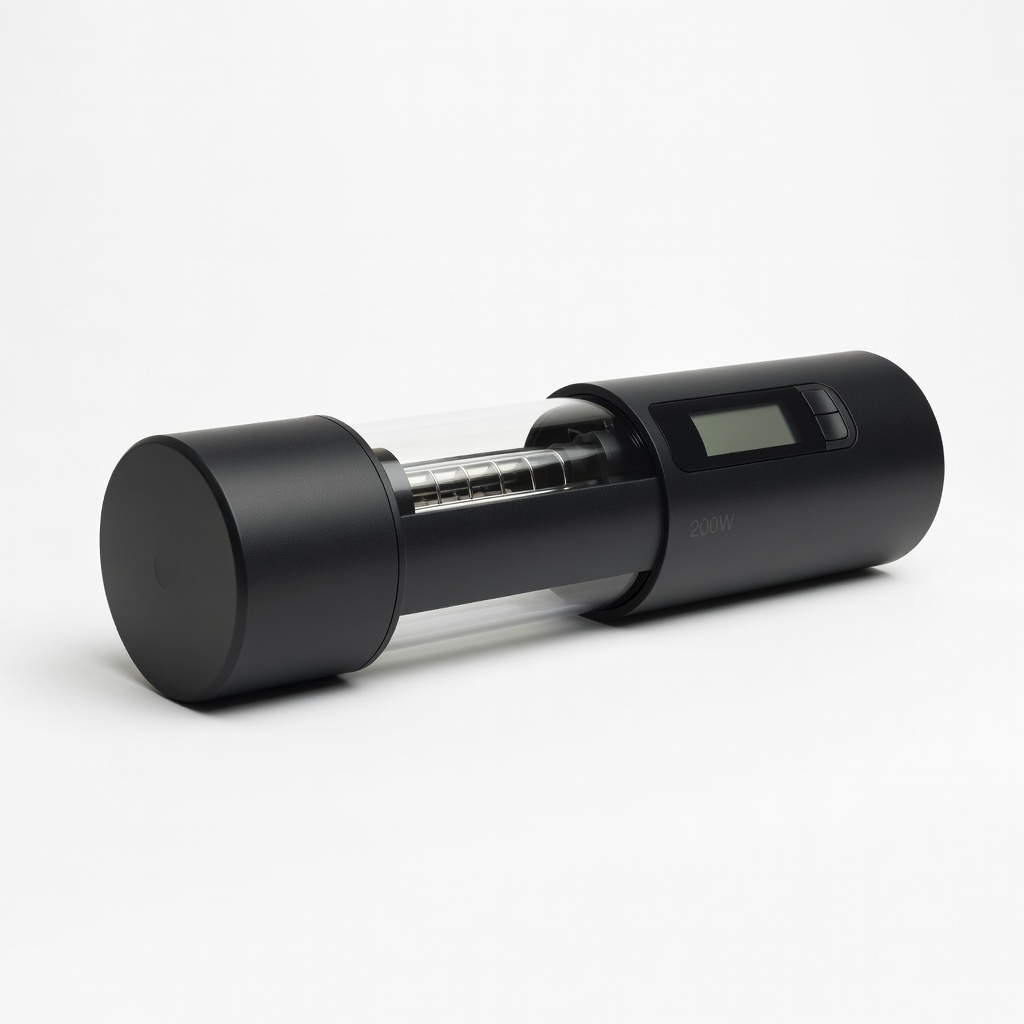
55+ gal setups wanting smart features.
Fluval E 200W Heater Digital display, app integration, three-year warranty—advanced for larger tanks with monitoring.