Changing guitar strings frequently is a hassle for intermediate players—costly, time-consuming, and disruptive to your practice routine. Poor string choice leads to dull tone in days or weeks, especially on acoustics where finger oils and sweat accelerate corrosion. This guide reveals what makes strings last longest, backed by real player experiences and tests.
You'll discover key factors like coatings, materials, and maintenance that can multiply string life from weeks to months. By the end, you'll know exactly which strings to buy and habits to adopt for fewer changes and better sound. No advanced tools needed; just 15 minutes to read and apply.
Expect practical insights for steel-string acoustics, focusing on phosphor bronze and coated options that resist wear best.
▸What You'll Need
- •Your acoustic guitar (steel-string model)
- •Basic knowledge of string gauges and changing strings
- •Soft cloth for wiping strings (optional but recommended)
- •String winder and clippers (for testing new sets)
- •Access to online retailers like Amazon for purchases
Estimated Time: 15-20 minutes to read and plan
Difficulty: intermediate
▸Step-by-Step Instructions
Step 1: Understand Key Factors Affecting String Longevity
String life on acoustic guitars depends on corrosion resistance, tone retention, and physical wear. Uncoated strings corrode from sweat, oils, and humidity, losing brightness in 1-4 weeks. Coated strings add a thin protective layer, extending life 3-5x.
Environment matters: Humid areas shorten life; dry ones extend it. Playing style—aggressive strumming vs. fingerpicking—impacts breakage. Expect coated phosphor bronze to outperform plain 80/20 bronze.
💡 Tips:
- •Track your string life with a journal to personalize choices.
Step 2: Compare String Materials: Bronze vs. Phosphor Bronze
80/20 Bronze (80% copper, 20% zinc) offers bright tone but corrodes faster, lasting 2-4 weeks. Phosphor Bronze (with 1-2% phosphorus) is warmer, more corrosion-resistant, and retains tone 20-50% longer—up to 6-8 weeks uncoated.
Analogy: Bronze is like fresh veggies (quickly wilts); phosphor bronze like root veggies (sturdier). For acoustics, phosphor bronze wins for longevity without sacrificing vibe.
⚠️ Warnings:
- •Avoid nickel-plated for acoustics; they're for electrics and wear faster on nylon frets.
Step 3: Prioritize Coated Strings for Maximum Durability
Coatings like Elixir's Nanoweb (polymer) or D'Addario's EXP (ultra-thin nylon) seal strings against grime, preventing 90% of corrosion. Players report 3-5 months of great tone vs. 2-3 weeks uncoated.
Nanoweb feels slick and natural; EXP is thinner for 'bare' feel. Both reduce breakage by 50%. Test: Play coated vs. uncoated; coated stays chimey longer.
💡 Tips:
- •Start with light gauge coated sets to ease transition.
Step 4: Choose the Right String Gauge
Lighter gauges (.010-.047) break easier but feel easier; mediums (.012-.054) last longer due to thicker cores resisting bending stress. Heavier gauges vibrate less wildly, extending life 20-30%.
For intermediates, light-medium phosphor coated balances playability and durability. Expect fewer snaps on stage.
Step 5: Account for Playing Style and Environment
Heavy strummers need robust coated heavies; fingerstyle players favor lights. High humidity? Coated essentials. Low humidity? Uncoated may suffice longer.
Pro tip: Store guitar at 45-55% humidity with a case humidifier for 20% life boost.
⚠️ Warnings:
- •Sweaty hands? Always wash before playing or use fast-fret polish.
Step 6: Adopt Maintenance Habits to Extend Any String's Life
Wipe strings after every session with a microfiber cloth. Use string cleaners monthly. Tune gently to avoid overwinding.
This adds 1-2 weeks even to uncoated sets. Combined with coatings, hit 4+ months.
💡 Tips:
- •Apply Dunlop Ultraglide monthly for slickness and protection.
Step 7: Test and Select Top Long-Lasting Strings
Top picks: Elixir Nanoweb (5x life), D'Addario EXP (4x), Ernie Ball Paradigm (break-resistant). Buy a set, log tone weekly. Switch if tone dulls under 2 months.
Real-world: Elixir tops charts in forums for acoustics.
▸Pro Tips
- •Wash hands or use finger cot sleeves during hot sessions.
- •Use a string tree lubricant to reduce friction wear.
- •Rest strings 1 day/week to minimize oils.
- •Humidify case in winter; dehumidify in tropics.
- •Alternate sets: One coated light, one medium for comparison.
- •Buy in bulk from Amazon Subscribe & Save for 15% off.
- •Tune to pitch, then stretch new strings 3x for stability.
▸Common Mistakes to Avoid
- •Ignoring coatings—leads to 80% shorter life; always compare coated vs. plain.
- •Using electric strings on acoustic—causes buzz and fast wear; stick to acoustic-specific.
- •Overlooking gauge—too light snaps early; match your style.
- •Skipping wipes—oils build up 3x faster; daily habit essential.
- •Playing dirty guitar—fretboard grime transfers; clean neck first.
▸Troubleshooting
Problem: Strings dull in days
Solution: Switch to coated phosphor bronze; check humidity (use hygrometer).
Problem: Frequent breakage
Solution: Up gauge slightly; ensure proper winding at tuners; try Paradigm series.
Problem: Coated feel 'slippery' or dead
Solution: Adapt 1 week; if not, try thinner EXP coating; stretch new strings well.
Problem: Tone inconsistent
Solution: Consistent maintenance; replace if over 3 months; professional setup if persists.
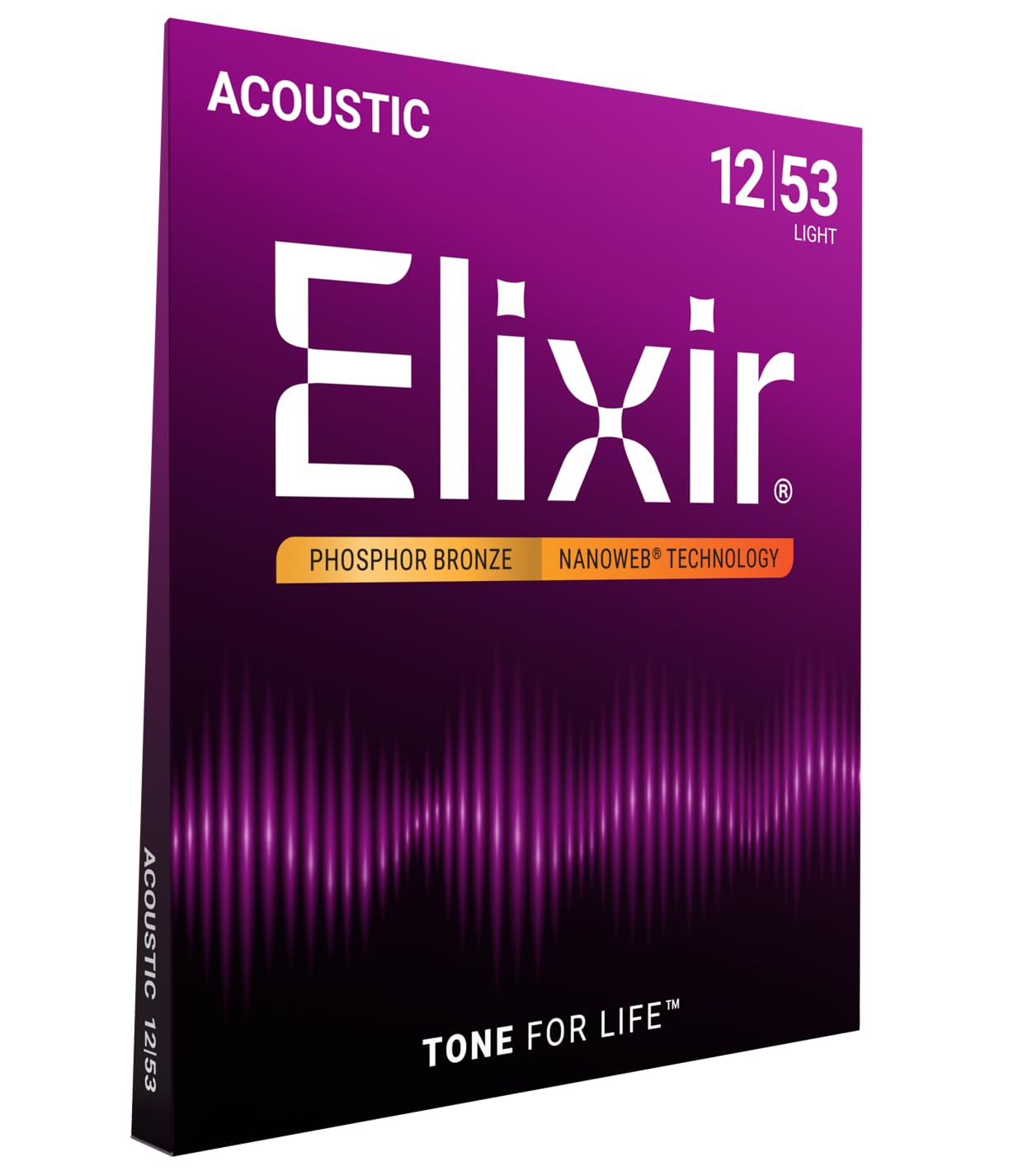
Elixir Nanoweb Phosphor Bronze Acoustic Guitar Strings, Light .012-.053
Polymer Nanoweb coating protects against corrosion 5x longer than uncoated, retaining bright tone for months.
Best for: Daily players wanting minimal changes; ideal for humid climates.
Price Range: $15.99
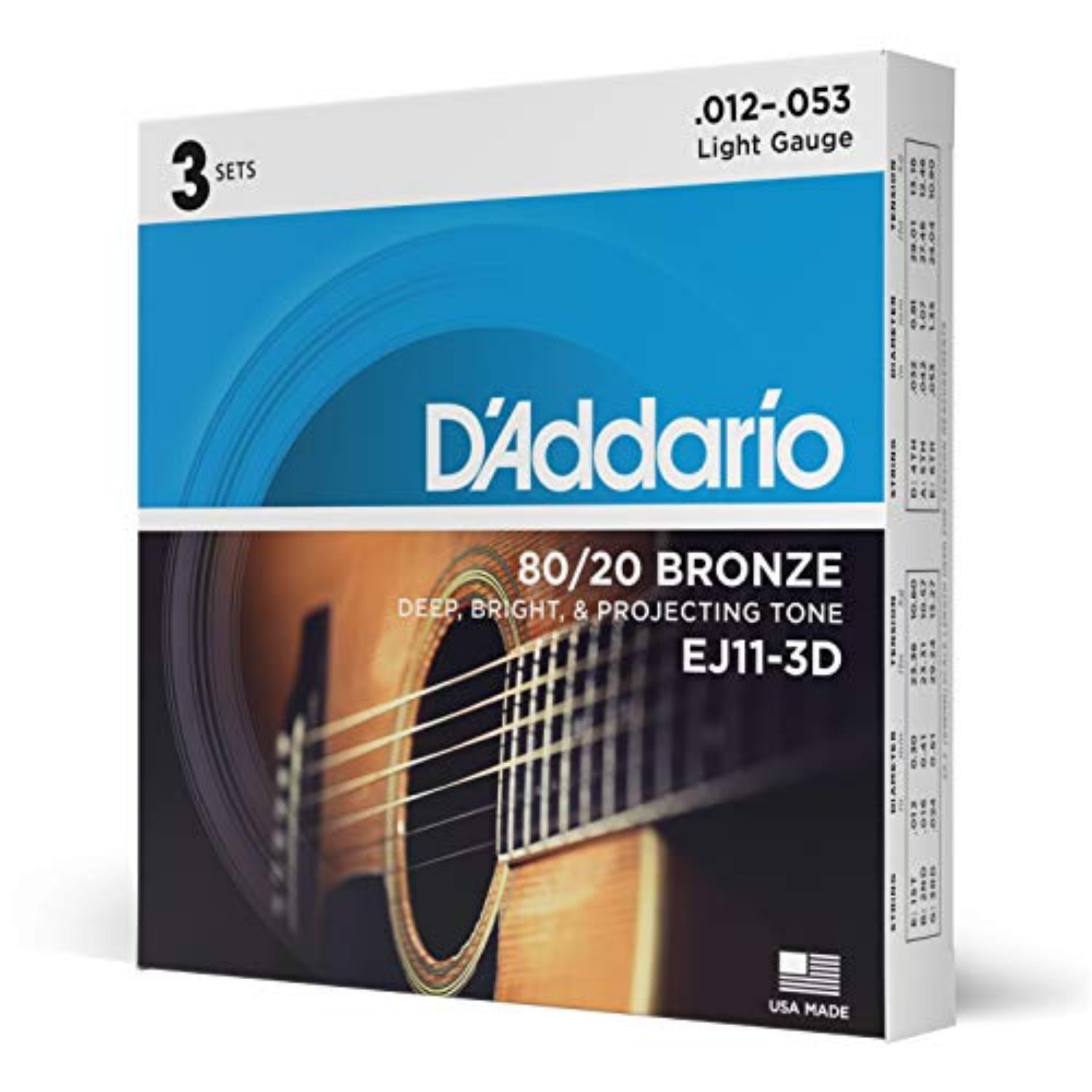
D'Addario EXP16 Coated 80/20 Bronze Acoustic Guitar Strings, Light .012-.053
Ultra-thin EXTREME coating lasts 4x longer with natural feel, great corrosion resistance.
Best for: Players preferring brighter 80/20 tone without slickness.
Price Range: $12.99
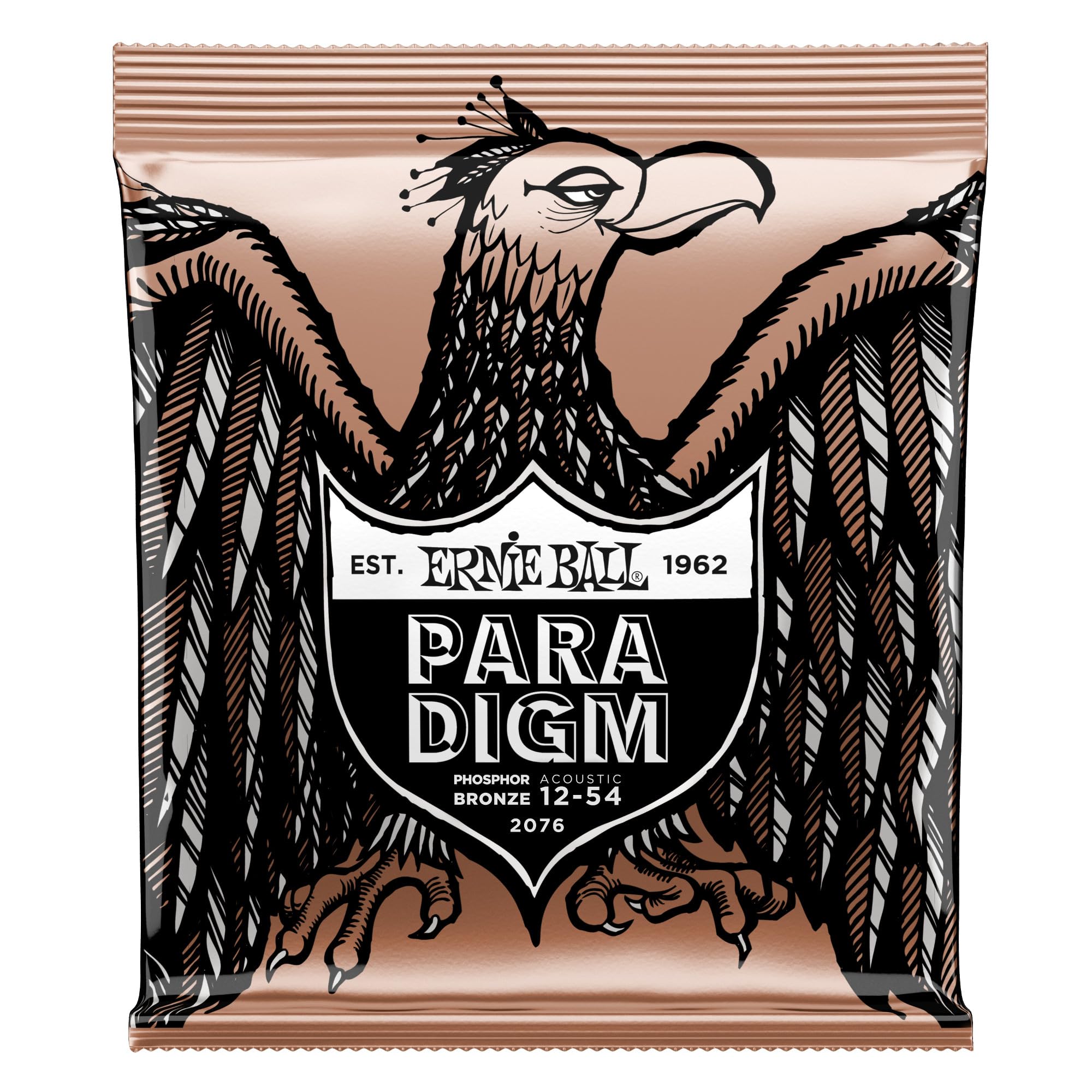
Ernie Ball Paradigm Phosphor Bronze Acoustic Guitar Strings, Light 12-54
Advanced coating and Everlast nanotreatment resist breakage and tuning issues 5x better.
Best for: Aggressive strummers or gigging intermediates needing reliability.
Price Range: $16.99
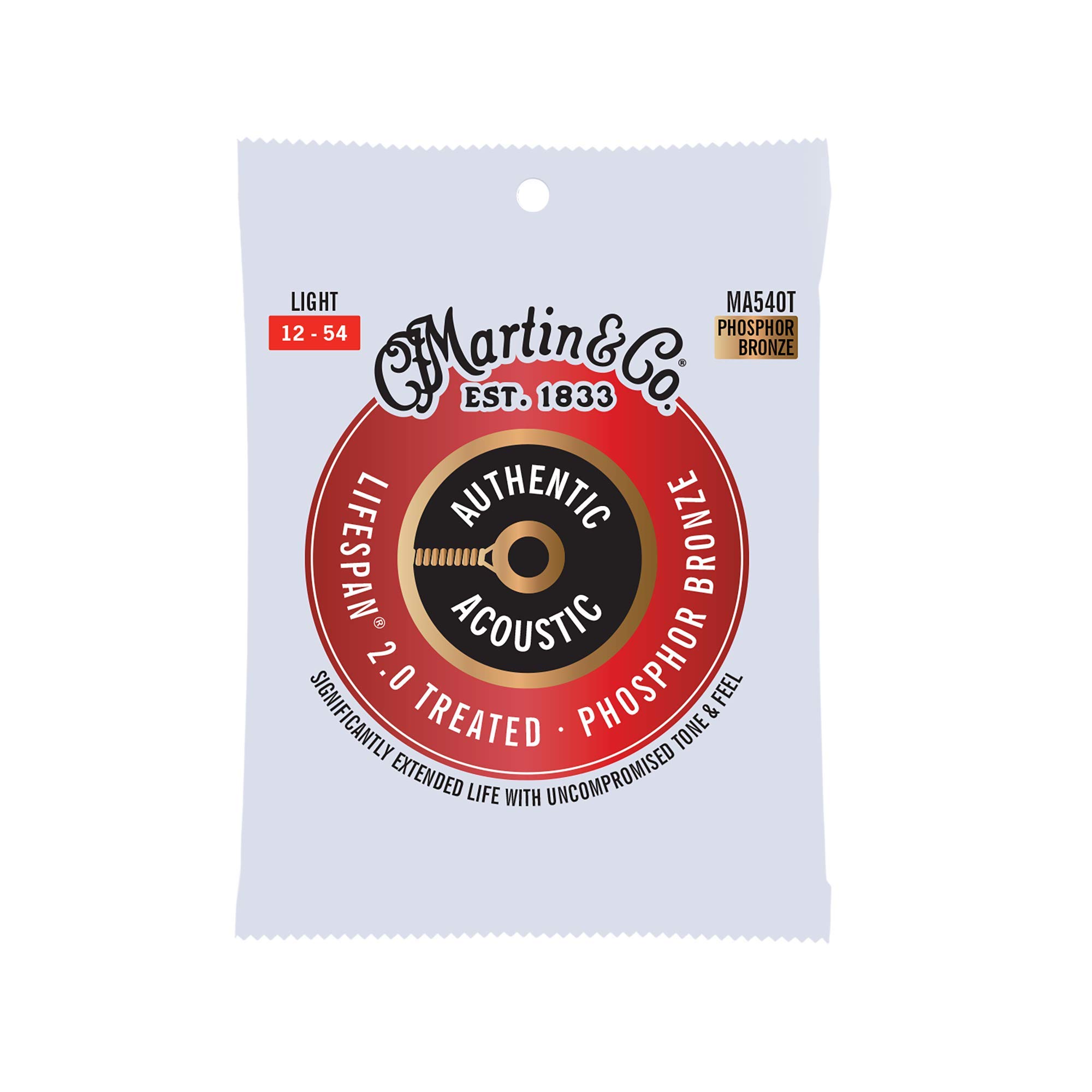
Martin Retro Monel Acoustic Guitar Strings, Light .011-.052
Monel alloy (nickel-copper) naturally resists corrosion longer than bronze, eco-friendly option.
Best for: Allergy-prone players or those avoiding polymer coatings.
Price Range: $9.99