As a beginner acoustic guitarist, nothing's more frustrating than seeing your shiny new strings dull, groove, or snap prematurely after just a few weeks of practice. String wear shortens their lifespan, affects tone, and costs you money—phosphor bronze or 80/20 acoustic strings can run $10-20 a set. The culprit? Often your guitar pick's material, thickness, and shape scraping against the strings.
In this guide, you'll learn the science behind string wear, key pick features that prevent it, and specific recommendations to choose wisely. No advanced knowledge needed—just 10 minutes to read and start experimenting. By the end, you'll pick (pun intended) the right ones to keep your strings sounding fresh longer.
Expect simple explanations, real-world examples, and tips tailored for beginners strumming chords and basic riffs.
▸What You'll Need
- •Your acoustic guitar
- •Assorted guitar picks to test (nylon, Delrin/Tortex, celluloid—start with a variety pack)
- •Magnifying glass or phone camera (optional, for close-up string inspection)
- •Basic strumming knowledge (prerequisite for testing)
Estimated Time: 10-15 minutes to read and understand; 30 minutes to test picks
Difficulty: beginner
▸Step-by-Step Instructions
Step 1: Understand Why Acoustic Strings Wear Out
Acoustic guitar strings, typically made of phosphor bronze or 80/20 bronze wrapped around a steel core, wear from friction. Each pick attack scrapes the winding, causing grooves, oxidation, and tone loss. Hard, rough-edged picks accelerate this—like sandpaper on metal.
Why it matters: Worn strings buzz, lose brightness, and break faster. Beginners pick aggressively while learning, worsening wear. Expect to see shiny spots dull after 20-50 hours of play.
💡 Tips:
- •Play softer initially to baseline wear.
Step 2: Break Down Pick Materials and Their Impact
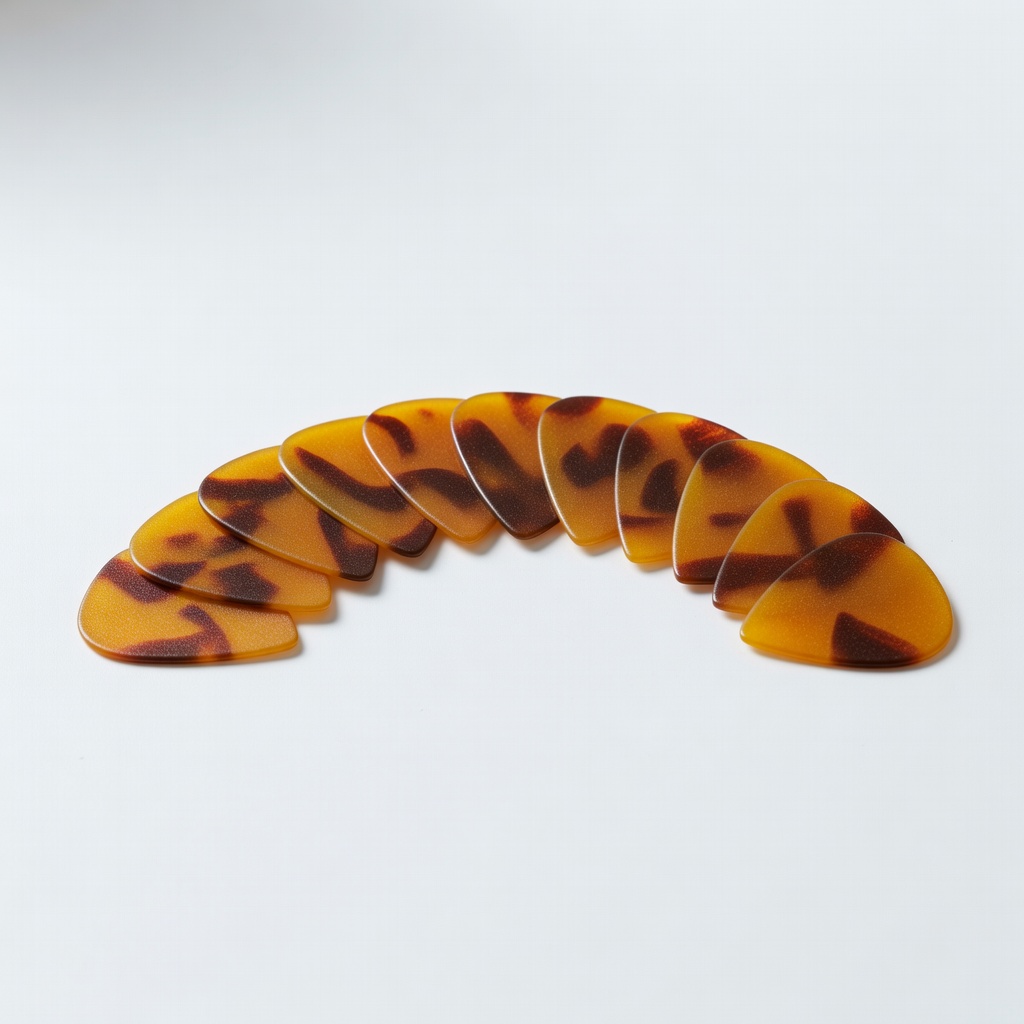
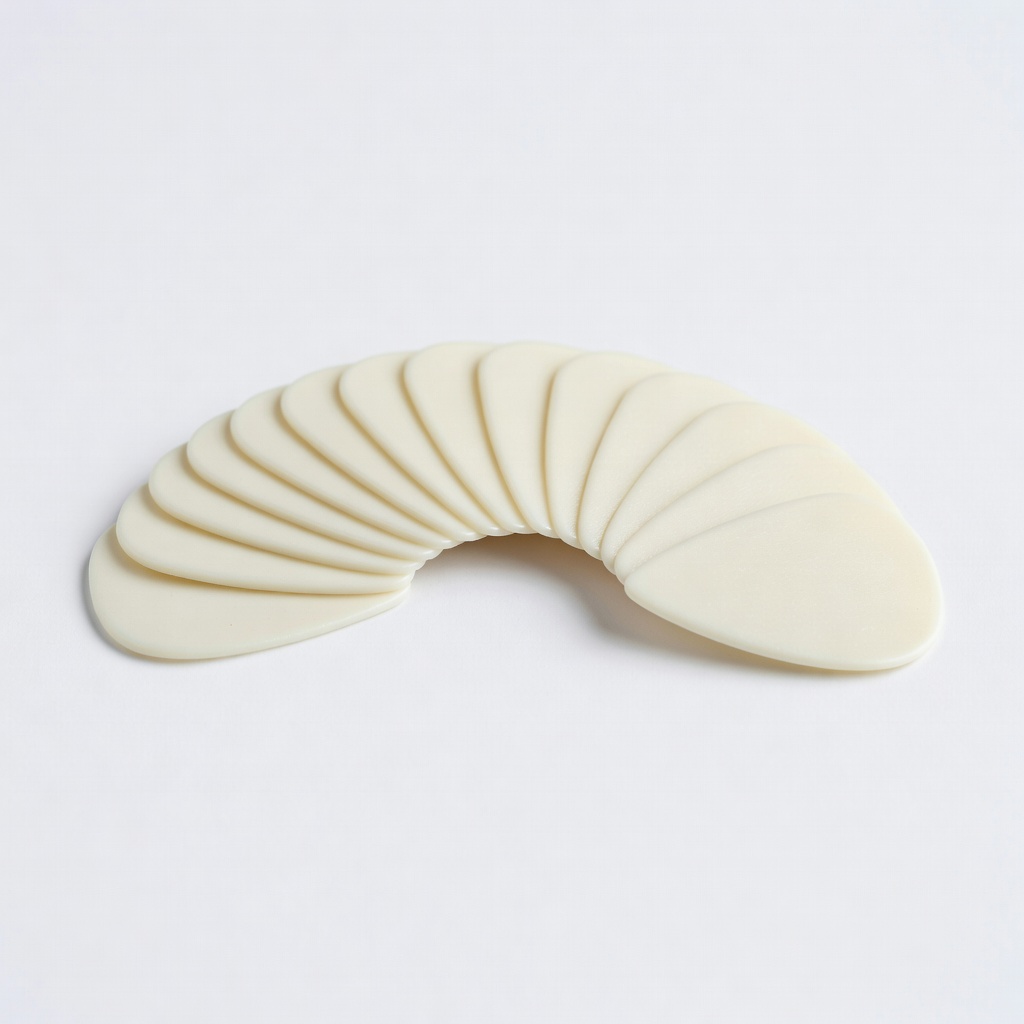
Material determines friction: Celluloid (classic, warm tone) is smooth but can groove strings over time. Nylon is soft and flexible, gliding with minimal drag—ideal for beginners. Delrin (Tortex) is slick plastic, super durable, reduces wear by 30-50% vs. celluloid per player tests. Avoid metal (brass/steel) picks—they shred strings like a file.
Analogy: Think of picks as shoes on a carpet—nylon/Delrin are soft slippers, celluloid loafers, metal boots.
💡 Tips:
- •Start with nylon or Tortex for acoustics.
⚠️ Warnings:
- •Skip metal picks unless shredding electric.
Step 3: Choose the Right Thickness (Gauge)
Gauge = thickness in mm: Thin (.38-.50mm) flexes, less aggressive attack, minimal wear but floppy feel. Medium (.58-.88mm) balances tone/volume, best for acoustic strumming—less string bite. Heavy (1.0mm+) digs in, wears faster.
For beginners: .68-.73mm medium prevents wear while building calluses and technique.
Step 4: Evaluate Shape and Tip Design
Shapes matter: Standard/rounded tips slide smoothly, reducing drag. Jazz III (sharp tip) precise but wears if overused. Triangle/wing shapes distribute pressure.
Look for molded, non-molded edges—beveled tips prevent snagging. Expect smoother tone and less fatigue.
💡 Tips:
- •Rounded tips for rhythm, pointed for leads.
Step 5: Factor in Your Playing Technique
Pick angle (45-60 degrees to strings) and speed affect wear. Downstrokes wear more than alternates. Softer attack = less friction.
Pro tip: Hold pick lightly between thumb/index—reduces force by 20%.
⚠️ Warnings:
- •Death grip causes excessive wear—relax!
Step 6: Test Picks on Your Acoustic Guitar
Strum 10-15 minutes per pick type. Inspect strings under light for scratches. Swap weekly to compare.
Track: Tone clarity, string brightness after sessions.
💡 Tips:
- •Clean strings first with a cloth for fair test.
Step 7: Maintain Strings for Longer Life
Even best picks need help: Wipe strings post-play, use string cleaners. Restring every 1-3 months.
▸Pro Tips
- •Mix pick types: Nylon for practice, Tortex for gigs.
- •Buy variety packs to test cheaply.
- •Store picks in a case to keep edges sharp/smooth.
- •Alternate up/down strokes to even wear.
- •Use lighter strings (11-52 gauge) with soft picks.
- •Polish picks with fine sandpaper for extra slickness.
- •Record tone samples to hear differences.
▸Common Mistakes to Avoid
- •Using heavy metal picks on acoustics—causes rapid grooves; switch to plastic.
- •Ignoring gauge—too thick digs in; stick to medium.
- •Poor technique (90-degree attack)—practice angled strumming.
- •Not cleaning strings—buildup amplifies pick wear; wipe daily.
- •Buying cheap, brittle picks—they chip and scratch unevenly.
▸Troubleshooting
Problem: Strings still wear fast despite good picks
Solution: Check technique or humidity (dry air cracks strings). Use string lube like Dunlop Ultraglide.
Problem: Pick feels slippery, slipping out
Solution: Choose textured grips like DuraGrip; build calluses.
Problem: Muted tone after switching picks
Solution: Match gauge to style; restring if old.
Dunlop Tortex Standard .73mm Picks (12 Pack)
Delrin material is ultra-slick, reducing friction and string wear by gliding smoothly—top choice for acoustic players.
Best for: Daily strumming and fingerpicking on steel-string acoustics.
Price Range: $4.99-$6.99
D'Addario Nylon Standard Picks (.71mm, 25 Pack)
Soft nylon flexes without digging, minimizing grooves while providing warm tone—budget-friendly for beginners.
Best for: Practice sessions to avoid wear during long chord sessions.
Price Range: $3.99-$5.99
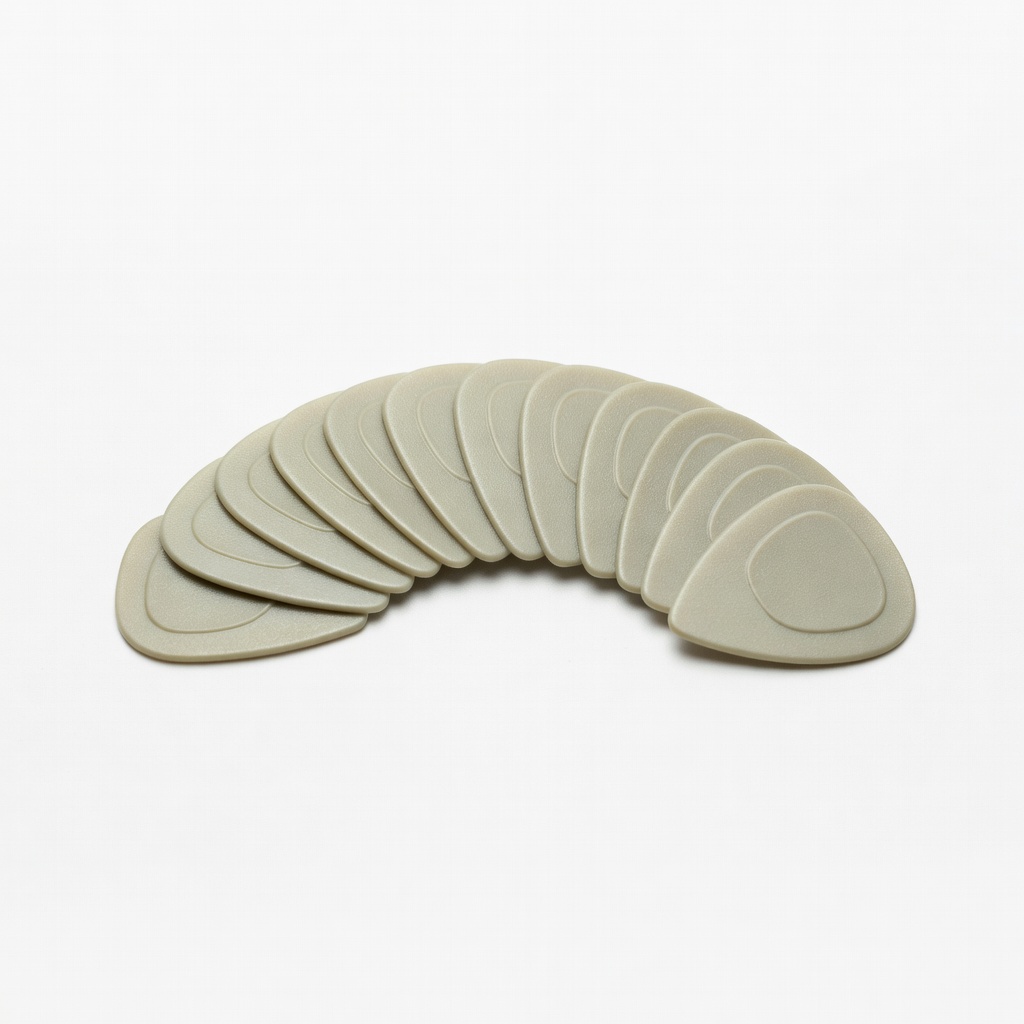
Ernie Ball Prodigy Picks (1.0mm Nylon, 12 Pack)
Highly flexible nylon with molded bevel reduces drag; durable and great grip prevents slipping.
Best for: Versatile for rhythm and leads on acoustics without aggressive wear.
Price Range: $4.99
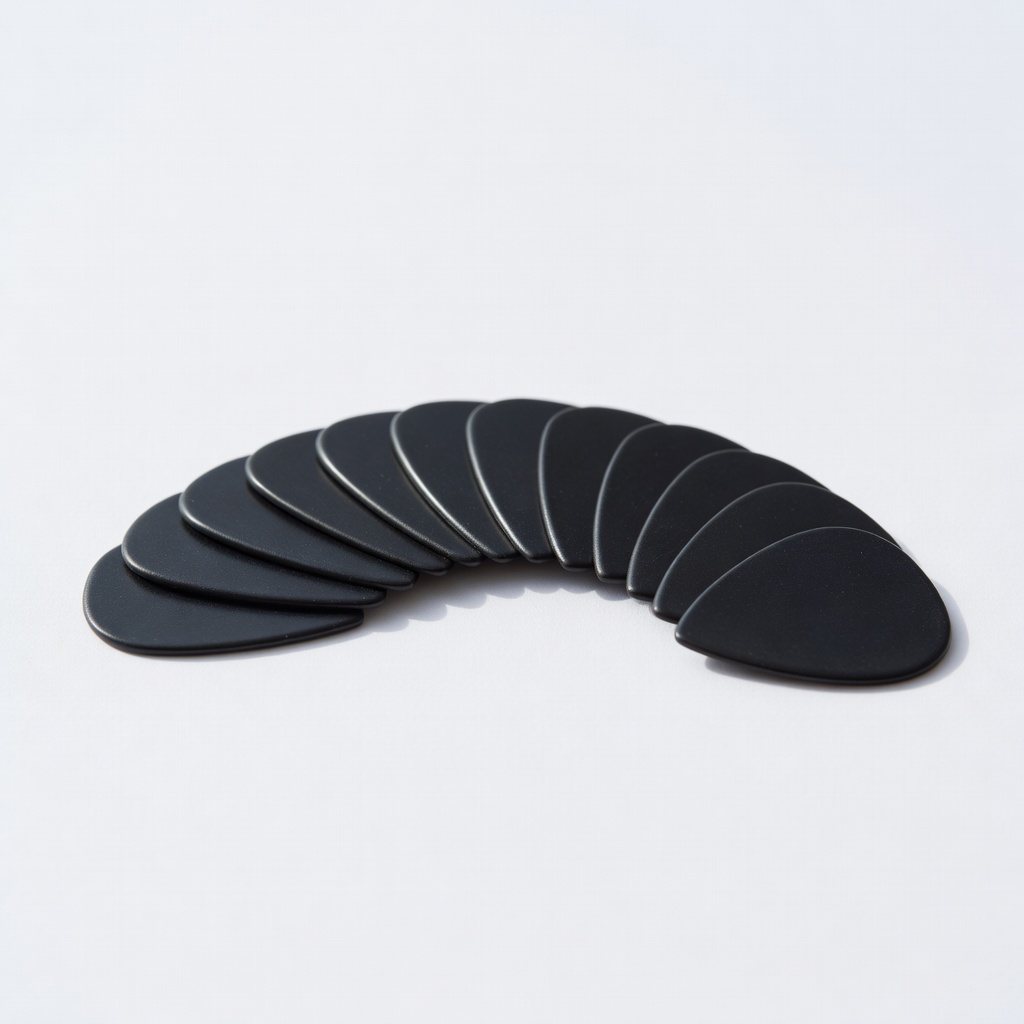
Dunlop Nylon Jazz III Picks (12 Pack)
Small, precise nylon design for control; smooth edges prevent string bite—popular for hybrid picking.
Best for: Beginners advancing to intricate acoustic patterns.
Price Range: $5.49