
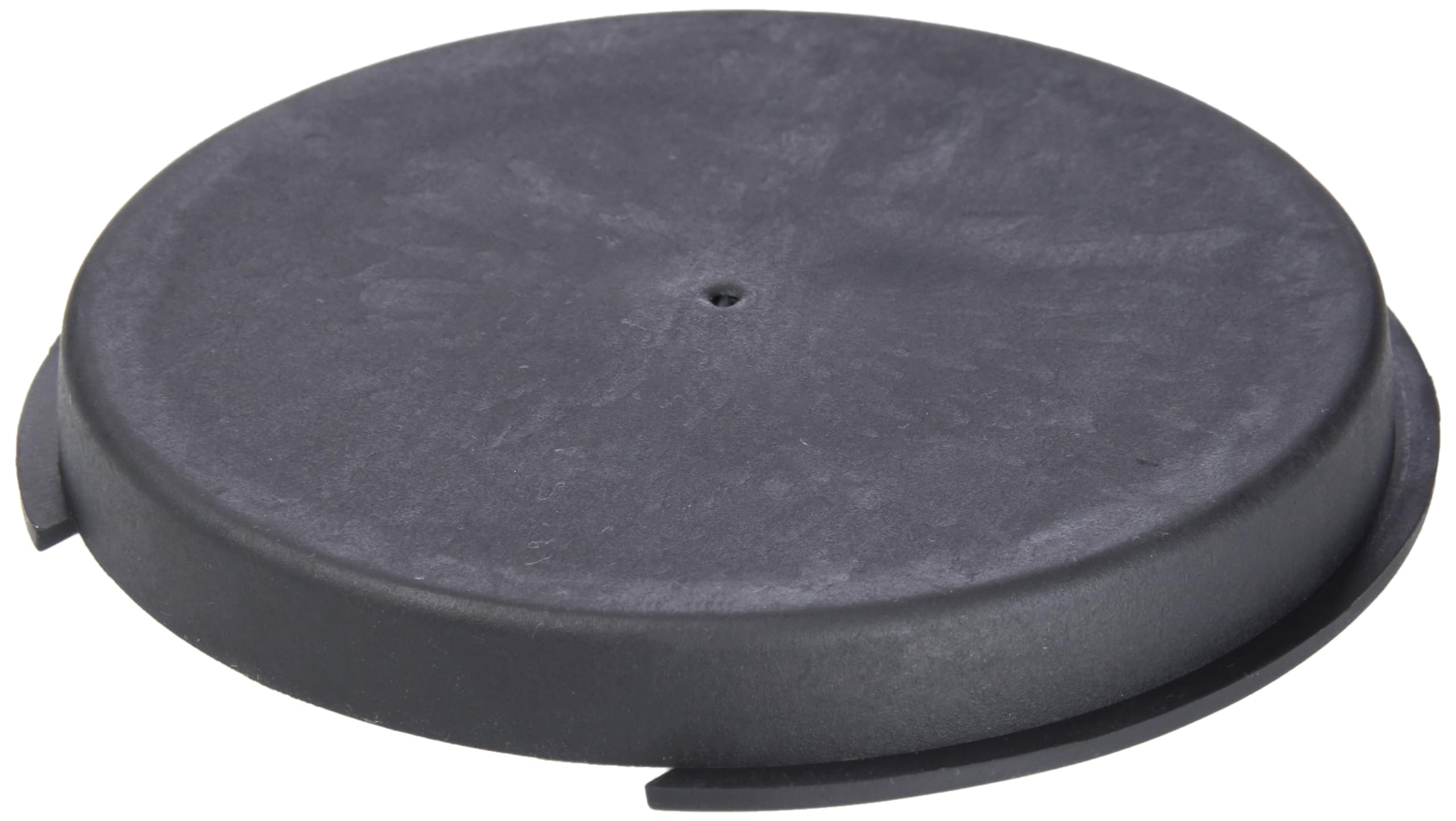
Planet Waves Feedback Fighter Soundhole Cover
Live gigs on stage amps; ideal first mod.
$15-20
Planet Waves Feedback Fighter Soundhole Cover Blocks soundhole efficiently without tone loss, top-rated for quick installs.
Get the App
Better experience on mobile
Master acoustic feedback control with key parts that minimize howling for flawless live performances.
Acoustic feedback—that piercing howl during gigs—can ruin even the most polished set. For advanced players amplifying classical or acoustic guitars live, understanding feedback sources is crucial. This guide breaks down the guitar parts designed to combat it, from simple covers to sophisticated electronics.
You'll learn how each part works, why it reduces feedback loops, and real-world applications. Expect in-depth explanations with physics analogies, no fluff—perfect for pros tweaking rigs. Reading takes 15 minutes; applying concepts could transform your setup.
We'll cover mechanics, electronics, and mods, prioritizing installable parts over pedals or venue tweaks.
Estimated Time: 15-20 minutes to read; 1-2 hours for initial testing Difficulty: advanced
Acoustic feedback occurs when amplified sound re-enters the guitar via its soundhole or body resonances, creating a positive feedback loop—like a microphone too close to a speaker, but guitar-specific.
Key culprits: Open soundhole acts as a resonator amplifying lows (80-250Hz), body vibrations transfer to strings. Advanced players know standing waves inside the guitar body excite fundamentals. Reducing entry points or damping resonances is key.
Expect: This foundation reveals why parts target soundhole, strings, or electronics. Test by playing near a PA—note howl frequencies via EQ.
💡 Tips:
Soundhole covers block direct sound entry, slashing low-end feedback by 10-20dB. Like plugging a bass trap, they prevent air movement that resonates chamber modes.
Rubber or foam versions (e.g., Feedback Fighters) fit snugly without muting tone much—advanced users pair with EQ boosts for lost lows. Classical guitars benefit from thin nylon-compatible designs.
Why it matters: 70% of stage feedback starts here. Expect brighter tone initially; adjust volume up slightly.
⚠️ Warnings:
Foam wedges or felt strips inside dampen body modes, like shock absorbers on a race car chassis. Placed near bridgeplate or braces, they kill sympathetic vibrations without killing sustain.
Advanced technique: Custom-cut EVA foam tuned to problem freqs (measure via tap tones). Reduces wolf tones in classicals.
Expect: Subtle volume drop (5%), but feedback immunity skyrockets. Test with harmonics.
💡 Tips:
Ditch mics for piezo or magnetic pickups: Under-saddle piezos sense string vibration directly (no air coupling), magnetics read steel strings electromagnetically.
Piezo (e.g., Fishman) excels in acoustics; blended systems add mic with phase control. Analogy: Direct injection vs. carburetor—cleaner signal, less loop risk.
Why: Mics amplify room sound; pickups isolate guitar. Classical nylon? Opt for passive undersaddle.
Onboard preamps with notch filters or phase switches invert offending waves, canceling feedback like noise-canceling headphones.
Advanced: LR Baggs systems with variable impedance match guitar impedance, reducing piezo quack. Gain staging prevents overload.
Expect: Dial in via knobs during soundcheck—feedback drops instantly.
💡 Tips:
⚠️ Warnings:
Graph Tech Tusq or bone saddles with dampening slots reduce string-to-body energy transfer. Compensated designs minimize wolf notes.
Advanced mod: Drop-in piezo cavities in saddles for hidden installs. Lighter bridges (mahogany vs. rosewood) lower Q-factor (resonance sharpness).
Why: Bridge is vibration nexus—tame it, tame feedback.
Heavier gauges (12-53) or coated strings (Elixir) increase tension, stabilizing fundamentals against excitation. Phosphor bronze for balanced harmonics.
Classical: High-tension Savarez reduce whistle tones. Analogy: Thicker strings = lower wind resistance in feedback winds.
💡 Tips:
Problem: Feedback persists post-cover
Solution: Notch EQ at 120-200Hz; check for loose braces.
Problem: Pickup quack or squeal
Solution: Adjust preamp treble cut; verify piezo height.
Problem: Muted tone after mods
Solution: Re-EQ lows; remove excess dampening.
Problem: Electronics hum
Solution: Shield cavity; use balanced TRS output.
Blocks soundhole efficiently without tone loss, top-rated for quick installs.
Best for: Live gigs on stage amps; ideal first mod.
Price Range: $15-20
Integrated preamp with notch/phase kills feedback at source; pro-standard.
Best for: Permanent install for frequent performers.
Price Range: $200-250
Magnetic design ignores acoustics entirely; zero air feedback.
Best for: Steel-string acoustics in loud venues.
Price Range: $180-220
Self-dampening composite reduces bridge resonance.
Best for: DIY bridge upgrades for classicals.
Price Range: $10-15
Pure analog blend control minimizes electronic feedback.
Best for: Nylon/classical with multiple pickups.
Price Range: $100-130
Live gigs on stage amps; ideal first mod.
Planet Waves Feedback Fighter Soundhole Cover Blocks soundhole efficiently without tone loss, top-rated for quick installs.
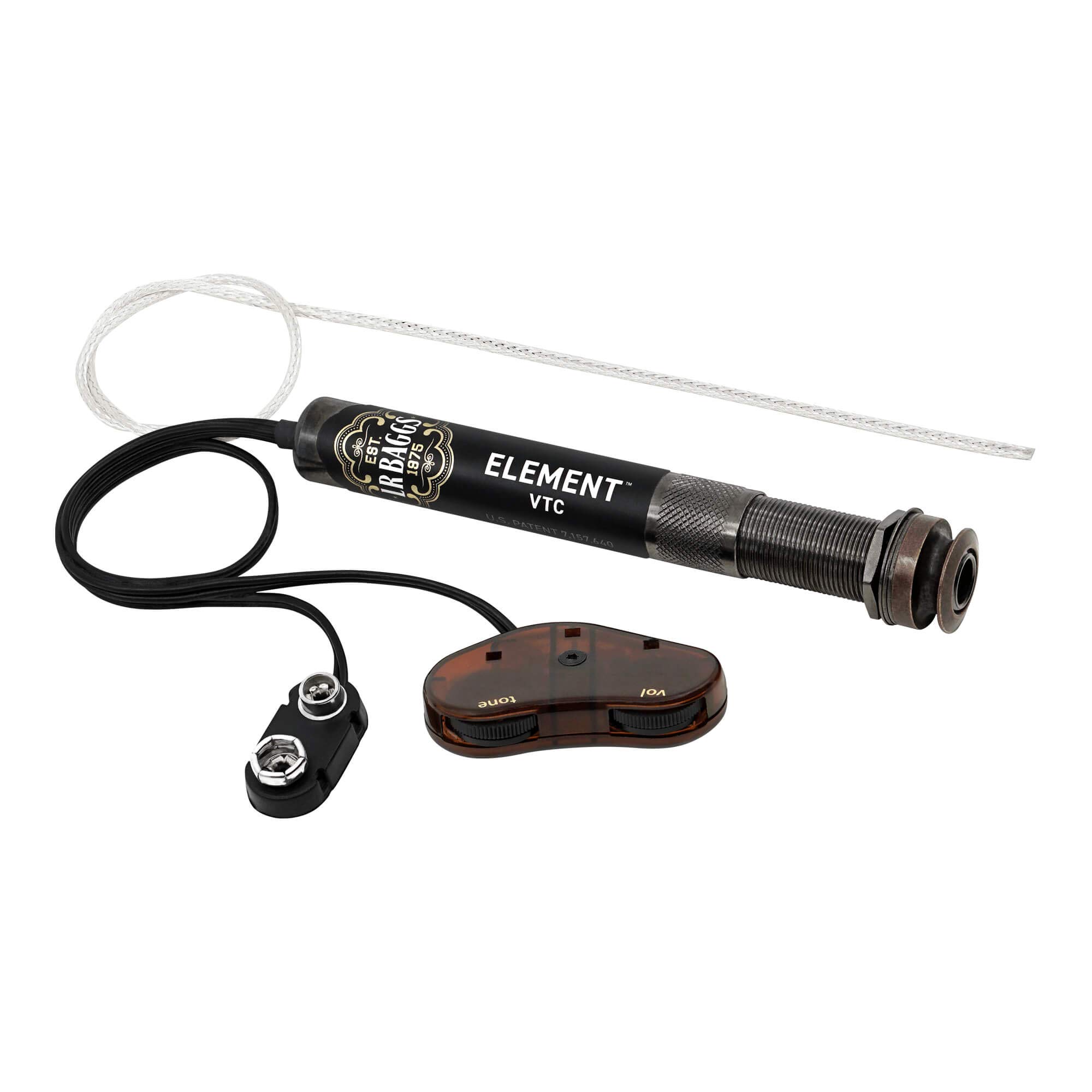
Permanent install for frequent performers.
LR Baggs Element Active VTC Pickup System Integrated preamp with notch/phase kills feedback at source; pro-standard.
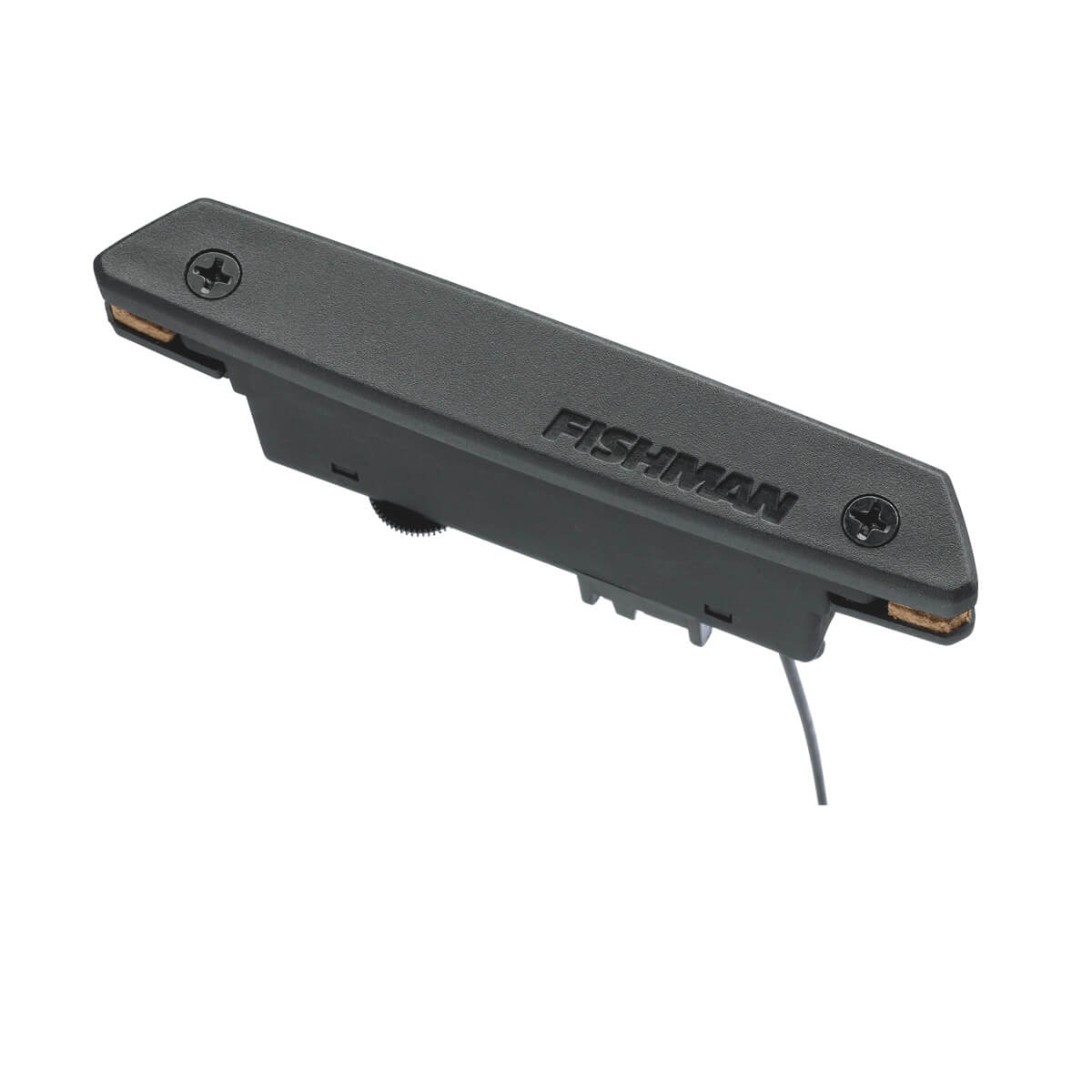
Steel-string acoustics in loud venues.
Fishman Rare Earth Humbucker Soundhole Pickup Magnetic design ignores acoustics entirely; zero air feedback.
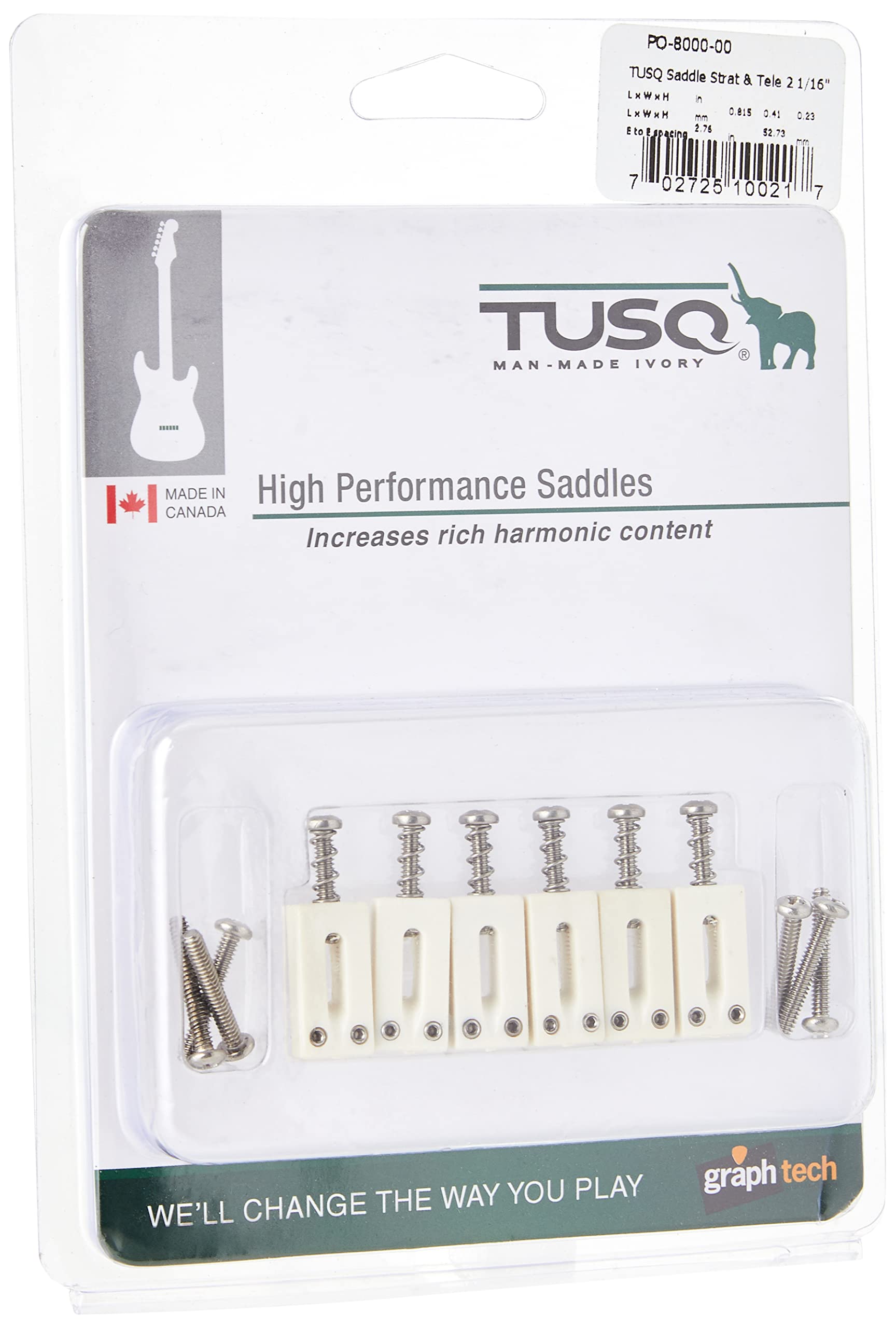
DIY bridge upgrades for classicals.
Graph Tech TUSQ XL Saddle Self-dampening composite reduces bridge resonance.
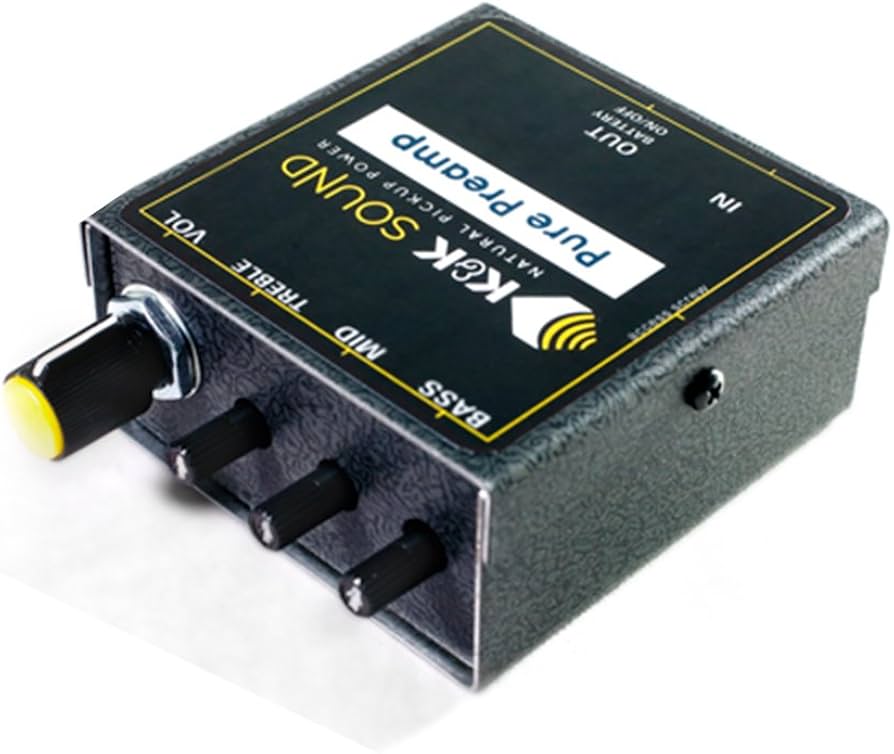
Nylon/classical with multiple pickups.
K&K Pure Mini Stereo Preamp Pure analog blend control minimizes electronic feedback.