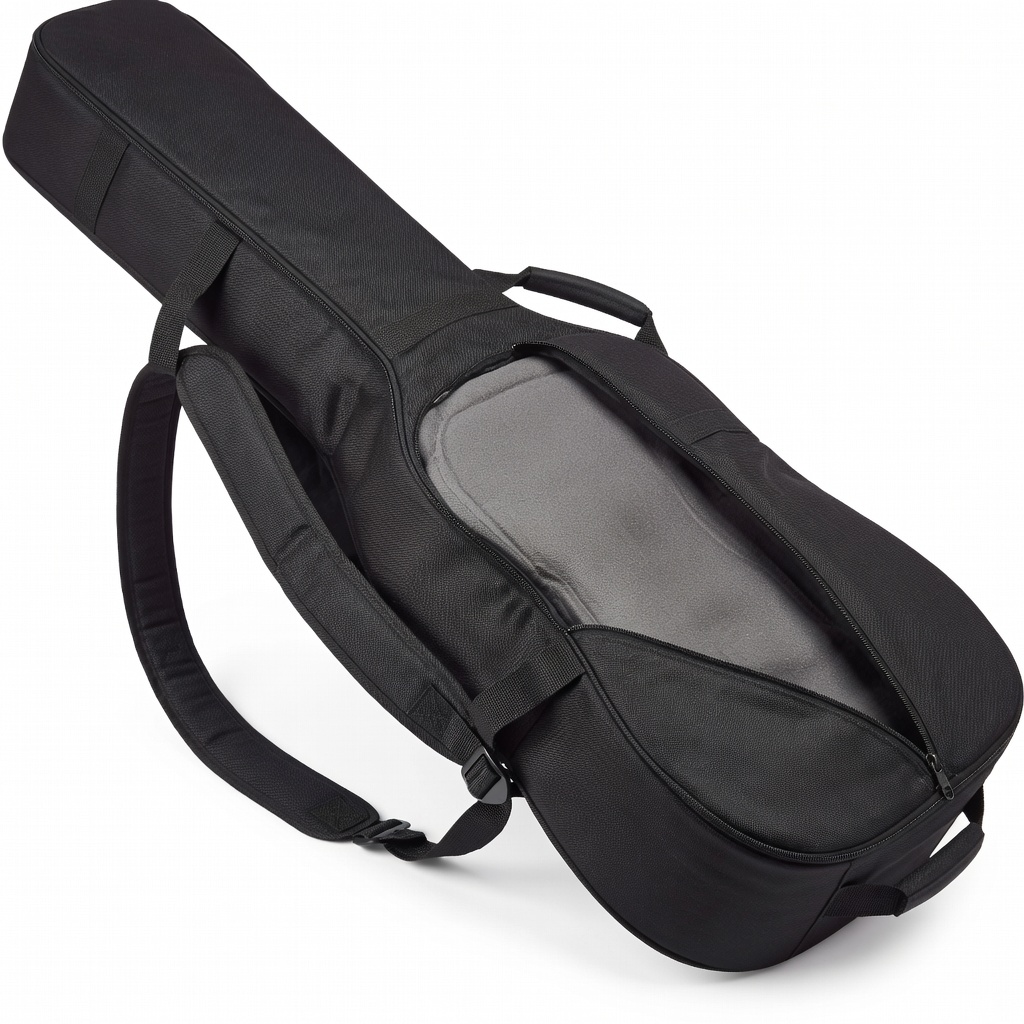
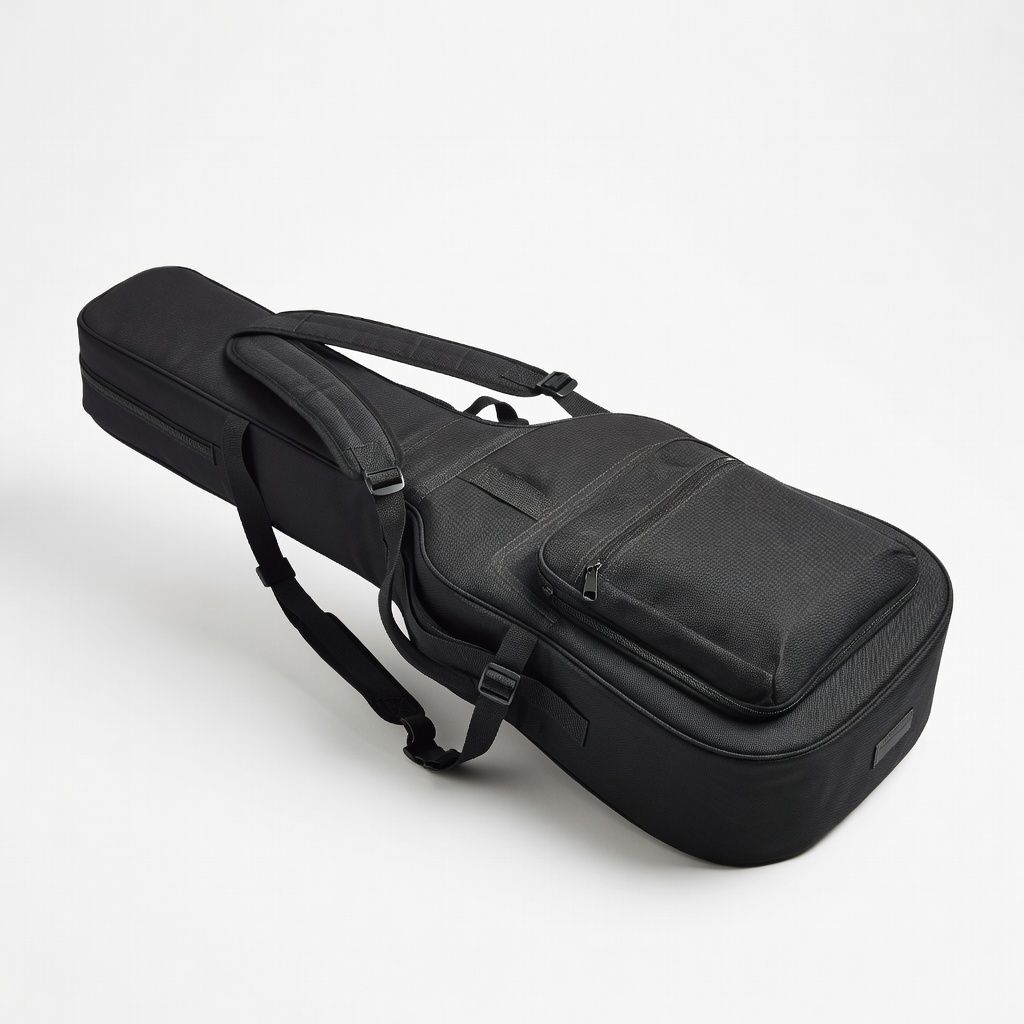
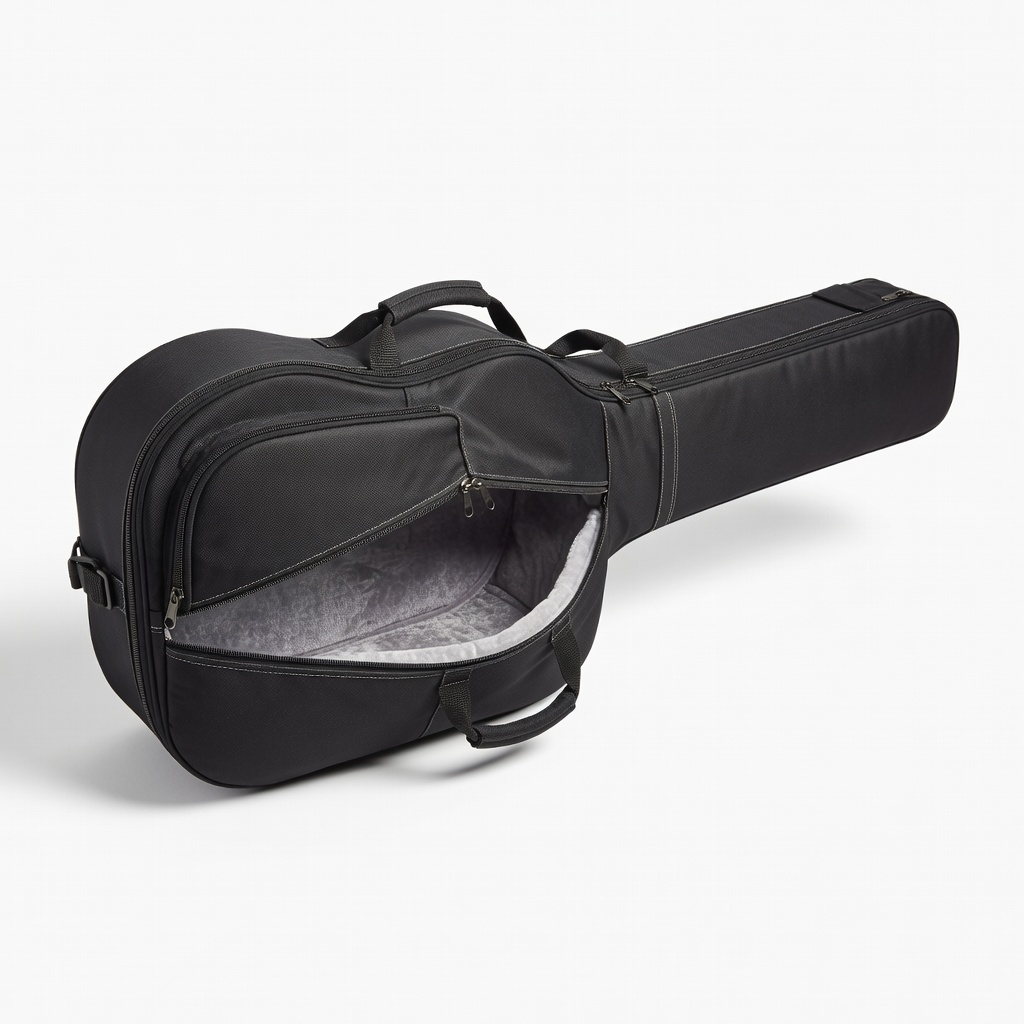
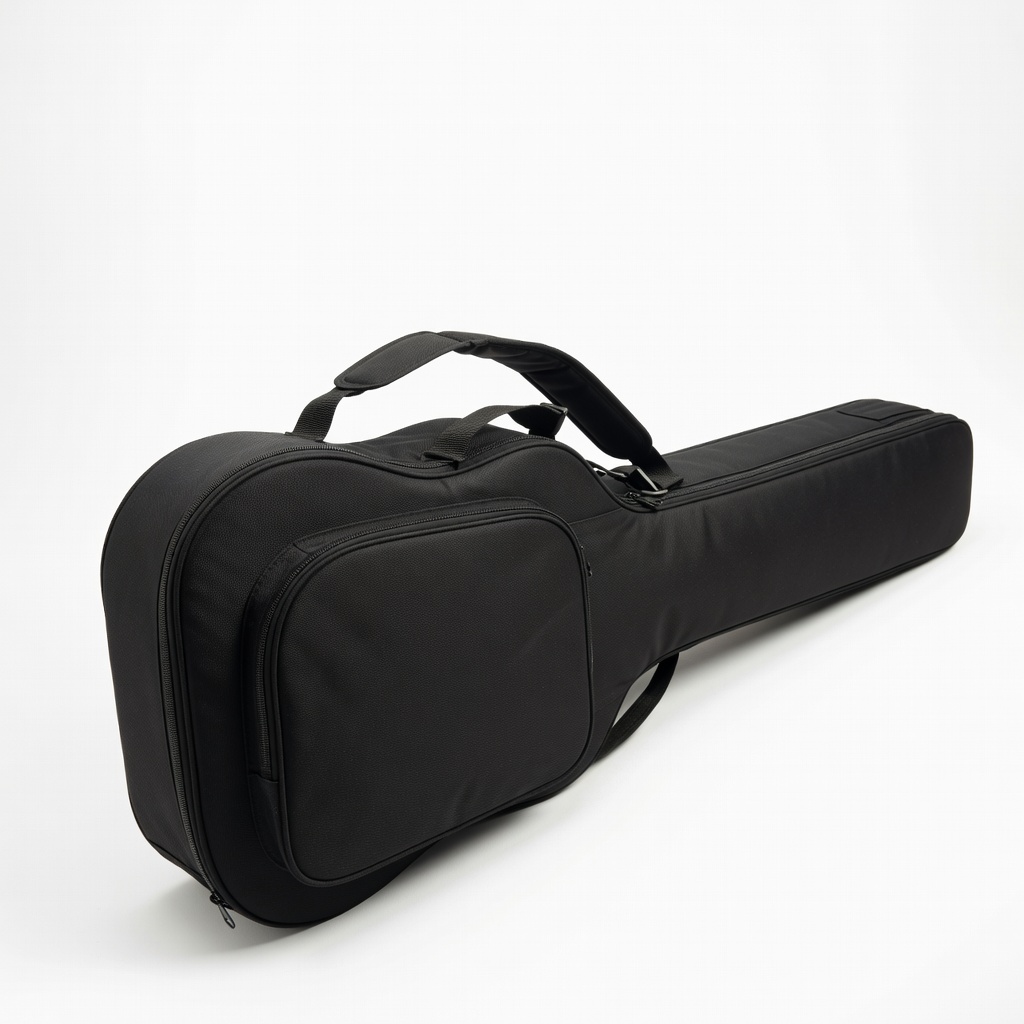
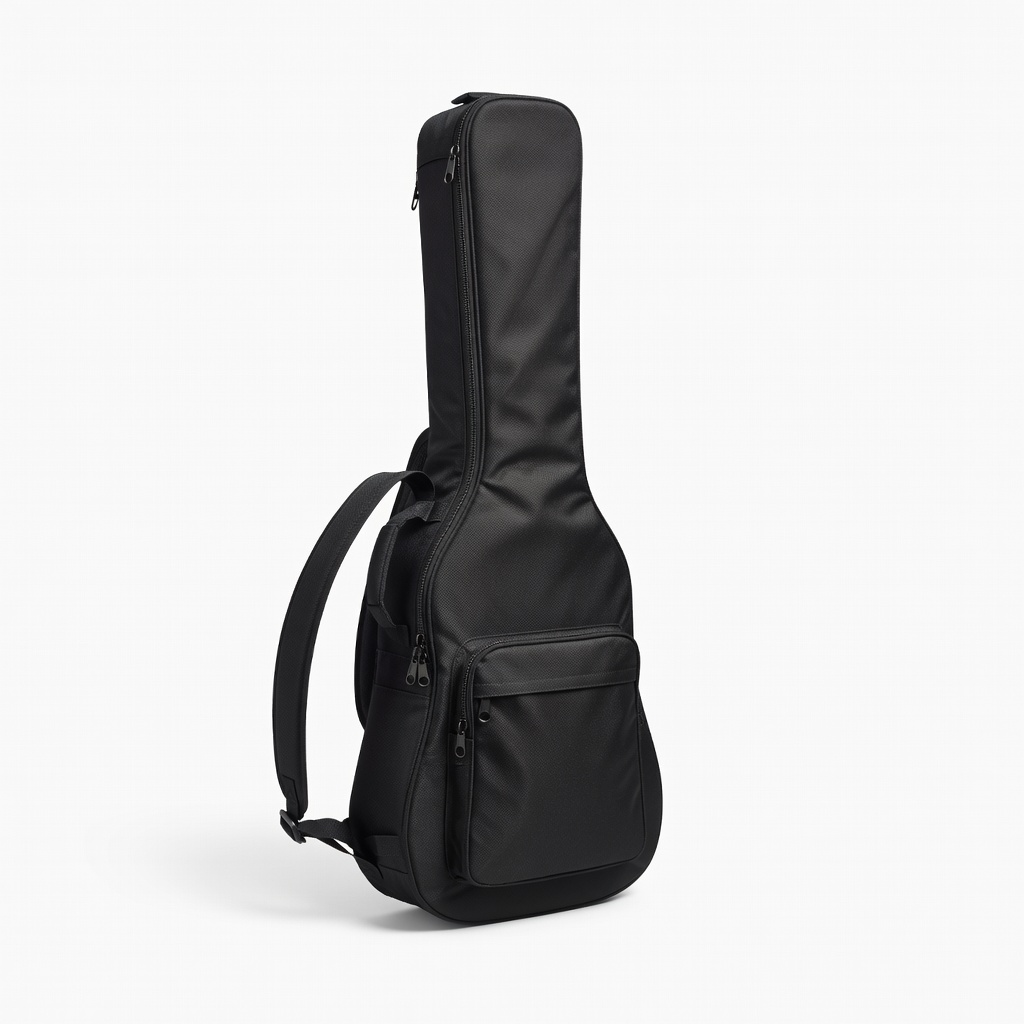
Ever struggled to zip up a guitar bag that's too tight around your acoustic-electric's body or pickaxe cutaway?
You're not alone—many intermediate players face fit issues when transitioning from standard acoustics to hybrids with built-in electronics. This guide breaks down everything you need to know about guitar bag compatibility, from measurements to features, so you can confidently choose a bag that protects your investment without bulk or hassle.
By the end, you'll understand guitar dimensions, key bag specs, and pro tips for selecting the ideal fit. No more guesswork—this takes just 10-15 minutes to read and apply, perfect for gigging musicians ready to upgrade their gear.
▸What You'll Need
- •Measuring tape or ruler (soft flexible tape ideal)
- •Your acoustic-electric guitar for reference measurements
- •Access to product specs online (manufacturer websites or retailers like Amazon)
- •Optional: Calipers for precise neck and body depth
Estimated Time: 10-15 minutes
Difficulty: intermediate
▸Step-by-Step Instructions
Step 1: Understand Acoustic-Electric Guitar Dimensions
Acoustic-electric guitars blend acoustic body shapes (like dreadnought or concert) with electronics, but their overall size is similar to standard acoustics. Typical lengths range from 38-42 inches for full-size models, with body widths around 15-16 inches and depths of 4-5 inches. The key difference? Cutaways for upper-fret access and sometimes slimmer necks for playability.
Why it matters: Bags designed for pure electrics are too narrow; acoustic bags provide the necessary body room. Think of it like fitting shoes—wrong size causes blisters (or in this case, scratches).
Expect standard dreadnought acoustics (most common for electro-acoustics) to need 40-41 inch bags.
💡 Tips:
- •Note your model's exact specs from the manufacturer—Taylor, Martin, or Yamaha often list them.
Step 2: Measure Your Guitar Precisely
Grab a measuring tape and record: upper bout (narrow top, ~11-12 inches), lower bout (wide bottom, ~15-16 inches), body length (~20 inches), total length (38-42 inches), depth (4-5 inches), and longest dimension (often the headstock to strap button).
Why measure? Manufacturer '41-inch' labels are approximate; your Yamaha APX might be slimmer than a Martin's D-28 electro. Add 1-2 inches padding allowance per dimension for the bag.
Lay the guitar on a flat surface—double-check twice to avoid returns.
💡 Tips:
- •Measure over the strings for neck width (~1.7-2 inches at nut).
⚠️ Warnings:
- •Don't compress the body; measure at widest points to prevent zipper strain.
Step 3: Identify Compatible Bag Sizes
Look for bags labeled '41-inch acoustic' or 'dreadnought/OM'—these fit 95% of acoustic-electrics. Avoid 'electric-only' (37-39 inches, narrow body) or 'classical' (broader necks). Hybrid bags marked 'acoustic-electric' are ideal.
Analogy: Like buying pants—waist (body width) and inseam (length) must match. Check specs for max dimensions listed by brands like Gator or Fender.
💡 Tips:
- •Search 'acoustic-electric gig bag [your model]' for tailored options.
Step 4: Prioritize Padding and Protection Features
Seek 10-20mm (0.5-0.75 inch) padding on sides, neck pillow, and bottom stand. Acoustic-electrics have pickups/preamps—ensure headstock armor and cutaway clearance.
Why? Electronics are vulnerable; extra padding absorbs gig bumps like a car airbag. Waterproof exteriors (nylon/420D poly) add weatherproofing.
⚠️ Warnings:
- •Thin 5mm 'economy' bags risk denting the top during travel.
Step 5: Check for Accessory and Ergonomic Fits
Pockets for cables, tuner, strap, and picks are must-haves for electro-acoustic owners. Backpack straps and handles improve portability.
Pro insight: A dedicated preamp pocket prevents cable snags. Test zipper smoothness—jams mean poor fit.
💡 Tips:
- •Ergonomic bags reduce back strain on long walks to gigs.
Step 6: Verify with Reviews and Brand Charts
Read user reviews on Amazon/Reverb for your model (e.g., 'fits Taylor 814ce perfectly'). Cross-reference brand size charts—Gator's are spot-on.
Final check: If possible, test in-store. This confirms real-world fit beyond specs.
💡 Tips:
- •Filter reviews by 'fit' keyword for honest feedback.
▸Pro Tips
- •Always add 2 inches to measurements for easy insertion/removal.
- •Choose bags with removable neck blocks for custom snugness.
- •Opt for dual-zippers for quick access without full unzip.
- •Weatherproof bags save headaches in rain—test with a hose.
- •Label your bag inside with guitar model for multi-guitar users.
- •Stack bags in car trunks with neck supports up.
- •Upgrade to continental stitching for durable seams on heavy use.
▸Common Mistakes to Avoid
- •Assuming 'acoustic' = universal fit—ignores cutaway/electro bulges, leading to tight zippers.
- •Overlooking depth measurement—causes body rock during carry.
- •Buying by price alone—cheap bags lack padding, risking finish damage.
- •Ignoring neck heel fit—thick heels snag on thin pillow designs.
- •Forgetting accessory space—leads to loose cables scratching the guitar.
▸Troubleshooting
Problem: Bag too tight on lower bout
Solution: Exchange for +1 inch wider model; heat gun to stretch nylon sparingly (not recommended).
Problem: Neck slides around
Solution: Add foam pipe insulation as DIY pillow; choose bags with adjustable blocks.
Problem: Zipper sticks on electronics
Solution: Lube with silicone spray; pick bags with full-coverage flaps.
Problem: Insufficient padding for travel
Solution: Nest in a hardshell for flights; upgrade to 20mm+ padding.
Gator G-PG-AC BAG Deluxe Padded Acoustic Gig Bag
0.625-inch padding with neck pillow fits most dreadnought acoustic-electrics perfectly, including cutaways.
Best for: Gigging musicians needing durable protection for Taylor or Martin electro-acoustics.
Price Range: $50-$60
CAHAYA 41 Inch Acoustic Guitar Gig Bag
Affordable 0.5-inch padding, multiple pockets for cables/tuners, waterproof nylon suits electro-acoustic needs.
Best for: Budget intermediate players hauling to lessons or local jams.
Price Range: $25-$30
Amazon Basics 41-Inch Acoustic Guitar Gig Bag
Slim profile with 15mm padding fits slimmer electro-acoustics like Yamaha APX series without excess bulk.
Best for: Everyday home-to-studio transport on a tight budget.
Price Range: $20-$25
ChromaCast Padded Gig Bag for Acoustic Guitar
Extra accessory pockets and reinforced handles ideal for electro-acoustic cable storage and comfort.
Best for: Traveling performers with multiple pedals/preamps.
Price Range: $35-$45
Fender FB405 Acoustic Guitar Gig Bag
Classic fit for Fender electro-acoustics, rugged build with plush interior protects electronics.
Best for: Brand loyalists or versatile players needing reliable daily carry.
Price Range: $30-$40