
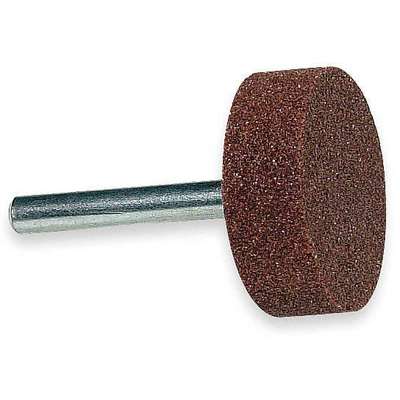
Norton 3X Series Mounted Point AA175 (60 Grit)
Medium deburring and blending on 6061 parts.
$15-$25 each
Norton 3X Series Mounted Point AA175 (60 Grit) Ceramic grain with open structure excels on aluminum, reducing loading by 70% vs. standard.
Get the App
Better experience on mobile
Master grit selection for mounted points to deburr aluminum efficiently, achieving smooth finishes without clogging or surface damage.
Struggling with gummy buildup or rough finishes when deburring aluminum? Aluminum's softness and heat sensitivity make it tricky for abrasives, leading to clogged tools, burning, or inconsistent results in aerospace, automotive, or fabrication work.
In this guide, you'll learn the science behind grit sizes, grain types, and mounted point specs optimized for aluminum. We'll break down recommendations from coarse removal to fine finishing, with pro tips for advanced users. Expect to gain actionable knowledge to cut cycle times and improve part quality—no more trial-and-error.
This advanced explainer takes 15-20 minutes to master, assuming familiarity with rotary tools and abrasives.
Estimated Time: 15-20 minutes to read and apply concepts Difficulty: advanced
Aluminum alloys like 6061 or 7075 are soft (Brinell hardness 60-95) and thermally conductive but generate gummy burrs during machining. Heat from friction causes smearing, oxidation, or melting, clogging standard abrasives.
Mounted points excel here due to their small size for precision on contours, edges, and holes. Why it matters: Wrong grit leads to excessive heat (melting at 660°C), poor chip evacuation, or aggressive material removal damaging tolerances.
Expect softer action than steel; focus on open structures to shed aluminum swarf.
💡 Tips:
⚠️ Warnings:
Mounted points consist of abrasive grain, bond (resinoid/vitrified), and mandrel (1/4" or 1/8" shank). Key specs: shape (A/cylinder, B/ball), diameter (1/4-1"), grit, grade (soft/hard).
For aluminum, prioritize friable grains (break down to self-sharpen) and open coat structure (60-80% void space) for chip clearance. Why? Aluminum loads dense bonds quickly.
Common shapes: Ball (W) for radii, cone (K) for V-grooves.
💡 Tips:
Grit is particle size: coarser (lower number, e.g., 24) removes fast but rough; finer (higher, e.g., 120) polishes smoothly. Measured in mesh (particles/inch).
For aluminum: Start coarse to break burrs, step to fine. CAMI/FEPA standards: 24=~0.8mm grain, 120=~0.125mm. Too fine clogs; too coarse gouges.
Rule: Heavy deburr 16-36 grit; medium 46-80; finish 100-180.
💡 Tips:
⚠️ Warnings:
Grain choice trumps grit sometimes. Aluminum oxide (AO): Versatile, friable for non-ferrous. Zirconia alumina (ZA): Self-sharpening, fast cut. Ceramic (SG): Premium, stays cool longest.
Avoid silicon carbide (SC)—too brittle for aluminum's ductility. Why? Ceramic reduces dressing by 50%, extends life 3x vs. standard AO.
Lubricated grains (wax-embedded) prevent loading entirely.
💡 Tips:
| Operation | Recommended Grit | RPM | Pressure |
|---|---|---|---|
| Heavy burr removal | 16-24 | 18k-25k | Medium |
| Edge blending | 36-54 | 20k-28k | Light |
| Surface finishing | 80-120 | 25k-30k | Very light |
Scale by alloy: Softer 1xxx/3xxx need finer; harder 7xxx coarser start.
💡 Tips:
⚠️ Warnings:
Optimal SFPM (surface feet/min): 4,000-6,000 for aluminum. RPM = (SFPM x 12) / (π x dia). E.g., 1/2" point at 5k SFPM = ~24k RPM.
Light pressure (2-5 lbs), 45° angle. Use wax stick or mist coolant. Why? Controls heat <200°C, prevents built-up edge.
💡 Tips:
Run trials: Measure burr height pre/post, surface roughness (Ra <32µin goal), tool wear (life >30min).
Dress point every 5-10min with SiC stick. Adjust grit if loading (go coarser/open) or scratching (finer/soft grade).
💡 Tips:
⚠️ Warnings:
Problem: Point loads/glazes quickly
Solution: Switch to coarser grit (drop 1 size), ceramic grain, or add wax lube. Dress frequently.
Problem: Burn marks or discoloration
Solution: Reduce RPM 10-20%, lighten pressure, increase lubricant. Use softer grade bond.
Problem: Vibration/poor finish
Solution: Check balance (replace bent shank), lower speed, ensure collet tightness.
Problem: Slow removal rate
Solution: Go coarser grit, firmer grade, higher SFPM. Verify tool power.
Ceramic grain with open structure excels on aluminum, reducing loading by 70% vs. standard.
Best for: Medium deburring and blending on 6061 parts.
Price Range: $15-$25 each
Lubricated zirconia for gummy aluminum, self-sharpening with cool cutting.
Best for: Heavy burr removal on castings or forgings.
Price Range: $12-$20
Precision-shaped ceramic for fast stock removal and fine finish in one step.
Best for: Finishing aerospace aluminum with tight tolerances.
Price Range: $30-$50/pack of 10
Versatile kit with non-ferrous optimized points for progression grinding.
Best for: Full deburr-to-polish workflow on prototypes.
Price Range: $40-$60/kit
Medium deburring and blending on 6061 parts.
Norton 3X Series Mounted Point AA175 (60 Grit) Ceramic grain with open structure excels on aluminum, reducing loading by 70% vs. standard.
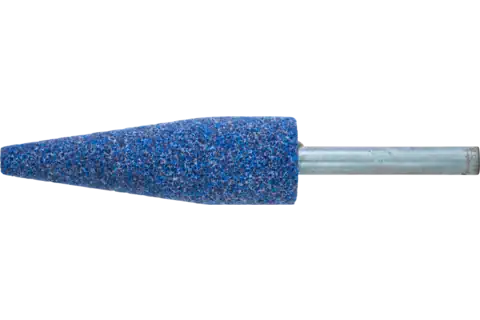
Heavy burr removal on castings or forgings.
PFERD E K-LX36 Mounted Point (36 Grit) Lubricated zirconia for gummy aluminum, self-sharpening with cool cutting.
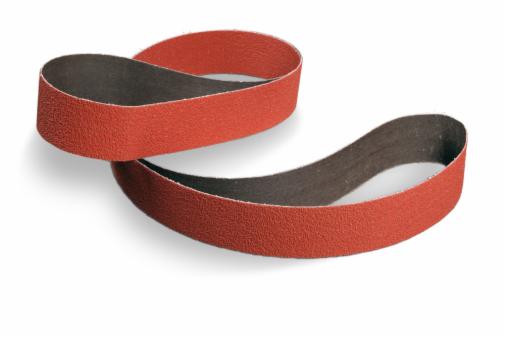
Finishing aerospace aluminum with tight tolerances.
3M Cubitron II 984F Mounted Point (80 Grit) Precision-shaped ceramic for fast stock removal and fine finish in one step.
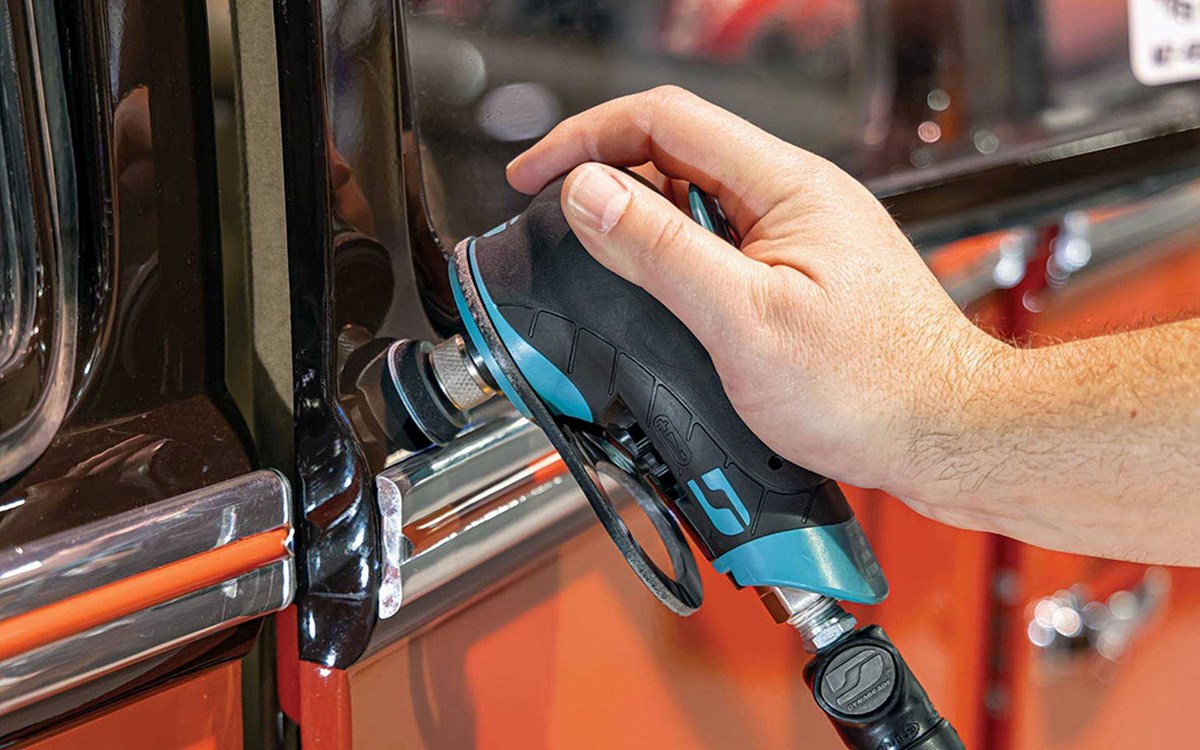
Full deburr-to-polish workflow on prototypes.
Dynabrade 95346 Mounted Point Set (24-120 Grit Mix) Versatile kit with non-ferrous optimized points for progression grinding.