Prepping automotive paint is crucial—using the wrong grit can lead to sanding marks, burn-through, or poor adhesion, ruining hours of work and costing you in rework. Many DIYers and even pros struggle with grit choices, resulting in orange peel, holograms, or adhesion failures.
In this guide, you'll learn the grit system, ideal abrasives for each prep stage (filler, primer, paint), and how to select wet/dry options for intermediate-level results. Expect clear breakdowns, real-world examples, and tips to save time and materials.
No hands-on practice needed upfront; reading takes 20 minutes, but applying to a panel might take 1-2 hours depending on size.
▸What You'll Need
- •Dual-action (DA) polisher or orbital sander (required for efficiency)
- •Wet sanding setup: spray bottle with soapy water, sanding block (required for wet sanding)
- •Assorted grit sandpaper: 80-400 coarse, 600-1500 medium-fine, 2000+ ultra-fine (required)
- •Microfiber towels and isopropyl alcohol (for cleaning)
- •Safety gear: gloves, respirator, eye protection (required)
- •Prerequisite knowledge: basic sanding technique and paint system basics (intermediate level)
Estimated Time: 20-30 minutes to read; 1-2 hours for hands-on panel prep
Difficulty: intermediate
▸Step-by-Step Instructions
Step 1: Understand the Grit Numbering System
Grit refers to abrasive particle size—the lower the number (e.g., 80 grit), the coarser and more aggressive the cut; higher numbers (e.g., 3000 grit) are finer for polishing.
Analogy: Think of grit like sandpaper teeth: 80 grit is shark teeth for heavy removal, 2000 grit is baby teeth for smoothing. Automotive grits range from P80 (coarse) to P5000 (ultra-fine), standardized by FEPA (P-scale) or CAMI systems.
Why it matters: Wrong grit skips stages, causing deep scratches that show through paint layers. Expect visible scratch patterns decreasing in depth as grit increases.
💡 Tips:
- •Memorize the 'double rule': Jump no more than double grit (e.g., 400 to 800, not 400 to 2000).
⚠️ Warnings:
- •Avoid CAMI vs. FEPA mix-ups—P800 FEPA ≈ 1000 CAMI.
Step 2: Grits for Body Filler Sanding
Start with body filler (Bondo): Use P80-P180 for initial shaping to remove high spots quickly.
Progress to P220-P320 for smoothing before priming. Example: On a dent repair, P80 hoggs off excess filler fast, but switch to P320 to avoid dig marks.
This stage removes material aggressively without feathering edges prematurely. Expect filler to flatten evenly with minimal dust if using a block.
💡 Tips:
- •Use 6x9" sheets on a hard sanding block for flatness.
Step 3: Grits for Primer Surfacer Sanding
For high-build primer: P320-P400 initial cut, then P600 for final guide coat sanding.
Why: Primer builds thickness (4-6 mils); coarse grits level imperfections, finer ones create tooth for base coat adhesion. Guide coat (black mist spray) reveals highs/lows—sand until it disappears.
Common in pro shops; expect a uniform dull surface ready for paint.
⚠️ Warnings:
- •Don't sand primer thinner than 2 mils—measure with a mil gauge.
Step 4: Grits for Base Coat or Single-Stage Paint
Rarely sand base, but if dust nibs: P1500-P2000 wet to spot-repair.
For single-stage (urethane): P800-P1200 dry to knock down orange peel lightly. Analogy: Like shaving whiskers—fine enough not to remove color.
Goal: Minimal removal for adhesion or defect fix; inspect under bright light.
💡 Tips:
- •Dry sand base only if experienced—wet is safer.
Step 5: Grits for Clear Coat Sanding and Buff Prep
Post-clear application: Wait 24+ hours, then P1500-P2000 wet for heavy orange peel, P3000-P5000 for light buffing prep.
Why it matters: Creates uniform scratch pattern for compounding. Example: P1500 cuts fast on 2K clear, progressing to P3000 halves scratch size.
Expect glossy after buffing; this is where holograms start if grit skipped.
⚠️ Warnings:
- •Never dry sand thick clear—risk burn-through.
Step 6: Choose Wet vs. Dry Sanding
Dry: Coarse grits (P80-P600) for speed, less mess on filler/primer.
Wet: P800+ for paint/clear—lubricates, reduces heat/clogging. Pro tip: Use flow-through DA for wet (e.g., Rupes or Flex).
Hybrid common; wet minimizes dust swirl marks.
💡 Tips:
- •Add dish soap to water for wet sanding to reduce hydroplaning.
Step 7: Inspect and Progress Grits Properly
After each grit, wipe clean with IPA/towel, inspect under halogen light.
Rule: Scratches from prior grit must be fully removed before next. Analogy: Like ladder rungs—miss one, whole climb fails.
Final: P3000+ surface should feel slick, no visible lines.
⚠️ Warnings:
- •Skipping grits = buffer nightmares later.
▸Pro Tips
- •Always 'feather' edges: Blend into surrounding area with finer grit.
- •Use a soft interface pad on DA for curved panels to avoid gouges.
- •Buy sheets/discs in bulk—cheaper and consistent.
- •Practice on scrap metal first to feel grit progression.
- •Label grits on storage bins to avoid mix-ups.
- •For speed: P400 to P800 skip on primer if flat.
- •Micro-mesh for final polish prep over P3000.
▸Common Mistakes to Avoid
- •Skipping grit progression: Causes visible scratches under clear—always double grit.
- •Dry sanding clear coat: Leads to heat cracks—switch to wet at P1000+.
- •Using power tools on filler without block: Creates waves—hand sand flats first.
- •Ignoring dust extraction: Clogs paper fast—use shop vac.
- •Sanding too aggressively on paint: Burn-through—light pressure only.
▸Troubleshooting
Problem: Sanding marks visible after paint
Solution: Re-sand with next grit sequence (e.g., add P2000 step), then re-prime/paint.
Problem: Paper clogs quickly
Solution: Switch to premium anti-clog (Hookit Gold), rinse often if wet.
Problem: Swirl marks or holograms post-buff
Solution: Insufficient final grit—go to P5000 wet, then compound lightly.
Problem: Burn-through on clear
Solution: Stop power sanding, hand wet sand P3000+; repaint if deep.
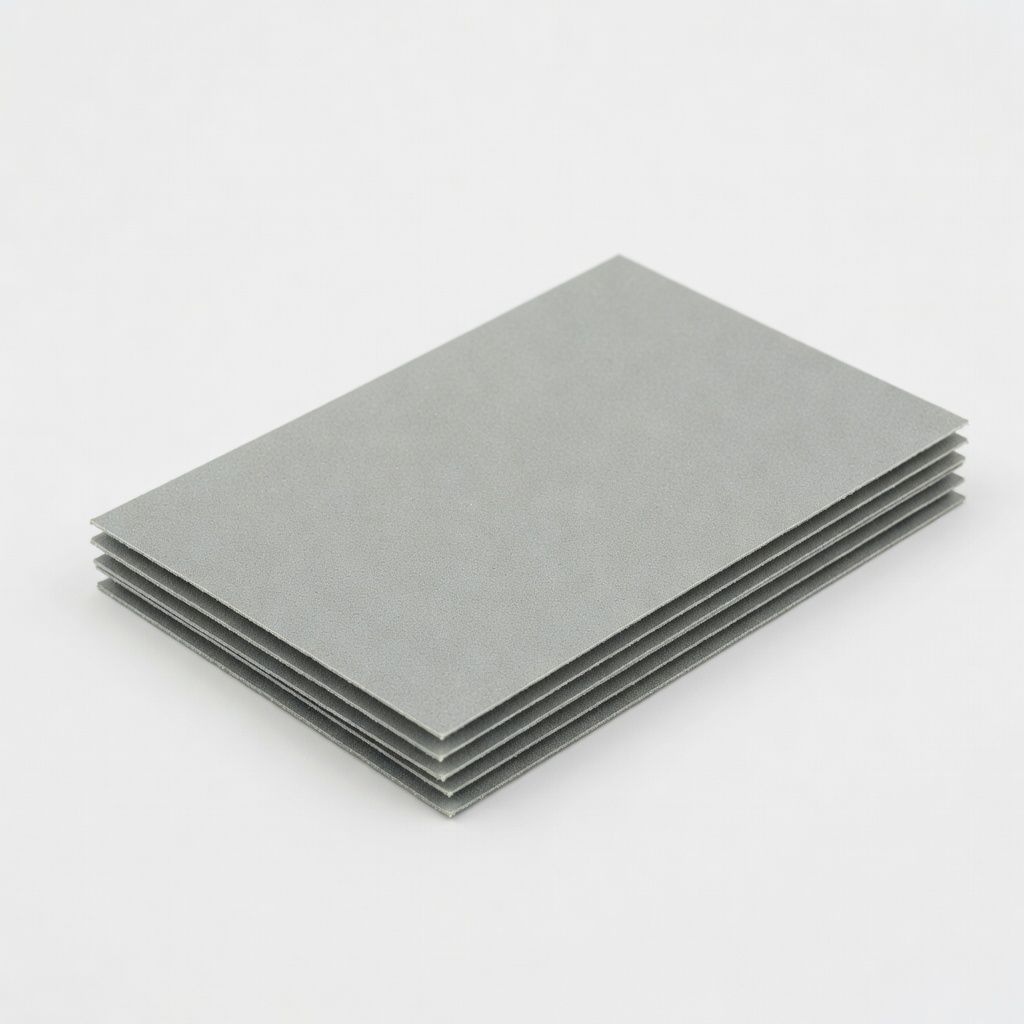
3M 33489 Wetordry Automotive Sandpaper 1000 Grit (5 sheets)
Premium silicon carbide for wet/dry primer and clear sanding; cuts fast without loading.
Best for: Mid-stage primer surfacing or initial clear orange peel removal.
Price Range: $10-15
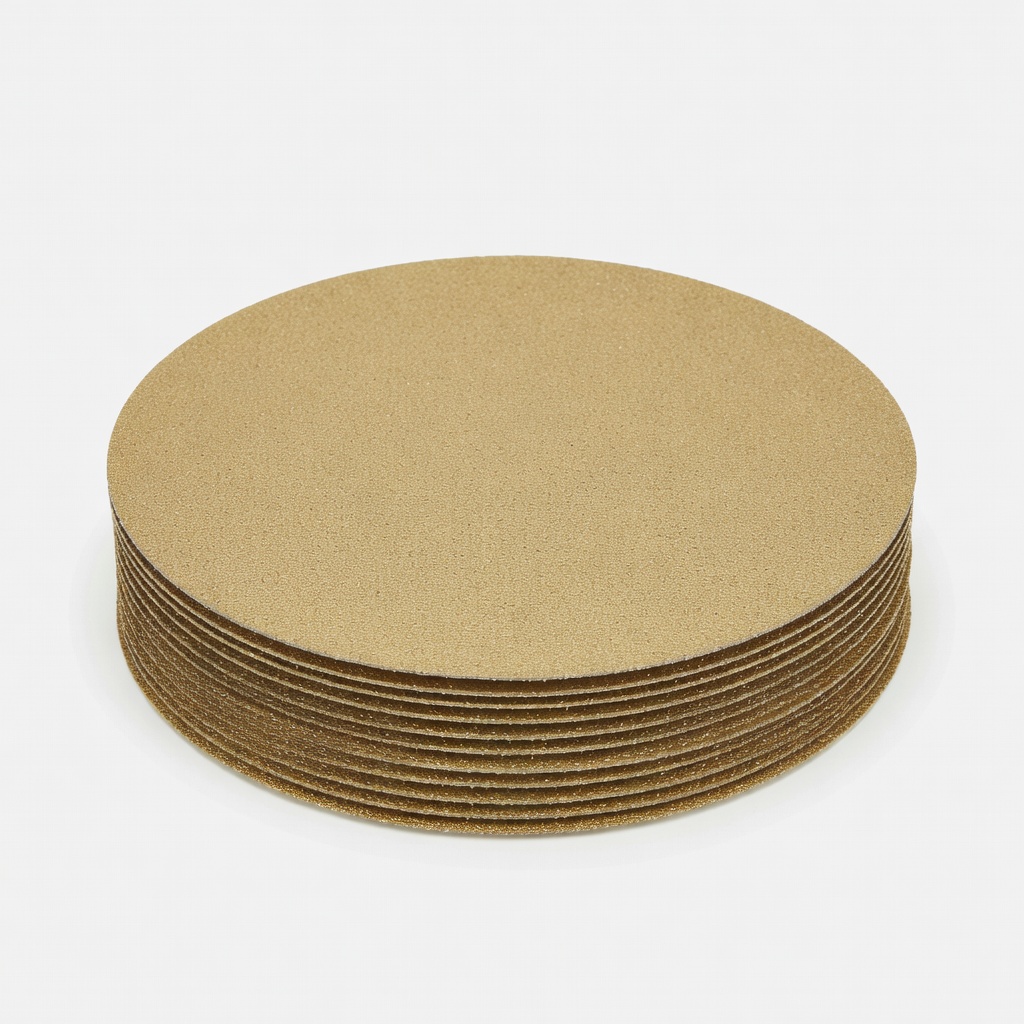
3M 051141-73487 Perfect-It Gold 800 Grit Discs (10 pack, 6")
Hookit attachment for DA sanders; consistent cut on primer with anti-clog tech.
Best for: Heavy primer leveling on large panels.
Price Range: $25-35
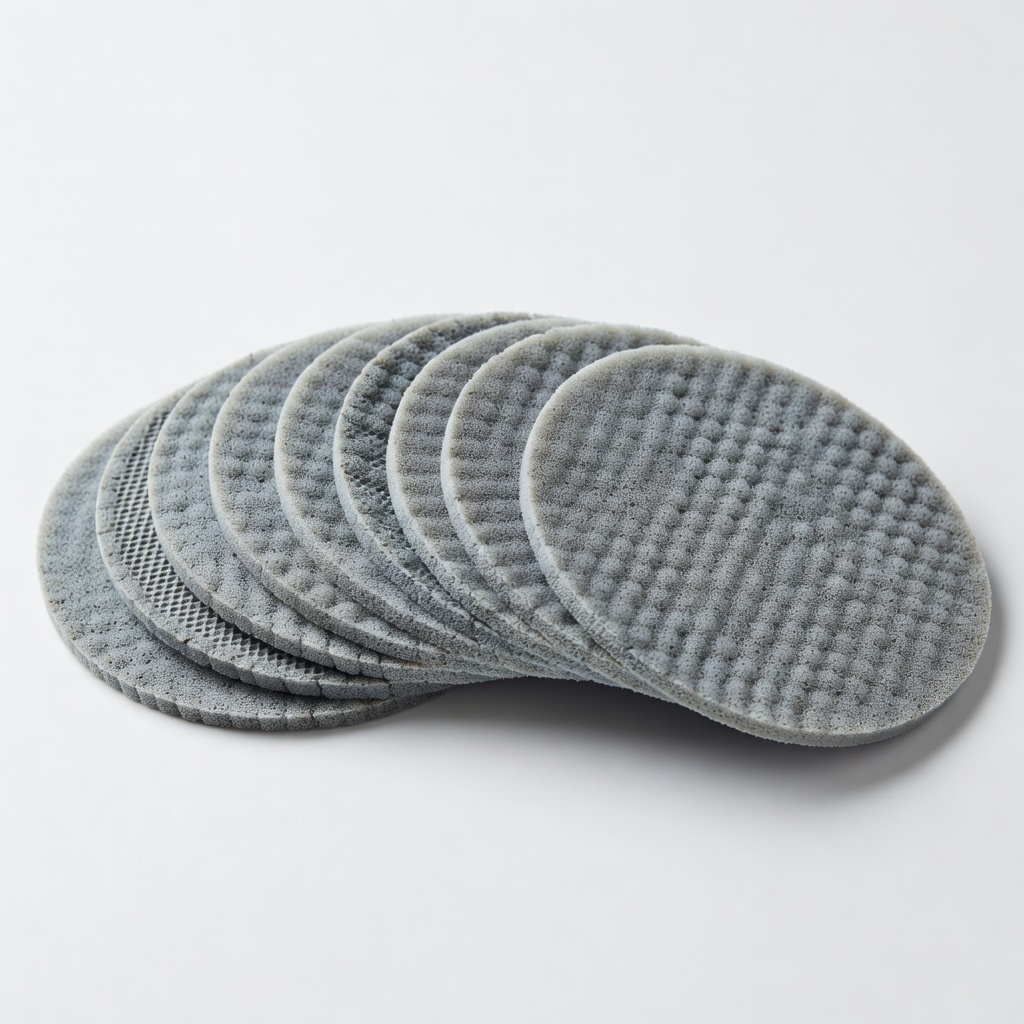
Mirka Abralon P1500 Discs 6" (10 pack)
Foam-backed for conformal sanding; ideal for curved clear coat without marring.
Best for: Final buff prep on clear or spot repairs.
Price Range: $30-40
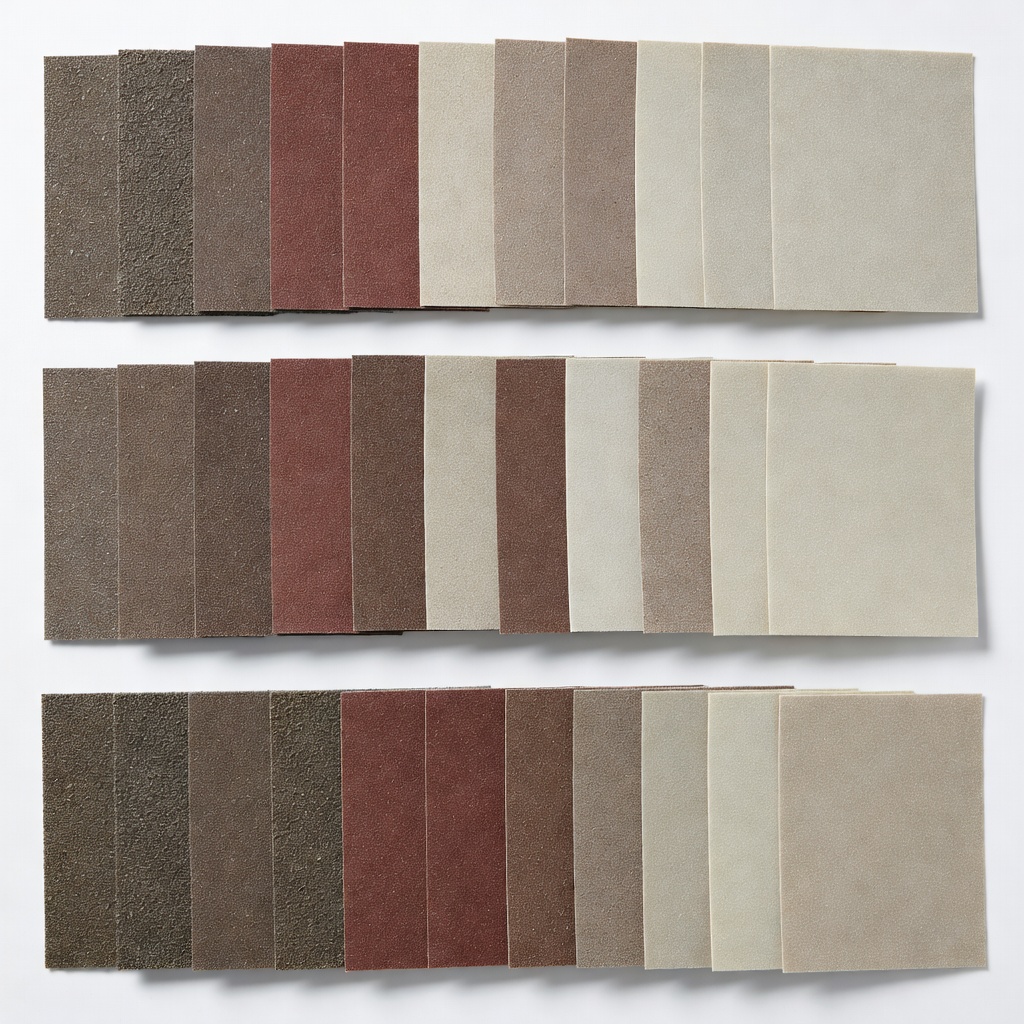
Speedmaster 32PCS Sandpaper Assortment (80-3000 Grit)
Budget starter kit with progression grits; waterproof for all stages.
Best for: Full body panel prep for DIYers testing grits.
Price Range: $20-25
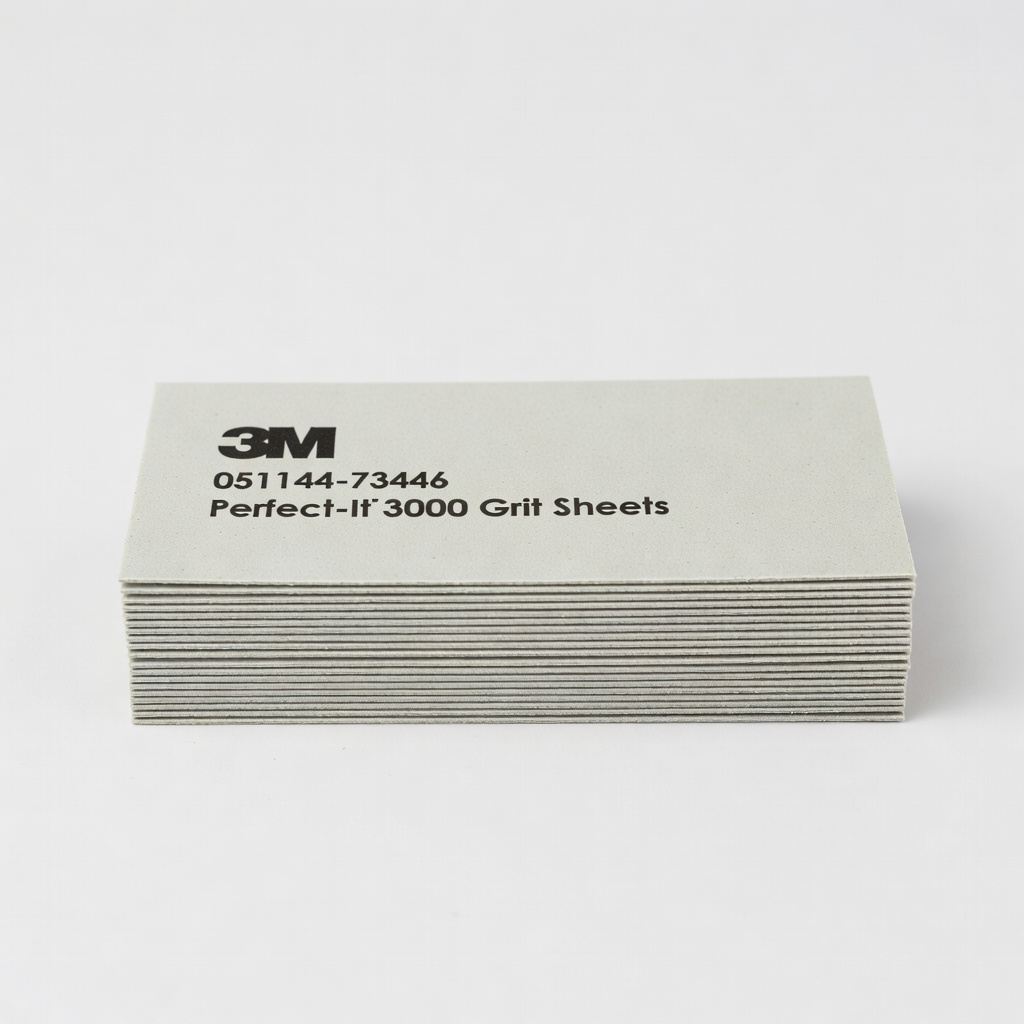
3M 051144-73446 Perfect-It 3000 Grit Sheets
Ultra-fine for swirl-free buffing prep; pro-grade durability.
Best for: Final sanding before compounding new clear.
Price Range: $15-20