
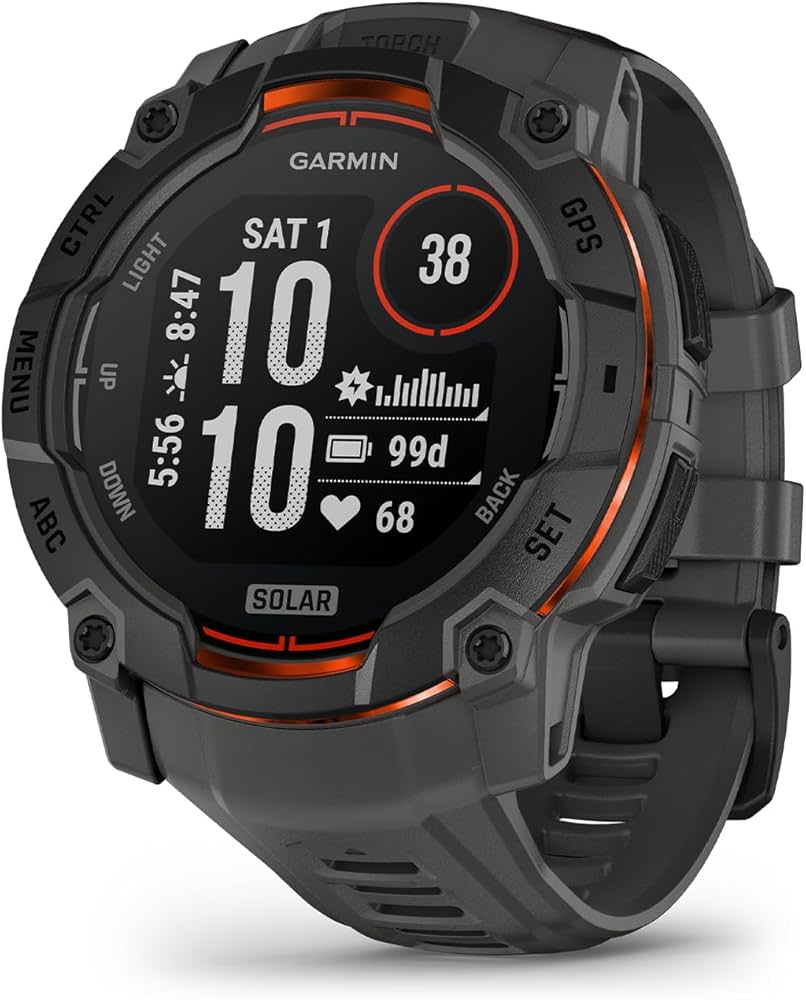
Garmin Fenix 7X Solar
Multi-day backpacking with navigation needs.
$750-$900
Garmin Fenix 7X Solar Unmatched 122-hour GPS battery with solar, multi-GNSS, topo maps, and MIL-STD durability—gold standard for epic hikes.
Get the App
Better experience on mobile
Learn key features like battery life, durability, and navigation that make top GPS trackers shine on trails, plus expert picks.
Hiking enthusiasts know the thrill of exploring remote trails, but getting lost, dead batteries, or inaccurate tracking can turn adventure into ordeal. With so many GPS activity trackers on the market, choosing one that excels in hiking means prioritizing ruggedness, long battery, and precise navigation over gym-focused metrics.
In this guide, you'll discover the essential features that define hiking-ready GPS trackers, how they work with real-world examples, and top recommendations tailored for intermediate hikers. Whether you're doing day hikes or multi-day treks, you'll learn to evaluate trackers like a pro—no prior expertise needed, just 15 minutes to read.
Expect clear breakdowns, analogies (like comparing GPS to a trail map on steroids), and actionable advice to pick a tracker that keeps you safe and motivated on the mountain.
Estimated Time: 15-20 minutes Difficulty: intermediate
Hiking often means dense forests or canyons where standard GPS struggles. Top trackers use multi-GNSS (GPS, GLONASS, Galileo) for pinpoint accuracy within 3-5 meters, like having multiple scouts confirming your position.
Why it matters: Prevents wrong turns on unmarked trails. Expect seamless lock-on even under canopy—test by comparing signal strength in apps.
Image description: Side-by-side map showing weak single-GNSS vs. precise multi-GNSS trail tracking.
💡 Tips:
⚠️ Warnings:
Nothing kills a hike like a dead tracker at dusk. Excel trackers offer 50-100+ hours in GPS mode, with solar options extending to weeks—think endless power like a camel's hump for your wrist.
Solar charging adds 20-50% daily in sunlight, ideal for multi-day trips. Real-world: Garmin models hit 120 hours tested on thru-hikes.
💡 Tips:
Trails bash devices with rocks, rain, and drops. Look for MIL-STD-810 certified (military-grade shock/thermal) and 10 ATM water resistance—survives 100m submersion like a submarine watch.
Why: Ensures reliability in storms or falls. Fiber-reinforced polymer cases weigh under 70g yet tank abuse.
⚠️ Warnings:
Phone GPS guesses height poorly (±50m error); barometric altimeters measure air pressure for ±10m accuracy, tracking ascents/descents like a mini weather station.
Vital for calorie burn, VO2 max, and storm warnings. Analogy: GPS is your compass; altimeter is your elevation map.
💡 Tips:
No cell service on peaks? Top trackers preload topo maps (e.g., 32GB storage) with breadcrumb trails and route imports from apps like Gaia GPS.
Features like ClimbPro show upcoming hills. Expect auto-rerouting if off-path.
Heavy watches fatigue wrists on 20-mile days. Hiking excels pick 40-70g titanuim/fiber builds—feels like nothing, tracks everything.
Balance with big screens (1.4") for map readability.
💡 Tips:
Beyond tracking, look for fall detection, SOS via satellite (no phone needed), and recovery time—helps plan safe hikes.
HRV stress and acclimation track altitude effects.
⚠️ Warnings:
Problem: Poor GPS signal in trees/canyons
Solution: Switch to multi-GNSS or dual-frequency mode; wait 30s for lock. Move to open sky.
Problem: Faster battery drain than expected
Solution: Disable always-on display, Bluetooth; use GPS-only mode. Clean solar lens.
Problem: Inaccurate elevation
Solution: Calibrate barometer at known altitude via app; avoid during weather changes.
Problem: Maps not loading
Solution: Pre-download regions offline; ensure 50%+ storage free.
Unmatched 122-hour GPS battery with solar, multi-GNSS, topo maps, and MIL-STD durability—gold standard for epic hikes.
Best for: Multi-day backpacking with navigation needs.
Price Range: $750-$900
Rugged unlimited solar GPS tracking, lightweight (53g), baro altimeter—perfect balance for day-to-thru hikes.
Best for: Budget-conscious intermediate hikers wanting indestructibility.
Price Range: $350-$450
140-hour GPS battery, sapphire screen, offline maps, dual-frequency GPS—excels in extreme altitude/terrain.
Best for: High-altitude or technical hikes needing precision.
Price Range: $600-$700
Affordable rugged beast with 20-day battery, 10 ATM, solar, and AI navigation—great entry to hiking tracking.
Best for: Value seekers on rugged day hikes.
Price Range: $200-$250
Precision dual-frequency GPS, 36-hour GPS (60+ low power), satellite SOS—seamless for iPhone users.
Best for: Connected hikes with ecosystem integration.
Price Range: $750-$800
Multi-day backpacking with navigation needs.
Garmin Fenix 7X Solar Unmatched 122-hour GPS battery with solar, multi-GNSS, topo maps, and MIL-STD durability—gold standard for epic hikes.
Budget-conscious intermediate hikers wanting indestructibility.
Garmin Instinct 2 Solar Rugged unlimited solar GPS tracking, lightweight (53g), baro altimeter—perfect balance for day-to-thru hikes.
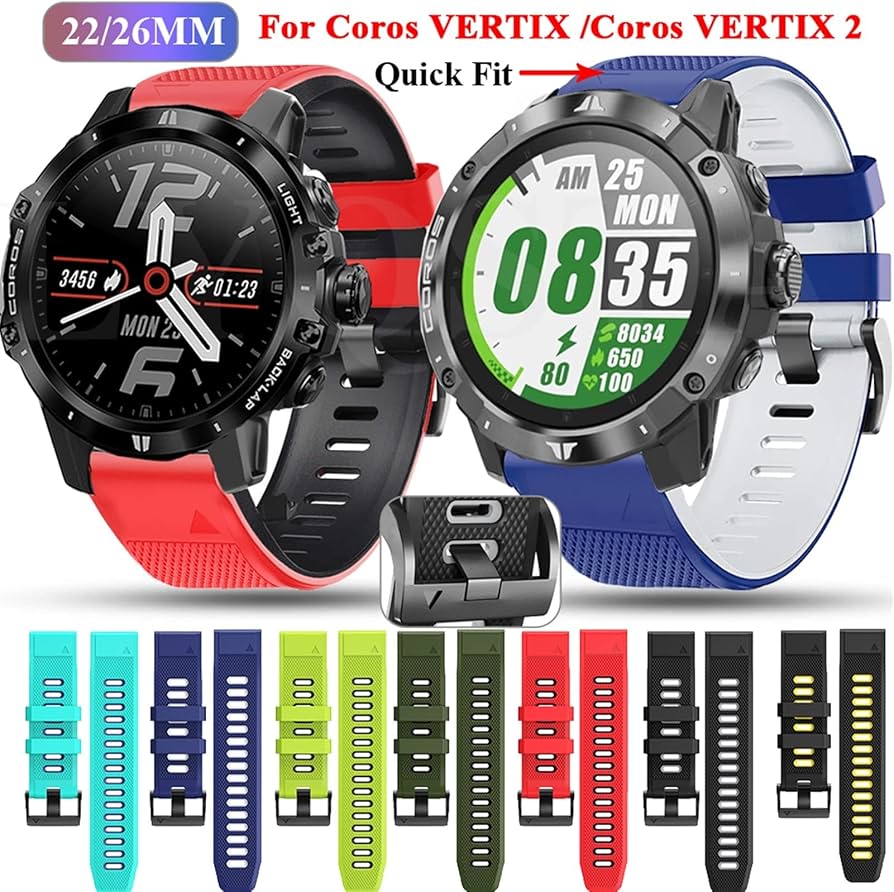
High-altitude or technical hikes needing precision.
Coros Vertix 2 140-hour GPS battery, sapphire screen, offline maps, dual-frequency GPS—excels in extreme altitude/terrain.
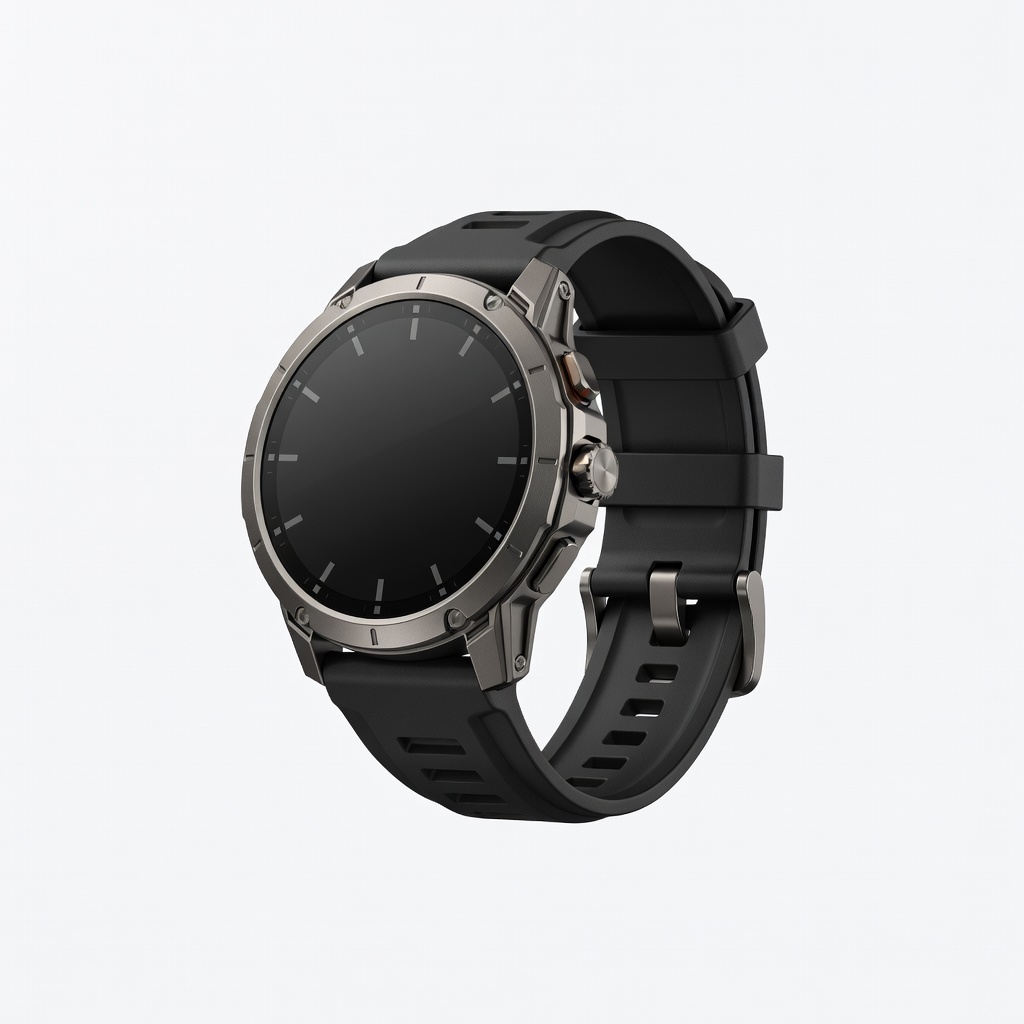
Value seekers on rugged day hikes.
Amazfit T-Rex Ultra Affordable rugged beast with 20-day battery, 10 ATM, solar, and AI navigation—great entry to hiking tracking.
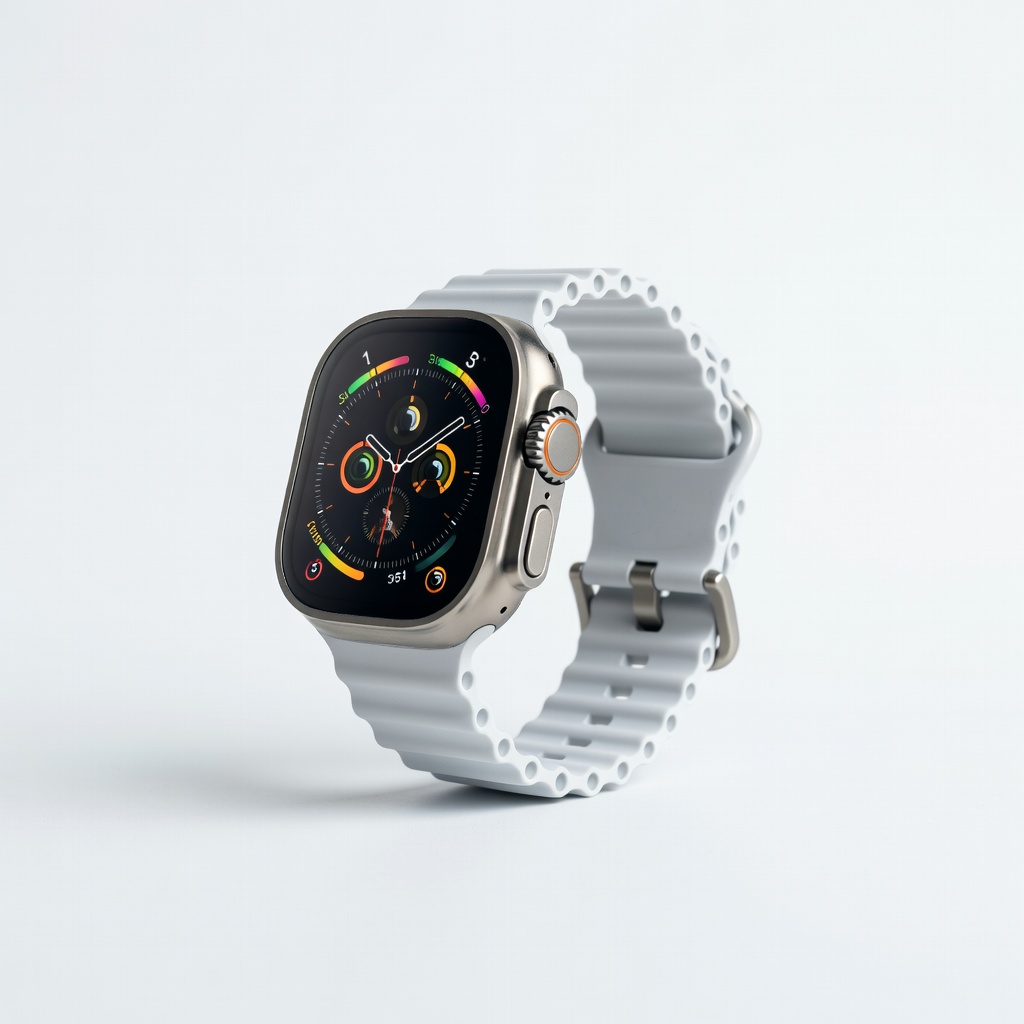
Connected hikes with ecosystem integration.
Apple Watch Ultra 2 Precision dual-frequency GPS, 36-hour GPS (60+ low power), satellite SOS—seamless for iPhone users.