If you're a beginner strumming your acoustic guitar, sore fingers or buzzing strings can kill the fun. Choosing the right string gauge makes all the difference—lighter strings are easier on your hands for endless strumming sessions, while offering bright tone without fatigue.
In this guide, you'll understand string gauges (thickness), pros/cons for strumming, and personalized recommendations. No more guesswork: pick the perfect set in minutes and play like a pro.
Expect a quick read (10 minutes) with simple explanations—no technical jargon overload. By the end, you'll confidently restring your guitar for better sound and comfort.
▸What You'll Need
- •Your acoustic guitar
- •Basic knowledge of guitar tuning (or a clip-on tuner)
- •String clippers or wire cutters (optional for changing strings)
- •String winder (optional, speeds up restringing)
Estimated Time: 10-15 minutes to read and choose
Difficulty: beginner
▸Step-by-Step Instructions
Step 1: Understand What String Gauge Means
String gauge refers to the thickness of guitar strings, measured in thousandths of an inch (e.g., .012 for the high E string). Thinner strings (lower numbers like .012-.053 set) are 'light gauge,' while thicker ones (.013-.056) are 'medium' or 'heavy.'
For strumming, gauge affects playability: lighter = easier bending/strumming with less finger pressure; heavier = louder volume but harder on hands. Think of it like bike tires—thinner for speed (easy play), thicker for stability (powerful tone).
Why it matters for beginners: Wrong gauge leads to pain or poor tone. Most acoustics ship with light-medium gauges.
💡 Tips:
- •Check your current strings' gauge printed on the pack or bridge.
- •Gauge sets are labeled by thinnest/thickest (e.g., 12s = .012-.053).
Step 2: Explore Light Gauge Strings (.010-.047 to .012-.053)
Best for strumming beginners. These are easiest to press and strum—perfect for rhythm playing without hand cramps. They produce bright, balanced tone with good projection.
Pros: Low tension reduces fatigue; faster chord changes; less buzzing on well-set-up guitars. Cons: Slightly less volume/sustain than heavier.
Example: Great for folk, pop strumming. 80% of players start here.
💡 Tips:
- •Ideal if your fingers hurt after 10 minutes.
⚠️ Warnings:
- •May buzz on low-action guitars—setup tweak needed.
Step 3: Consider Medium Gauge Strings (.013-.056)
A step up for more volume and richer tone. Still strum-friendly for intermediates but firmer feel.
Pros: Better bass response, longevity; holds tune well. Cons: More finger pressure needed—can tire beginners.
Strumming sweet spot: If you want punchier sound without extremes.
💡 Tips:
- •Try if light feels 'floppy' after upgrading skills.
Step 4: Skip Heavy Gauge Unless Advanced (.014+)
Thickest strings for max volume/bass, like fingerstyle blues or loud stages.
Pros: Huge sustain, minimal breakage. Cons: Hard to strum—high tension strains wrists/fingers; not beginner-friendly.
For strumming? Rare—only if your guitar has high action and you love classical feel.
⚠️ Warnings:
- •Can warp necks on cheap guitars.
Step 5: Factor in Your Playing Style and Guitar
Strumming favors light gauge (.012) for speed/comfort. Assess:
- •Small hands/low action? Light.
- •Bigger sound needed? Medium.
- •Guitar age/type: Newer acoustics handle light best; vintage may need medium.
Test: Strum current strings—if painful, go lighter.
💡 Tips:
- •Match gauge to genre: Folk/pop = light; rock/country = medium.
Step 6: Change and Test Your Strings
Buy a set, remove old strings (loosen, clip), install new via tuning posts. Tune to standard (EADGBE), stretch strings by pulling gently.
Play 30 mins: Check comfort, tone, buzz. Adjust if needed.
Pro result: Bright strums, no pain.
💡 Tips:
- •Clean fretboard while restringing for best feel.
▸Pro Tips
- •Start with phosphor bronze for warm strumming tone.
- •Coated strings (e.g., Elixir) last 3-5x longer, less corrosion.
- •Stretch new strings 3-4 times while tuning to stabilize.
- •Use lighter picks (0.6mm) with light strings for smoother strums.
- •Hybrid sets (.011-.052) blend light top/heavy bottom for balance.
- •Check truss rod after switching gauges—pro luthier if unsure.
- •Buy multi-packs for experimenting without waste.
▸Common Mistakes to Avoid
- •Using heavy strings on beginner guitars—causes pain and setup issues; stick to light.
- •Ignoring guitar setup—light strings buzz on high action; get a pro setup ($50).
- •Not stretching new strings—leads to constant retuning; pull each string 4x.
- •Matching electric gauges—acoustics need bronze/80/20, not nickel.
- •Overlooking hand size—small hands + medium = cramps; test light first.
▸Troubleshooting
Problem: Strings buzz when strumming
Solution: Switch to medium gauge or raise action at a shop. Check nut/bridge slots.
Problem: Fingers hurt after 5 minutes
Solution: Go lighter gauge (.011 or .010 sets) and build calluses gradually.
Problem: Dull tone or fast breakage
Solution: Upgrade to coated phosphor bronze; change every 1-3 months.
Problem: Guitar won't stay in tune
Solution: Stretch strings properly; use locking tuners if persistent—seek luthier.
Elixir Nanoweb Phosphor Bronze Light .012-.053
Top-rated coated strings for strumming—smooth feel, long life (3-5x uncoated), bright tone without finger squeaks.
Best for: Daily beginner strumming; reduces corrosion in humid areas.
Price Range: $16-$18
D'Addario EJ16 Phosphor Bronze Light .012-.053
Affordable, balanced tone with easy playability—consistent quality for rhythm strumming.
Best for: Budget beginners wanting pro sound without coatings.
Price Range: $6-$8
Ernie Ball Earthwood 80/20 Bronze Light .011-.052
Extra light for ultra-easy strumming; bright, punchy tone great for folk/pop.
Best for: Small hands or sore fingers—quick chord work.
Price Range: $6-$7
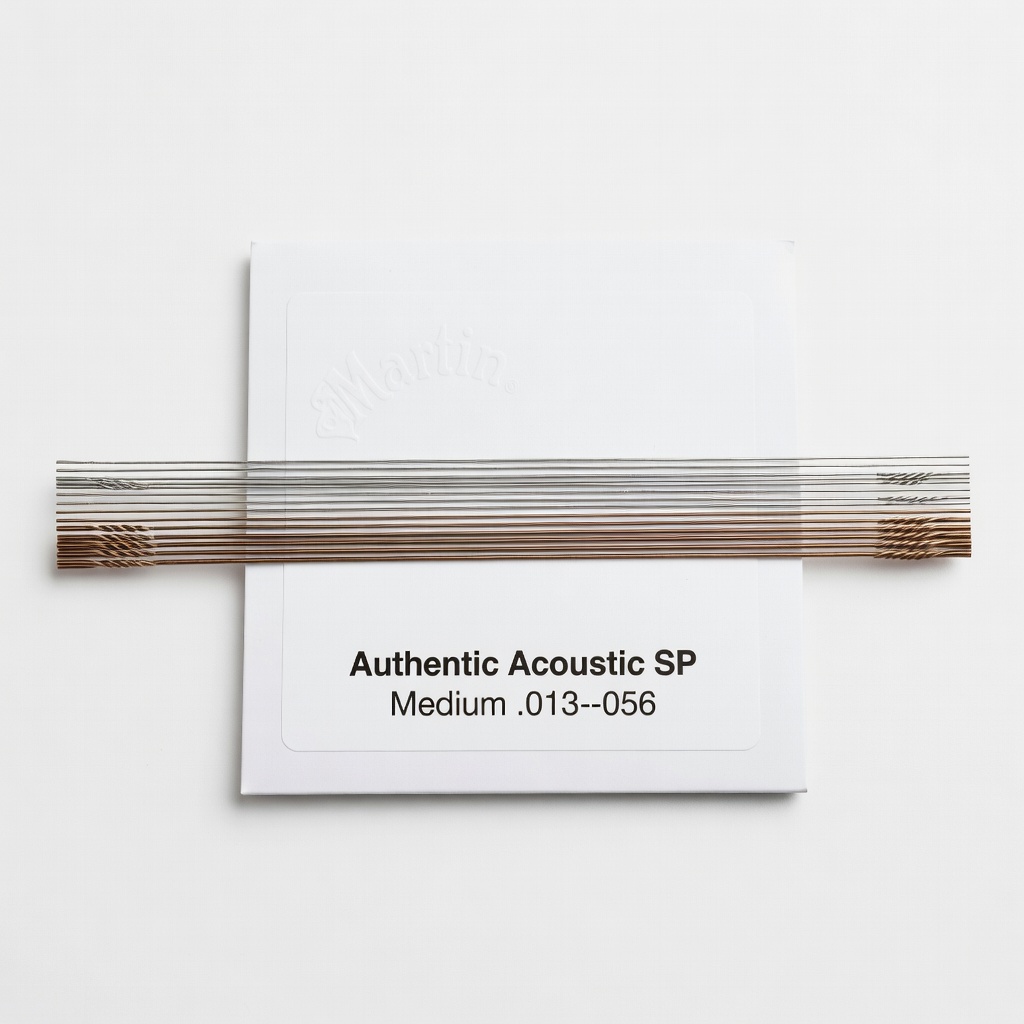
Martin Authentic Acoustic SP Medium .013-.056
Authentic Martin tone with more volume; durable for frequent strummers.
Best for: Upgrading from light for fuller sound on steel-string acoustics.
Price Range: $5-$7