Choosing the wrong finishing products for abrasive primers can lead to peeling paint, fisheyes, or poor durability, costing you time and money on rework. Abrasive primers—also called sanding or high-build primers—are designed for filling imperfections and creating a smooth base that you sand before topcoating.
In this guide, you'll learn the key compatibility rules, ideal product pairings, and application sequences for flawless results. Whether you're refinishing auto body panels, furniture, or metalwork, these insights will help intermediate DIYers and pros alike. Expect to grasp the concepts in 15-20 minutes, with actionable advice you can apply immediately.
We'll break it down from basics to pro tips, focusing on chemical compatibility (e.g., urethane with urethane) to avoid common pitfalls.
▸What You'll Need
- •Basic knowledge of surface preparation and sanding techniques
- •Safety gear: respirator, gloves, eye protection
- •Test panels or scrap material for compatibility trials
- •Spray equipment or brushes (depending on product)
- •Sanding blocks and grits (220-400)
- •Optional: digital hygrometer for humidity checks
Estimated Time: 15-20 minutes to read; 1-2 hours for initial testing
Difficulty: intermediate
▸Step-by-Step Instructions
Step 1: Understand Abrasive Primers
Abrasive primers are thick, sandable coatings applied over bare metal, wood, or filler to level imperfections. Unlike smooth primers, they're formulated to be aggressively sanded (e.g., with 220-400 grit) for a flawless base.
Why it matters: Proper sanding exposes fresh primer for mechanical bonding with topcoats. Common types include 2K urethane (durable, chemical-resistant) and acrylic lacquer (fast-drying, easier sanding). Expect a milky or gray finish that sands to a fine scratch pattern.
Analogy: Think of it as spackle for cars—build it up, sand it down, then paint.
💡 Tips:
- •Choose primers rated for your substrate (metal vs. wood).
Step 2: Grasp Why Pairing Matters
Finishing products must chemically match the primer's base (solvent, waterborne, urethane) to prevent lifting or cracking. Mismatched pairings dissolve the primer during application.
Key principle: 'Like bonds with like.' Urethane primers pair with urethane finishes; lacquer with lacquer. This ensures adhesion, flexibility, and UV resistance. Expect topcoats to 'bite' into scuffed primer for a monolithic layer.
⚠️ Warnings:
- •Never top urethane primer with lacquer—it will wrinkle.
Step 3: Evaluate Compatibility Factors
Check solvent sensitivity, cure time, and flexibility. Test by spraying a small topcoat area over cured, sanded primer and observe for 24 hours.
Factors: Dry times (wait 1-4 hours post-sanding), temperature (60-80°F), humidity (<60%). Urethane primers need 2K isocyanate sealers; lacquer uses nitrocellulose sealers.
💡 Tips:
- •Read TDS (Technical Data Sheets) for 'topcoat compatibility' lists.
Step 4: Pair with Sealers
Sealers isolate the primer and promote topcoat adhesion. Use 2K urethane sealers over urethane abrasive primers (e.g., U-POL Speed.tec).
Apply 1-2 medium coats, sand lightly with 400 grit. Why: Prevents bleed-through and adds flexibility. Expect a satin sheen ready for basecoat.
Step 5: Select Basecoats
Waterborne or solvent basecoats pair best—avoid oil-based. For urethane primers, use 1K or 2K acrylic base (e.g., PPG DBC).
2-3 coats, flash between. Provides color and UV protection.
💡 Tips:
- •Match sheen level to final clear coat.
Step 6: Finish with Clear Coats
2K urethane clear coats are ideal over abrasive primer stacks (e.g., SprayMax 2K Clear). Apply 3-4 coats for depth and gloss.
Why: High solids for durability, chemical resistance. Full cure in 7 days.
⚠️ Warnings:
- •Don't rush—undertaking causes haze.
Step 7: Follow the Application Sequence
Sequence: Prime → Dry/Sand → Seal → Base → Clear → Polish. Total layers: 4-6 mils dry film thickness.
Test full stack on scrap for real-world results.
Step 8: Test for Real-World Success
Apply pairings to test panels, flex test, and solvent rub. Success: No lifting after 48 hours.
▸Pro Tips
- •Always scuff sand between coats for mechanical key.
- •Use a tack rag post-sanding to remove dust nibs.
- •Work in 70°F, low humidity for fastest cure.
- •Thin products per TDS for even flow-out.
- •Add flex agent to primers on flexible parts.
- •Polish with 1500-grit then compound for mirror finish.
- •Batch mix 2K products to avoid waste.
▸Common Mistakes to Avoid
- •Skipping compatibility tests—leads to rework; always test first.
- •Topcoating too soon—causes solvent pop; wait full flash time.
- •Wrong grit sanding—too coarse scratches finish; use progressive grits.
- •Ignoring substrate—wood needs flexible primers; metal doesn't.
- •Overbuilding primer—cracks on flex; keep under 6 mils.
▸Troubleshooting
Problem: Topcoat lifting or wrinkling
Solution: Resand primer deeper, use compatible sealer, or switch to same-chemistry topcoat. Check cure time.
Problem: Fisheyes or craters
Solution: Clean surface with wax/grease remover. Add fisheye eliminator to topcoat.
Problem: Orange peel texture
Solution: Thin more, increase air pressure, apply warmer coats. Sand and recoat.
Problem: Poor gloss or haze
Solution: Allow full 24-hour cure before polishing. Use high-solids clear.
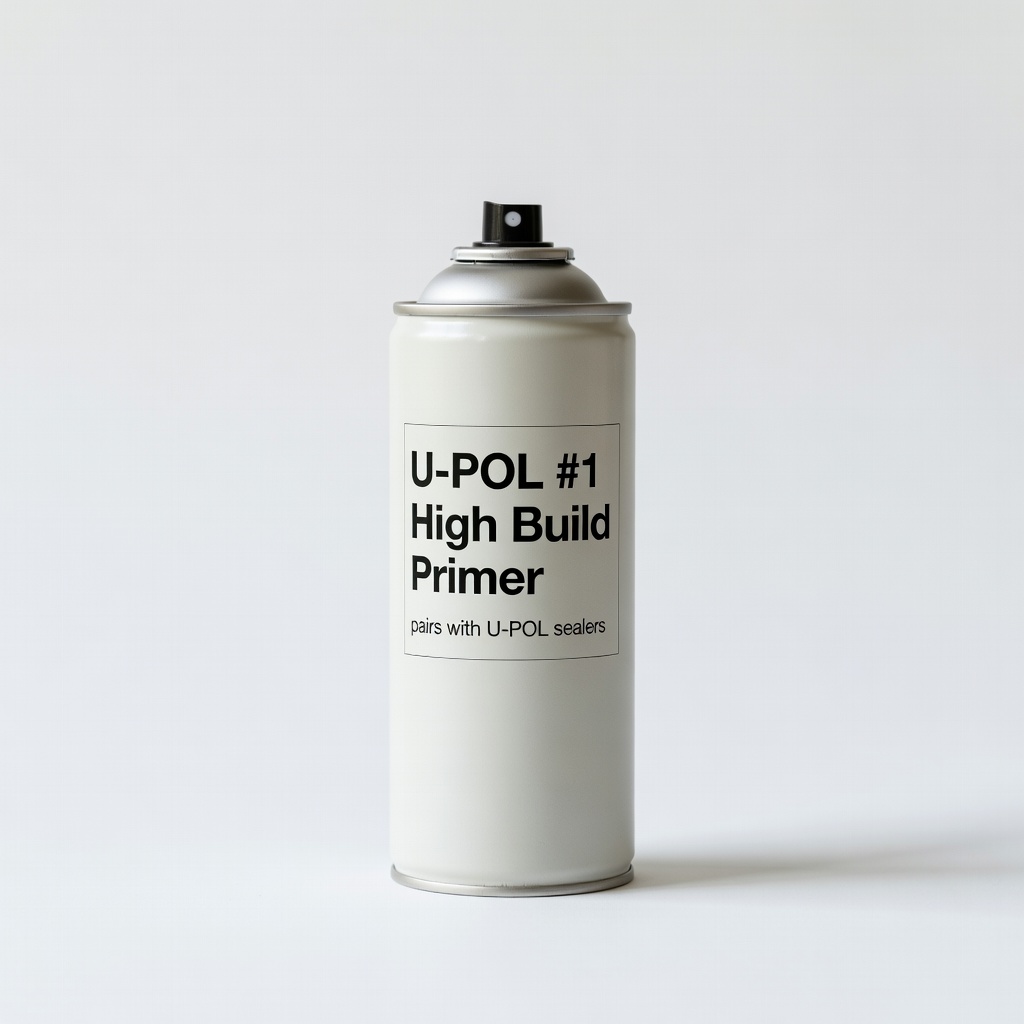
U-POL #1 High Build Primer (pairs with U-POL sealers)
Proven sandable abrasive primer; chemically bonds perfectly with U-POL 2K finishes for automotive use.
Best for: Auto body filling and smoothing before sealer/basecoat.
Price Range: $25-$35
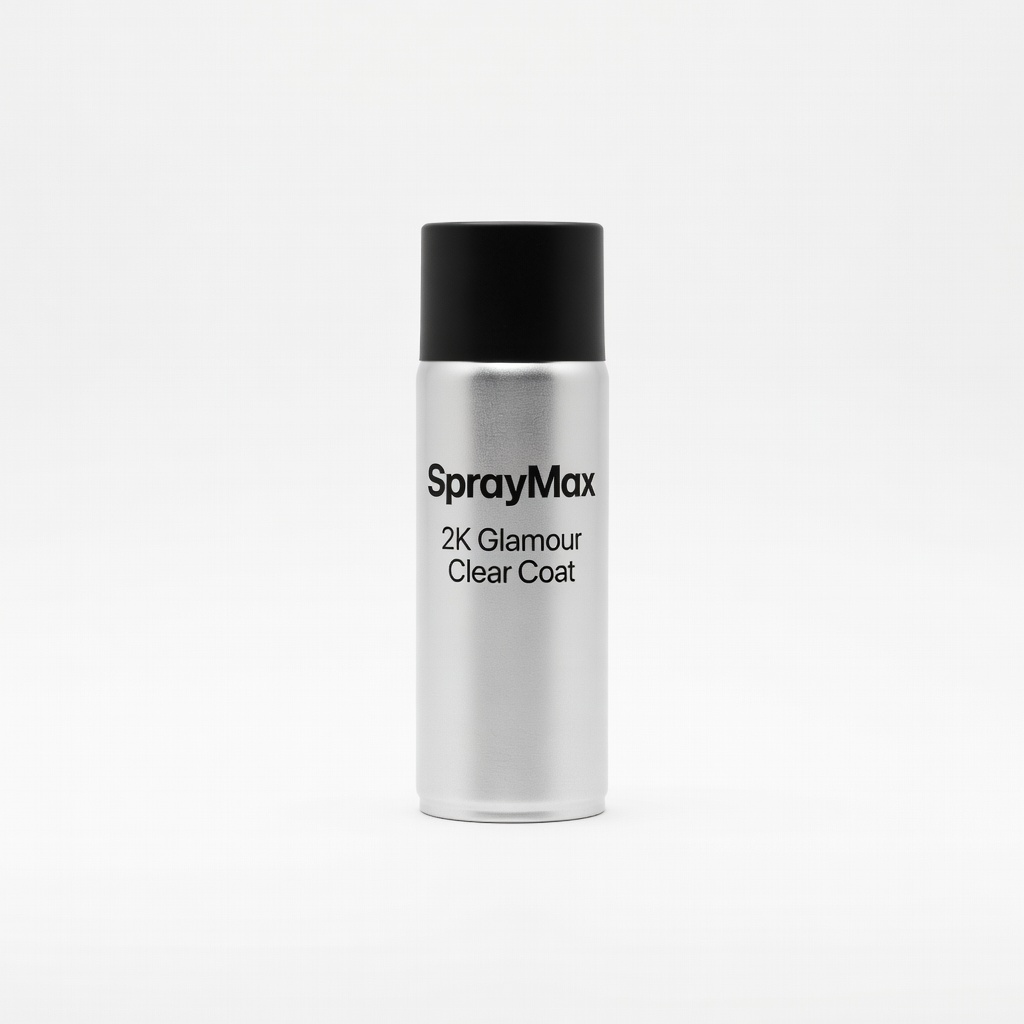
SprayMax 2K Glamour Clear Coat
High-solids urethane clear pairs flawlessly with 2K abrasive primers for durable, glossy finish.
Best for: Final topcoat over basecoat on sanded primer surfaces.
Price Range: $25-$30
Dupli-Color High Performance 2K Primer Surfacer
Budget-friendly abrasive primer compatible with most urethane sealers and clears.
Best for: DIY metal prep before pro-grade finishes.
Price Range: $20-$25
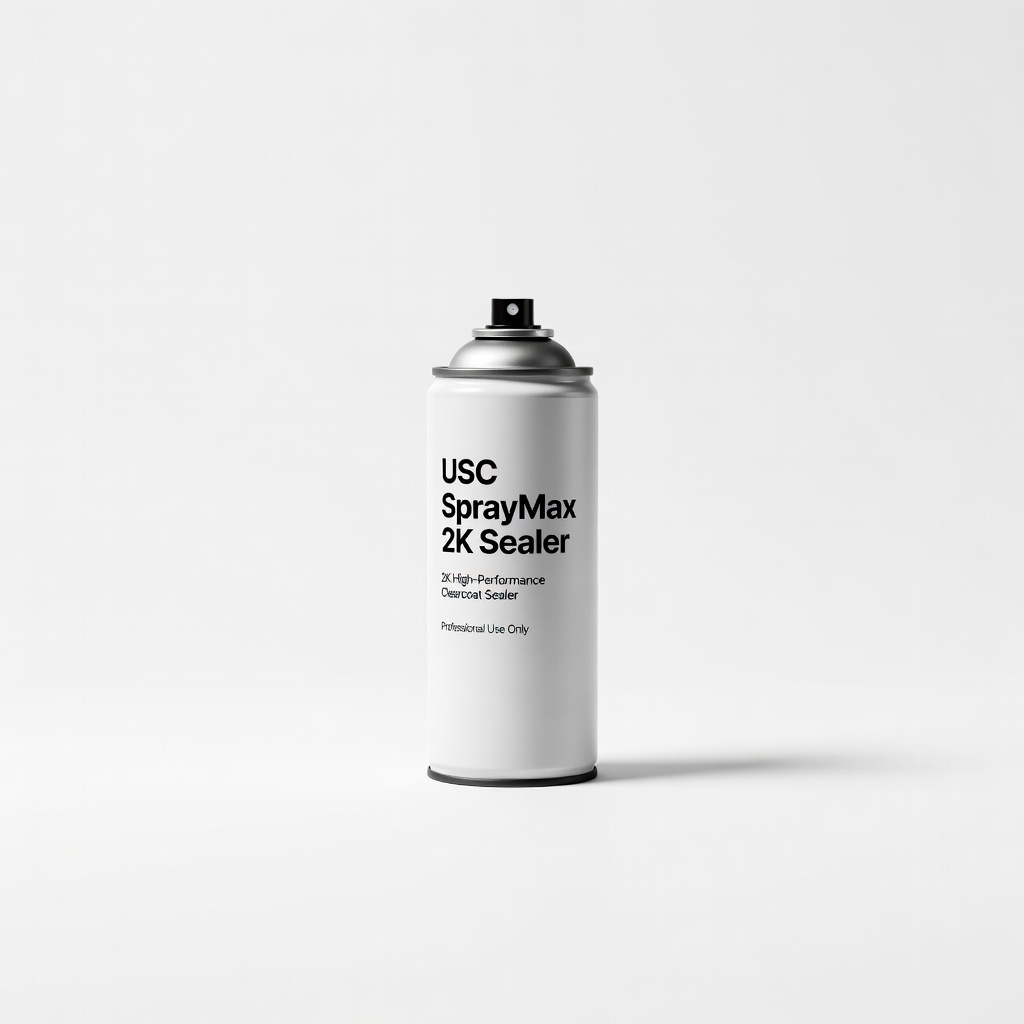
USC SprayMax 2K Sealer
Isolates abrasive primers perfectly, preventing bleed and ensuring basecoat adhesion.
Best for: Barrier layer post-priming, pre-basecoat.
Price Range: $28-$35
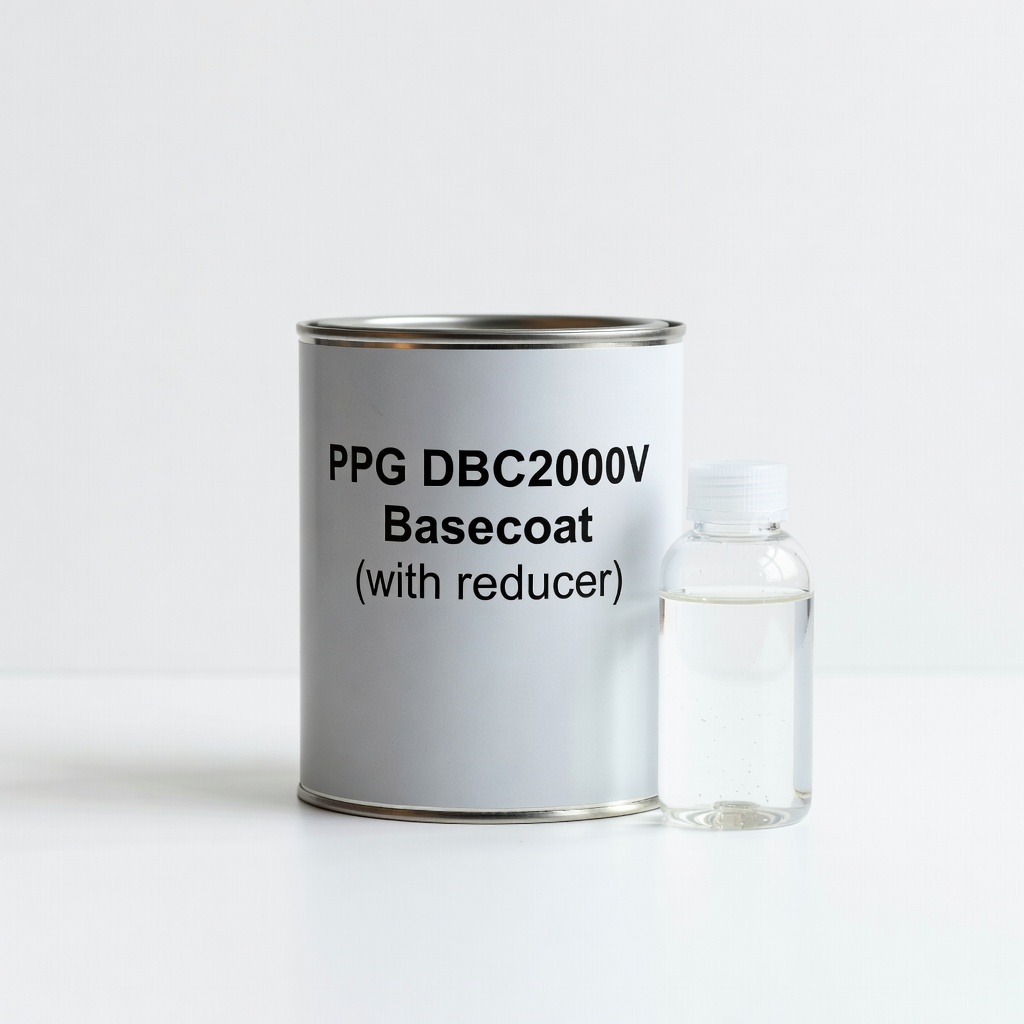
PPG DBC2000V Basecoat (with reducer)
Waterborne basecoat adheres reliably to urethane primers without lifting.
Best for: Color application in controlled booths.
Price Range: $100-$150/gallon