
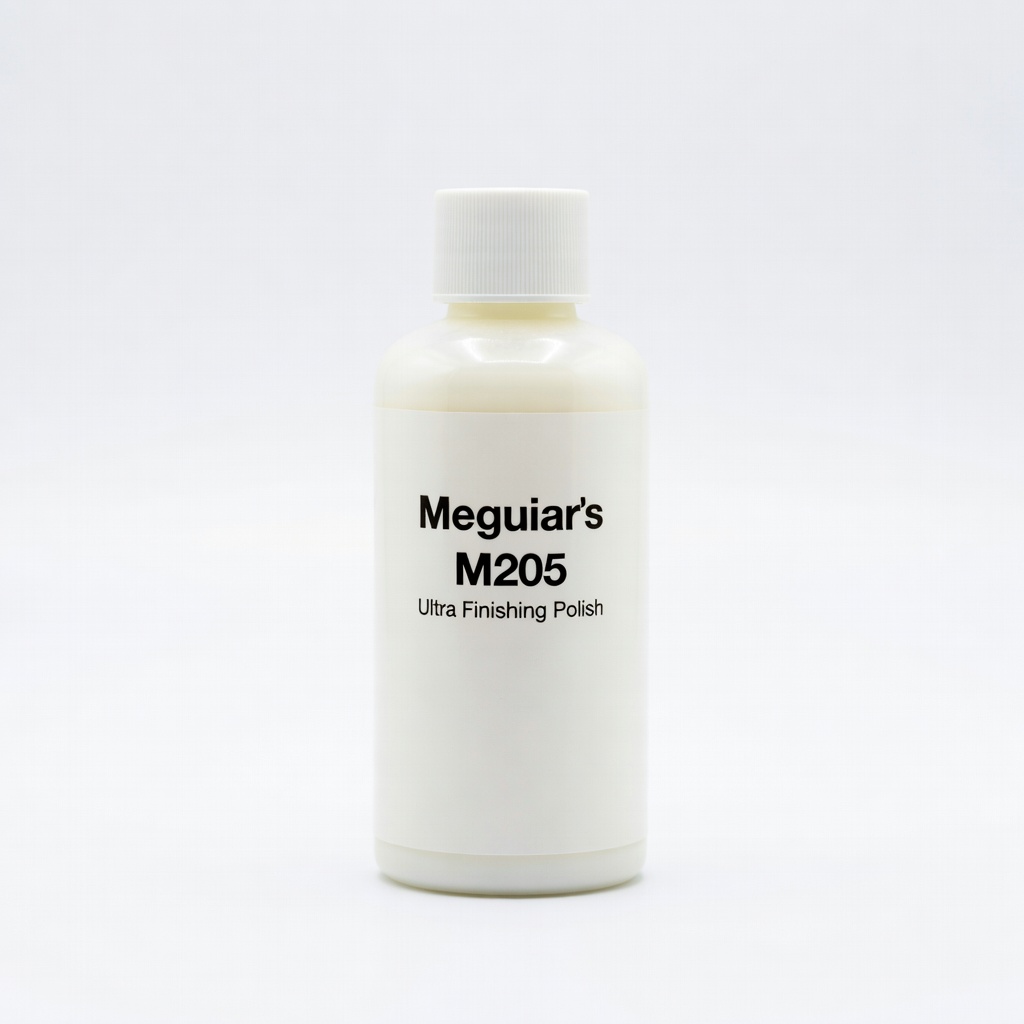
Meguiar's M205 Ultra Finishing Polish
Final polish after compounding soft-to-medium paints.
$19.99
Meguiar's M205 Ultra Finishing Polish Ultra-fine abrasives remove holograms effortlessly on most paints, leaving mirror gloss.
Get the App
Better experience on mobile
Discover essential finishing products to achieve swirl-free, glossy car paint perfection with clear explanations and pro recommendations.
Ever stared at swirl marks or holograms on your freshly compounded car paint, wondering why it doesn't look showroom-ready? Finishing products are the final step in paint correction that remove light defects, enhance gloss, and prepare your paint for protection. Without them, even perfect compounding leaves a hazy finish.
In this intermediate guide, you'll learn what finishing products are, the types available, how they differ from compounds or waxes, and how to choose and apply them effectively. Expect to grasp the science behind them and get actionable advice—no fluff, just results.
This explainer breaks it down logically, assuming you know basics like compounding. You'll be ready to select and use finishing products in under an hour of reading.
Estimated Time: 30-45 minutes to read and understand; 1-2 hours for first application on a panel Difficulty: intermediate
Paint correction is a multi-stage process: heavy cutting (compounds remove deep scratches), medium cutting (finer compounds), polishing (finishing products refine haze), and protection (sealants/waxes). Finishing products come last in polishing, targeting micro-marring, holograms, and random deep swirls (RDS) left by coarser steps.
Why it matters: Skipping stages leads to uneven results. Finishing polishes use ultra-fine abrasives (often <1 micron) to level paint without removing much clear coat—think of it as sanding with 3000+ grit paper, but chemically engineered for cars.
Expect a glassy, reflective surface that amplifies protection adhesion.
💡 Tips:
⚠️ Warnings:
Finishing products fall into polishes, glazes, and one-step combos:
Analogy: Polish is like fine steel wool; glaze is makeup; sealant is clear coat armor.
💡 Tips:
Look for:
They work by micro-abrading imperfections while filling nano-pores, creating light refraction for depth/color pop. Test on a small area to see cut vs. fill.
⚠️ Warnings:
Soft paints (e.g., Korean/Japanese cars): Mild finishing like Sonax Perfect Finish. Hard paints (e.g., German): Aggressive like CarPro Essence. Single-stage paints: Ultra-mild to avoid burn-through.
Assess defects under LED lights: Holograms (linear), RDS (random swirls). Match product cut level.
💡 Tips:
Wash, clay, and compound fully. Tape off edges. Use clean pads at 5-6 speed on DA polisher. Prime pad with 3-4 pea-sized drops.
Work in 2x2 ft sections. Spread thin, polish 2-3 passes low pressure (4000 OPM). Wipe with IPA-damp microfiber, inspect under light.
Why: Over-application causes sling; under heats paint. Expect 20-30% gloss gain per panel.
💡 Tips:
⚠️ Warnings:
Use halogen/LED light for 360° check. If haze remains, re-polish. Top with sealant/wax within 24 hours for max hydrophobics.
Result: Mirror-like finish ready for daily protection.
Problem: Persistent holograms after finishing
Solution: Switch to finer polish or more passes; check lighting angle.
Problem: Hazy residue post-wipe
Solution: Use stronger IPA (90%) or dedicated panel wipe; buff dry.
Problem: Paint feels rough
Solution: Contaminated pad—clean or replace; clay after.
Problem: Uneven gloss
Solution: Overlapped sections poorly; polish full panels.
Ultra-fine abrasives remove holograms effortlessly on most paints, leaving mirror gloss.
Best for: Final polish after compounding soft-to-medium paints.
Price Range: $19.99
Optical-grade formula cuts fast with insane gloss; works on clear coat and single-stage.
Best for: Heavy hologram correction on daily drivers.
Price Range: $19.97
German-engineered for hard paints; no fillers, pure correction.
Best for: Luxury/European cars needing precision finishing.
Price Range: $24.99
Liquid sealant-polish hybrid; adds protection while finishing.
Best for: One-step finish + durability for busy detailers.
Price Range: $39.99
Pro-level for rotary/DA; unmatched refinement.
Best for: High-end corrections demanding perfection.
Price Range: $29.99
Final polish after compounding soft-to-medium paints.
Meguiar's M205 Ultra Finishing Polish Ultra-fine abrasives remove holograms effortlessly on most paints, leaving mirror gloss.
Heavy hologram correction on daily drivers.
Chemical Guys V38 Final Polish Optical-grade formula cuts fast with insane gloss; works on clear coat and single-stage.
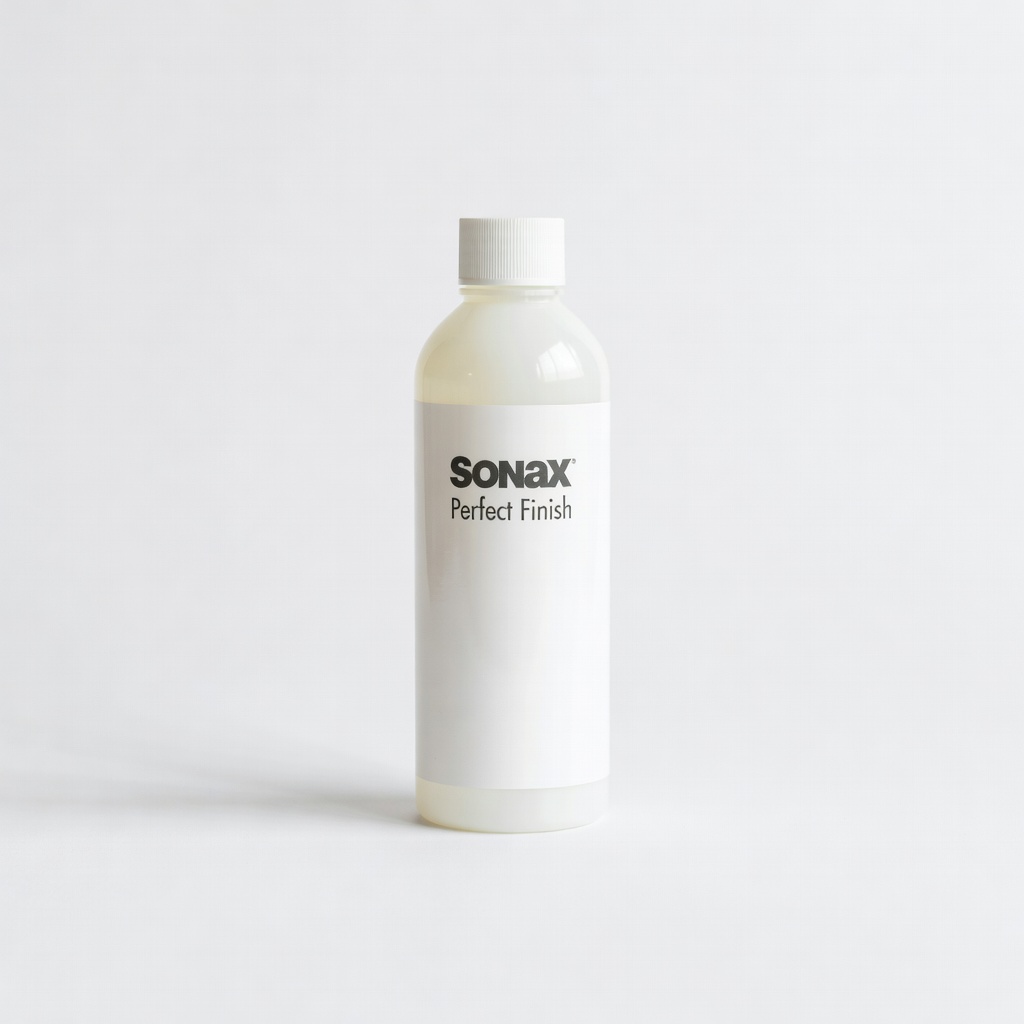
Luxury/European cars needing precision finishing.
Sonax Perfect Finish German-engineered for hard paints; no fillers, pure correction.
One-step finish + durability for busy detailers.
CarPro Essence Liquid sealant-polish hybrid; adds protection while finishing.
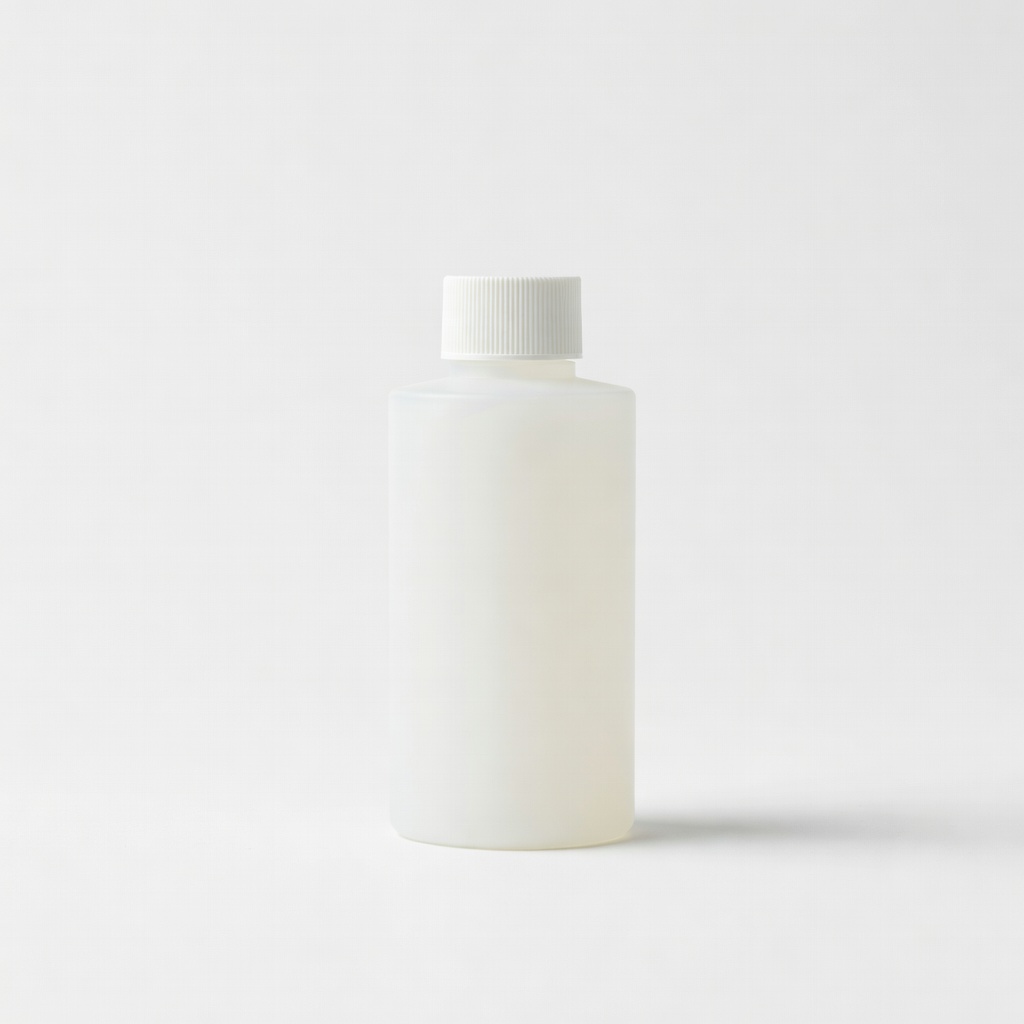
High-end corrections demanding perfection.
Rupes ULF015 Ultimate Finish Pro-level for rotary/DA; unmatched refinement.