
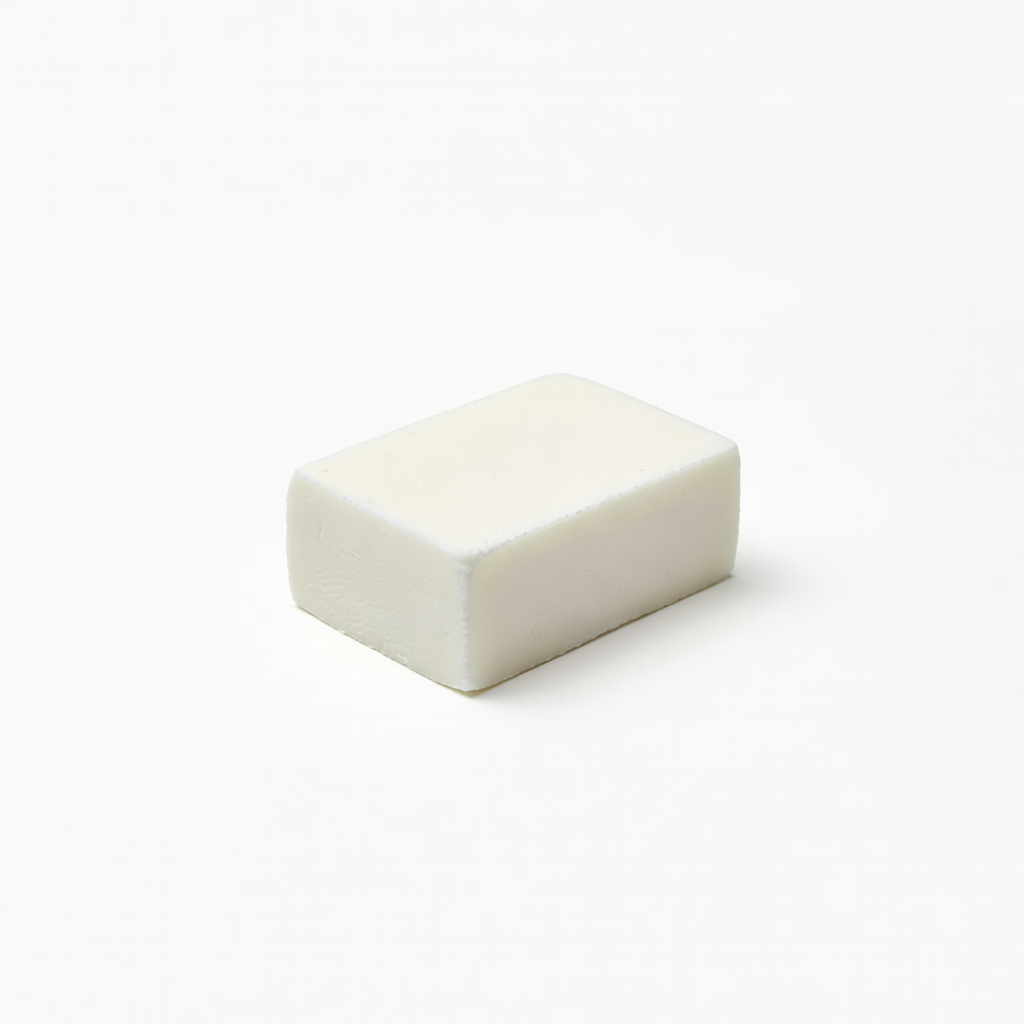
Dremel 414 White Polishing Compound
Final pre-polish on soft metals; pair with muslin buffs.
$4.99
Dremel 414 White Polishing Compound Versatile 1μm aluminum oxide ideal for pre-rouge on silver/gold; cuts haze fast without embedding.
Get the App
Better experience on mobile
Master the final polish on gold, silver, and platinum with expert insights into abrasives, grits, and pro techniques for mirror-like finishes.
Achieve professional, mirror-like shines on your jewelry pieces without trial-and-error frustration.
Jewelry makers and repair pros know the pain: after hours of grinding and sanding, the final polish falls flat, leaving haze or swirl marks. Finishing abrasives are the unsung heroes that deliver that high-luster finish, but choosing the wrong grit, compound, or application method ruins everything. This guide breaks down everything advanced users need to know about finishing abrasives.
You'll learn the grit hierarchy, key types (diamond pastes, rouges, compounds), metal-specific recommendations, and precise application sequences. Expect 30-45 minutes to read and reference, with concepts building from basics to pro workflows—no beginner fluff.
Estimated Time: 30-45 minutes to read and plan; 1-2 hours for first application Difficulty: advanced
Finishing abrasives range from 600-grit (coarse pre-finish) to sub-micron (0.25μm for ultimate polish). Grit measures particle size—lower numbers are coarser, higher are finer. For jewelry, start finishing at 800-1200 grit after sanding.
Why it matters: Sequential grit progression (e.g., 1200 → 3000 → 0.5μm) removes scratches without introducing new ones, yielding haze-free luster. Expect each stage to halve visible scratches from prior steps.
Image: Grit progression chart showing particle sizes from 1200-grit to 0.25μm diamond.
💡 Tips:
⚠️ Warnings:
Monocrystalline diamond paste or powder (0.5-3μm) cuts fastest on hard metals like platinum and white gold. Unlike alumina, diamonds maintain sharpness, reducing heat buildup.
Apply via charged laps or lapping films. Expect 5-10x faster material removal than rouges, with superior flatness for faceted gems.
Pro analogy: Diamonds are like scalpels—precise and enduring.
💡 Tips:
Tripoli (brown, 3-5μm aluminum oxide) bridges sanding to final polish, cutting haze on yellow gold/silver. It's aggressive yet fine, removing 99% of sanding marks.
Buff at 3,000-5,000 RPM for 30-60 seconds per piece. Results: satin-to-mirror transition without burning.
Follow with white diamond or chamois for next stage.
⚠️ Warnings:
Red rouge (iron oxide, 0.5-1μm) for yellow gold; green chromium oxide for stainless/white gold. These impart warmth or neutrality.
Ultra-fine for final luster—buff lightly (2,000 RPM) to avoid color transfer. Expect jeweler's rouge to yield 95% reflectivity.
Analogy: Rouge is the makeup—final cosmetic layer.
💡 Tips:
Platinum demands 0.25μm diamond or colloidal silica; stainless uses cerium oxide slurry. These handle extreme hardness without flexing tools.
Vapor or electrolytic polish optional for ultra-high shine. Test reflectivity with a jeweler's loupe.
⚠️ Warnings:
Sequence: Tripoli (1 min) → White diamond 1μm (45s) → Red rouge (30s) → Final microfiber wipe. Clean ultrasonically between stages.
Why sequential? Each refines the prior surface. Total time per piece: 5-10 mins for pros.
Monitor with 10x loupe—stop at no visible scratches.
💡 Tips:
Inspect under LED/halogen light for uniformity. Finger test: Should feel glass-smooth, no drag.
Store pieces in anti-tarnish bags; re-polish quarterly for daily wear items.
Problem: Swirl marks or haze post-polish
Solution: Revert to 1μm diamond stage; ensure grit progression. Check buff cleanliness.
Problem: Dull or burned areas
Solution: Reduce RPM/time; cool pieces in water. Re-Tripoli if needed.
Problem: Color tint on white gold
Solution: Switch to green chrome rouge; polish extra 20s.
Problem: Abrasive not cutting
Solution: Recharge tool; verify fresh compound. Seek pro if tool worn.
Versatile 1μm aluminum oxide ideal for pre-rouge on silver/gold; cuts haze fast without embedding.
Best for: Final pre-polish on soft metals; pair with muslin buffs.
Price Range: $4.99
Ultra-fine monocrystalline diamond for mirror polish on platinum/hard alloys; superior to oxides.
Best for: Last-stage finishing on rings/pendants; syringe applicator for precision.
Price Range: $11.99
Classic brown Tripoli for aggressive pre-finish; economical for high-volume work.
Best for: Post-sanding on yellow gold/silver; buffs quickly.
Price Range: $9.99
Iron oxide rouge for warm luster on gold; non-gumming formula.
Best for: Final high shine; excellent on chains/earrings.
Price Range: $12.95
Neutral polish for white gold/stainless; prevents yellowing.
Best for: Specialty metals needing cool tones.
Price Range: $14.99
Final pre-polish on soft metals; pair with muslin buffs.
Dremel 414 White Polishing Compound Versatile 1μm aluminum oxide ideal for pre-rouge on silver/gold; cuts haze fast without embedding.
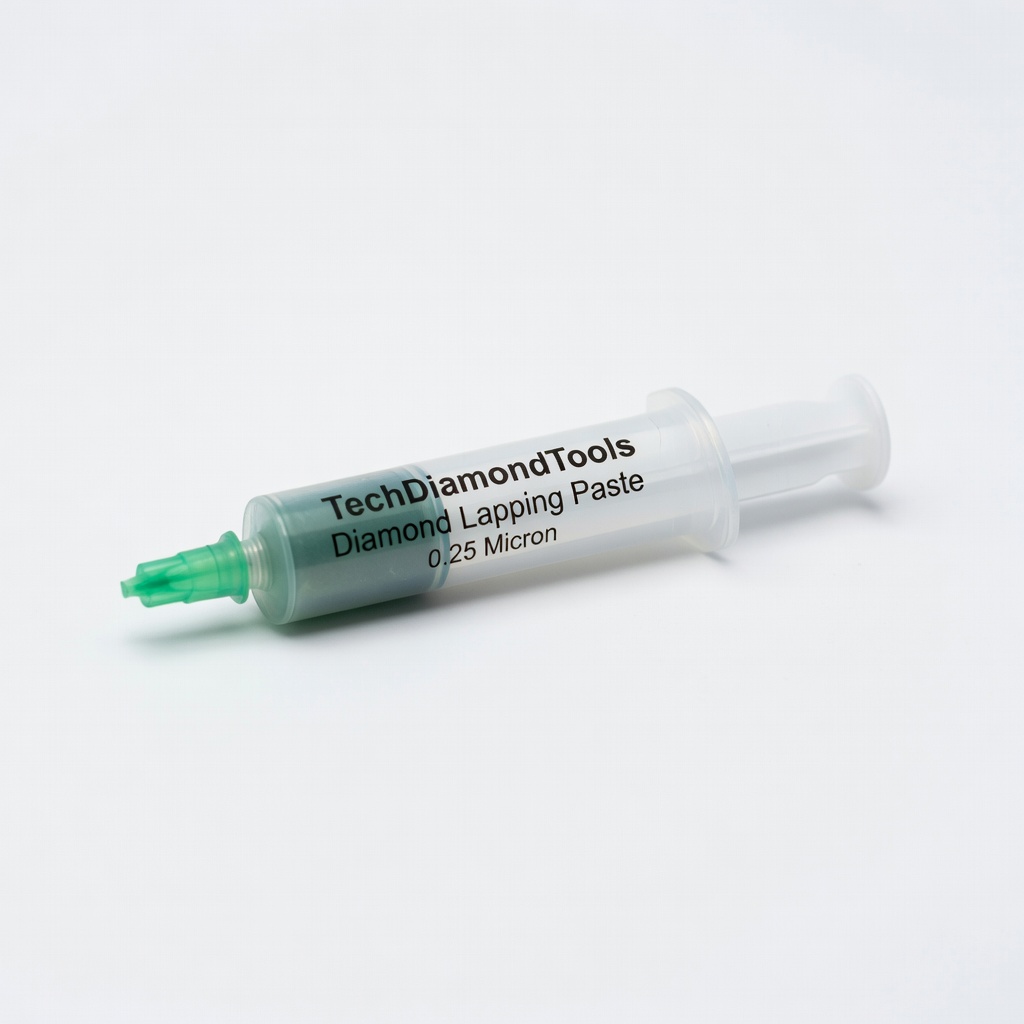
Last-stage finishing on rings/pendants; syringe applicator for precision.
TechDiamondTools Diamond Lapping Paste 0.25 Micron Ultra-fine monocrystalline diamond for mirror polish on platinum/hard alloys; superior to oxides.
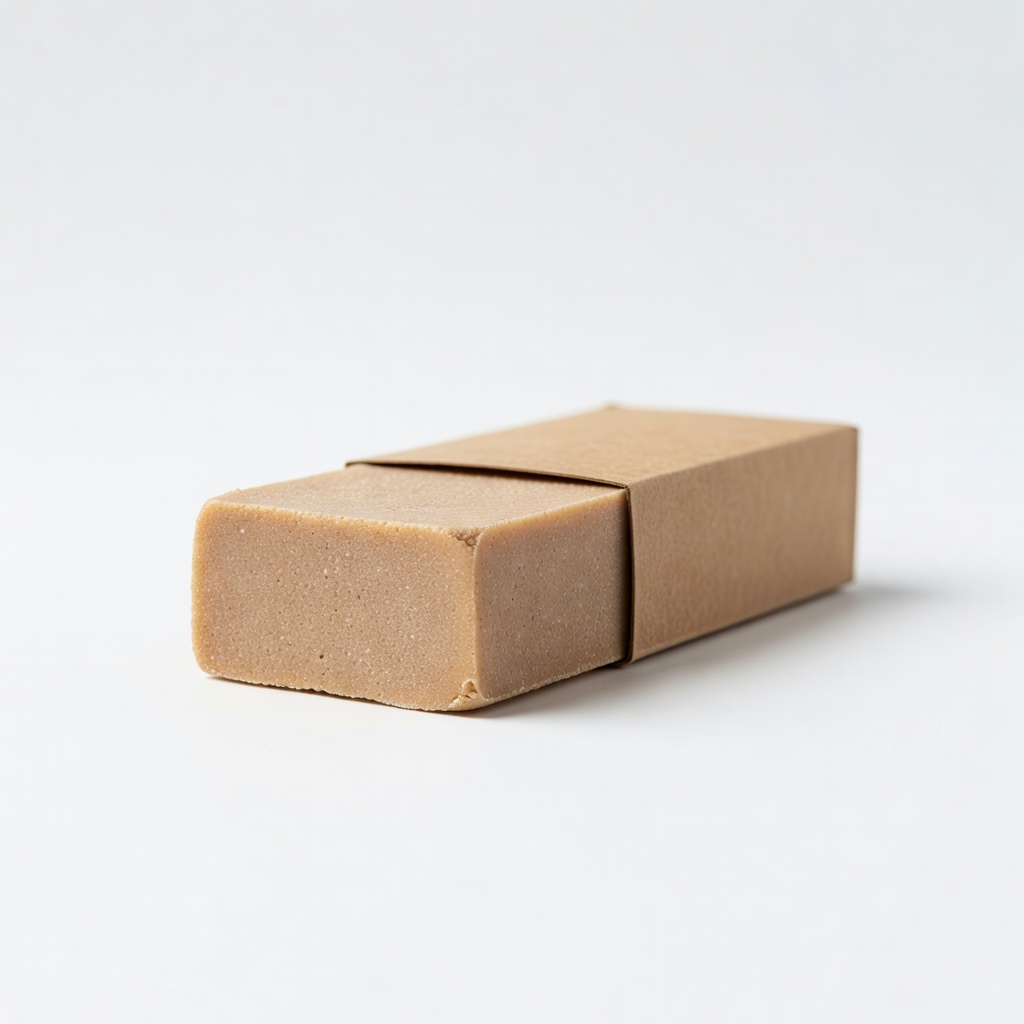
Post-sanding on yellow gold/silver; buffs quickly.
Forney 61765 Tripoli Polishing Compound Classic brown Tripoli for aggressive pre-finish; economical for high-volume work.
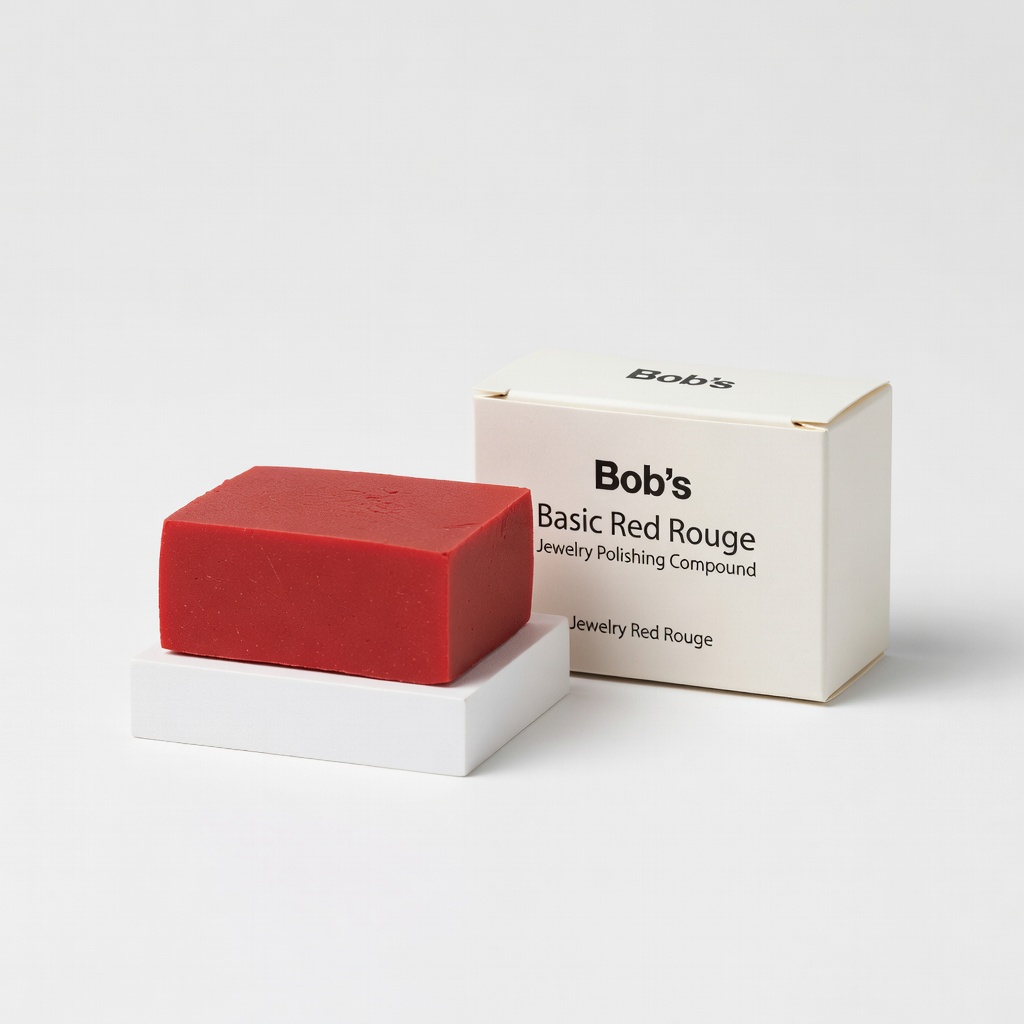
Final high shine; excellent on chains/earrings.
Bob's Basic Red Rouge Jewelry Polishing Compound Iron oxide rouge for warm luster on gold; non-gumming formula.
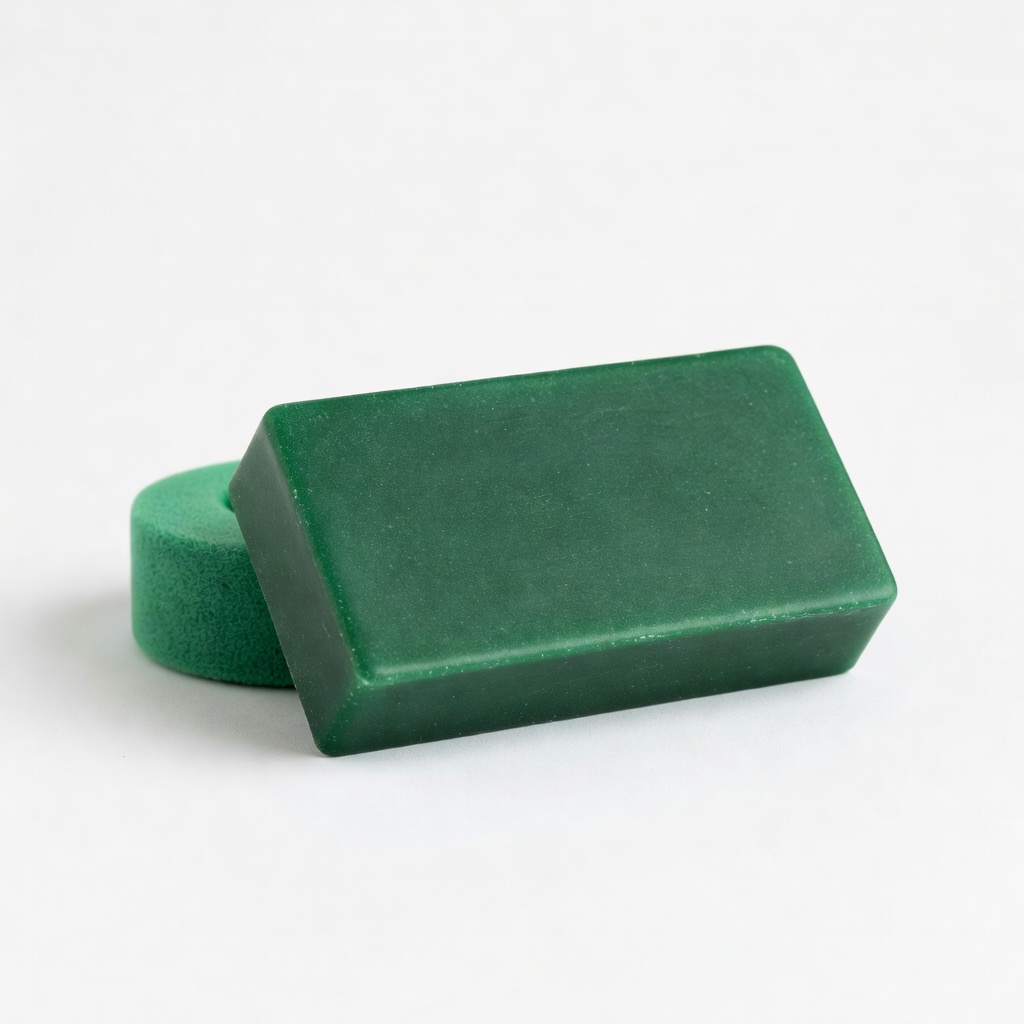
Specialty metals needing cool tones.
Cotytek Green Rouge Chromium Oxide Neutral polish for white gold/stainless; prevents yellowing.