
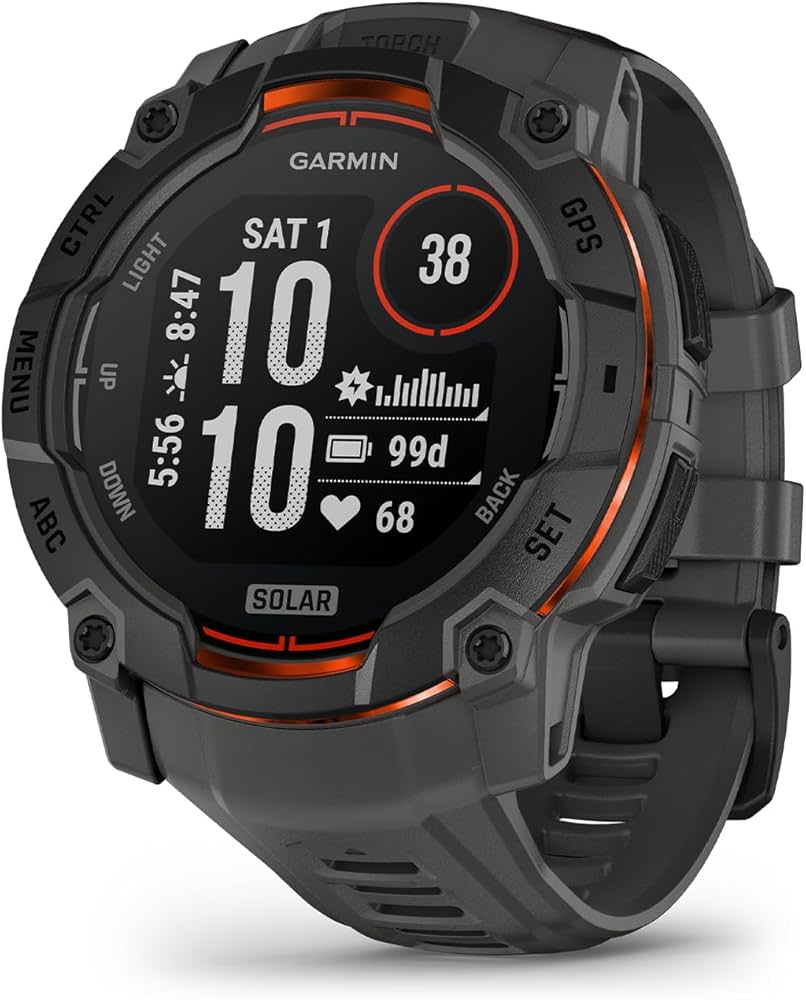
Garmin Vivosmart 5
Daily wearers needing long battery without bulk.
$130-$150
Garmin Vivosmart 5 Excellent HRV, sleep stages, and 7-day battery; validated accuracy for athletes.
Get the App
Better experience on mobile
Discover the essential features that make sleep tracking watches accurate and insightful, so you can choose the best one for optimizing your rest.
Struggling to wake up refreshed despite 8 hours of sleep? Poor sleep quality affects 1 in 3 adults, leading to fatigue, reduced focus, and health risks like hypertension. Top sleep tracking watches go beyond basic step counting by analyzing your nightly rest with clinical-grade precision.
In this guide, you'll learn the key features that separate elite sleep trackers from gimmicks—from sleep stages and HRV to advanced sensors. We'll break it down step-by-step, with real-world examples and analogies, so you can evaluate any watch confidently. No tech expertise needed; expect 10-15 minutes to grasp it all and start shopping smarter.
By the end, you'll know exactly what to look for, avoiding overhyped gadgets and prioritizing data-driven improvements to your sleep hygiene.
Estimated Time: 10-15 minutes Difficulty: intermediate
HRV measures the variation in time between heartbeats, a key indicator of recovery and stress. Top watches use optical sensors to track this during sleep, providing a 'readiness score' like Garmin's Body Battery or Oura's Readiness.
Why it matters: High HRV signals deep recovery; low HRV flags overtraining or illness. Analogy: Think of HRV as your body's 'stress thermostat'—elite trackers log it nightly for trends.
Expect scores from 0-100; aim for consistent 60+ for optimal health.
💡 Tips:
Premium watches distinguish light, deep, REM, and awake stages using accelerometers and algorithms refined by sleep labs. Fitbit and Apple Watch excel here, showing pie charts of your night.
Why it matters: Adults need 20-25% deep sleep for physical repair and 20-25% REM for memory. Without this, basic 'sleep duration' is useless.
Look for 85%+ accuracy validated against polysomnography (lab gold standard).
⚠️ Warnings:
Red/infrared LEDs measure oxygen saturation during sleep, detecting drops linked to apnea. Samsung Galaxy Watch and Apple Watch Series 9 log averages and events.
Why it matters: Dips below 90% signal breathing issues; top trackers alert you to seek medical help. Analogy: Like a car's oxygen sensor flagging engine problems.
Enable overnight tracking in settings for passive data.
💡 Tips:
Advanced sensors (e.g., Oura Ring, Garmin Fenix 7) detect 0.1°C shifts, predicting illness or cycle phases. It's subtle but powerful for women's health tracking.
Why it matters: Temperature rises signal infection before symptoms; drops optimize sleep timing. Only top-tier watches include this.
Expect deviation graphs from your baseline.
Tracks breaths per minute (ideal 12-20) and irregularities via motion/HR data. Whoop and Fitbit Charge 6 flag high rates from stress or apnea.
Why it matters: Deviations predict health events; integrates with SpO2 for comprehensive apnea screening.
Review weekly averages in the app.
💡 Tips:
Uses all data for a holistic score (e.g., SleepIQ on Withings) and wakes you in light sleep within a 30-min window.
Why it matters: Waking in deep sleep causes grogginess (sleep inertia). Top watches like Ultrahuman Ring offer this.
Customizable via app.
⚠️ Warnings:
Lasts 5-14 days (Garmin Vivosmart) without killing tracking. Seamless iOS/Android apps with trends, exports to Apple Health/Google Fit.
Why it matters: Interruptions ruin longitudinal data; rich apps unlock coaching.
💡 Tips:
Problem: Inaccurate sleep stages (e.g., all light sleep)
Solution: Ensure firmware update, clean sensors, avoid alcohol/caffeine pre-bed; test against known good night
Problem: No overnight data logged
Solution: Enable in app settings, charge to 80%+, restart device; check permissions
Problem: High HRV but feeling tired
Solution: Cross-check with lifestyle factors like diet/stress; consult doctor if persistent
Excellent HRV, sleep stages, and 7-day battery; validated accuracy for athletes.
Best for: Daily wearers needing long battery without bulk.
Price Range: $130-$150
Top SpO2, respiratory tracking, and Sleep Score with Google integration.
Best for: Apnea screening and basic coaching on a budget.
Price Range: $140-$160
Precise sleep stages, temp sensing, and smart alarms via watchOS.
Best for: iPhone users wanting ecosystem integration and FDA-cleared features.
Price Range: $350-$400
Advanced SpO2 waveforms and sleep apnea detection alerts.
Best for: Android users focused on breathing health.
Price Range: $200-$250
Superior temp/HRV for recovery (watch alternative).
Best for: Discreet, 7-day tracking without screen distractions.
Price Range: $300-$550 (plus membership)
Daily wearers needing long battery without bulk.
Garmin Vivosmart 5 Excellent HRV, sleep stages, and 7-day battery; validated accuracy for athletes.
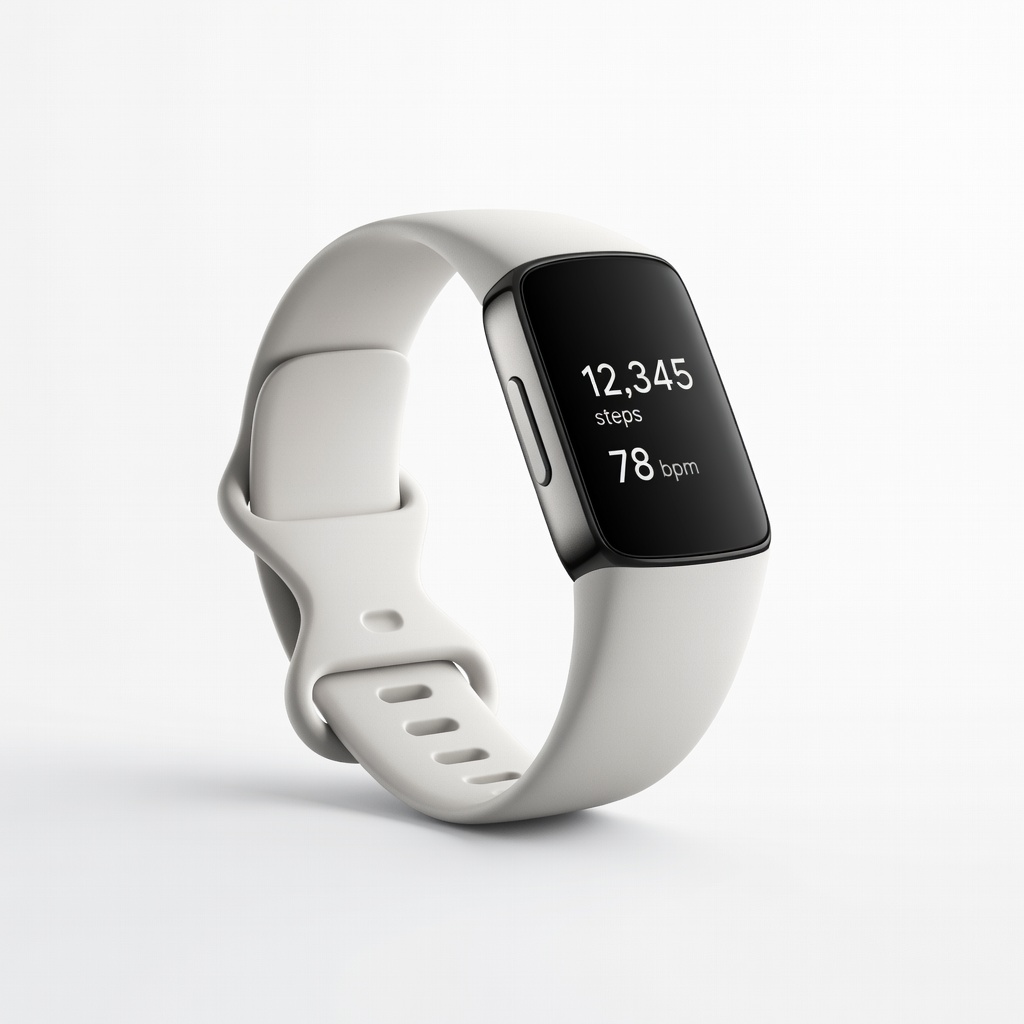
Apnea screening and basic coaching on a budget.
Fitbit Charge 6 Top SpO2, respiratory tracking, and Sleep Score with Google integration.
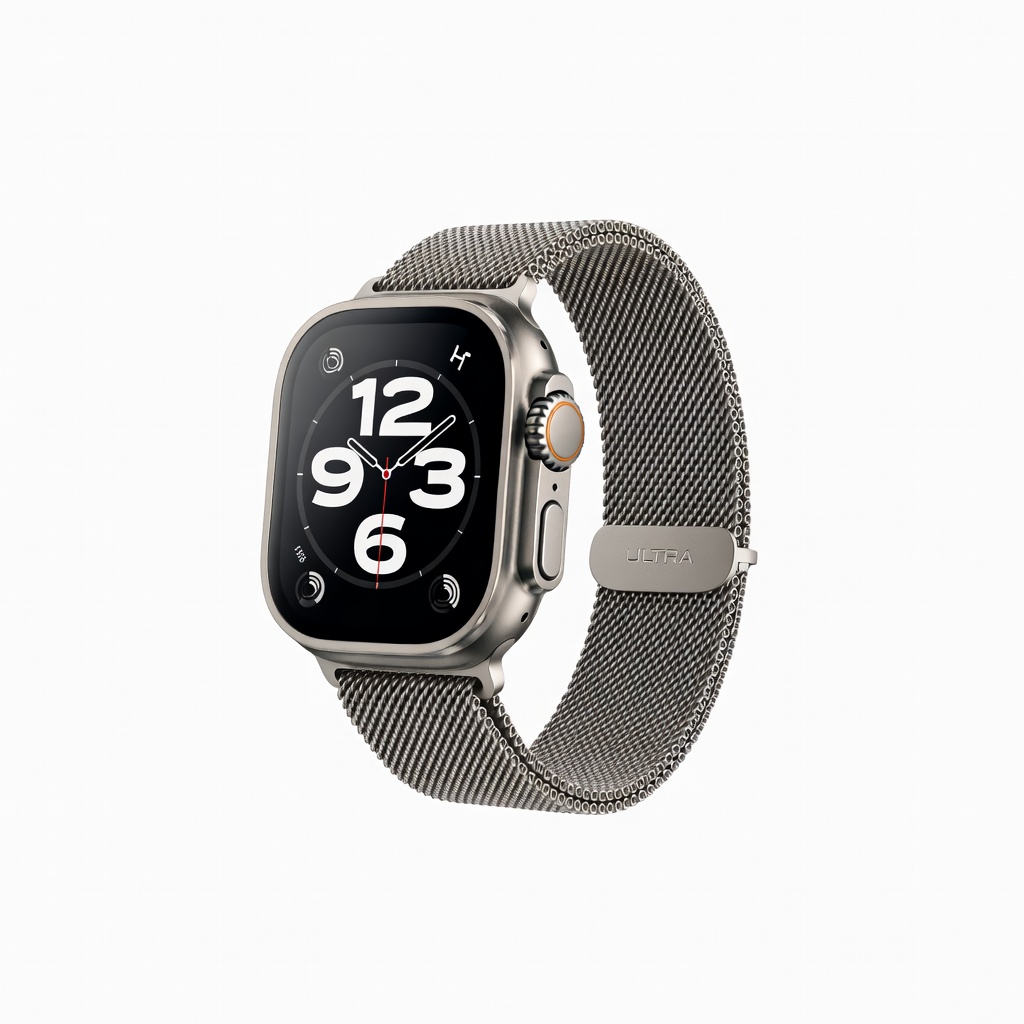
iPhone users wanting ecosystem integration and FDA-cleared features.
Apple Watch Series 9 Precise sleep stages, temp sensing, and smart alarms via watchOS.
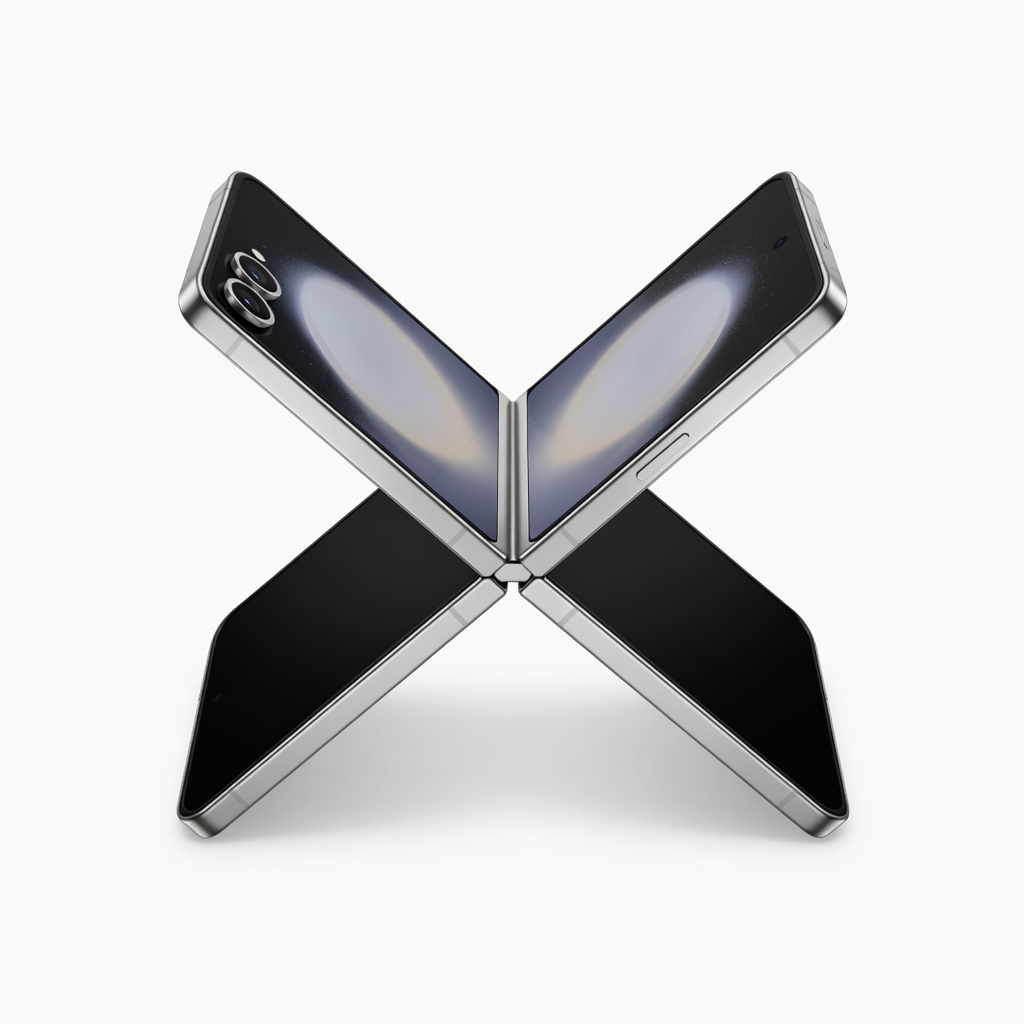
Android users focused on breathing health.
Samsung Galaxy Watch 6 Advanced SpO2 waveforms and sleep apnea detection alerts.
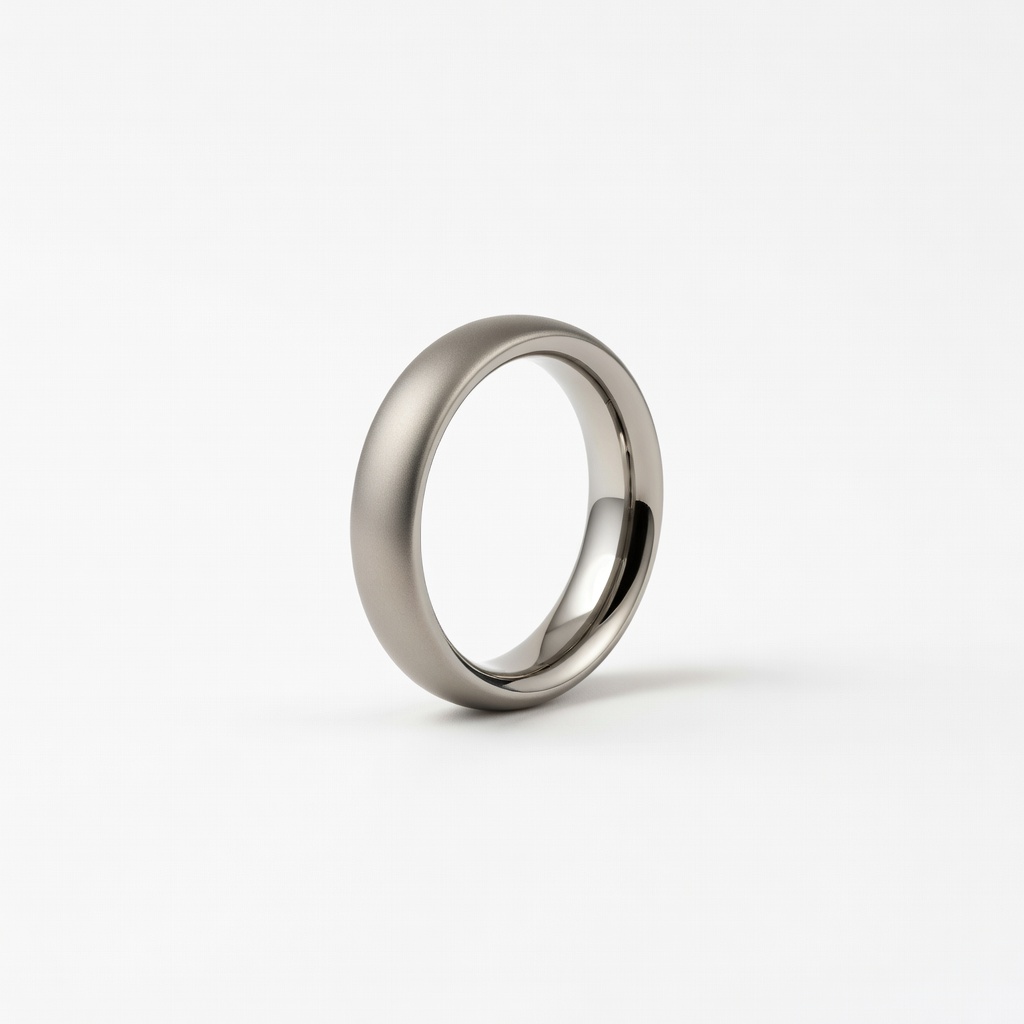
Discreet, 7-day tracking without screen distractions.
Oura Ring Gen3 Superior temp/HRV for recovery (watch alternative).