
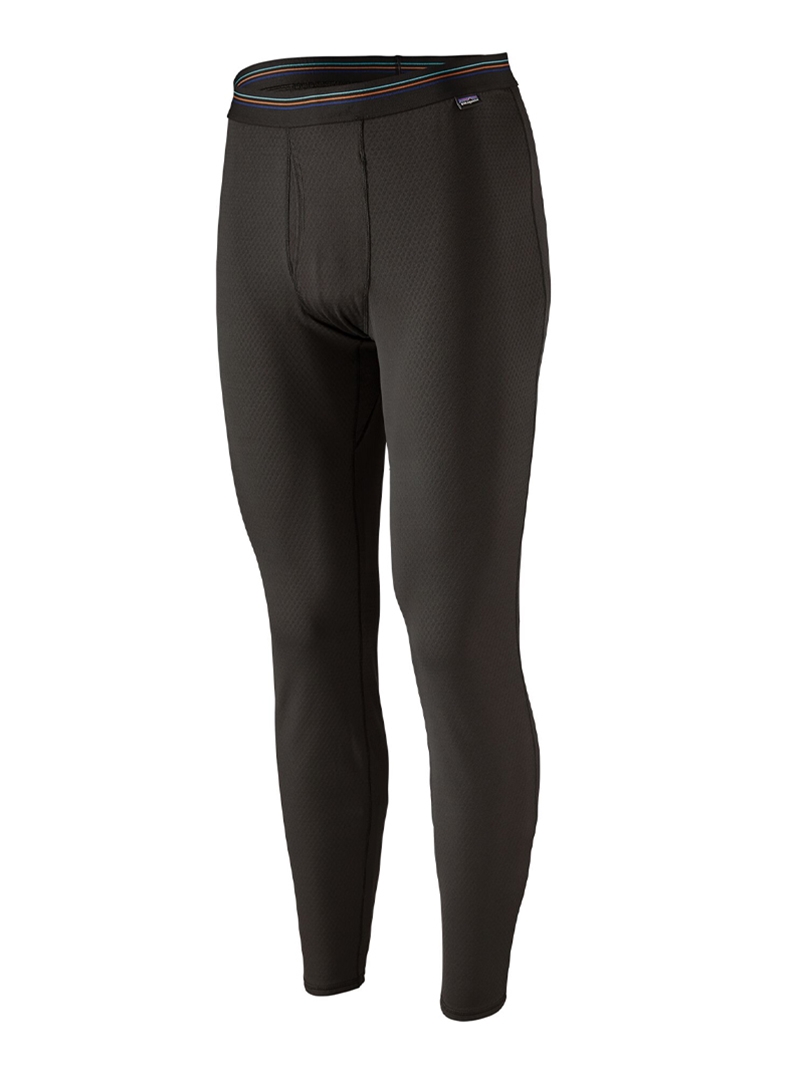
Patagonia Men's Capilene Cool Daily Leggings
Long runs in variable weather; natural feel.
$55-$69
Patagonia Men's Capilene Cool Daily Leggings Capilene polyester blend excels in breathability (high MVTR) and quick-dry for trail running.
Get the App
Better experience on mobile
Learn the top fabrics and technologies for breathable active pants that wick sweat and keep you cool on every run.
Sweaty, clammy legs during a run can ruin your stride and motivation. Breathable active pants prevent this by allowing moisture to escape while staying lightweight and quick-drying. Poor fabric choice leads to chafing, overheating, and discomfort on long runs.
In this guide, you'll discover the best fabrics for breathability, how they work, and real-world examples. We'll break down synthetics, naturals, blends, and tech features from simple concepts to advanced tips. Expect to finish in 10-15 minutes and gain the knowledge to pick pants that perform.
No hands-on work needed—just read, understand, and apply when shopping.
Estimated Time: 10-15 minutes Difficulty: intermediate
Breathability in running pants means the fabric allows sweat vapor to escape while blocking wind or rain if needed. It's not just 'airy'—it's about moisture management. Think of it like your skin breathing: sweat evaporates through tiny pores.
Poor breathability traps moisture, causing a 'wet sock' feel. Good fabrics have high vapor transmission rates (measured in g/m²/24h). For running, aim for 10,000+ g/m².
💡 Tips:
Polyester (often 80-90% in pants) is king for breathability. It's hydrophobic (repels water) and wicks moisture 4x faster than cotton. Nylon adds durability and stretch.
These synthetics dry in minutes, ideal for humid runs. Example: 92% polyester/8% spandex blends. Why it matters: Synthetics prevent bacterial growth better than naturals.
⚠️ Warnings:
Elastane (5-20%) provides 4-way stretch without sacrificing breathability. It opens fabric pores when stretched, enhancing airflow. Combined with polyester, it's perfect for dynamic running movements.
Expect pants with 15% elastane to feel compressive yet airy. Real-world: High elastane = better sweat dispersion during sprints.
💡 Tips:
Merino wool (fine micron, 18.5+) is naturally breathable, temperature-regulating, and odor-resistant. It wicks 30% better than synthetics in some tests. Bamboo rayon is silky, antimicrobial, and ultra-breathable.
Naturals shine in variable weather. Downside: Slower drying than synthetics. Use for trail runs.
Blends like 50% polyester/37% nylon/13% spandex optimize breathability, durability, and fit. They balance quick-dry with softness.
Why blends win: Single fabrics lack versatility. Test: Blends often score 15,000+ MVTR.
💡 Tips:
Tech like Nike Dri-FIT (microfiber polyester), Adidas Climalite, or Patagonia's Capilene® Cool pulls sweat to the surface 5x faster. Mesh panels boost ventilation.
These engineered fabrics use yarns with capillary action, like plant roots drawing water. Expect laser-perforated vents in premium pants.
⚠️ Warnings:
Open weaves (e.g., jacquard) and lightweight denier (100-150D) enhance airflow. Slim fit prevents bunching, aiding evaporation.
Heavy fabrics (200D+) trap heat. Pro tip: Hold fabric to light—if you see through it, it's breathable.
💡 Tips:
Wear on a 30-min run in 70°F+ heat. Good signs: Dry after 10 min cooldown, no chafing. Sweat mapping: Even distribution = win.
Compare to cotton (fails fast). Track with a moisture meter app if geeky.
Problem: Pants feel clammy mid-run
Solution: Switch to higher polyester % or add mesh panels. Pre-wash to activate wicking.
Problem: Chafing despite breathability
Solution: Apply anti-chafe balm; ensure seamless construction.
Problem: Odor buildup after washes
Solution: Use wool-safe detergent; rotate pairs.
Capilene polyester blend excels in breathability (high MVTR) and quick-dry for trail running.
Best for: Long runs in variable weather; natural feel.
Price Range: $55-$69
Advanced Dri-FIT tech wicks sweat 5x faster; laser-vented for max airflow.
Best for: Road racing and high-intensity intervals.
Price Range: $90-$110
HeatGear polyester/elastane mix is ultra-breathable and compressive without trapping heat.
Best for: Gym-to-run transitions or hot weather training.
Price Range: $30-$45
Merino wool naturally regulates temp and breathes better than most synthetics.
Best for: Cool-weather runs needing odor control.
Price Range: $75-$95
Budget polyester/spandex with mesh vents; solid breathability for beginners.
Best for: Daily training on a budget.
Price Range: $20-$30
Long runs in variable weather; natural feel.
Patagonia Men's Capilene Cool Daily Leggings Capilene polyester blend excels in breathability (high MVTR) and quick-dry for trail running.
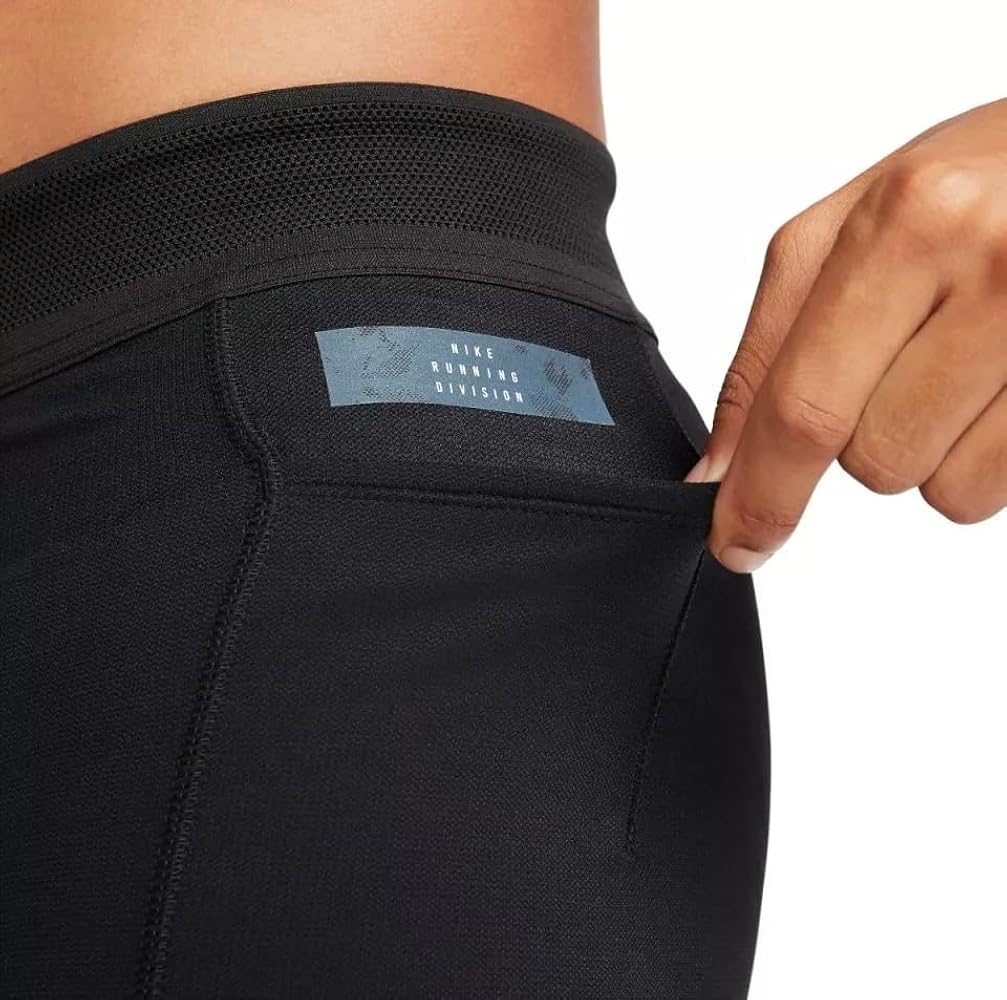
Road racing and high-intensity intervals.
Nike Men's Dri-FIT ADV Run Division Pants Advanced Dri-FIT tech wicks sweat 5x faster; laser-vented for max airflow.
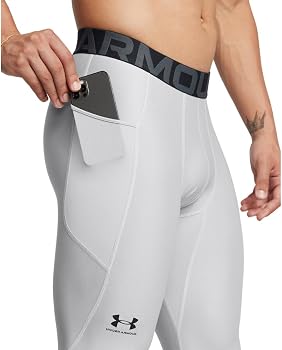
Gym-to-run transitions or hot weather training.
Under Armour Men's HeatGear Leggings HeatGear polyester/elastane mix is ultra-breathable and compressive without trapping heat.
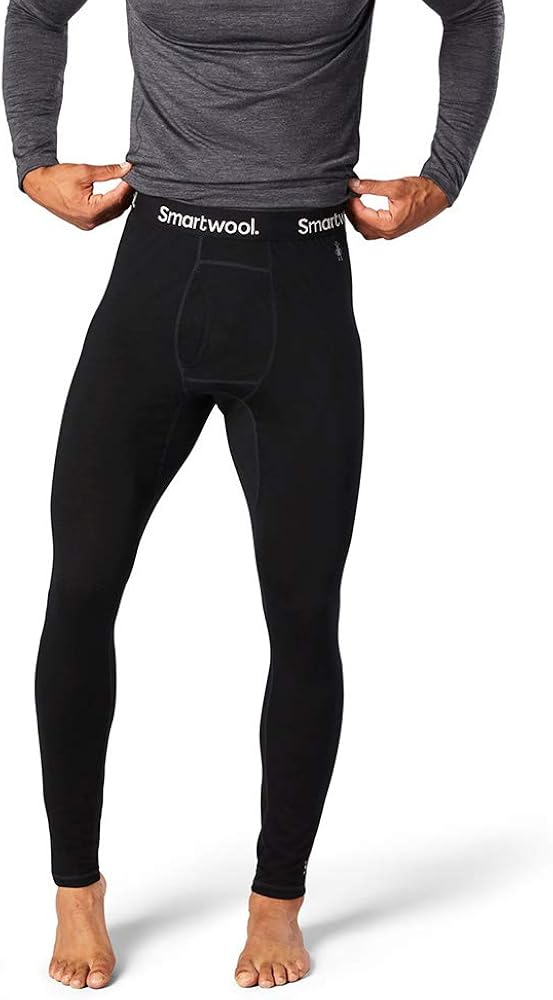
Cool-weather runs needing odor control.
Smartwool Merino 150 Baselayer Bottoms Merino wool naturally regulates temp and breathes better than most synthetics.
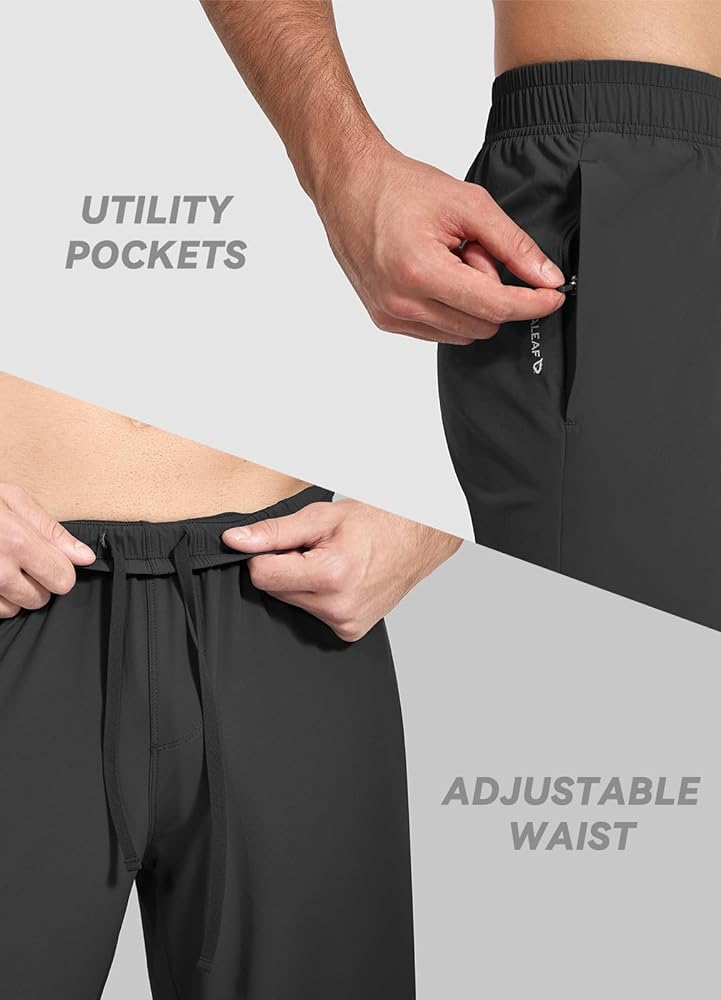
Daily training on a budget.
Baleaf Men's Lightweight Running Pants Budget polyester/spandex with mesh vents; solid breathability for beginners.