

Patagonia Men's Capilene Cool Daily Hoodie
Trail running or gym—stays dry in humid conditions.
$55-$69
Patagonia Men's Capilene Cool Daily Hoodie Recycled polyester with HeiQ treatment for superior wicking and breathability (MVTR 20,000+).
Get the App
Better experience on mobile
Learn the top fabrics and features that keep active hoodies breathable so you stay cool and dry during intense workouts.
Sweating through a workout only to feel trapped in a clammy hoodie is a common frustration for fitness enthusiasts. Breathability in active hoodies means the fabric allows moisture vapor to escape while letting air flow in, preventing overheating and discomfort. Without it, even the best-designed hoodie can ruin your session.
In this guide, you'll discover the key fabrics that deliver true breathability, how they work, and what to look for when shopping. We'll break down synthetics, naturals, weaves, and treatments with real-world examples. Expect to gain the knowledge to pick hoodies that perform, no matter your activity—running, gym sessions, or outdoor training. This intermediate-level explainer takes just 15-20 minutes to master.
By the end, you'll confidently identify breathable fabrics and avoid common pitfalls like mistaking cotton for performance material.
Estimated Time: 15-20 minutes Difficulty: intermediate
Breathability refers to a fabric's ability to allow sweat vapor to pass through while permitting airflow. In active hoodies, this prevents the 'wet cling' effect during high-motion activities.
Think of it like a sieve: good breathable fabric lets microscopic water vapor escape but blocks liquid sweat from soaking in. Measured by MVTR (Moisture Vapor Transmission Rate), higher numbers (e.g., 10,000g/m²/24hr) mean better performance. Why it matters: It regulates body temperature, reducing fatigue.
Expect synthetics to dominate here, as they excel over cotton in dynamic conditions.
💡 Tips:
Moisture-wicking pulls sweat away from skin to the fabric's surface for evaporation; breathability ensures that evaporation happens quickly via air permeability.
Analogy: Wicking is like a towel absorbing water; breathability is the fan drying it. Both are crucial in active hoodies—wicking alone leaves you damp if air can't flow.
In practice, look for fabrics claiming 'quick-dry' alongside breathable claims.
⚠️ Warnings:
Polyester is the king of breathable active hoodies due to its hydrophobic nature—it repels water and wicks moisture fast. Often blended with 5-20% elastane for stretch.
Why it shines: Engineered polyester (e.g., Dri-FIT) has micro-channels for vapor escape. Real-world: Stays light even when wet, ideal for HIIT.
Common in 90% of performance hoodies; check for 'recycled polyester' for eco-bonus.
💡 Tips:
Nylon offers superior durability and quick-drying, often used in hoodies with mesh panels. Blended with elastane (spandex), it provides 4-way stretch without sacrificing airflow.
Key benefit: High tensile strength resists pilling during abrasion-heavy activities like CrossFit. Expect nylon in outer layers for wind resistance with inner breathable lining.
Analogy: Nylon is like a durable tent fabric—protects while venting.
Merino wool (fine micron, 18-21.5) is naturally breathable, temperature-regulating, and odor-resistant. Unlike coarse wool, it's soft for next-to-skin use.
How it works: Wool fibers absorb up to 30% moisture without feeling wet, then release it in airflow. Perfect for variable weather runs.
Downside: Pricier, but lasts years; great for eco-conscious athletes.
💡 Tips:
Bamboo rayon (viscose) and Tencel (lyocell from eucalyptus) are semi-synthetic, silky-soft naturals with excellent breathability—better than cotton.
They absorb 50% more moisture than cotton and dry fast. Use case: Layering hoodies for yoga or low-impact cardio.
Sustainable angle: Closed-loop production minimizes waste.
⚠️ Warnings:
Even great fabrics fail without open weaves like jersey knit or mesh panels. Look for laser-cut perforations or ventilated hoods.
Why matters: Tight weaves block air; loose or engineered ones enhance it. Expect hybrid hoodies with polyester body and nylon mesh pits.
💡 Tips:
Treatments like hydrophobic coatings, plasma tech, or antimicrobial finishes boost breathability without adding weight.
Examples: DWR (durable water repellent) sheds rain while allowing vapor out. In hoodies, these extend usability to drizzly workouts.
Pro move: Check care labels—high-heat drying kills treatments.
Rub fabric briskly—if it warms without dampness, it's breathable. Blow test: Air passes easily through.
Advanced: Wear test during workout; no clamminess after 30 mins sweat means success.
Combine with label checks for confidence.
💡 Tips:
Problem: Hoodie feels clammy after short wear
Solution: Fabric lost wicking—rewash with vinegar rinse or replace if old. Ensure no fabric softener used.
Problem: Odor buildup despite washing
Solution: Switch to merino or add silver-ion treated fabrics. Air dry fully.
Problem: Pilling or abrasion
Solution: Upgrade to nylon-blend; avoid dryers. Seek pro repair for tears.
Recycled polyester with HeiQ treatment for superior wicking and breathability (MVTR 20,000+).
Best for: Trail running or gym—stays dry in humid conditions.
Price Range: $55-$69
100% merino wool naturally regulates temp and breathes in all weathers.
Best for: Cold-weather hikes or layering—odor-free for multi-day use.
Price Range: $110-$130
Polyester with advanced vapor cone tech for elite breathability and stretch.
Best for: High-intensity interval training or team sports.
Price Range: $70-$90
Nylon-poly blend with mesh panels for max airflow at budget price.
Best for: Everyday gym sessions or casual activewear.
Price Range: $35-$50
Bamboo viscose for soft, hypoallergenic breathability outperforming cotton.
Best for: Yoga or low-impact for sensitive skin.
Price Range: $60-$80
Trail running or gym—stays dry in humid conditions.
Patagonia Men's Capilene Cool Daily Hoodie Recycled polyester with HeiQ treatment for superior wicking and breathability (MVTR 20,000+).
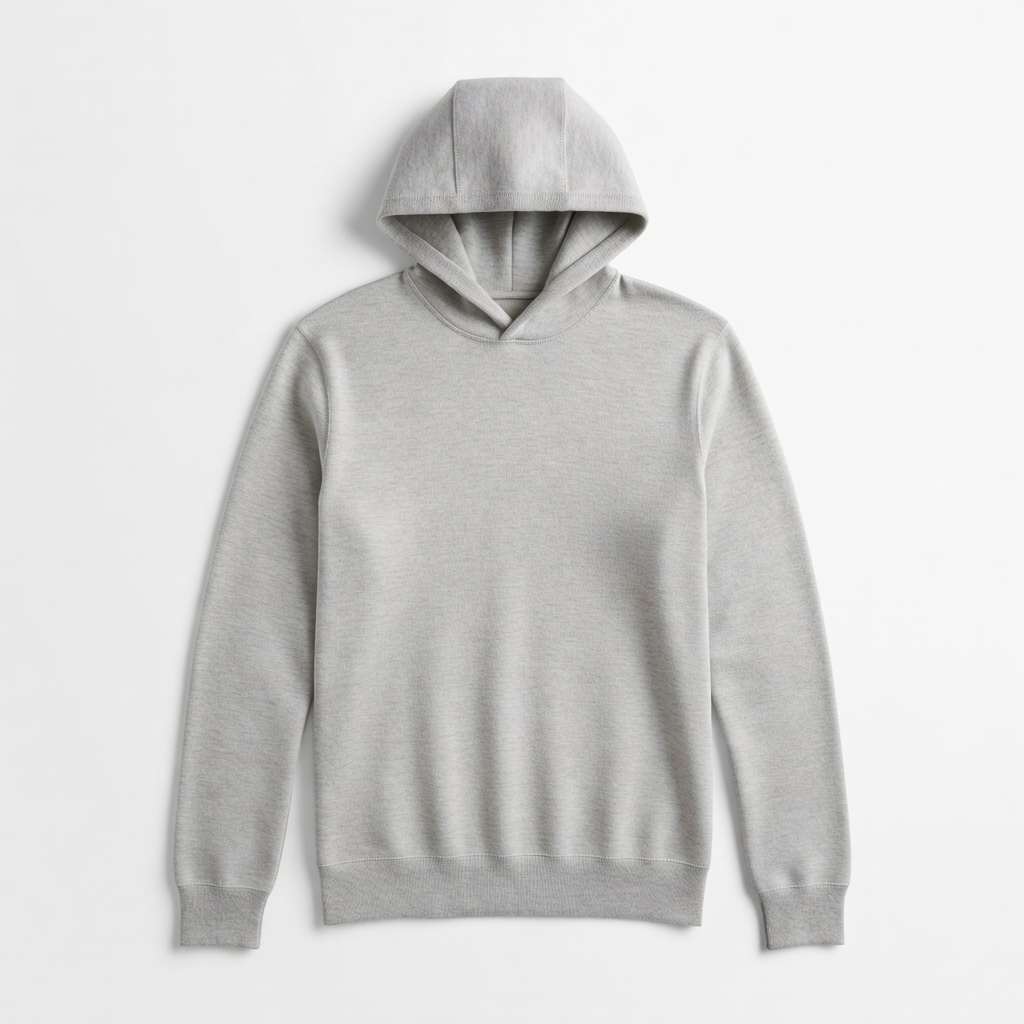
Cold-weather hikes or layering—odor-free for multi-day use.
Icebreaker Men's Merino 200 Oasis Hoodie 100% merino wool naturally regulates temp and breathes in all weathers.
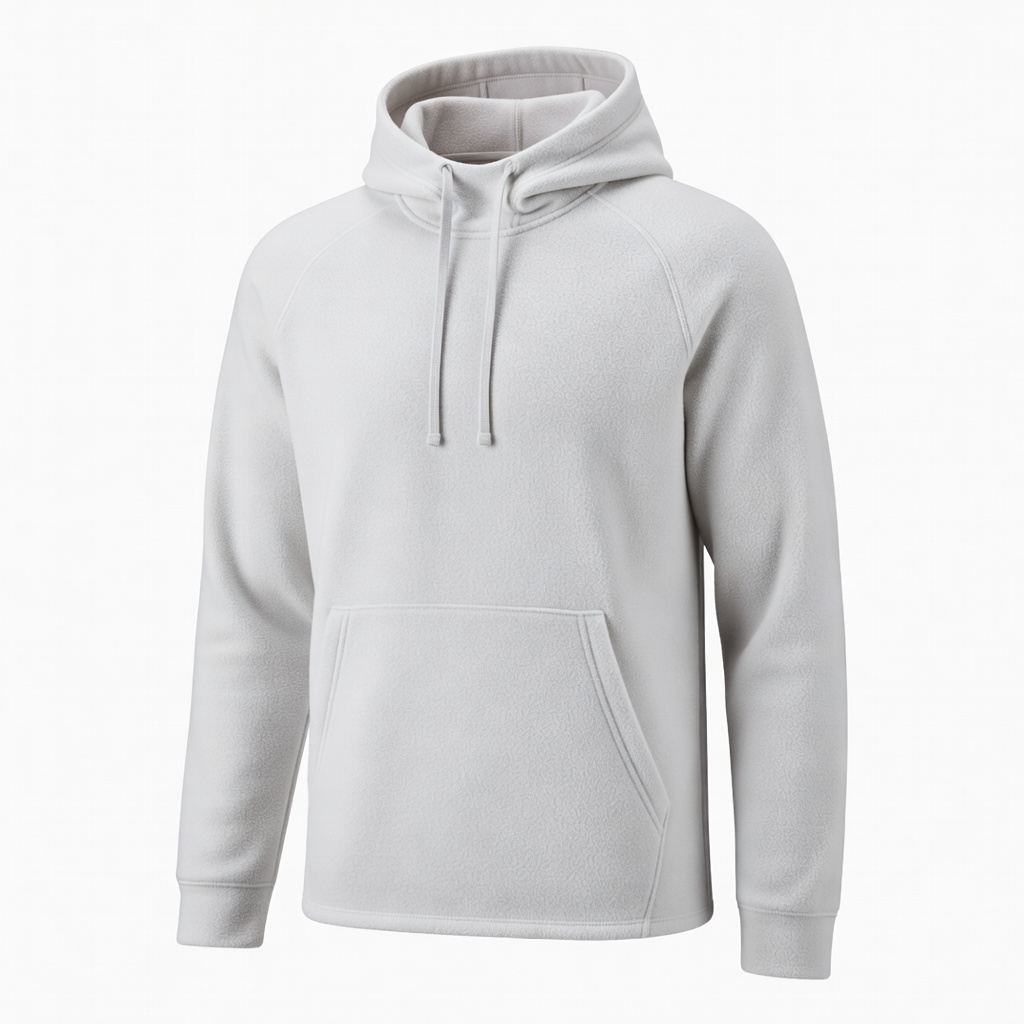
High-intensity interval training or team sports.
Nike Men's Dri-FIT ADV Tech Fleece Hoodie Polyester with advanced vapor cone tech for elite breathability and stretch.
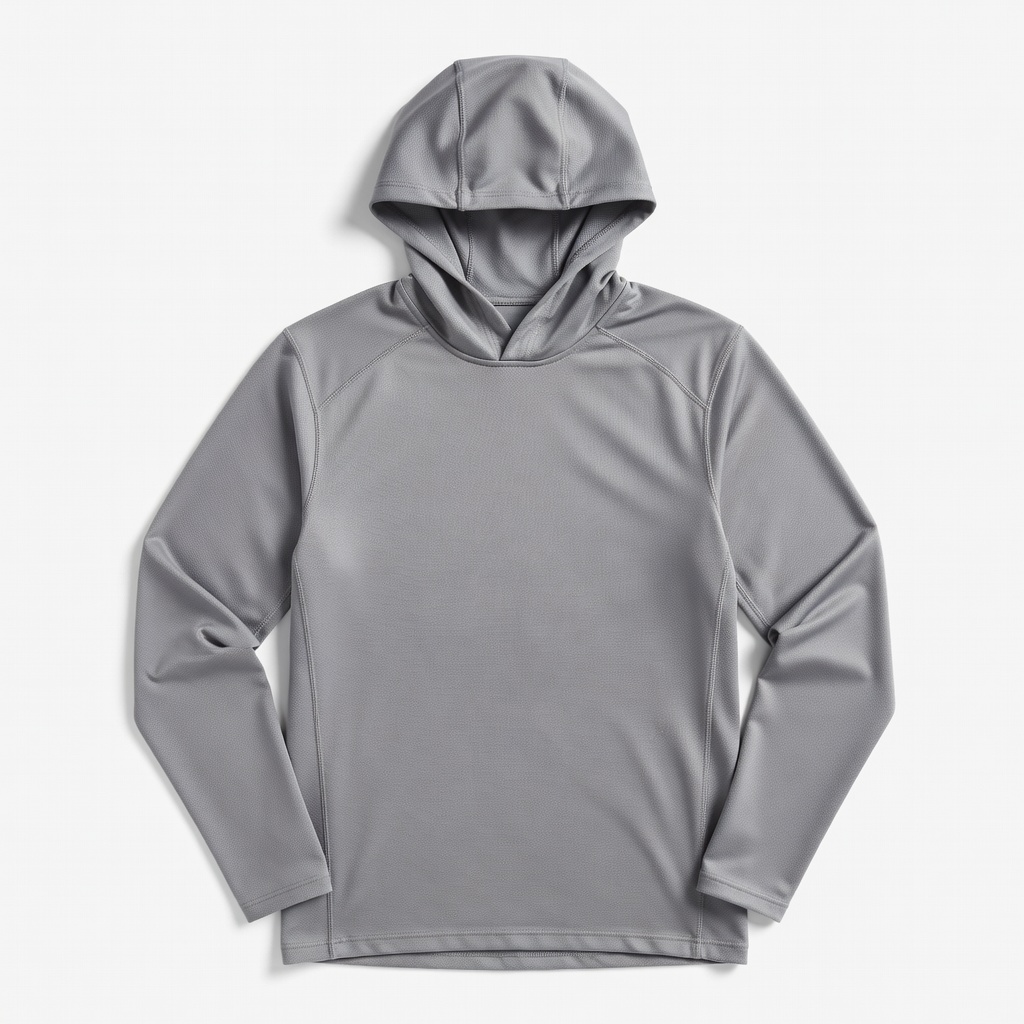
Everyday gym sessions or casual activewear.
Under Armour Men's Tech Mesh Hoodie Nylon-poly blend with mesh panels for max airflow at budget price.
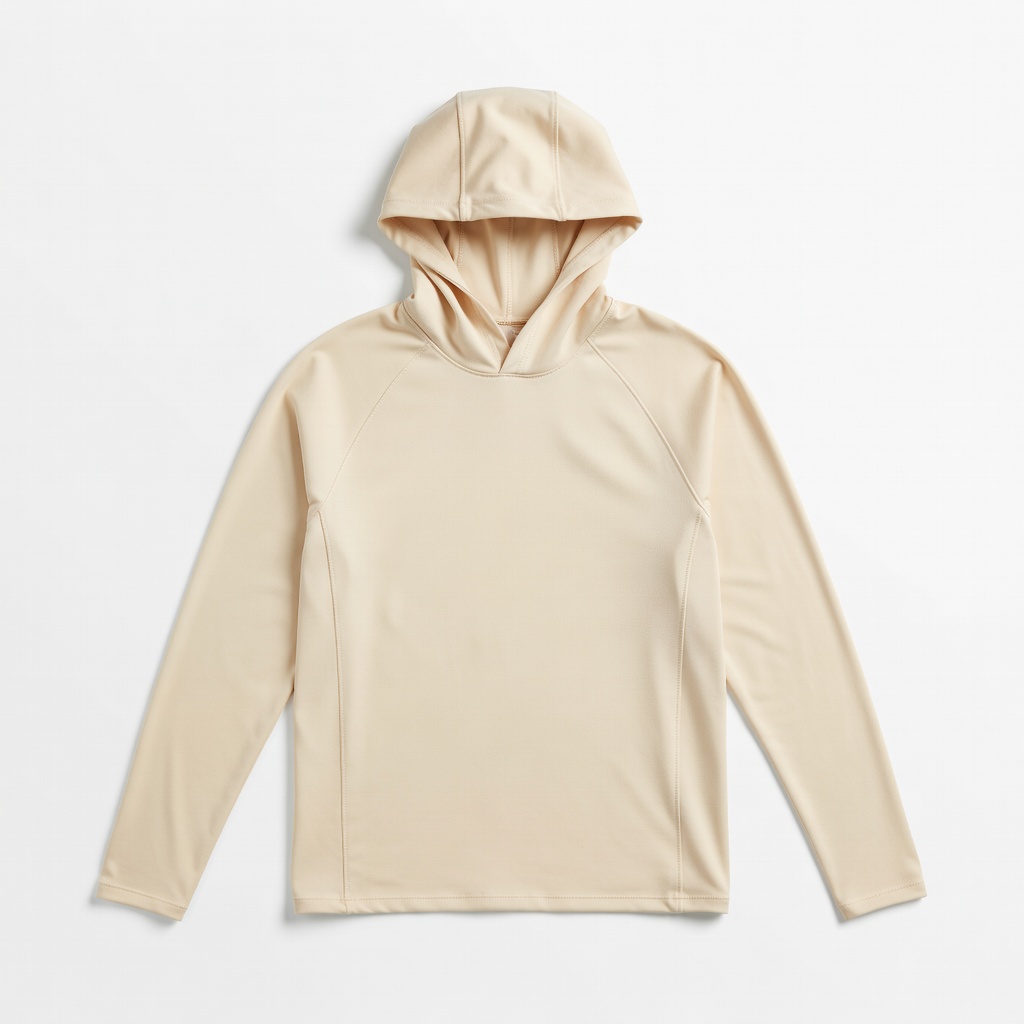
Yoga or low-impact for sensitive skin.
Boody Active Hoodie (Bamboo) Bamboo viscose for soft, hypoallergenic breathability outperforming cotton.