
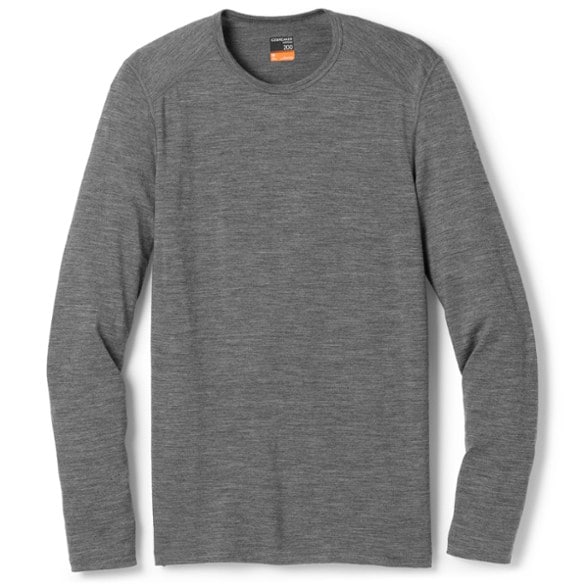
Icebreaker Men's 200 Oasis Long Sleeve Crewe
Multi-day hiking or backpacking where washing isn't possible.
$90-$110
Icebreaker Men's 200 Oasis Long Sleeve Crewe 100% merino wool with natural antimicrobial properties—stays odor-free for days.
Get the App
Better experience on mobile
Learn the top fabrics that keep your active base layers fresh for days, plus tips to choose and care for them.
Ever peeled off your base layer after a multi-day hike, only to gag at the stench?
You're not alone—odor in active base layers is a top complaint for hikers, runners, and outdoor enthusiasts. It happens when sweat-soaked fabrics trap bacteria that thrive in moist, warm conditions. But not all fabrics are equal; some naturally fight odor, while others rely on tech treatments.
In this guide, you'll discover the best fabrics for odor prevention, how they work, and real-world examples. By the end, you'll know how to pick base layers that stay fresh longer—no more packing extra clothes for short trips. It's beginner-friendly, taking just 10-15 minutes to read and apply.
Estimated Time: 10-15 minutes Difficulty: beginner
Odor starts with sweat: your body releases moisture and salts during activity. Bacteria on your skin feed on this, producing smelly compounds. Fabrics absorb this mix, and if they hold moisture or provide a bacterial playground, stink builds fast.
Cotton is the worst—it's like a sponge, staying wet and breeding bacteria. Good base layer fabrics wick moisture away quickly and either kill bacteria or don't let them grow. Expect synthetics to dry fast but potentially smell if untreated; naturals shine on longer trips.
💡 Tips:
Look for moisture-wicking, quick-drying, and antimicrobial traits. Wicking pulls sweat off skin; quick-dry prevents bacterial growth; antimicrobial kills or inhibits bacteria.
Analogy: Think of fabric as a battlefield—wicking is the army pushing enemies (bacteria) back, antimicrobial is the pesticide. No single fabric does all perfectly, but top ones combine them naturally or via treatments.
⚠️ Warnings:
Merino wool tops the list for odor prevention. Its keratin protein and lanolin naturally repel bacteria—wear it 3-5 days without washing, and it stays fresh.
Fine merino (17-21 microns) is soft, not itchy, and wicks well. Real-world: Hikers on the Appalachian Trail swear by it for thru-hikes. Expect slight itch if coarse; best for cool-to-mild temps.
💡 Tips:
Polyester and nylon blends dry fastest but smell quick without help. Look for HeiQ Pure, silver ions, or copper treatments—these embed antimicrobials that last 50+ washes.
Example: Polartec Delta or Capilene with MiDori. Great for hot, sweaty activities; cheaper than merino. Downside: Can feel plasticky if low-quality.
Bamboo rayon and Tencel (lyocell) have bamboo's natural antimicrobial agent (bamboo kun) or smooth fibers that resist bacteria. They're soft, breathable, but less proven than merino for multi-day use.
Best as blends. Expect eco-friendliness but potential shrinkage.
💡 Tips:
⚠️ Warnings:
Top performers mix merino (40-80%) with synthetics/nylon for durability and dry speed. Permanent treatments like Polygiene (silver salt) outperform sprays.
Compare: Pure merino for odor king; treated poly for budget/hot weather.
Match to use: Merino for backpacking; treated synthetics for gym/running. Read labels for 'odor control' or 'HeiQ.' Wash test: Air-dry used layer—if no smell, it's a winner.
Budget: Merino $50-100; synthetics $20-50.
💡 Tips:
Problem: Odor returns after a few wears
Solution: Check wash method; use vinegar soak (1 cup per load) for reset. Replace if treatment worn.
Problem: Itchy or pilling fabric
Solution: Merino allergy rare—try synthetics. Pill from friction: wash gently.
Problem: Layer feels heavy/wet
Solution: Poor wicking—upgrade to higher % merino or treated nylon.
100% merino wool with natural antimicrobial properties—stays odor-free for days.
Best for: Multi-day hiking or backpacking where washing isn't possible.
Price Range: $90-$110
Polyester with MiDori bio-based odor control—effective, eco-friendly treatment.
Best for: Hot weather runs or gym sessions needing quick-dry.
Price Range: $35-$45
Midweight merino blend for superior odor resistance and warmth.
Best for: Cold-weather layering for skiing or winter hikes.
Price Range: $85-$105
Anti-odor technology in polyester—budget-friendly with lasting freshness.
Best for: Daily training or high-sweat workouts.
Price Range: $25-$35
Multi-day hiking or backpacking where washing isn't possible.
Icebreaker Men's 200 Oasis Long Sleeve Crewe 100% merino wool with natural antimicrobial properties—stays odor-free for days.
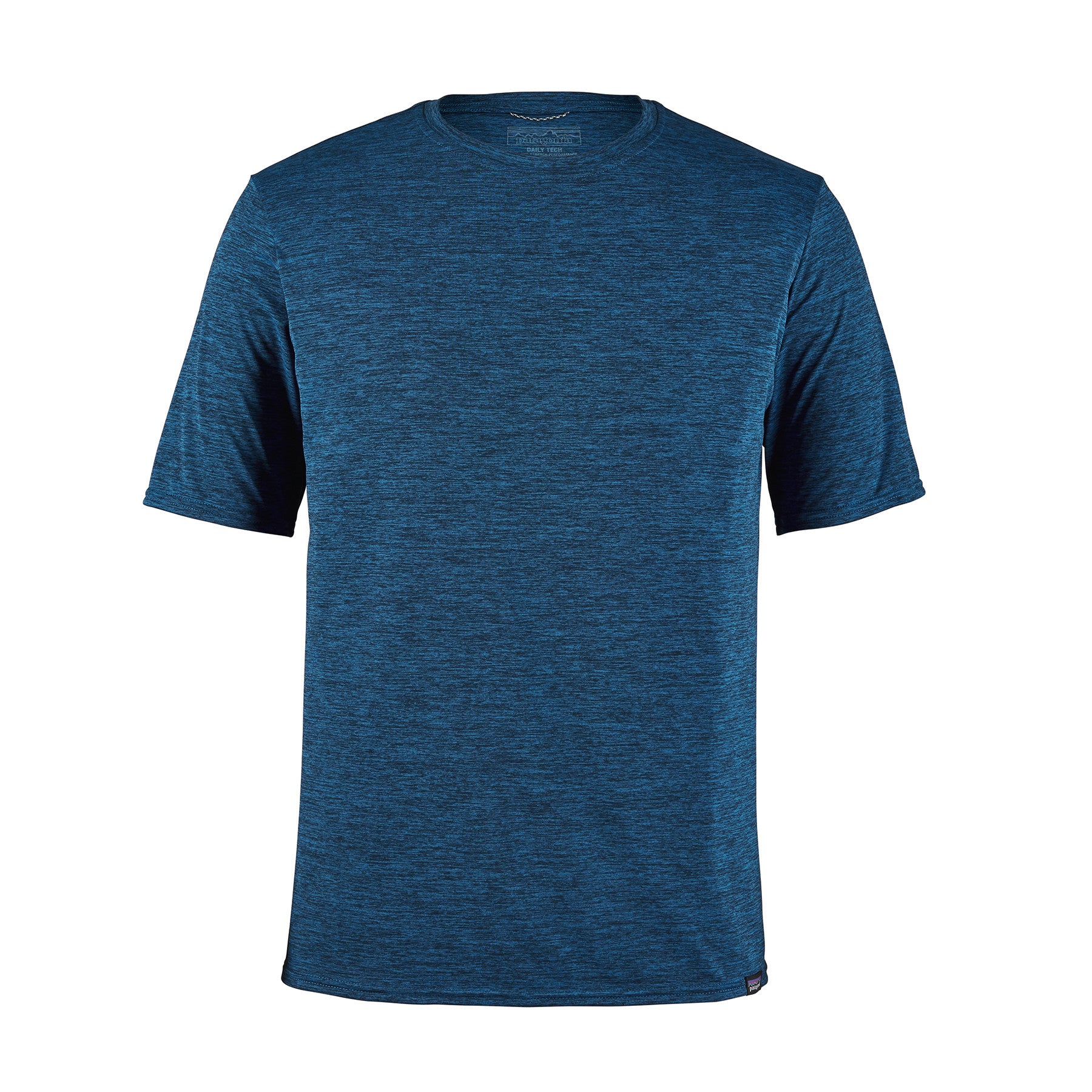
Hot weather runs or gym sessions needing quick-dry.
Patagonia Men's Capilene Cool Daily Shirt Polyester with MiDori bio-based odor control—effective, eco-friendly treatment.
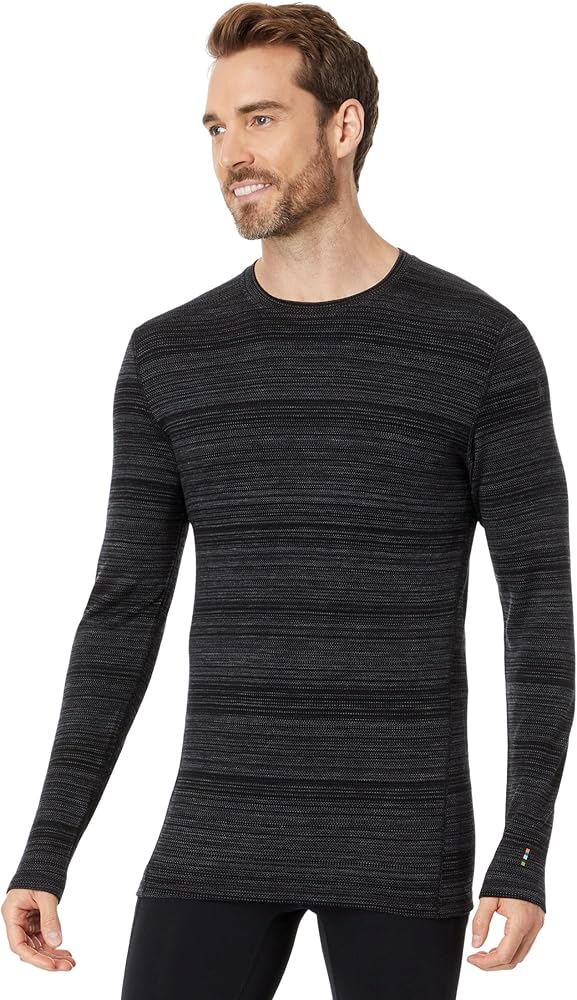
Cold-weather layering for skiing or winter hikes.
Smartwool Men's Merino 250 Base Layer Crew Midweight merino blend for superior odor resistance and warmth.
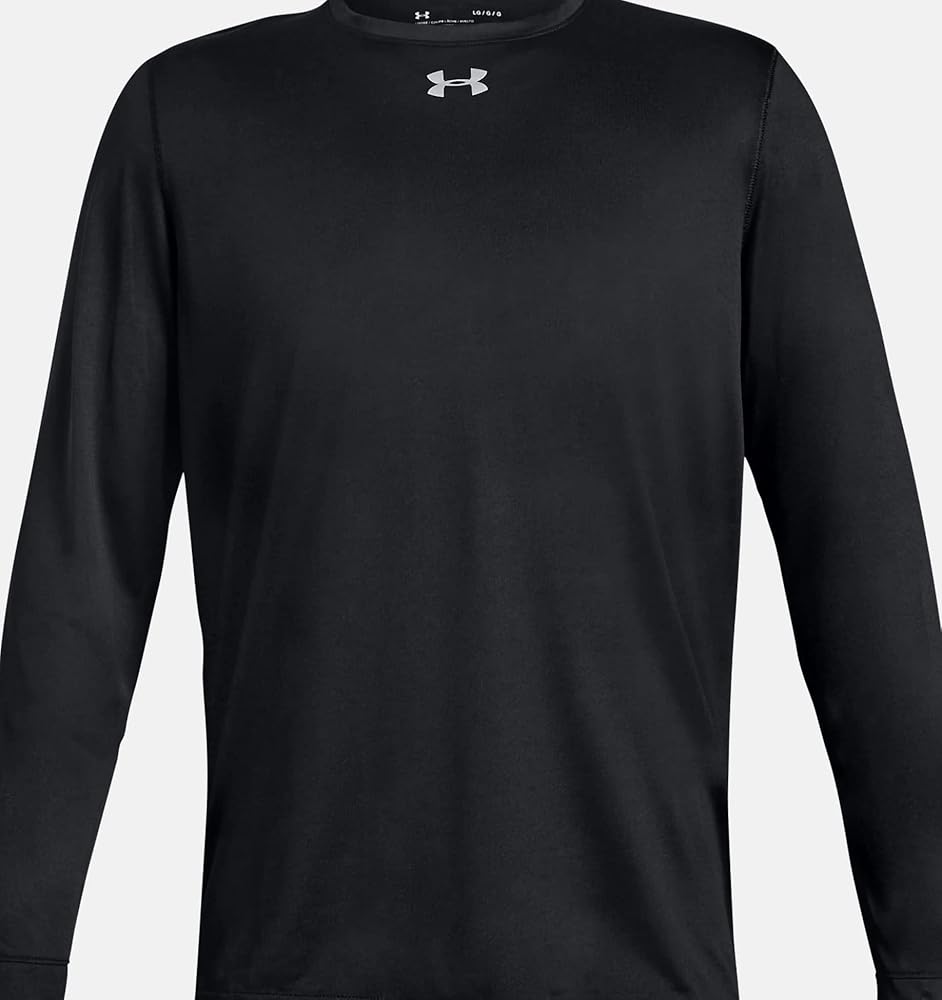
Daily training or high-sweat workouts.
Under Armour Men's Tech 2.0 Long-Sleeve Anti-odor technology in polyester—budget-friendly with lasting freshness.