Imagine lacing up for a run or gym session, only to feel trapped in a sweaty, clammy hoodie minutes in. Poor breathability is a common frustration for active folks, leading to discomfort, chafing, and even quitting workouts early. The good news? Choosing the right fabric can transform your active hoodie into a performance powerhouse.
In this guide, you'll discover what makes a fabric breathable, the best options for active hoodies, and how to spot them. We'll break down synthetics, naturals, and blends with simple analogies—no jargon overload. By the end, you'll confidently pick hoodies that wick sweat and let air flow, keeping you fresh from warm-up to cool-down.
This explainer takes just 10-15 minutes to read, perfect for beginners. No prior knowledge needed; we'll explain everything step-by-step.
▸What You'll Need
- •No tools or materials required
- •Basic curiosity about clothing fabrics (optional: a hoodie label to check)
Estimated Time: 10-15 minutes
Difficulty: beginner
▸Step-by-Step Instructions
Step 1: Understand What Breathability Means
Breathability is a fabric's ability to let air and moisture vapor escape while blocking wind or rain. Think of it like your skin breathing: good fabrics act like a porous window, allowing sweat vapor out without letting liquid water in.
For active hoodies, this prevents the 'sauna effect' during cardio or HIIT. Poor breathability traps heat and humidity, making you feel heavier and hotter. Expect fabrics measured in MVTR (Moisture Vapor Transmission Rate)—higher numbers mean better breathability.
Analogy: Like a mesh colander draining water vs. a sealed plastic bag trapping it.
💡 Tips:
- •Look for 'highly breathable' or MVTR ratings above 10,000g/m²/24hrs on labels.
Step 2: Differentiate Breathability from Moisture-Wicking
Breathability moves vapor; wicking pulls liquid sweat away from skin to evaporate. They work together: wicking spreads sweat, breathability evaporates it.
Many hoodies claim 'moisture-wicking' but skimp on breathability—resulting in a wet, heavy feel. For active use, prioritize both. Synthetics excel here, unlike cotton which absorbs and holds moisture.
Why it matters: In high-sweat activities, this combo keeps you dry and temp-regulated.
⚠️ Warnings:
- •Don't confuse the terms—wicking alone won't save a non-breathable hoodie.
Step 3: Explore Top Synthetic: Polyester and Blends
Polyester is king for breathable active hoodies—lightweight, quick-drying, and engineered for airflow. Often blended with spandex (5-10%) for stretch and elastane for recovery.
Pros: Affordable, durable, hydrophobic (repels water). Cons: Can feel plasticky if low-quality. Look for recycled polyester with mesh panels for extra venting.
Example: 100% polyester or 92% poly/8% spandex—feels airy like a tech tee, not heavy fleece.
💡 Tips:
- •Seek 'Dri-FIT' or 'Climalite' tech names for proven polyester blends.
Step 4: Consider Nylon for Durability and Ventilation
Nylon offers similar breathability to polyester but with superior abrasion resistance—ideal for trail runs or outdoor hoodies. Blends like 80% nylon/20% polyester add toughness without bulk.
It shines in variable weather: wind-resistant yet vapor-permeable. Analogy: Like Gore-Tex lite—protects while breathing.
Why choose it: Longer lifespan for rugged activities; often used in premium active hoodies.
Step 5: Discover Natural Options: Merino Wool
Merino wool (fine fibers from sheep) is naturally breathable, temp-regulating, and odor-resistant. 200gsm midweight works for hoodies—wicks better than synthetics in some tests.
Pros: Soft, no itch, versatile for layering. Cons: Pricier, less durable if not blended.
Analogy: Nature's thermostat—cools when hot, warms when cool. Great for multi-day wear without stink.
💡 Tips:
- •Opt for 15.5+ micron merino to avoid itchiness.
⚠️ Warnings:
- •Avoid coarse wool; stick to merino for active use.
Step 6: Evaluate Advanced Fabrics and Technologies
Next-gen options like Tencel (lyocell from wood pulp) or bamboo rayon offer eco-friendly breathability. Tech add-ons: perforated zones, hydrophobic treatments.
Blends rule: polyester-merino hybrids combine best worlds. Check for UPF if sunny.
Pro tip: Fabrics with 'air-permeable membranes' boost performance.
Step 7: How to Identify and Test Breathable Hoodies
Read labels for % composition, 'breathable,' or tech like 'AeroReady.' In-store: Hold to light (see through weave), fan test (feel airflow), stretch check.
Wear test: 20-min jog—if dry and cool, winner. Wash per instructions to maintain breathability.
Final check: Avoid 100% cotton or fleece unless 'technical fleece.'
💡 Tips:
- •Use product reviews for real sweat tests.
▸Pro Tips
- •Layer with base layers of similar fabrics for max breathability.
- •Choose hoodies with underarm gussets or mesh vents.
- •Wash inside-out in cold water; air-dry to preserve pores.
- •Size up slightly for airflow if between sizes.
- •Test in your activity: gym vs. trail needs differ.
- •Look for bluesign® certified fabrics for eco-breathability.
- •Blend check: 90/10 poly-spandex is gold standard.
▸Common Mistakes to Avoid
- •Picking cotton hoodies—absorbs sweat, kills breathability; choose synthetics instead.
- •Ignoring blends—pure polyester can cling; add spandex for movement.
- •Overlooking care labels—hot dryers shrink pores; air-dry always.
- •Confusing fleece with breathable—fleece traps heat; seek technical versions.
- •Buying cheap no-name brands—poor weave reduces airflow; invest in known tech.
▸Troubleshooting
Problem: Hoodie feels clammy during workouts
Solution: Switch to higher MVTR fabric or add mesh panels; test wicking first.
Problem: Odor buildup despite washing
Solution: Merino or antimicrobial treatments needed; avoid wool washes on synthetics.
Problem: Pilling or loss of breathability after washes
Solution: Use mesh bag, cold wash; replace if weave damaged—no pro needed.
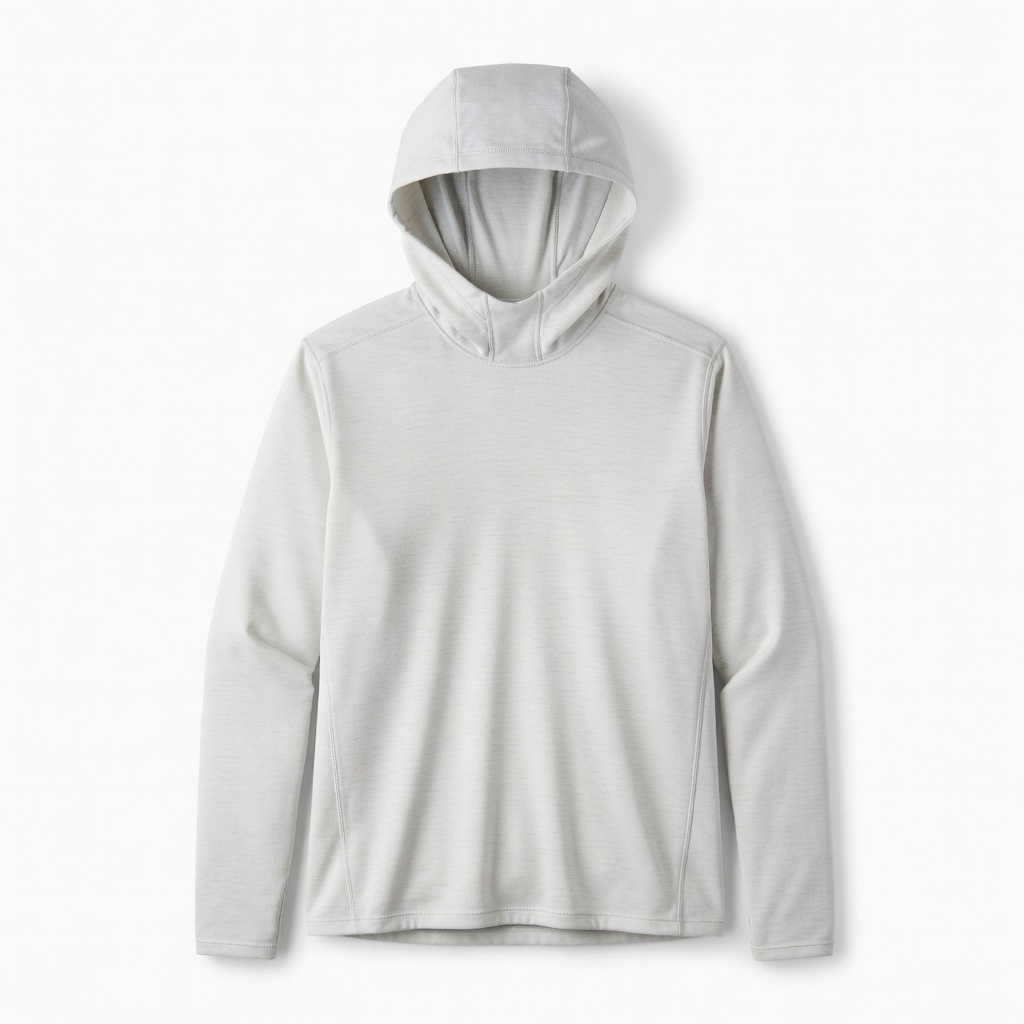
Patagonia Men's Capilene Cool Daily Hoodie
Made from 100% recycled polyester with HeiQ odor control—exceptional breathability and quick-dry for all-day active use.
Best for: Trail running or yoga; MVTR-focused for high-sweat sessions.
Price Range: $55-$65
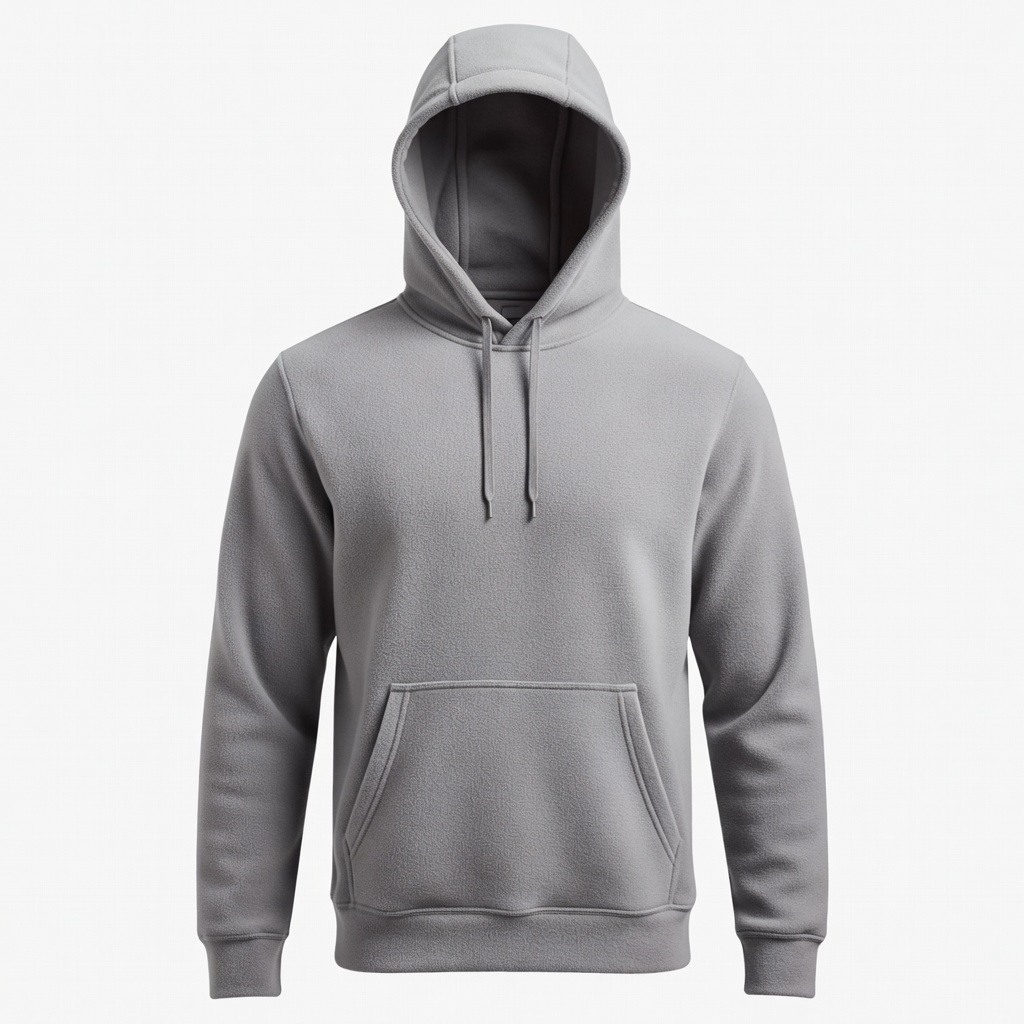
Under Armour Men's Rival Fleece Hoodie
UA Tech fabric (100% polyester) wicks and breathes superbly, with anti-odor tech for gym reliability.
Best for: Weightlifting or casual cardio; budget-friendly breathability.
Price Range: $30-$40
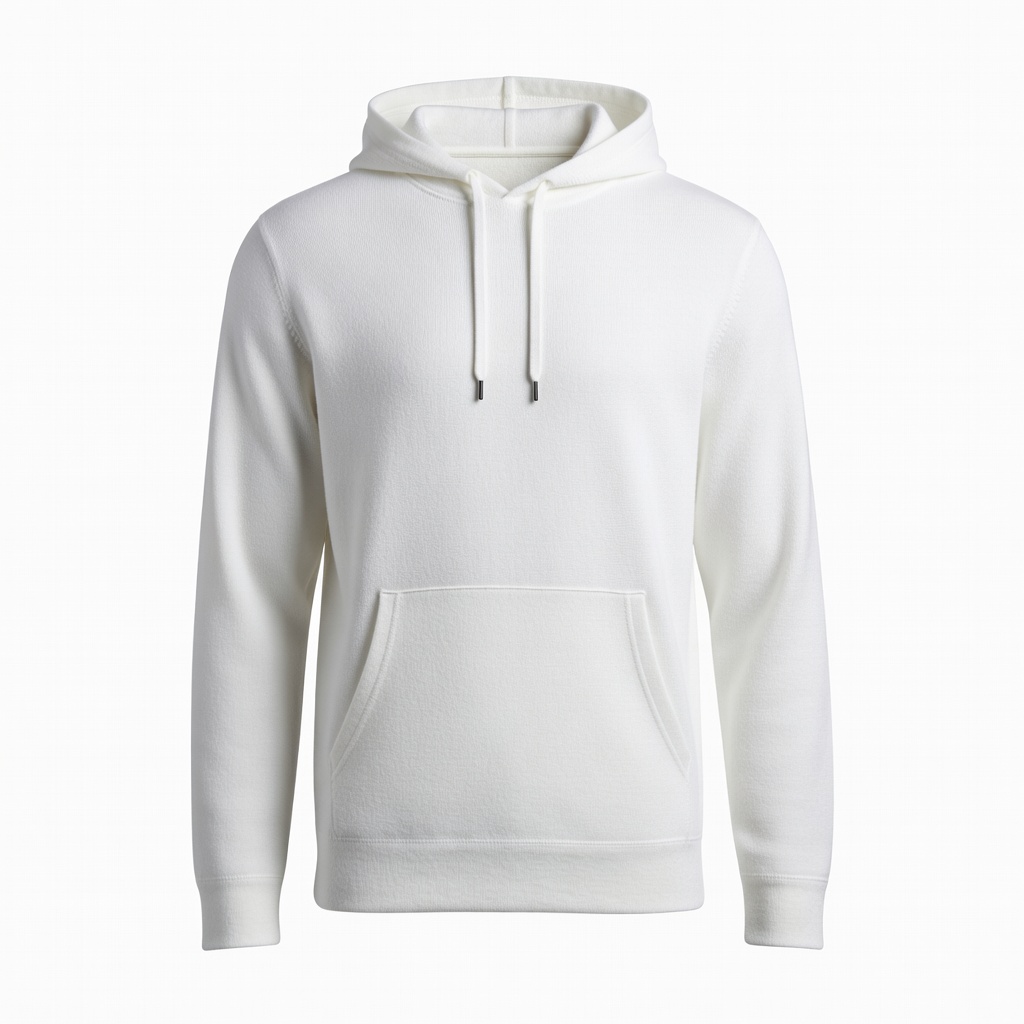
Icebreaker Men's Oasis 200 Merino Hoodie
100% merino wool naturally regulates temp and breathes across seasons—odor-free for multi-day wear.
Best for: Hiking or cool-weather runs; premium natural option.
Price Range: $90-$110
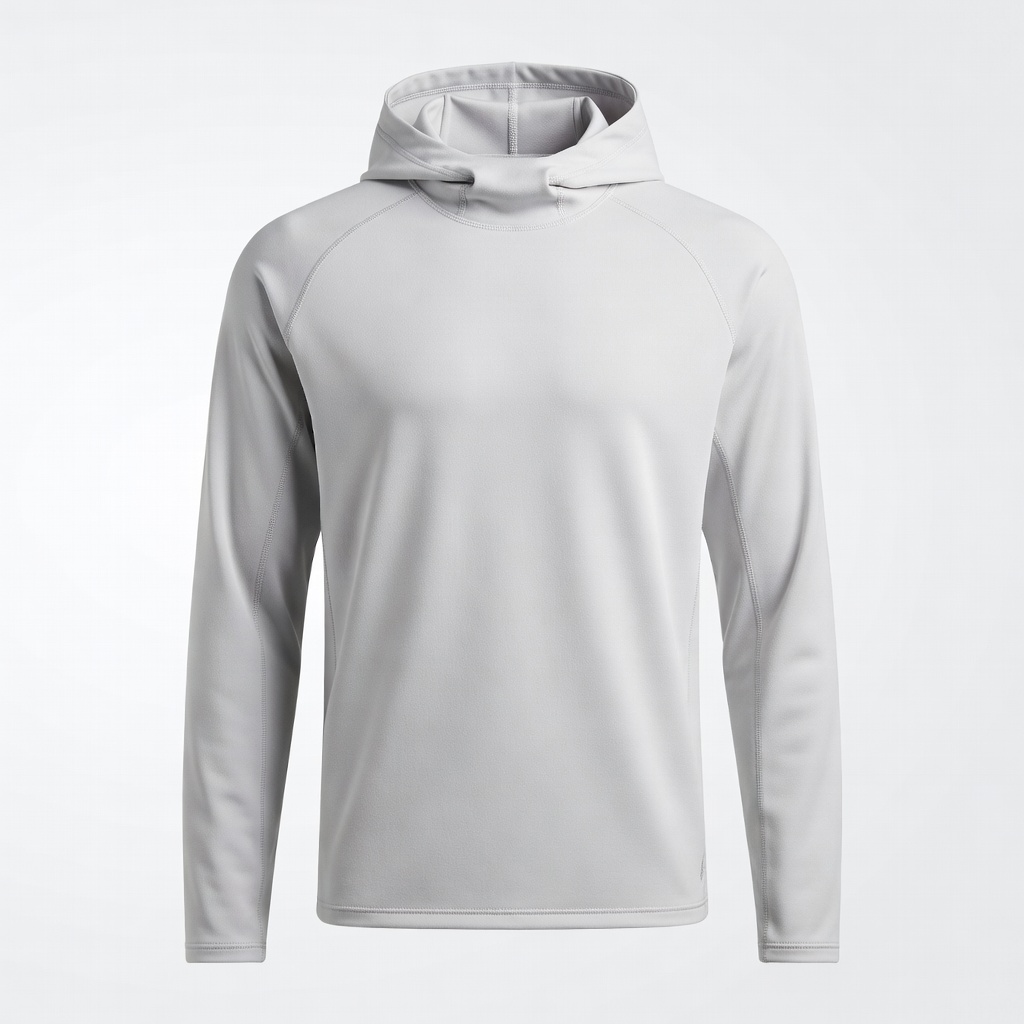
Adidas Men's Designed to Move Hoodie
Polyester-elastane blend with Aeroready tech—stretches and vents sweat for dynamic movement.
Best for: Team sports or HIIT; great value.
Price Range: $25-$35