Hot yoga isn't just a workout—it's a sweaty, steamy challenge where temperatures soar to 100°F (38°C) with 40% humidity. The wrong active pants can leave you chafing, overheating, or slipping on the mat, turning your flow into frustration. Choosing the right fabric makes all the difference for staying dry, supported, and focused.
In this guide, you'll break down the science of fabrics for hot yoga pants: from moisture-wicking magic to breathable weaves. We'll compare options with real-world examples, analogies (like why cotton is a sponge in a sauna), and pro tips. By the end, you'll confidently shop for pants that perform in the heat—no more post-class wardrobe malfunctions.
Expect a quick read (10-15 minutes) that's intermediate-friendly: some fabric basics assumed, but everything explained simply.
▸What You'll Need
- •Basic knowledge of yoga pants sizing and fit
- •Access to product labels or online specs (no tools required)
- •Optional: A hot yoga class to test fabrics in action
Estimated Time: 10-15 minutes to read and understand
Difficulty: intermediate
▸Step-by-Step Instructions
Step 1: Understand Hot Yoga's Demands
Hot yoga (like Bikram or Vinyasa in heated rooms) combines high heat, humidity, and dynamic poses. Fabrics must handle profuse sweat without clinging or restricting movement. Think of it like choosing swimwear for a pool party—except the 'pool' is your own perspiration.
Key stressors: Sweat saturation (up to 1 liter/hour), constant stretching, and quick floor-to-standing transitions. Poor fabrics trap moisture, cause chafing, or lose shape. Expect fabrics that feel 'alive'—light, responsive, and invisible during poses.
💡 Tips:
- •Visualize your ideal pant: feather-light yet supportive.
Step 2: Prioritize Moisture-Wicking
Moisture-wicking pulls sweat from skin to fabric's surface for fast evaporation—like a towel engineered for speed. Synthetics excel here; cotton absorbs and holds 27x its weight in water, staying soggy.
Look for 'quick-dry' claims backed by tech like hydrophobic coatings. In hot yoga, this prevents the 'wet diaper' feel, reducing slip risk in downward dog.
⚠️ Warnings:
- •Avoid 100% cotton—it's cheap but disastrous in heat.
Step 3: Demand Breathability
Breathable fabrics have open weaves or perforations for airflow, cooling you like a mesh screen door. Measured by MVTR (moisture vapor transmission rate), top fabrics score 10,000g/m²/day+.
Analogy: Non-breathable = plastic bag; breathable = summer dress. In hot yoga, this vents steam, preventing trapped heat bubbles.
💡 Tips:
- •Feel the fabric: airy and cool to touch? Good sign.
Step 4: Ensure 4-Way Stretch and Recovery
4-way stretch (vertical, horizontal, diagonal) allows full warrior lunges without binding. Spandex/elastane (5-20%) provides snap-back, like rubber bands in fabric form.
Why it matters: Hot yoga demands compression for muscle support yet freedom. Test: Stretch fabric—does it rebound fast without bagging?
Step 5: Evaluate Durability and Quick-Dry
Durable fabrics resist pilling, fading from sweat salts, and seam blowouts. Quick-dry (under 30 min) means machine-wash ready post-class.
Nylon beats polyester here for abrasion resistance. Expect UPF 30+ bonus for outdoor flows.
💡 Tips:
- •Check for flatlock seams to avoid chafing.
Step 6: Top Fabric Picks: Nylon/Spandex Blends
Nylon (polyamide) + 15% spandex = gold standard (e.g., Lululemon Nulu). Ultra-light (90gsm), 360° stretch, wicks like a champ. Feels buttery, dries in 20 min.
Why best: Balances all properties; used in pro gear.
Step 7: Runner-Ups: Polyester/Elastane and Blends
Recycled polyester/elastane (e.g., Athleta Powervita) is affordable, antimicrobial. Slightly thicker but wicks well. Bamboo-modal blends add softness but slower dry.
Avoid pure polyester—less breathable.
Step 8: Fabrics to Avoid and How to Spot Winners
Skip cotton, wool, or heavy knits—they retain odor/moisture. Check labels: 80% nylon/20% spandex ideal. Test in-store: squat, sweat (simulate with water), stretch.
Pro move: Read reviews for 'hot yoga' mentions.
⚠️ Warnings:
- •Cheap Amazon no-names often pill after 5 washes.
▸Pro Tips
- •Layer lightly—pair with breathable tops for full system.
- •Size up for flowy fits in heat; compression for support.
- •Wash inside-out cold; air-dry to preserve elasticity.
- •Test fabrics pre-purchase: hand-wash and fan-dry timed.
- •Seek Oeko-Tex certified for skin-safe dyes.
- •Mix fabrics: nylon legs, mesh panels for extra vent.
- •Budget hack: Outlet sales for premium blends under $50.
▸Common Mistakes to Avoid
- •Choosing cotton blends for 'natural feel'—leads to swampy sessions; opt for synthetics.
- •Ignoring stretch %—too little binds hips; aim 15-20% elastane.
- •Overlooking care tags—hot dryers kill wicking; air-dry always.
- •Buying for looks only—no hot yoga tests means chafing surprises.
- •Picking heavy compression—great for gym, too hot/restrictive for yoga.
▸Troubleshooting
Problem: Pants pill or lose shape after washes
Solution: Use lingerie bag, cold wash, air-dry. Replace if >20% elastane degraded.
Problem: Chafing in inner thighs
Solution: Apply anti-chafe balm; choose seamless or longer inseam pants.
Problem: Odor buildup despite washing
Solution: Soak in vinegar pre-wash; choose silver-infused fabrics next time.
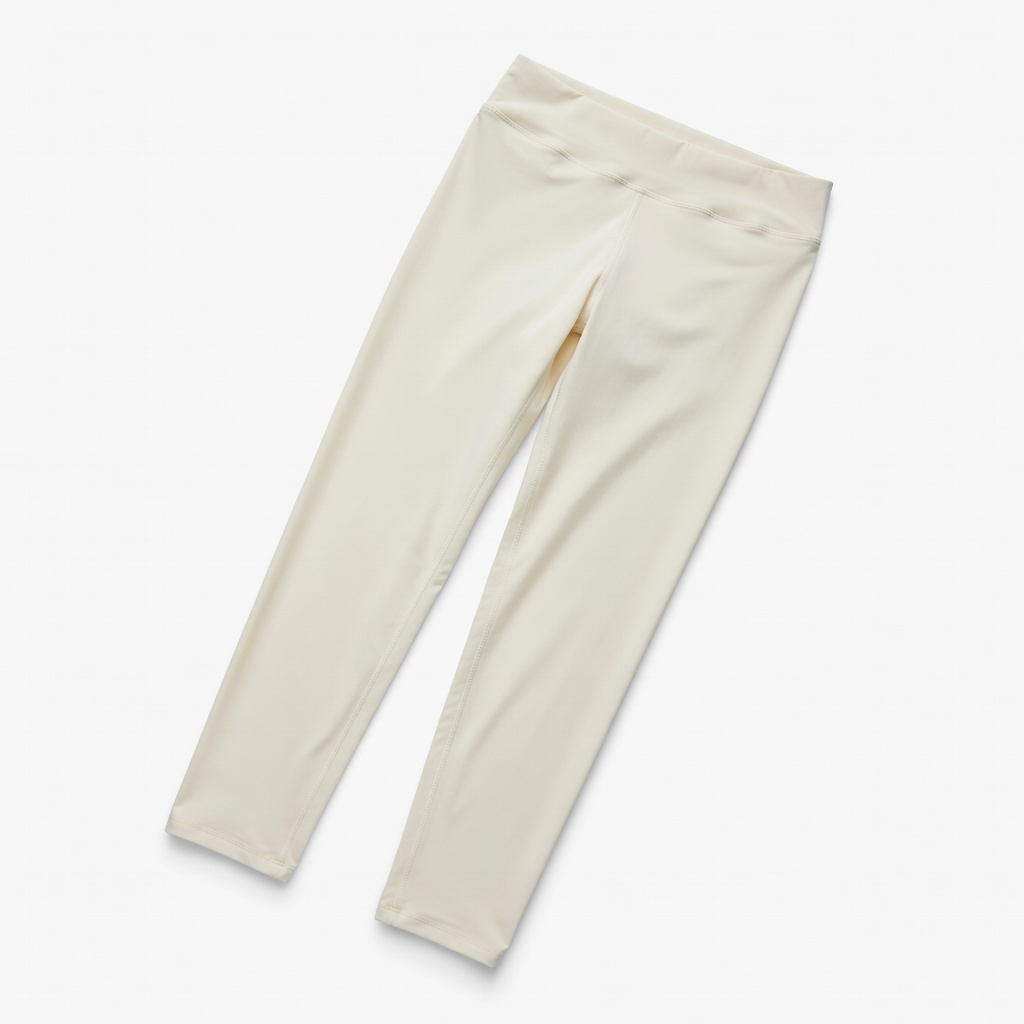
Lululemon Align Pant 28" (Nulu fabric: 81% nylon/19% elastane)
Buttery soft, supreme wicking and breathability—perfect for hot yoga flows.
Best for: Daily hot Vinyasa; lightweight for all-day wear.
Price Range: $98
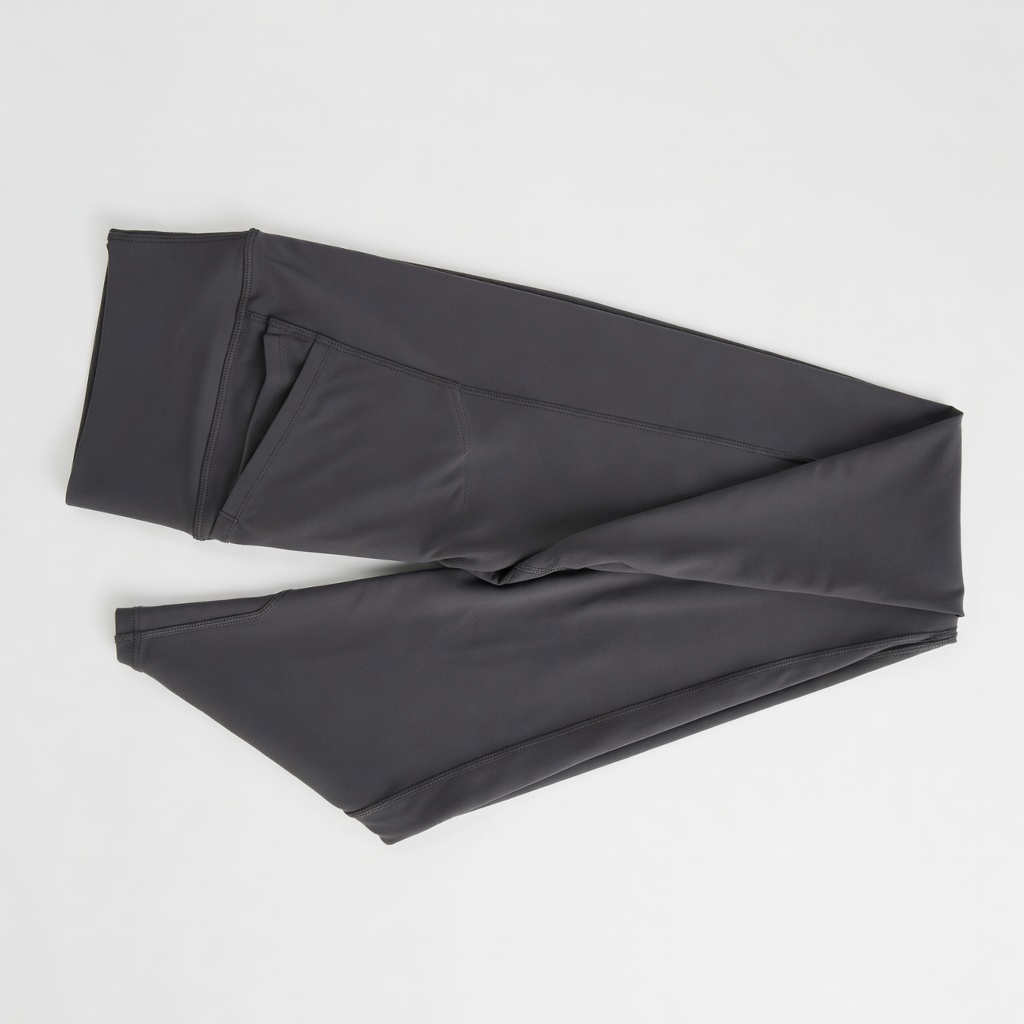
Athleta Salutation Stash Pocket Tight (Powervita: 77% nylon/23% elastane)
High compression with ventilation zones; durable for sweaty sessions.
Best for: Intense Bikram with pockets for essentials.
Price Range: $89-$109
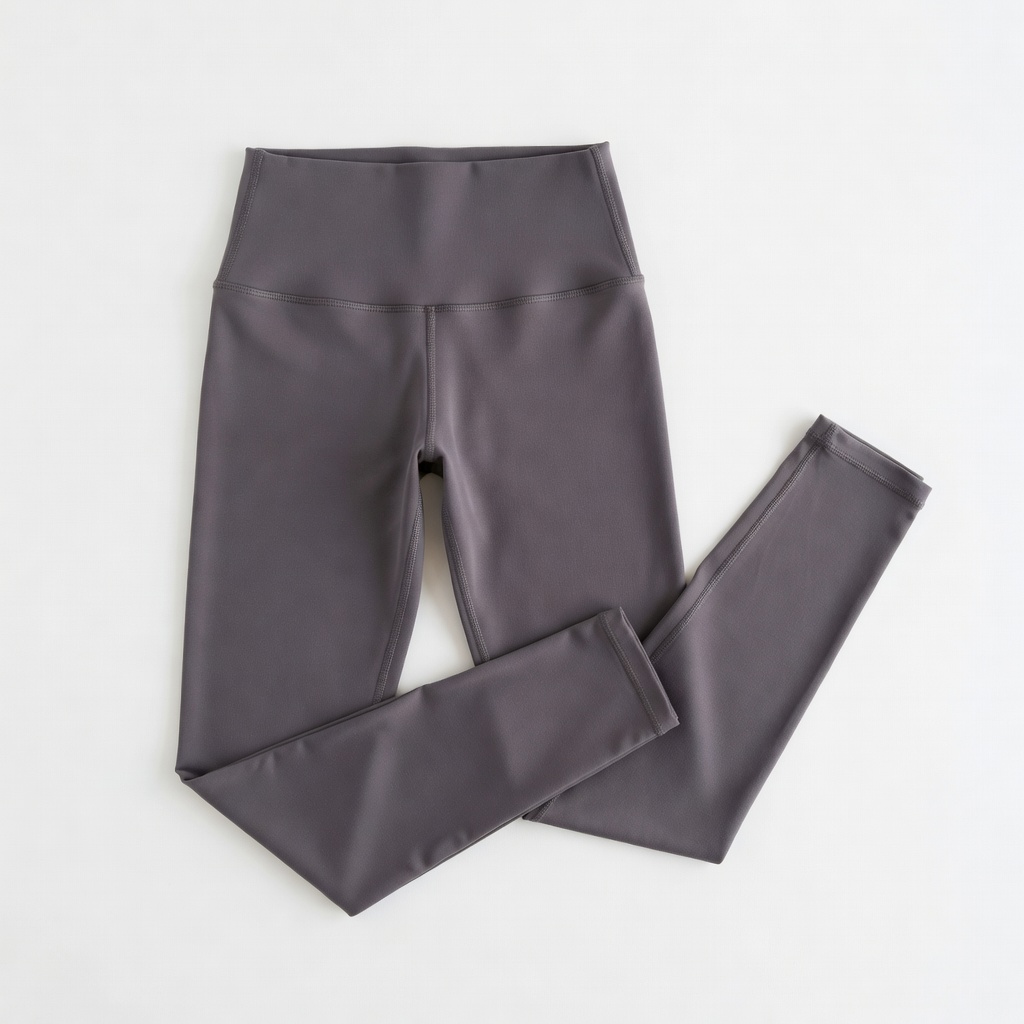
Girlfriend Collective Compressive High-Rise Legging (82% recycled poly/18% spandex)
Eco-friendly, squat-proof wicking at budget price; quick-dry champ.
Best for: Beginner-to-intermediate hot yoga; sustainable choice.
Price Range: $78
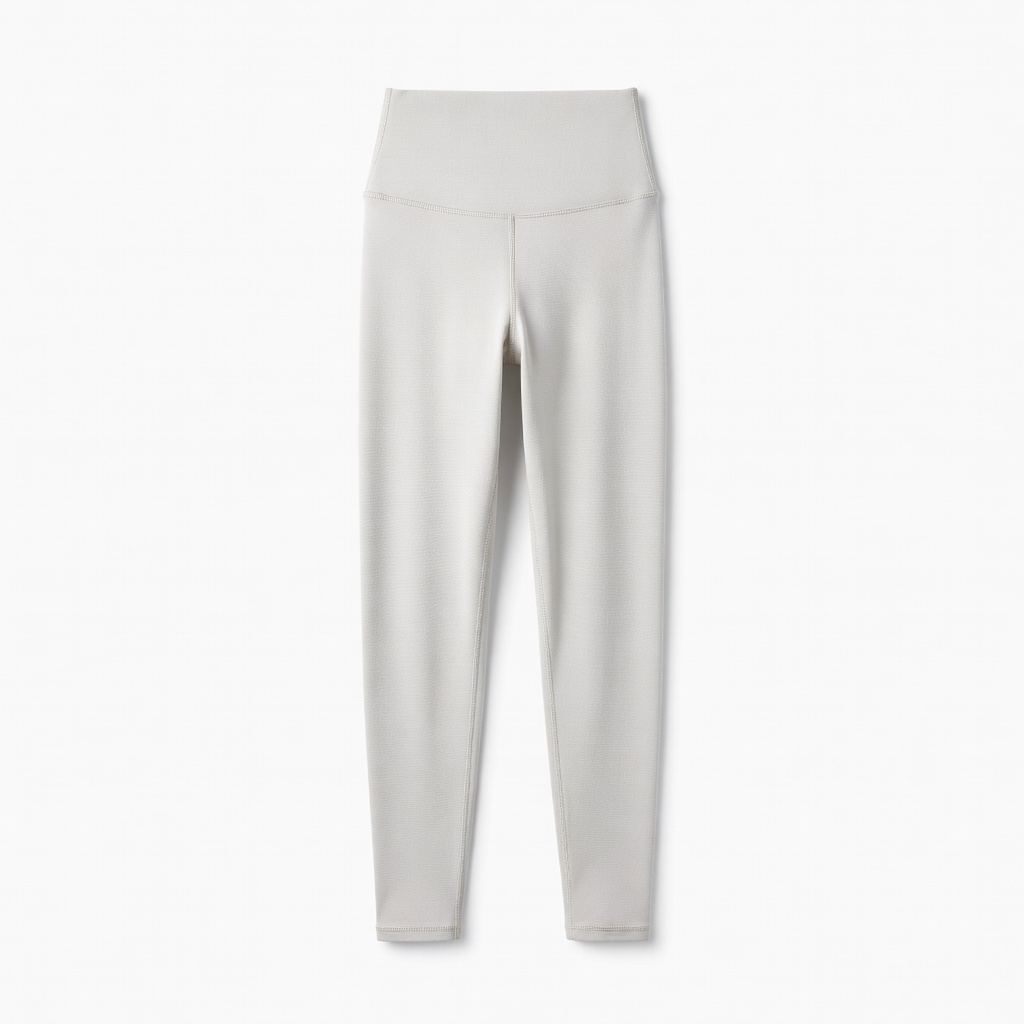
Alo Yoga Airlift Leggings (79% nylon/21% spandex)
Sculpting lift with buttery feel; excellent heat escape.
Best for: Studio or home hot yoga; fashion-forward.
Price Range: $128