
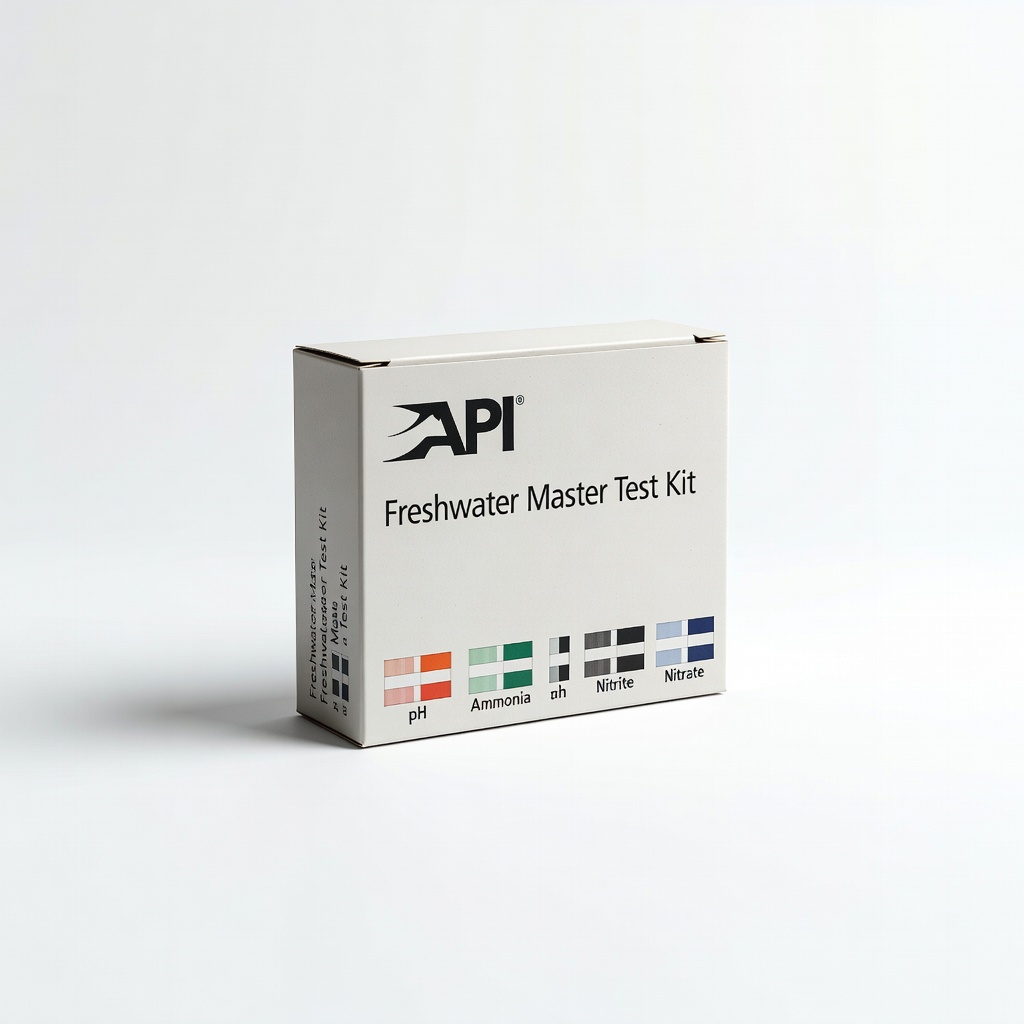
API Freshwater Master Test Kit
Weekly testing to monitor and prevent imbalances.
$28-$35
API Freshwater Master Test Kit Essential for diagnosing nutrient causes like high nitrates/phosphates accurately.
Get the App
Better experience on mobile
Uncover the top triggers of green outbreaks in your tank and master prevention strategies for crystal-clear water.
Picture this: your vibrant freshwater aquarium suddenly turns into a murky green soup, with slimy algae coating every surface. It's a nightmare for any aquarist, killing the beauty of your setup and stressing your fish. Algae blooms aren't just unsightly—they can deplete oxygen and release toxins harmful to aquatic life.
In this guide, you'll learn the primary causes of algae blooms, from light and nutrients to maintenance slip-ups. We'll break it down step-by-step for intermediate hobbyists, so you can diagnose and prevent issues effectively. Expect to gain actionable insights in just 15 minutes—no advanced chemistry required.
By the end, you'll know how to spot early signs and tweak your tank for long-term clarity, saving time and money on fixes.
Estimated Time: 15-20 minutes to read and apply concepts Difficulty: intermediate
Algae thrives on light through photosynthesis, much like plants. In aquariums, too much light—especially direct sunlight or long hours from tank lights—fuels rapid growth. Most algae needs 6-8 hours of light daily; exceed this, and blooms explode.
Why it matters: Fish and plants need moderate light, but algae outcompetes them. Expect green films on glass, decorations, and substrate within days of overexposure.
Check your setup: Note daily light duration and intensity.
💡 Tips:
⚠️ Warnings:
Nutrients like nitrates (from fish waste) and phosphates (from tap water or food) act as algae fertilizer. Levels above 20ppm nitrates or 0.5ppm phosphates trigger blooms. Overfeeding and decaying matter spike these quickly.
Analogy: Think of your tank as a garden—too much fertilizer, and weeds (algae) take over. Test water weekly to monitor; green water or hair algae signals imbalance.
Why it matters: Plants absorb nutrients too, but slow growers can't keep up.
💡 Tips:
Stagnant water allows nutrients to accumulate in dead spots. Weak filters or no powerheads mean low oxygen and trapped waste, perfect for algae.
Expect stringy or spotty algae in corners. Good flow mimics natural rivers, dispersing nutrients and CO2.
Upgrade if flow is under 5-10x tank volume per hour.
💡 Tips:
⚠️ Warnings:
Uneaten food decays into ammonia, nitrates, and phosphates. Feed only what fish eat in 2 minutes, once or twice daily.
Real-world: A pinch too much daily adds up fast in small tanks. Black beard algae loves this.
Siphon substrate weekly to remove debris.
💡 Tips:
Warm water (above 80°F/27°C) speeds metabolism, increasing waste and reducing oxygen—algae party time. Overstocked tanks amplify this.
Rule: 1 inch of fish per gallon max, accounting for adults. Heat spikes from malfunctioning heaters worsen it.
💡 Tips:
Old water builds silicates and trace nutrients; new plants or decor can carry spores. Skipping changes lets issues compound.
Prevention: Quarantine new additions. Change 20-30% water bi-weekly.
💡 Tips:
⚠️ Warnings:
Problem: Bloom persists after fixes
Solution: Test silicates (from sand/substrate); use phosphate remover. Blackout 48-72 hours.
Problem: Green water (planktonic algae)
Solution: Install UV clarifier or add flocculant; improve filtration.
Problem: Algae returns weekly
Solution: Reduce bioload; dose beneficial bacteria weekly.
Problem: Fish gasping at surface
Solution: Emergency oxygenate; treat bloom aggressively as oxygen depletion is critical.
Essential for diagnosing nutrient causes like high nitrates/phosphates accurately.
Best for: Weekly testing to monitor and prevent imbalances.
Price Range: $28-$35
Liquid carbon source that suppresses algae while boosting plant growth.
Best for: Daily dosing in planted tanks to compete with algae.
Price Range: $10-$15
Effective chemical control for spot treatments without harming fish when dosed correctly.
Best for: Quick knockdown of blooms after addressing causes.
Price Range: $12-$20
Customizable spectrum and timer reduces light-induced blooms.
Best for: Full tank lighting upgrade for precise 6-8 hour control.
Price Range: $50-$70
Kills algae spores and bacteria in water column for clear water.
Best for: Ongoing prevention in larger tanks with pumps.
Price Range: $40-$60
Weekly testing to monitor and prevent imbalances.
API Freshwater Master Test Kit Essential for diagnosing nutrient causes like high nitrates/phosphates accurately.

Daily dosing in planted tanks to compete with algae.
Seachem Flourish Excel Liquid carbon source that suppresses algae while boosting plant growth.
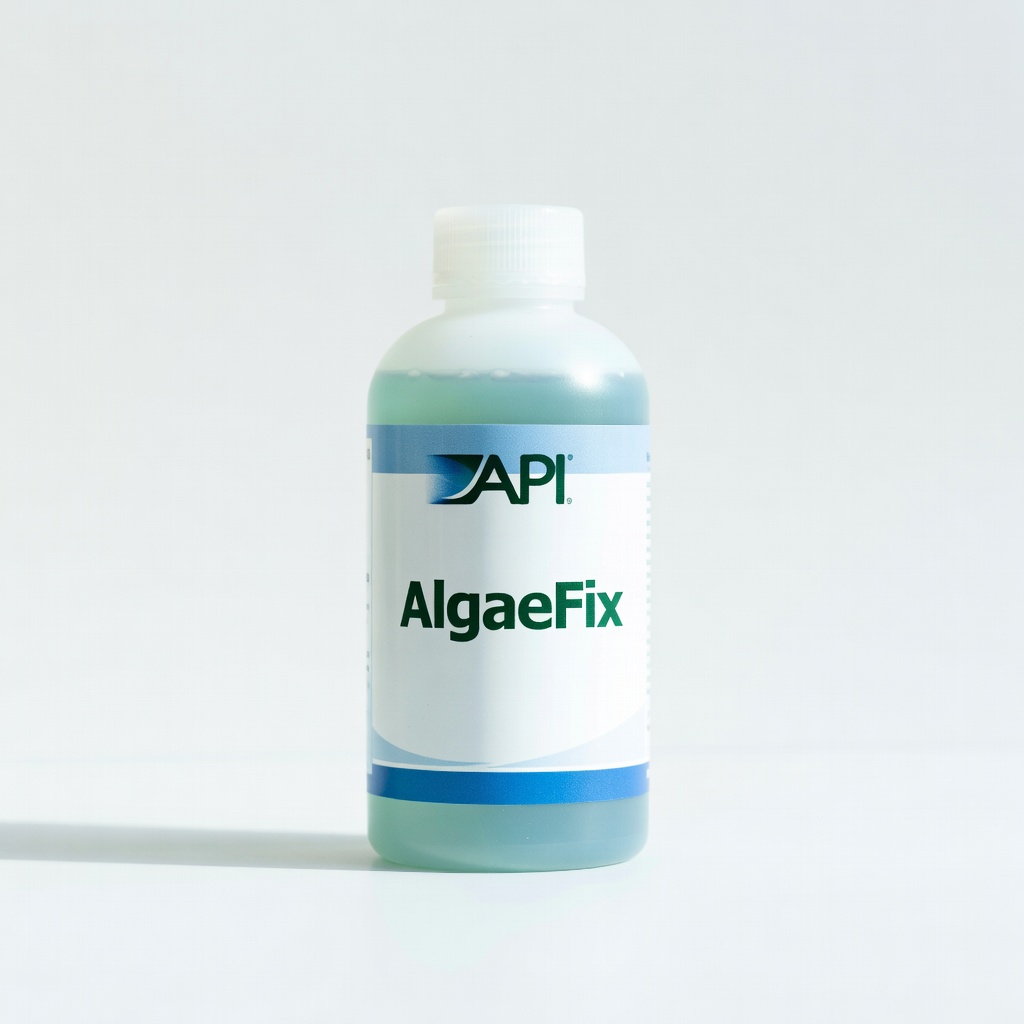
Quick knockdown of blooms after addressing causes.
API AlgaeFix Effective chemical control for spot treatments without harming fish when dosed correctly.
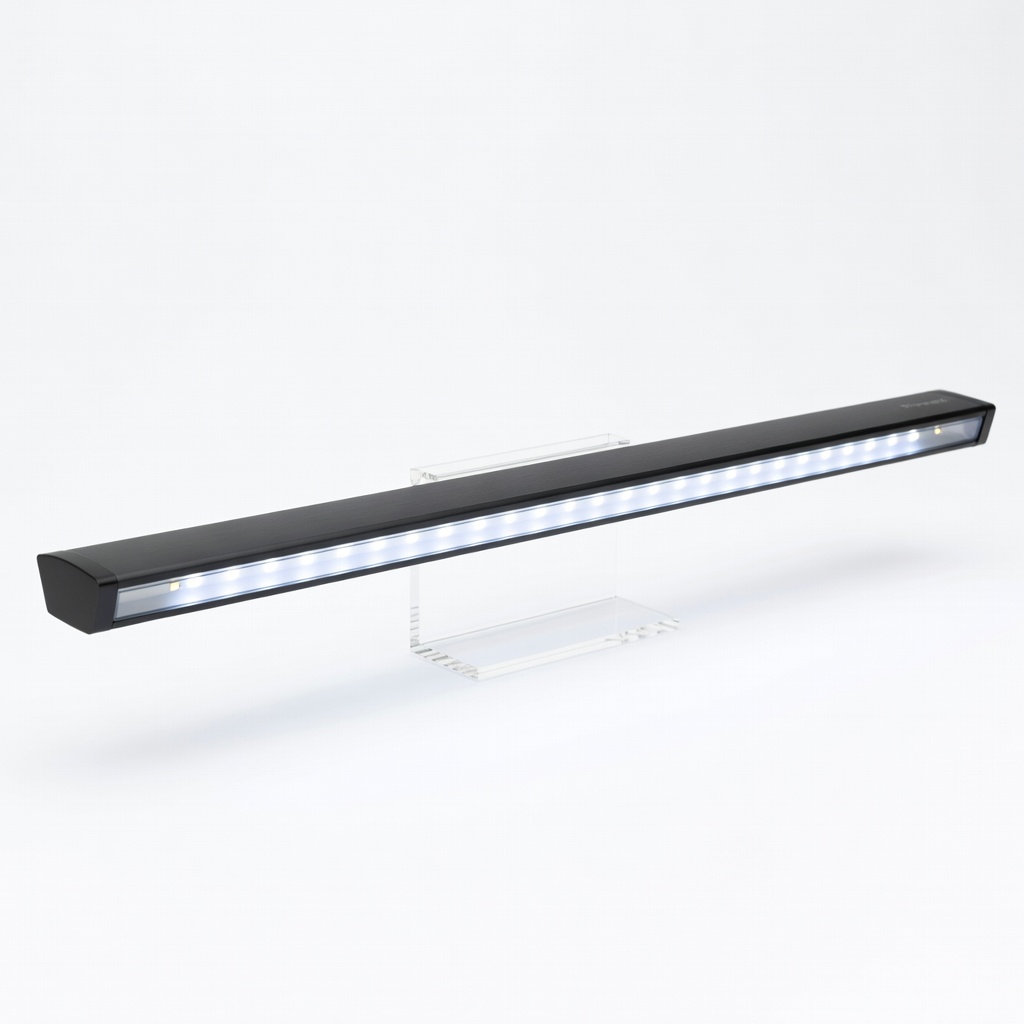
Full tank lighting upgrade for precise 6-8 hour control.
Finnex Planted+ 24/7 Aquarium LED Light Customizable spectrum and timer reduces light-induced blooms.

Ongoing prevention in larger tanks with pumps.
Green Killing Machine UV Sterilizer Kills algae spores and bacteria in water column for clear water.