

D'Addario Humidipak Automatic Humidity Control Pack
Dry climates or seasonal changes causing neck warp.
$19.99
D'Addario Humidipak Automatic Humidity Control Pack Prevents humidity-related buzz by maintaining 45-55% RH in case.
Get the App
Better experience on mobile
Uncover the top causes of fret buzz on your acoustic guitar and get step-by-step diagnostics to fix it like a pro.
That annoying buzz when you strum your acoustic guitar can turn a beautiful melody into a frustrating distraction. Whether you're mid-song or practicing chords, fret buzz kills tone and playability, often leading intermediate players to question their setup or technique. The good news? It's usually fixable with some knowledge.
In this guide, you'll learn the most common causes—from setup issues to environmental factors—and how to identify them systematically. We'll break it down into clear steps, using simple diagnostics anyone with basic tools can do. No luthier visit required for most cases.
Expect to spend 10-15 minutes reading and testing your guitar. By the end, you'll pinpoint the problem and know your next steps, saving time and money.
Estimated Time: 10-15 minutes to read and diagnose Difficulty: intermediate
Fret buzz, or string buzz, happens when a vibrating string contacts a fret it shouldn't, creating a metallic rattle. On acoustics, it's common due to wood movement and higher string tension. Buzz can be on all strings (systemic issue like neck relief) or specific frets/strings (localized like bad frets).
Why it matters: Ignoring it worsens tone and intonation. Expect to hear buzz on open strings, fretted notes, or during bends.
Start by playing each string open and fretted across the neck—note where buzz occurs.
💡 Tips:
Low action (string height over frets) is the #1 cause. Ideal acoustic action: 2.4-3.2mm at 12th fret low E, 2.0-2.8mm high E.
Measure with a ruler at the 12th fret. Too low (<2mm)? Strings buzz on frets 12-24.
Why? Low action limits vibration space. Raise saddle or adjust bridge.
⚠️ Warnings:
Neck relief is the slight forward bow (concave). Capo 1st fret, press string at last fret, check 8th fret gap (0.25-0.5mm ideal).
Too much relief (humped neck) causes low-fret buzz; too straight/convex causes high-fret buzz.
Adjust truss rod: Clockwise tightens (flattens), counterclockwise loosens. Turn 1/8 at a time.
💡 Tips:
Worn frets (flat tops) or high frets cause buzz on adjacent notes. Lay straight edge along frets—rocking means uneven.
Common on older guitars. Buzz stays on specific frets/strings.
Fix: File or level frets (pro job usually).
⚠️ Warnings:
High or binding nut slots cause open-string buzz. Press string at 3rd fret—if open buzzes, nut too high/low.
Check slots with thin pick: String should drop freely.
Why? Nut sets initial height/angle.
💡 Tips:
Loose saddle or worn bridge slots cause buzz, especially low strings. Wiggle saddle—if moves, reseat or glue.
Cracked bridge? Common on acoustics from tension.
⚠️ Warnings:
Low humidity warps neck (buzz from relief change). Old strings buzz from corrosion/wear.
Humidity ideal: 45-55%. Change strings every 1-3 months.
Test: New strings? Humidity pack.
💡 Tips:
Light touch or wrong picks cause false buzz. Strum harder—buzz gone? Technique issue.
Hybrid picking or nails can buzz on frets.
Problem: Buzz only on low E/A strings
Solution: Check saddle height or bridge slots; sand saddle evenly if needed.
Problem: Intermittent buzz worsens with bends
Solution: High frets or low action—use fret rocker tool.
Problem: Buzz after string change
Solution: Stretch strings properly; check tuning stability.
Problem: Whole neck buzzes
Solution: Neck relief or truss rod—loosen 1/8 turn, recheck.
Problem: Buzz persists after all checks
Solution: Take to luthier for pro setup ($50-100).
Prevents humidity-related buzz by maintaining 45-55% RH in case.
Best for: Dry climates or seasonal changes causing neck warp.
Price Range: $19.99
Coated strings resist corrosion, reducing buzz from wear; longer life.
Best for: Old strings buzzing—swap for fresh set.
Price Range: $12.99-$15.99
Accurate tuning essential for buzz diagnosis; chromatic mode detects intonation issues.
Best for: Testing open/fretted notes precisely.
Price Range: $14.99
Precise measurement of action/relief; essential for intermediate setups.
Best for: DIY action and neck checks.
Price Range: $8.99-$12.99
Quickly isolates neck sections for buzz testing without detuning.
Best for: Capo fret 1 for relief checks.
Price Range: $19.95
Dry climates or seasonal changes causing neck warp.
D'Addario Humidipak Automatic Humidity Control Pack Prevents humidity-related buzz by maintaining 45-55% RH in case.
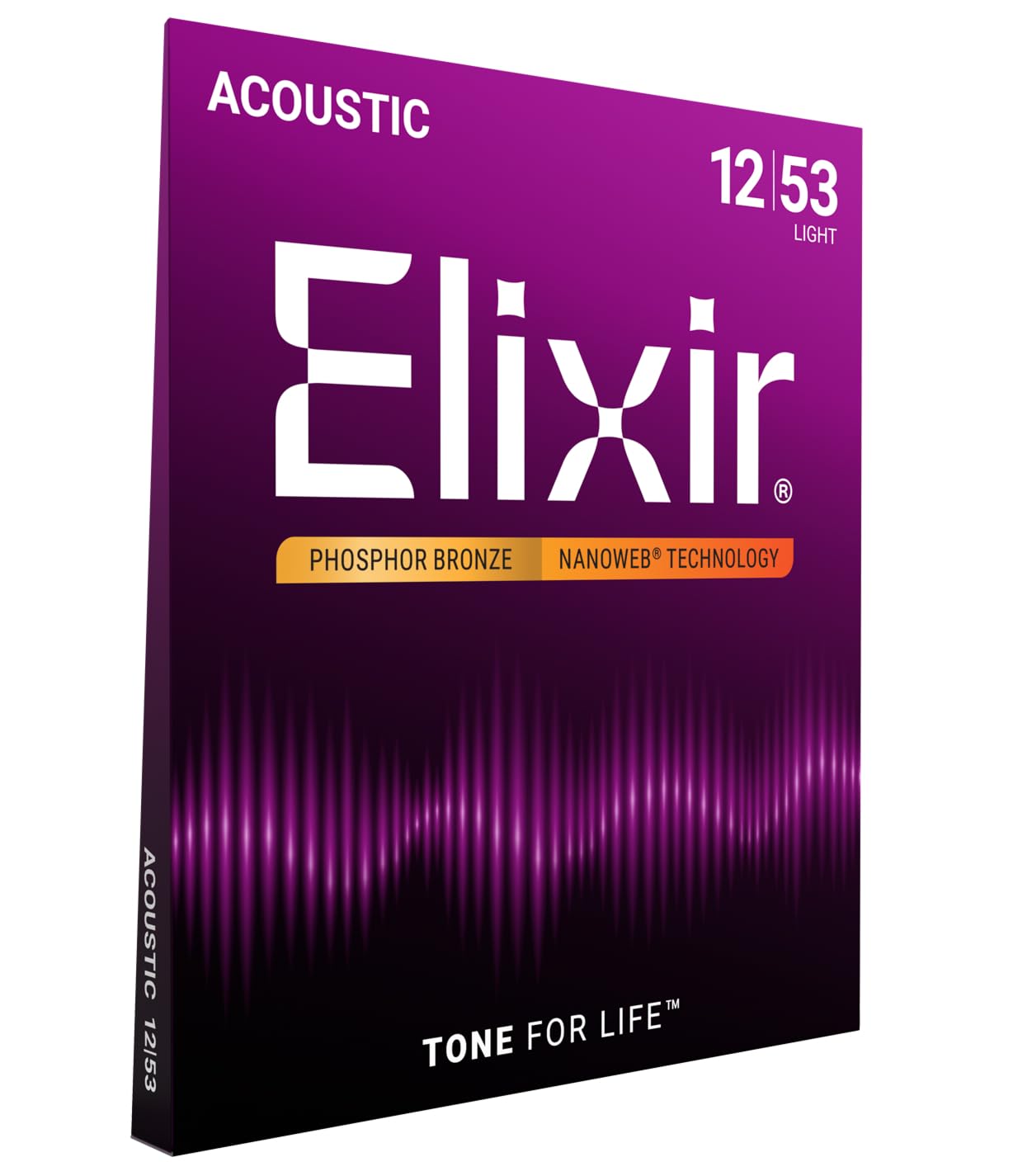
Old strings buzzing—swap for fresh set.
Elixir Nanoweb Phosphor Bronze Acoustic Guitar Strings Light (12-53) Coated strings resist corrosion, reducing buzz from wear; longer life.
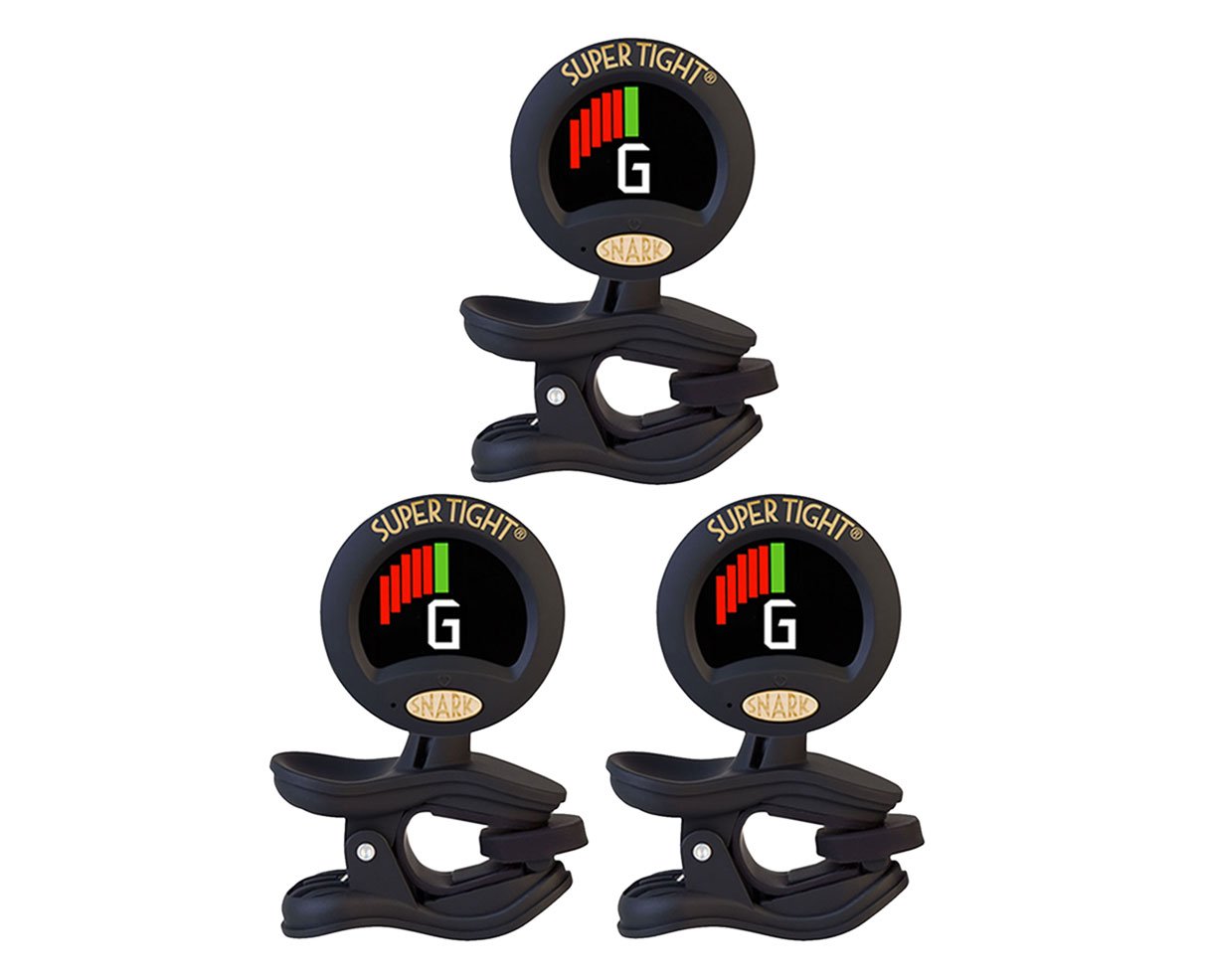
Testing open/fretted notes precisely.
Snark ST-8HZ Clip-On Tuner Accurate tuning essential for buzz diagnosis; chromatic mode detects intonation issues.
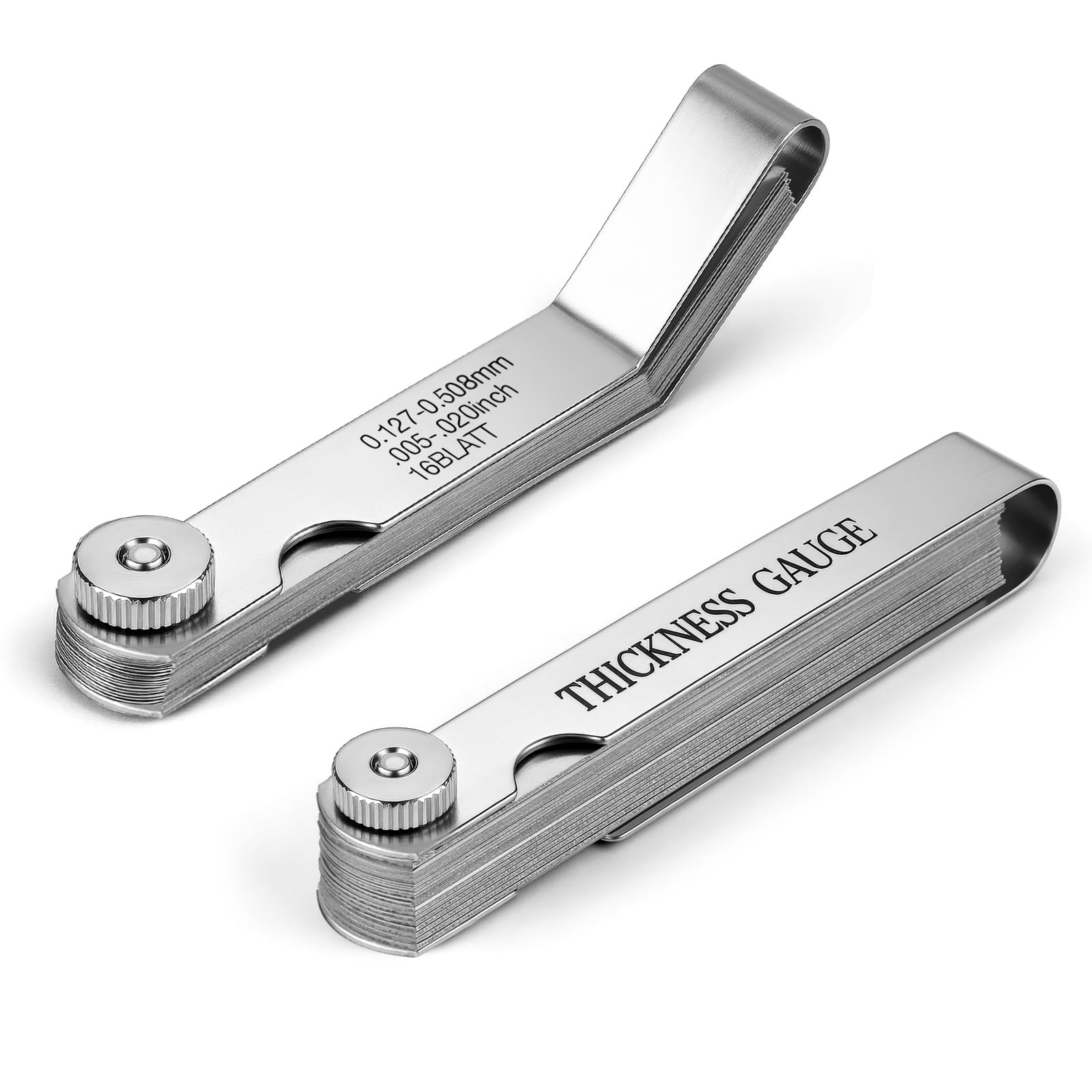
DIY action and neck checks.
Stewart-MacDonald Fret Protector and Feeler Gauges Precise measurement of action/relief; essential for intermediate setups.
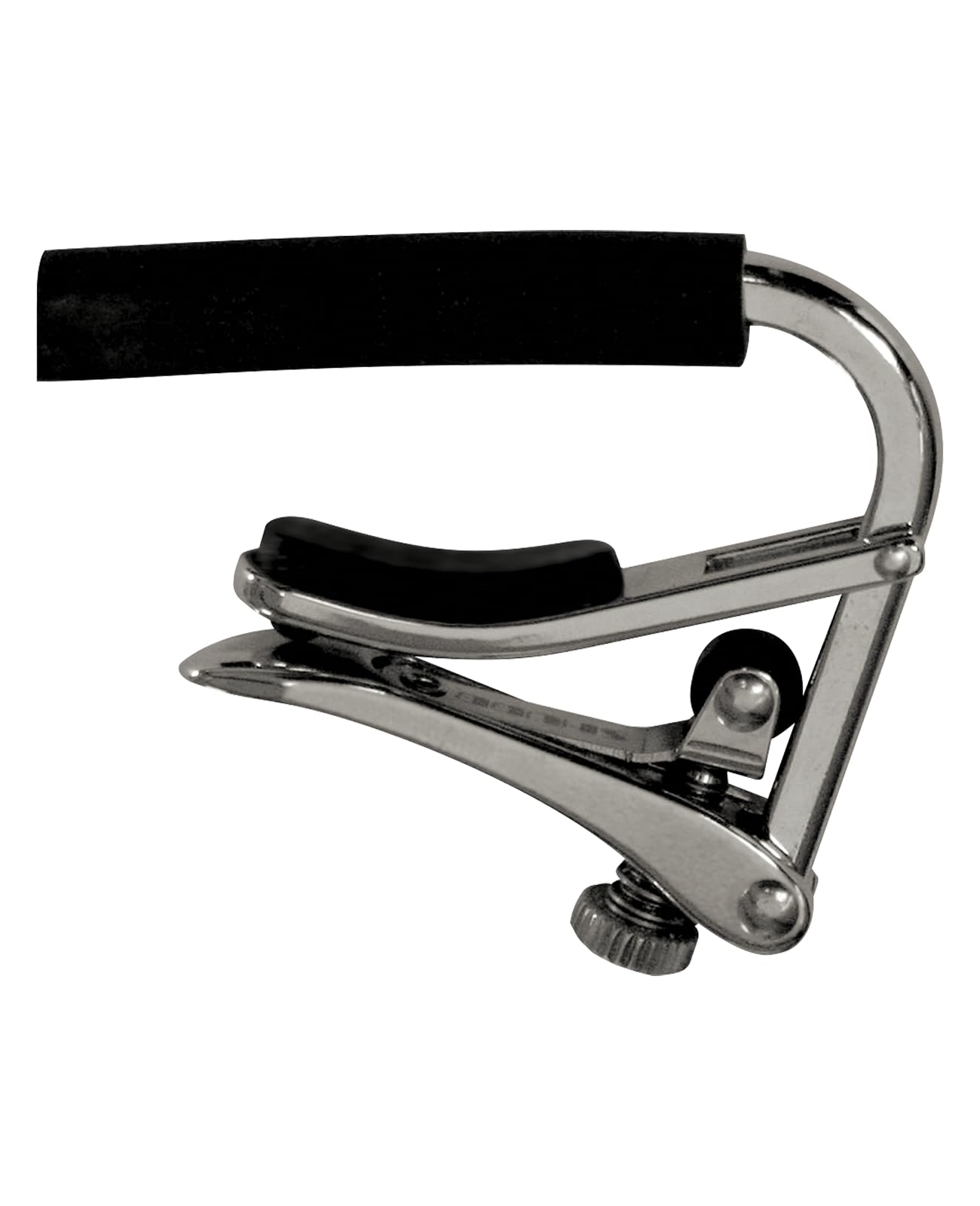
Capo fret 1 for relief checks.
Shubb C1 Classic Capo Quickly isolates neck sections for buzz testing without detuning.