

Battery Tender 021-0123 0.75A Battery Charger
Daily/seasonal charging for golf carts or RVs.
$29.95
Battery Tender 021-0123 0.75A Battery Charger Smart charger with float mode prevents overcharging, the top leak cause.
Get the App
Better experience on mobile
Learn the top reasons 6V batteries leak, spot early signs, and follow simple prevention steps to extend battery life and avoid costly replacements.
Have you ever opened your golf cart shed or RV compartment to find white, corrosive gunk eating away at your battery terminals? Leaking 6V batteries are a common frustration for owners of golf carts, RVs, wheelchairs, and trolling motors, leading to dead power, damaged equipment, and unexpected expenses. The good news? Most leaks are preventable with basic knowledge and maintenance.
In this guide, you'll uncover the main causes of leaks—from overcharging to age—and get step-by-step prevention strategies tailored for beginners. No technical expertise needed; just follow along to safeguard your batteries. Expect to spend 20-30 minutes reading and applying these tips to your setup.
Estimated Time: 20-30 minutes Difficulty: beginner
6V batteries are typically sealed lead-acid (SLA) or flooded lead-acid types used in deep-cycle applications like golf carts and RVs. They consist of lead plates in sulfuric acid electrolyte that generates electricity via chemical reactions.
Leaks happen when this electrolyte escapes, often as a white paste (potassium carbonate) from gas buildup. Knowing this chemistry helps you spot issues early—think of it like a soda can fizzing over from too much shaking.
💡 Tips:
The #1 leak culprit: overcharging. Using a mismatched charger pumps excess voltage (>7.2V for 6V batteries), boiling the electrolyte into hydrogen/oxygen gas. This pressure forces acid out vents.
Why it matters: Constant trickle chargers without auto-shutoff accelerate this. Expect bulging cases or wet spots after prolonged charging.
⚠️ Warnings:
Batteries degrade after 3-5 years; plates shed, increasing internal resistance and heat. Heat evaporates electrolyte, leading to leaks.
Analogy: Like an old sponge crumbling—capacity drops, and stress causes spills. Check manufacture date on the label.
💡 Tips:
Discharging below 5.25V causes sulfation (crystal buildup), stressing cells during recharge. High temps (>77°F/25°C) double failure rates.
Prevention starts here: Monitor voltage monthly. Leaks appear as crusty residue.
Storing discharged or in heat/humidity leads to self-discharge and leaks. Ideal: 50-77°F, fully charged.
Why: Frozen electrolyte expands and cracks cases in cold.
💡 Tips:
If leaking, disconnect power. Mix baking soda/water, scrub terminals (neutralizes acid), rinse with water. Dry thoroughly.
Wear gloves—acid burns skin.
⚠️ Warnings:
Use a 6V smart charger (float mode at 6.9V). Charge only to full, then maintain.
This avoids gassing—your battery stays happy.
Monthly: Check voltage (6.3-6.4V rested). For flooded, top with distilled water. Clean terminals.
Quarterly deep cycle test.
💡 Tips:
Problem: Battery leaks after first charge
Solution: Defective unit—return it. Check charger voltage <7.2V.
Problem: Corrosion returns quickly
Solution: Ongoing overcharge; upgrade to smart charger. Clean and grease terminals.
Problem: No leak but won't hold charge
Solution: Sulfation—use desulfator or replace. Test specific gravity if flooded.
Problem: Swollen case
Solution: Stop use immediately; recycle safely. Indicates severe overcharge.
Smart charger with float mode prevents overcharging, the top leak cause.
Best for: Daily/seasonal charging for golf carts or RVs.
Price Range: $29.95
AGM sealed design eliminates leak risk from electrolyte spills.
Best for: Replacement for small appliances, scooters, or backups.
Price Range: $22.99
Forms protective coating to stop corrosion from minor leaks or fumes.
Best for: Post-cleaning on all terminals.
Price Range: $9.99
Maintenance-free AGM for deep cycle; vibration-resistant, no leaks.
Best for: Heavy-duty like trolling motors.
Price Range: $35-45
Seals terminals against acid vapor and moisture.
Best for: Apply after every cleaning.
Price Range: $9.49
Daily/seasonal charging for golf carts or RVs.
Battery Tender 021-0123 0.75A Battery Charger Smart charger with float mode prevents overcharging, the top leak cause.
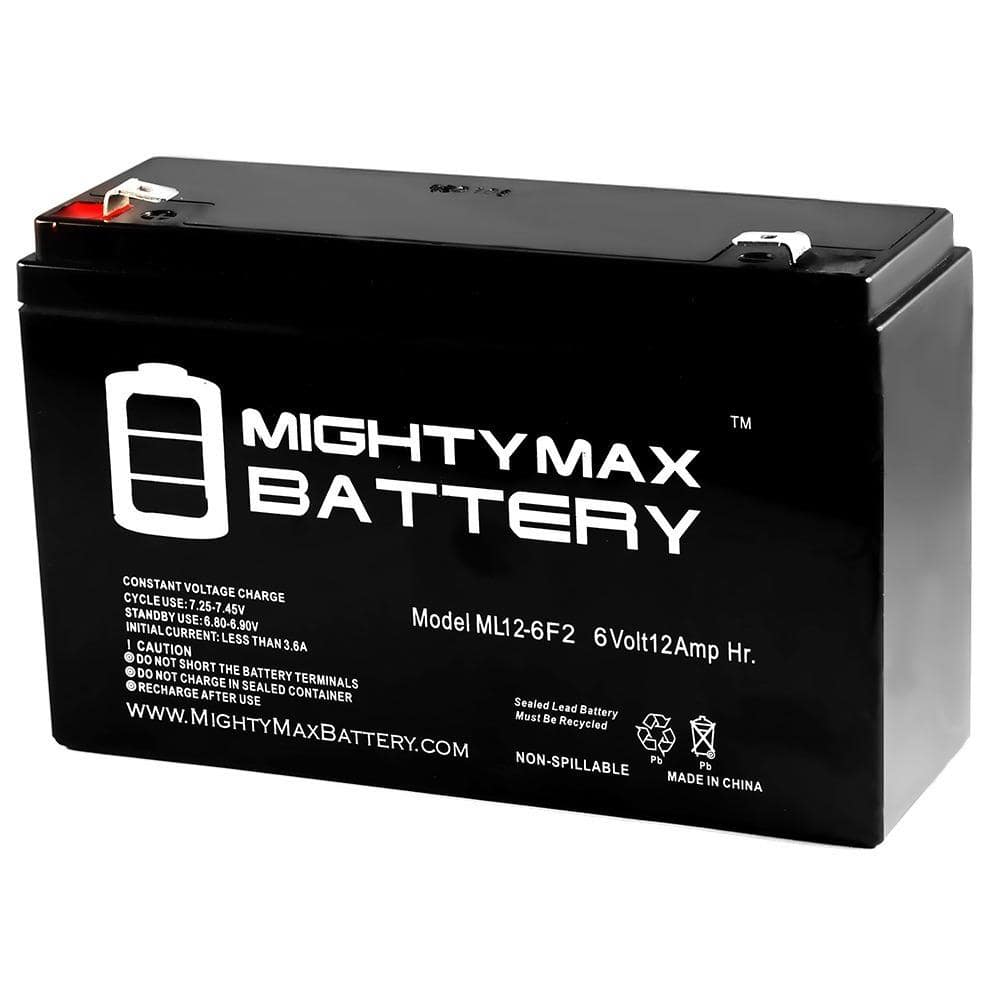
Replacement for small appliances, scooters, or backups.
Mighty Max ML6-12 6V 12Ah Sealed Lead Acid Battery AGM sealed design eliminates leak risk from electrolyte spills.
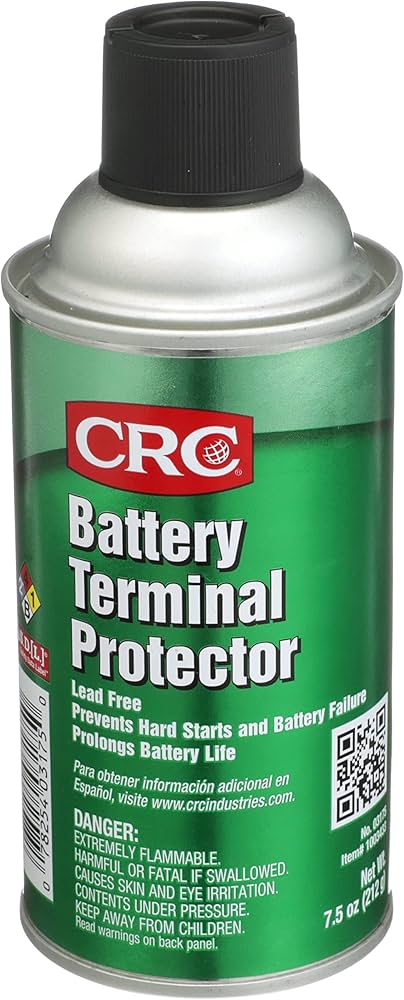
Post-cleaning on all terminals.
CRC 05359 Battery Terminal Protector Forms protective coating to stop corrosion from minor leaks or fumes.
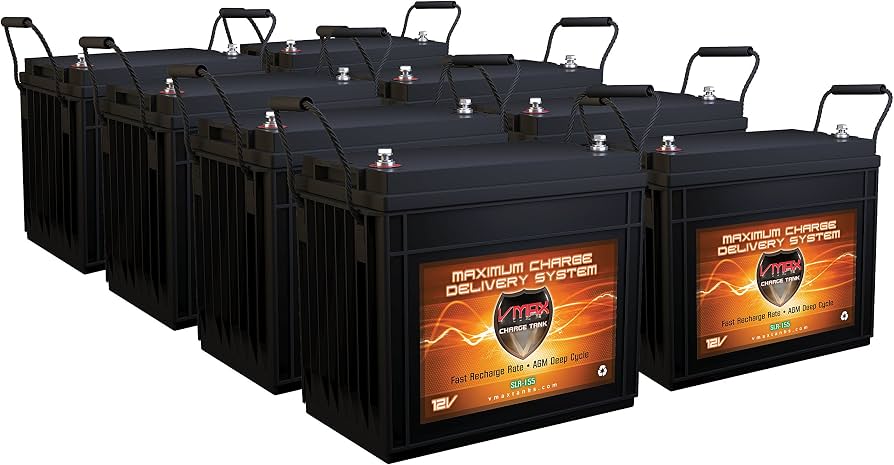
Heavy-duty like trolling motors.
VMAXTANKS VMAX SLR155 6V 12Ah AGM Battery Maintenance-free AGM for deep cycle; vibration-resistant, no leaks.
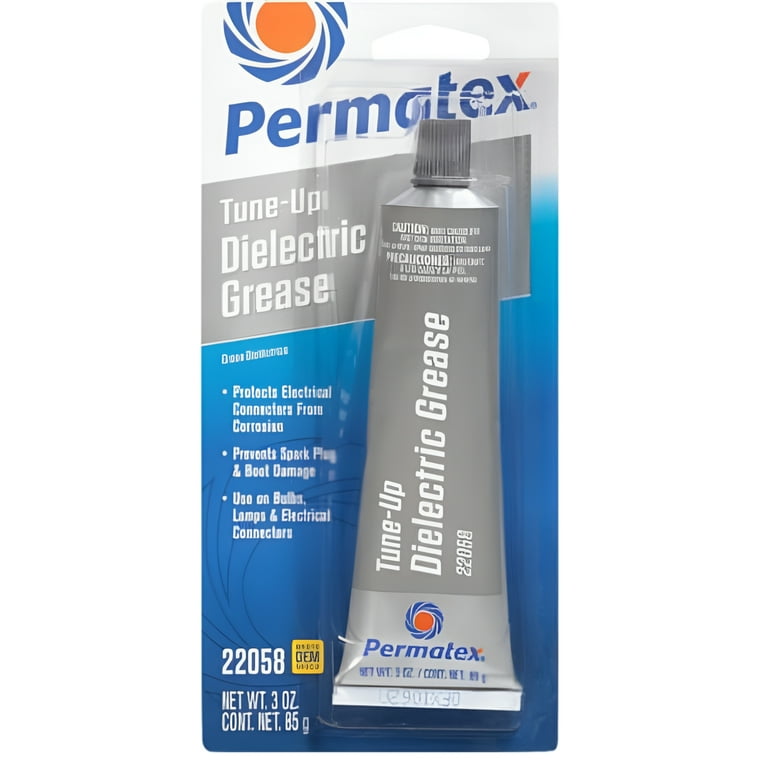
Apply after every cleaning.
Permatex 22058 Dielectric Tune-Up Grease Seals terminals against acid vapor and moisture.