
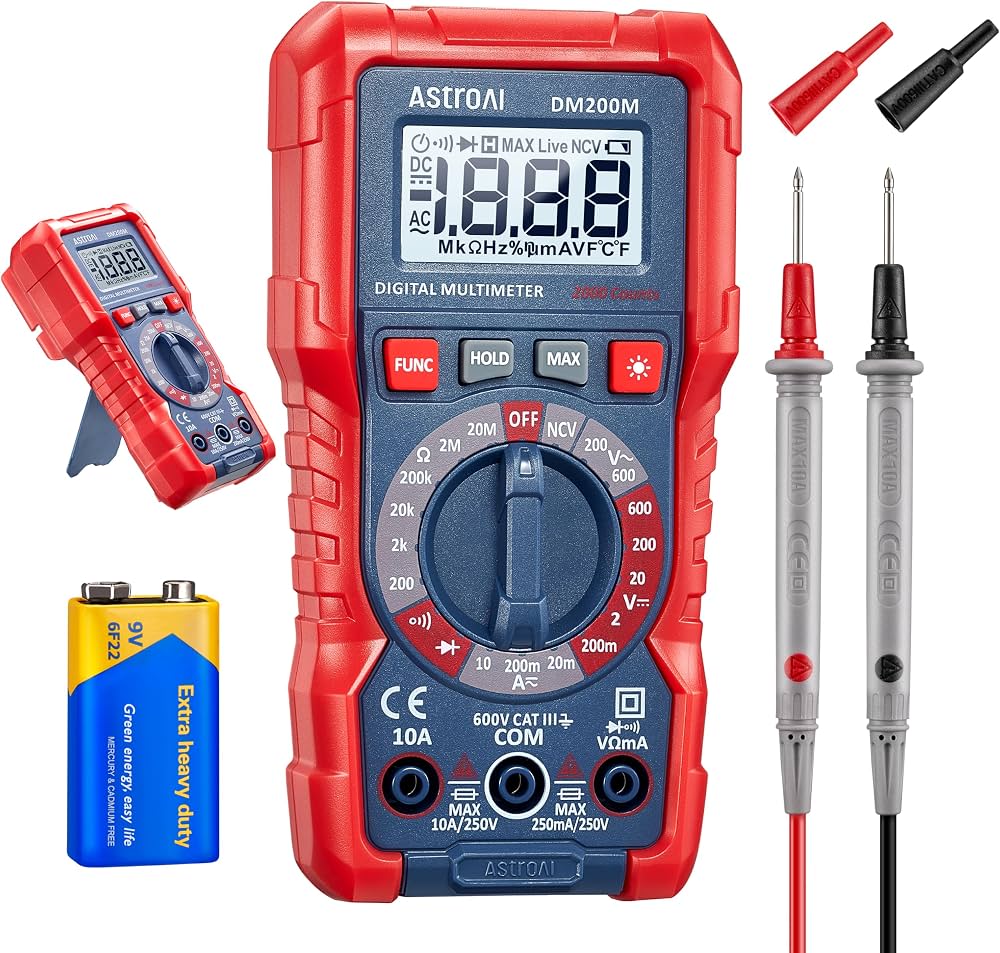
AstroAI Digital Multimeter
Quick checks on toy batteries before replacement.
$12.99
AstroAI Digital Multimeter Accurately tests 2V battery voltage without guesswork, essential for diagnosing true failures.
Get the App
Better experience on mobile
Uncover the top reasons 2V batteries die fast in toys and get easy, beginner-friendly fixes to extend playtime without hassle.
Nothing kills the fun faster than a favorite toy grinding to a halt mid-adventure. If your child's RC car, model train, or talking doll suddenly stops despite 'fresh' batteries, you're likely dealing with 2V battery failure—a common issue in low-voltage toys that use these compact cells.
In this guide, you'll learn the main causes of 2V battery failures, from corrosion to poor storage, and simple step-by-step fixes any beginner can do at home. No technical expertise needed—just basic tools and 15 minutes. By the end, you'll revive dead toys and prevent future breakdowns, saving money on replacements.
Expect straightforward explanations with real-world examples, plus tips to keep toys powered longer.
Estimated Time: 15-20 minutes Difficulty: beginner
2V batteries power simple toys like mini RC vehicles, buzzing gadgets, or lights. They're often small NiCd (rechargeable) or zinc-carbon cells, rated at 2 volts nominally. Unlike common 1.5V AA batteries, 2V ones are compact but prone to quick drain due to toys' constant low-power draw.
Why it matters: Knowing the type helps spot issues. Check the toy's battery compartment label for '2V' or part number. Expect a small rectangular or cylindrical cell.
Image description: Close-up of a 2V NiCd battery removed from a toy, with voltage label visible.
💡 Tips:
⚠️ Warnings:
The #1 cause: Leakage from cheap batteries creates white/green powdery corrosion on terminals, blocking contact. This happens when batteries self-discharge or overstay in humid environments.
Open the compartment with a screwdriver. Look for crusty buildup—it's acidic and eats metal contacts. Toys left with dead batteries for weeks accelerate this.
Wipe gently with vinegar on a swab; it neutralizes acid. Dry thoroughly.
💡 Tips:
Dead batteries aren't always the issue—many read under 1.8V due to partial drain. Use a multimeter set to DC volts (20V range). Touch probes to + and - terminals: healthy 2V should read 1.9-2.2V.
Why test? Toys need full voltage; low power mimics failure. Expect toys to dim or slow at <1.7V.
If below 1.8V, replace it.
💡 Tips:
⚠️ Warnings:
Dirt, residue, or bent tabs prevent power flow. Dip a swab in isopropyl alcohol and scrub terminals inside the toy and on the battery.
This fixes 40% of 'dead' toys. Dry with a cloth; test fit before reinserting. Bent tabs? Gently straighten with tweezers.
Swap in fresh 2V batteries matching exact size/type. Cheap zinc ones leak fast; opt for branded NiCd or lithium if compatible.
Insert + to +, secure lid. Test toy—revived! Why? Inferior batteries fail from manufacturing flaws or poor seals.
💡 Tips:
Heat (>80°F) speeds chemical breakdown; store toys in cool, dry spots. Overdischarge (leaving dead batteries in) damages cells.
Fix: Remove batteries post-play. Humidity causes swelling—air dry toys.
⚠️ Warnings:
Some toys have loose wiring or poor holders causing intermittent power. Tug wires gently; if loose, add electrical tape (temp fix).
For chronic issues, consider toy warranty.
Problem: Toy works briefly then dies
Solution: Loose connection—clean and reseat batteries; check for wobbly compartment.
Problem: No power after cleaning/replacement
Solution: Blown fuse or bad motor—test with known good battery; seek toy repair if persists.
Problem: Batteries swell or leak often
Solution: Switch to premium brands; store cool/dry. Replace toy if compartment damaged.
Accurately tests 2V battery voltage without guesswork, essential for diagnosing true failures.
Best for: Quick checks on toy batteries before replacement.
Price Range: $12.99
Removes tough corrosion safely without residue, outperforming vinegar for electronics.
Best for: Cleaning toy terminals and battery contacts.
Price Range: $18.95
Reliable replacements that don't leak like cheap alkalines, ideal for frequent toy use.
Best for: High-drain toys like RC models.
Price Range: $9.99
Tiny bits open stubborn toy compartments without stripping screws.
Best for: Accessing hard-to-reach battery areas.
Price Range: $29.95
Simple no-multimeter alternative to check 2V cell health instantly.
Best for: Quick tests for beginners.
Price Range: $9.99
Quick checks on toy batteries before replacement.
AstroAI Digital Multimeter Accurately tests 2V battery voltage without guesswork, essential for diagnosing true failures.
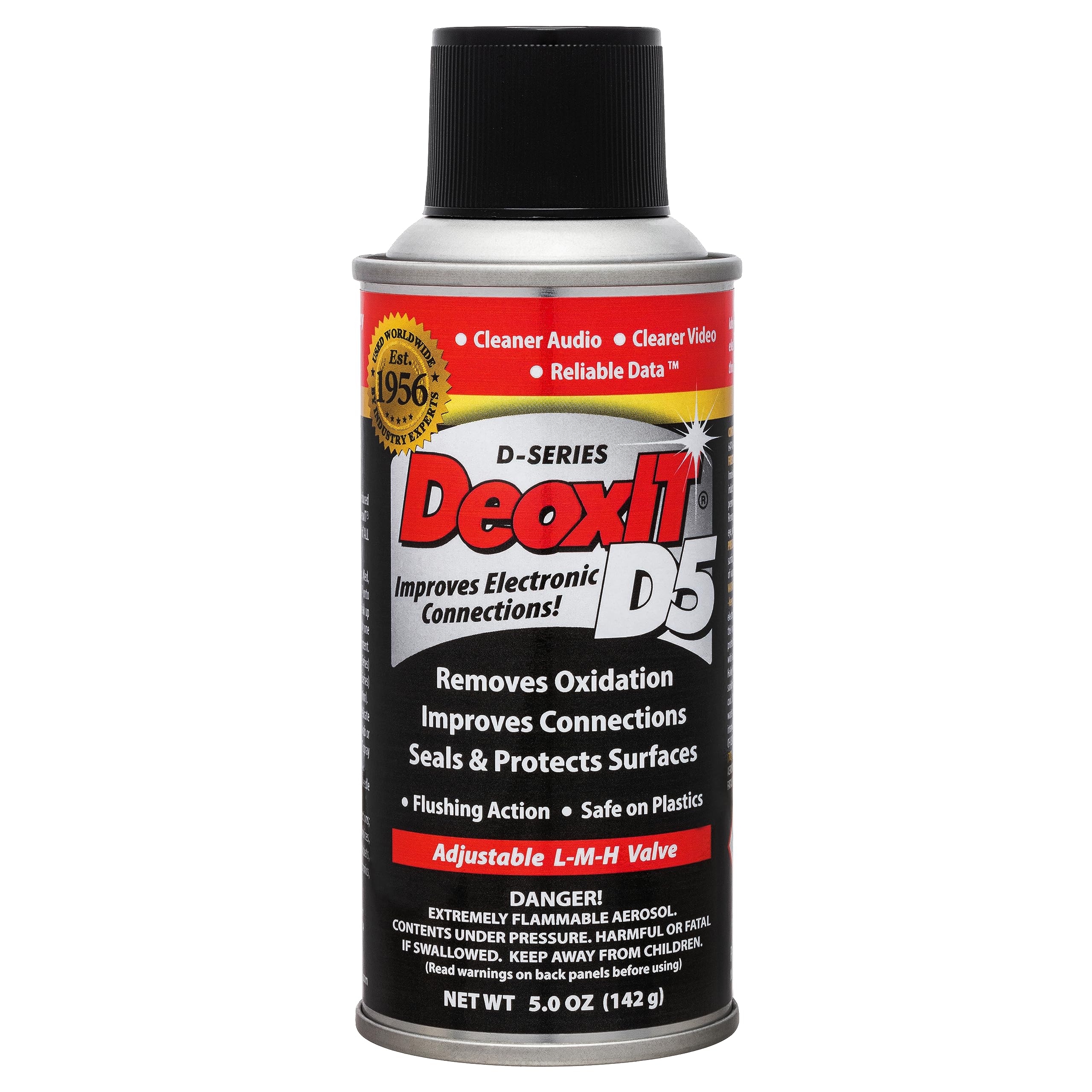
Cleaning toy terminals and battery contacts.
DeoxIT D5S-6 Contact Cleaner Removes tough corrosion safely without residue, outperforming vinegar for electronics.
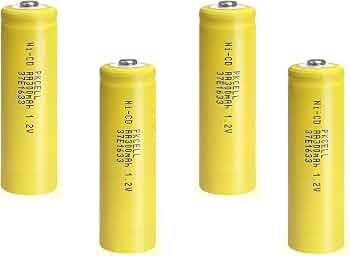
High-drain toys like RC models.
Uxcell 2V NiCd Rechargeable Batteries (Pack of 4) Reliable replacements that don't leak like cheap alkalines, ideal for frequent toy use.
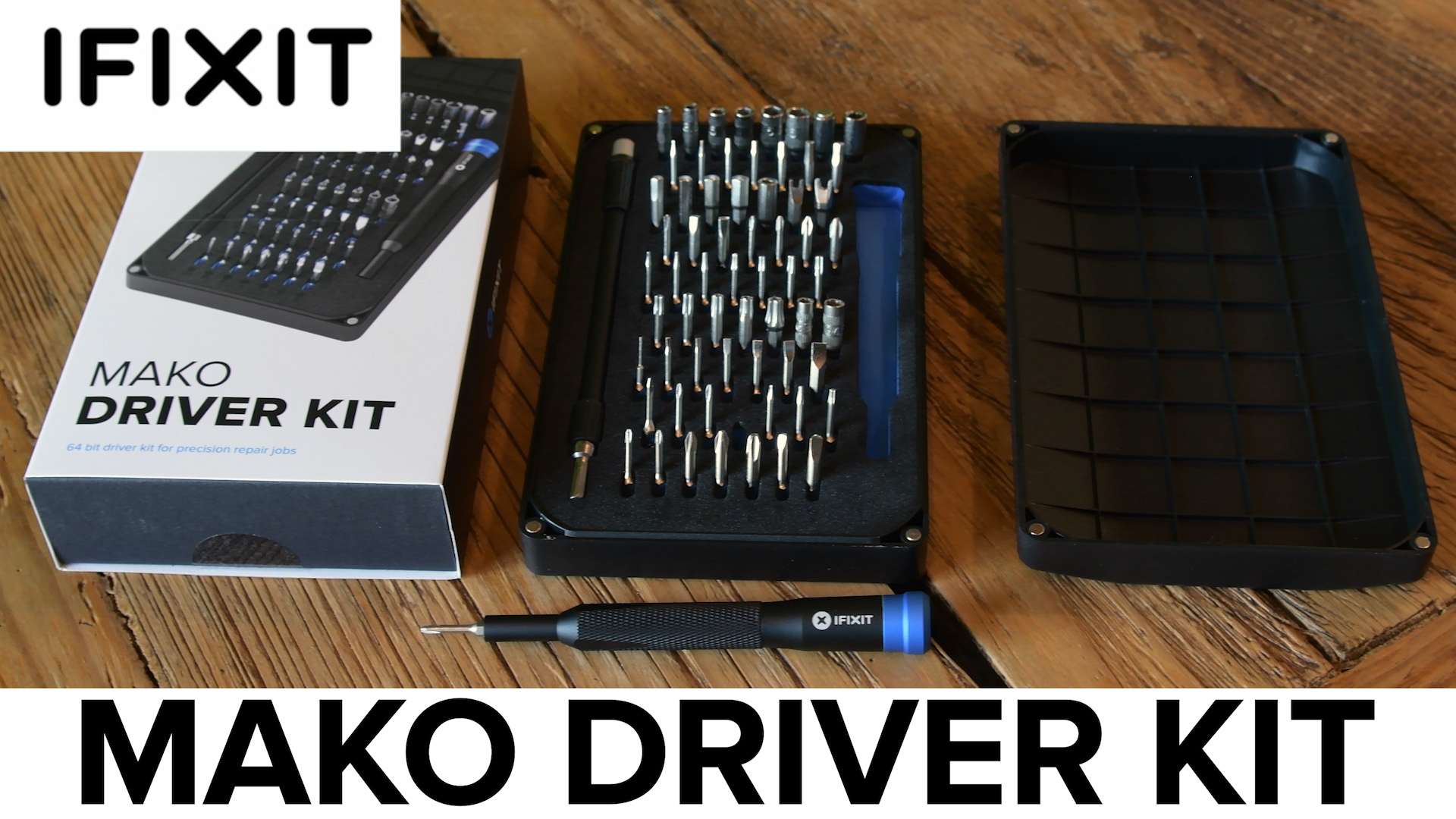
Accessing hard-to-reach battery areas.
iFixit Precision Screwdriver Set Tiny bits open stubborn toy compartments without stripping screws.
Quick tests for beginners.
Energizer Battery Tester Simple no-multimeter alternative to check 2V cell health instantly.