
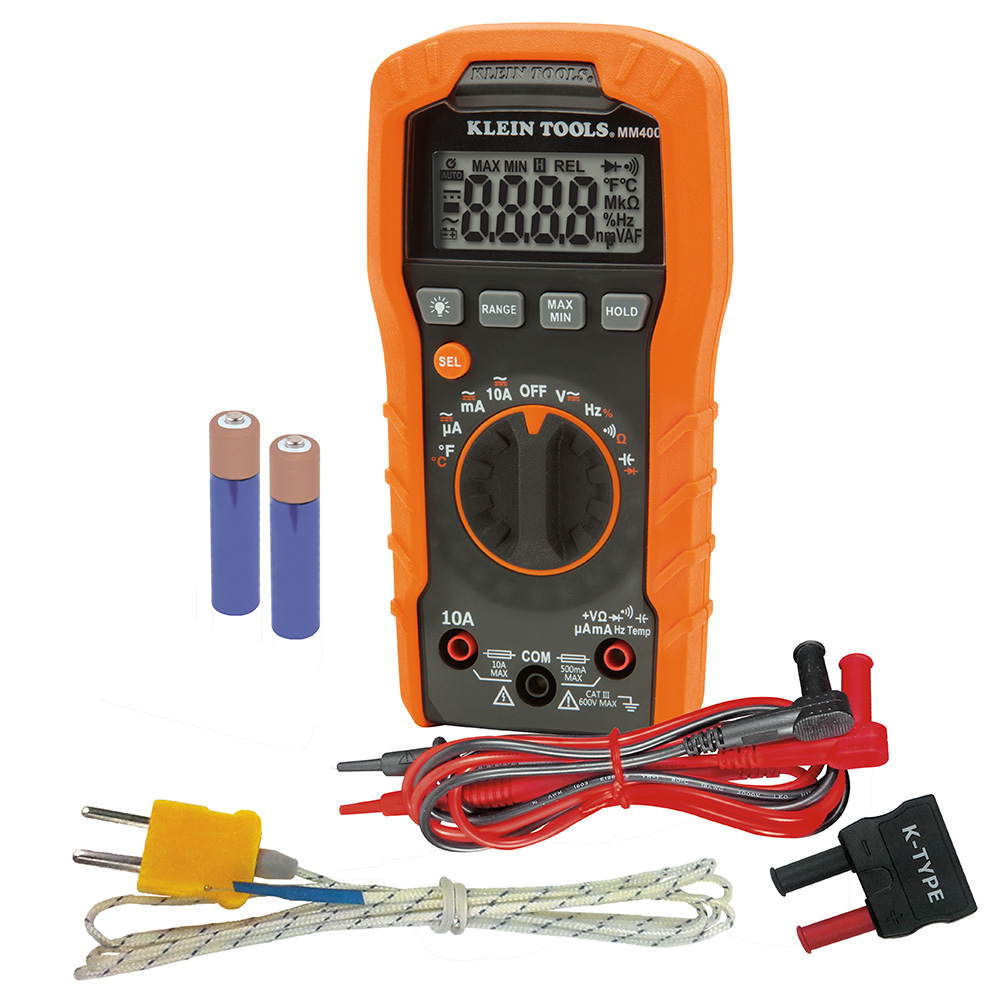
Klein Tools MM400 Digital Multimeter
Initial diagnosis of total system draw.
$29.97
Klein Tools MM400 Digital Multimeter Accurate amp clamp for precise parasitic draw measurement without disconnecting wires.
Get the App
Better experience on mobile
Uncover the top causes of 12V battery drain in RVs, learn advanced diagnostics, and prevent dead batteries on your next trip.
Nothing kills an RV adventure faster than arriving at your campsite only to find your 12V house batteries completely dead—no lights, no fans, no water pump. For RVers with advanced setups, battery drain is often more than a simple oversight; it's a symptom of hidden electrical gremlins in your DC system. This guide dives deep into the culprits behind excessive 12V drain.
You'll learn the physics of normal vs. parasitic loads, dissect common and sneaky causes with real-world examples, and master diagnostic techniques using tools like multimeters and shunt monitors. By the end, you'll pinpoint issues in your rig's system and implement fixes to keep your batteries charged longer.
Expect 30-45 minutes to read and perform initial tests—no prior electrical engineering degree needed, but basic 12V knowledge helps. We'll build from basics to advanced troubleshooting.
Estimated Time: 30-45 minutes for reading and basic diagnosis Difficulty: advanced
Start with the fundamentals: a healthy RV 12V system has normal standby drain (parasitic load) of 20-50mA when everything is off. This powers essentials like the LP detector, clock, and smoke alarm. Exceeding 100mA indicates a problem.
Why it matters: Batteries self-discharge at 1-3% monthly; added parasitic drain kills them in days. Analogy: like a slow leak in a tire—unnoticed until flat.
Expect to see charts showing mA thresholds for lead-acid vs. lithium batteries (lithium tolerates less standby due to BMS).
💡 Tips:
⚠️ Warnings:
Interior LED lights, porch lights, or cargo bulbs left on (or faulty diodes) are the #1 rookie cause, but advanced setups hide 'ghost' draws from dimmers or converters.
Why: Halogens draw 5A+; even LEDs pull 0.5A if stuck on. Pull fuses one-by-one while monitoring amps.
Real example: A single forgotten bay light drains a 100Ah battery in 2 days.
💡 Tips:
Demand pumps cycle endlessly if a faucet drips or pressure switch fails, drawing 4-7A bursts. City water setups bypass this, but tank mode amplifies it.
Why it matters: Accumulator tanks mask issues; listen for clicking every 10-30 seconds.
Test: Disconnect pump wires and recheck draw—drop confirms culprit.
⚠️ Warnings:
Inverters 'phantom draw' 1-2A even off due to search mode for AC loads. Converters reverse polarity if faulty, sipping 0.5A+.
Analogy: Like a vampire—sucks power quietly. Advanced: Modified sine waves cause ripple, stressing batteries.
Measure at inverter input; disable via switch.
💡 Tips:
USB chargers, stereos, fans, or aftermarket gadgets (ESP32 monitors) draw 100-500mA idle. WiFi boosters or Starlink routers spike higher.
Why: Modern RVs average 200mA from 'smart' devices. Pull USB fuses or use a Kill-A-Watt DC equivalent.
⚠️ Warnings:
Corroded grounds, chafed wires, or bad relays create intermittent shorts drawing amps. Advanced: Voltage drop tests reveal >0.5V losses.
Example: Fridge harness shorts drain 1A. Tug wires while monitoring.
💡 Tips:
Sulfated lead-acids or imbalanced lithium cells mimic drain (actual capacity loss). Test CCA/SG; expect 20% loss yearly.
Why: Old batteries can't hold charge, fooling monitors.
⚠️ Warnings:
Clamp multimeter in series on negative cable. Disconnect solar/charger first. Isolate circuits via fuse pull.
Advanced: Install shunt for SOC tracking. Log night vs. day draws.
💡 Tips:
Add battery disconnects, low-voltage cutoffs, and solar. Upgrade to lithium for 2000+ cycles.
Outcome: Extend life 5x.
Problem: Sudden high draw spikes
Solution: Cycle fuses; check for stuck relays or shorts. Use thermal camera if available.
Problem: Drain only when driving
Solution: Inspect alternator diode or towed vehicle wiring.
Problem: Monitor shows drain but multimeter doesn't
Solution: Calibrate shunt or check connections. Seek RV electrician.
Problem: Lithium BMS trips falsely
Solution: Update firmware; add temp sensor. Professional BMS diag.
Accurate amp clamp for precise parasitic draw measurement without disconnecting wires.
Best for: Initial diagnosis of total system draw.
Price Range: $29.97
Bluetooth shunt tracks real-time Ah consumption, voltage, and SOC—essential for advanced monitoring.
Best for: Ongoing drain logging and alerts.
Price Range: $59.99
One-knob disconnect isolates house bank, instantly stopping all drains.
Best for: Quick prevention during storage.
Price Range: $39.99
Wireless app integration pinpoints intermittent draws with history logs.
Best for: Complex rigs with solar/inverters.
Price Range: $129.99
Maintains batteries during storage, offsetting minor drains passively.
Best for: Long-term parking prevention.
Price Range: $24.99
Initial diagnosis of total system draw.
Klein Tools MM400 Digital Multimeter Accurate amp clamp for precise parasitic draw measurement without disconnecting wires.
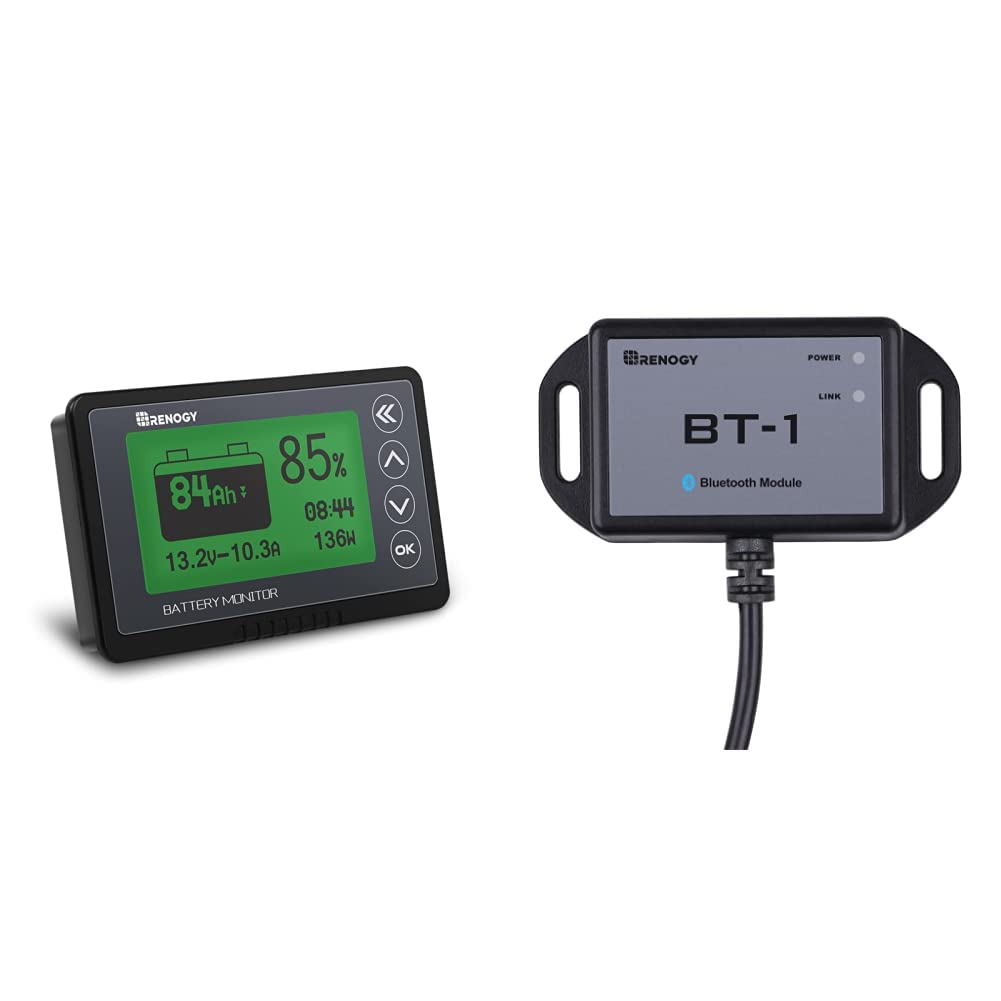
Ongoing drain logging and alerts.
Renogy 500A Battery Monitor Bluetooth shunt tracks real-time Ah consumption, voltage, and SOC—essential for advanced monitoring.
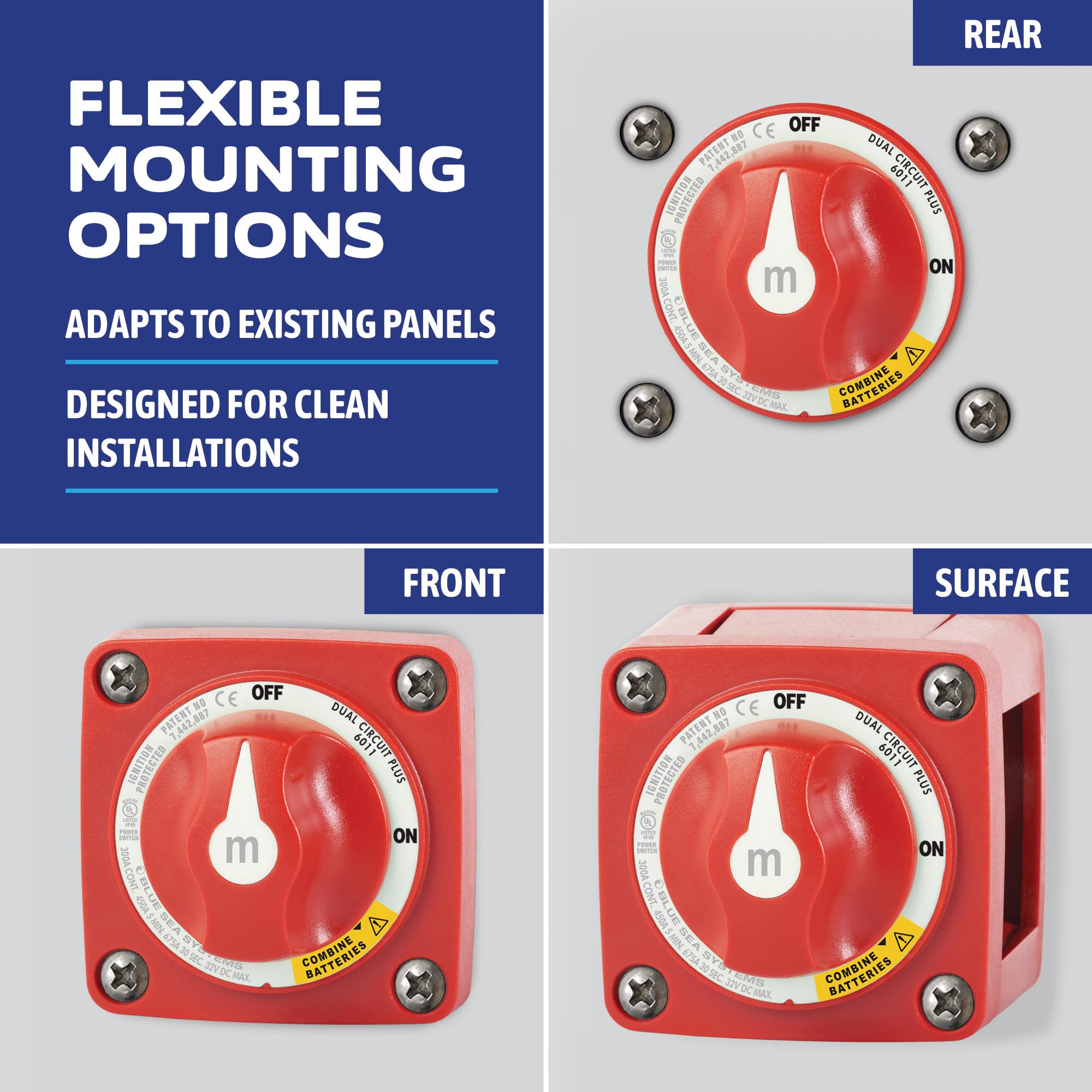
Quick prevention during storage.
Blue Sea Systems 6011 Battery Switch One-knob disconnect isolates house bank, instantly stopping all drains.
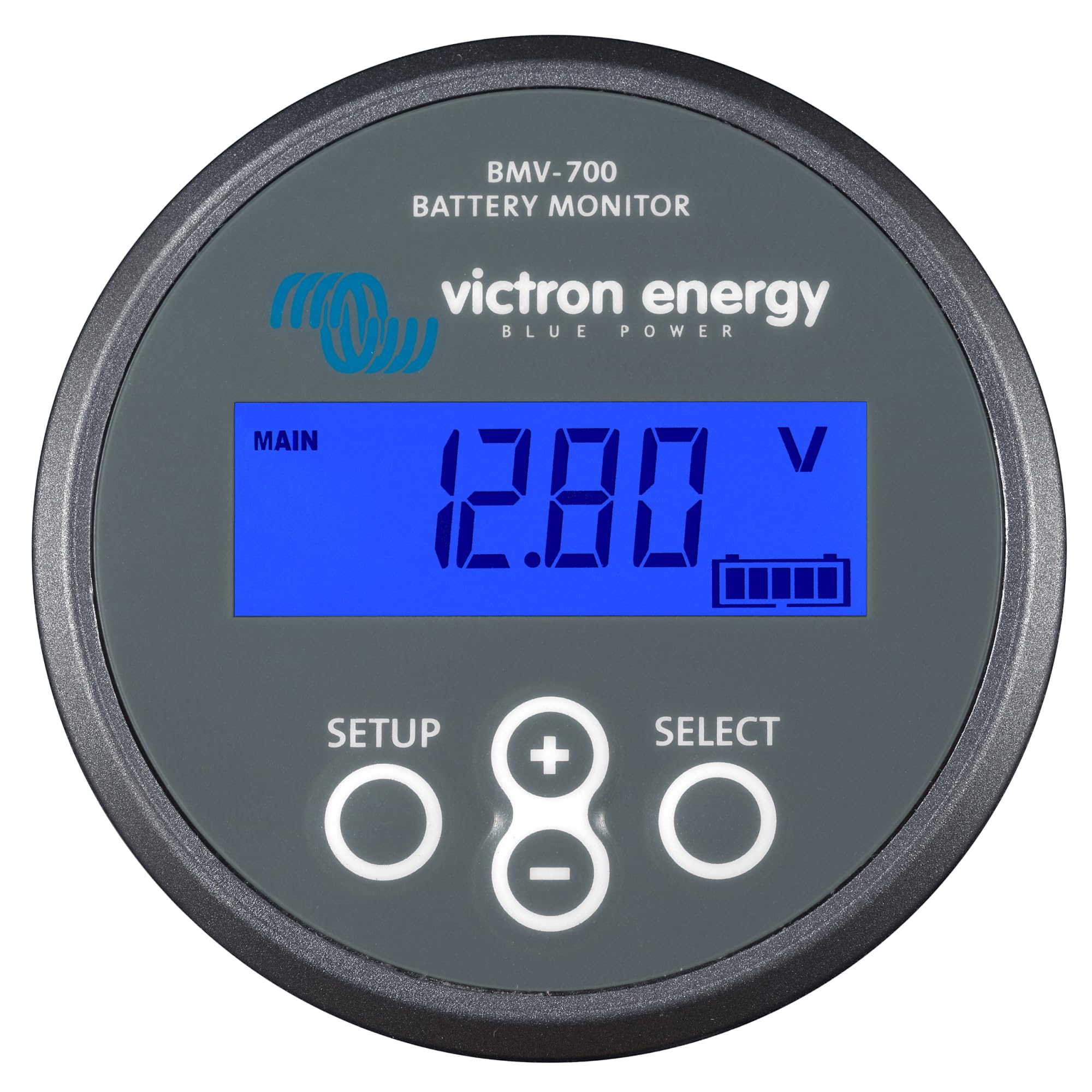
Complex rigs with solar/inverters.
Victron Energy SmartShunt 500A Wireless app integration pinpoints intermittent draws with history logs.
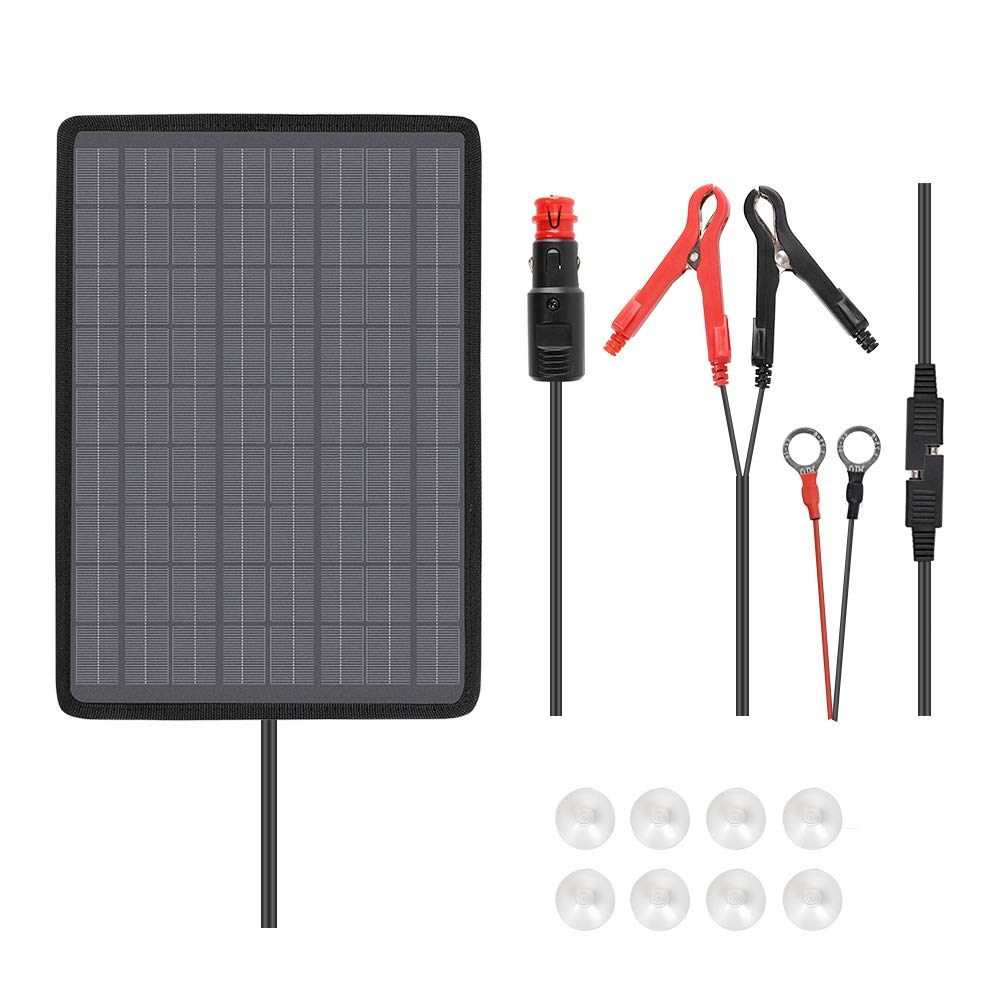
Long-term parking prevention.
Renogy 10W Solar Trickle Charger Maintains batteries during storage, offsetting minor drains passively.