
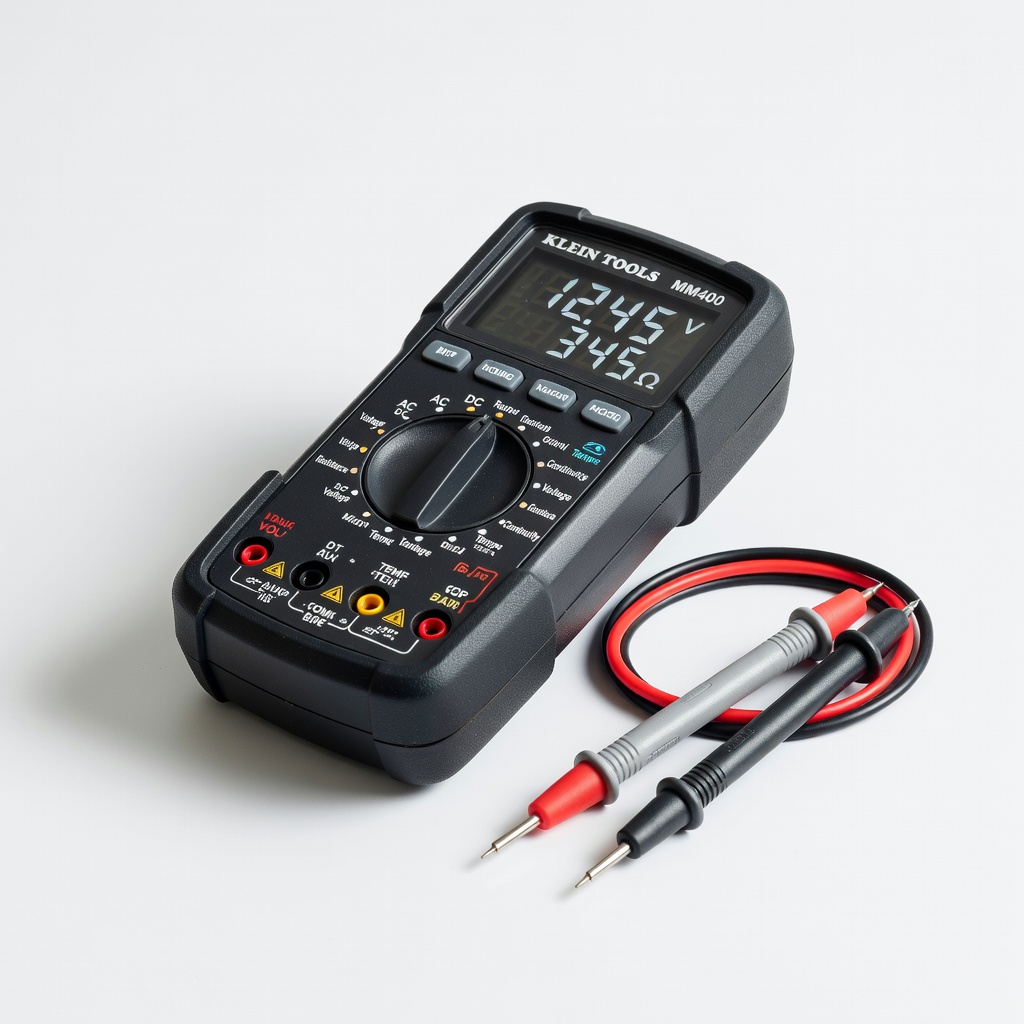
Klein Tools MM400 Digital Multimeter
Clamp probes for safe inline current measurement on camper circuits.
$29.98
Klein Tools MM400 Digital Multimeter Accurate for voltage, current (10A max), resistance—essential for parasitic and load tests.
Get the App
Better experience on mobile
Uncover the hidden culprits draining your camper's 12V battery and master advanced diagnostics to maintain reliable power off-grid.
Nothing kills a camping trip faster than a dead 12V battery right when you need lights, fans, or the fridge. For RVers and campers, especially those boondocking, unexpected battery drain leads to frustration, stranding, and costly replacements. Advanced users know it's rarely just 'the battery'—it's a web of electrical gremlins.
In this guide, you'll learn the top causes of 12V battery drain in campers, from parasitic loads to wiring faults, with technical explanations, real-world examples, and diagnostic methods. We'll break down concepts like quiescent current and Peukert's law, assuming you have intermediate electrical knowledge.
Expect 20-30 minutes to read and apply concepts. No hands-on work required upfront, but you'll gain tools for immediate testing. Let's diagnose like a pro.
Estimated Time: 20-30 minutes Difficulty: advanced
Start by defining what's 'normal.' A healthy 12V deep-cycle battery (typically 100-200Ah AGM or lithium) should hold charge for days with minimal loads. Normal quiescent drain is 20-50mA (0.02-0.05A), losing ~1% SOC per day. Anything over 100mA is abnormal and will flatten a 100Ah battery in 10 days.
Abnormal drain accelerates via Peukert's effect: High-discharge rates reduce effective capacity. Example: A 100Ah battery at 5A draw lasts ~15 hours, not 20. Track via battery monitor; expect voltage sag below 12.6V rested.
Why it matters: Misdiagnosing normal settling (post-charge surface charge) as drain wastes time.
💡 Tips:
⚠️ Warnings:
The #1 cause: Devices drawing power 24/7. Smoke detectors, CO alarms, stereos, and USB ports pull 50-200mA each. Total can hit 1A unseen.
Analogy: Like a dripping faucet emptying your tank. Test: Disconnect battery negative, clamp ammeter inline—aim <50mA. Pull fuses one-by-one to isolate (e.g., 'accessory' fuse often culprit).
In campers, propane leak detectors alone draw 30mA; multiply by 5 devices = dead battery in a week.
💡 Tips:
⚠️ Warnings:
Thermostat chatter in fridges (AbsorpTech or compressor) cycles relays, drawing 0.5-2A spikes. Water pumps with leaky diodes pull 100mA idle.
Example: Stuck fridge relay = 300mA constant. Advanced check: Measure current at appliance terminals; normal fridge idle <50mA.
LED upgrades help—incandescent bulbs guzzle 1A/hour vs. LEDs' 0.1A.
💡 Tips:
Inverters (e.g., 2000W pure sine) draw 1-3A idle searching for AC loads. Modified sine worse.
Why: Transformer hum and circuitry. Test: Power off inverter—draw drops to zero. Solution: Auto-shutoff models or kill switch.
Real-world: Overnight standby drains 20Ah—half your house battery.
💡 Tips:
⚠️ Warnings:
Progression chargers (WFCO, Progressive Dynamics) draw 50-100mA idle. Faulty diodes leak reverse current.
In dual-battery setups, DC-DC chargers (if always on) pull from starter. Check: Voltage drop test across charger.
Corroded grounds, chafed wires create paths for 100mA-5A leaks. High resistance heats wires (IR drop).
Advanced diag: Continuity test with battery disconnected; thermal camera for hot spots. Example: Fridge ground corrosion = chronic drain.
Analogy: Hidden garden hose leak flooding your yard.
💡 Tips:
⚠️ Warnings:
Sulfation builds on plates after deep discharge, raising internal resistance. Capacity drops 20-50% unseen.
Test: Load test at 50% SOC (12.2V); should hold >10V under half C/20 load. Lithium less prone but BMS faults mimic drain.
Cold (<32°F) halves capacity; heat accelerates self-discharge. Accessories like vents, awnings draw hidden.
Solar controllers: PWM vampire 50mA; MPPT better. Bilge/tank monitors forgotten.
💡 Tips:
Problem: Meter shows 0A but battery dies
Solution: Intermittent fault—wiggle wires, test at night when ECU wakes.
Problem: Sudden high draw (>5A)
Solution: Short circuit—trace smoke/hot wires, replace fuse.
Problem: Battery won't hold charge post-test
Solution: Sulfated—desulfate or replace; seek pro load test.
Problem: Drain only when driving
Solution: Alternator diode leak or DC-DC charger fault.
Accurate for voltage, current (10A max), resistance—essential for parasitic and load tests.
Best for: Clamp probes for safe inline current measurement on camper circuits.
Price Range: $29.98
Tracks SOC, current in/out, history—pinpoints drain sources precisely.
Best for: Install on house battery negative for 24/7 monitoring in boondocking.
Price Range: $69.99
Simple rotary switch isolates battery, killing all parasitic draws instantly.
Best for: Nightly disconnect for long-term storage or testing.
Price Range: $24.99
Bluetooth app integration, precise shunt—pro-level for advanced RVers.
Best for: Multi-battery setups to compare starter/house drains.
Price Range: $152.25
Low quiescent draw (<5mA), prevents reverse leaks from alternator.
Best for: Upgrade faulty stock chargers in dual-battery campers.
Price Range: $169.99
Clamp probes for safe inline current measurement on camper circuits.
Klein Tools MM400 Digital Multimeter Accurate for voltage, current (10A max), resistance—essential for parasitic and load tests.
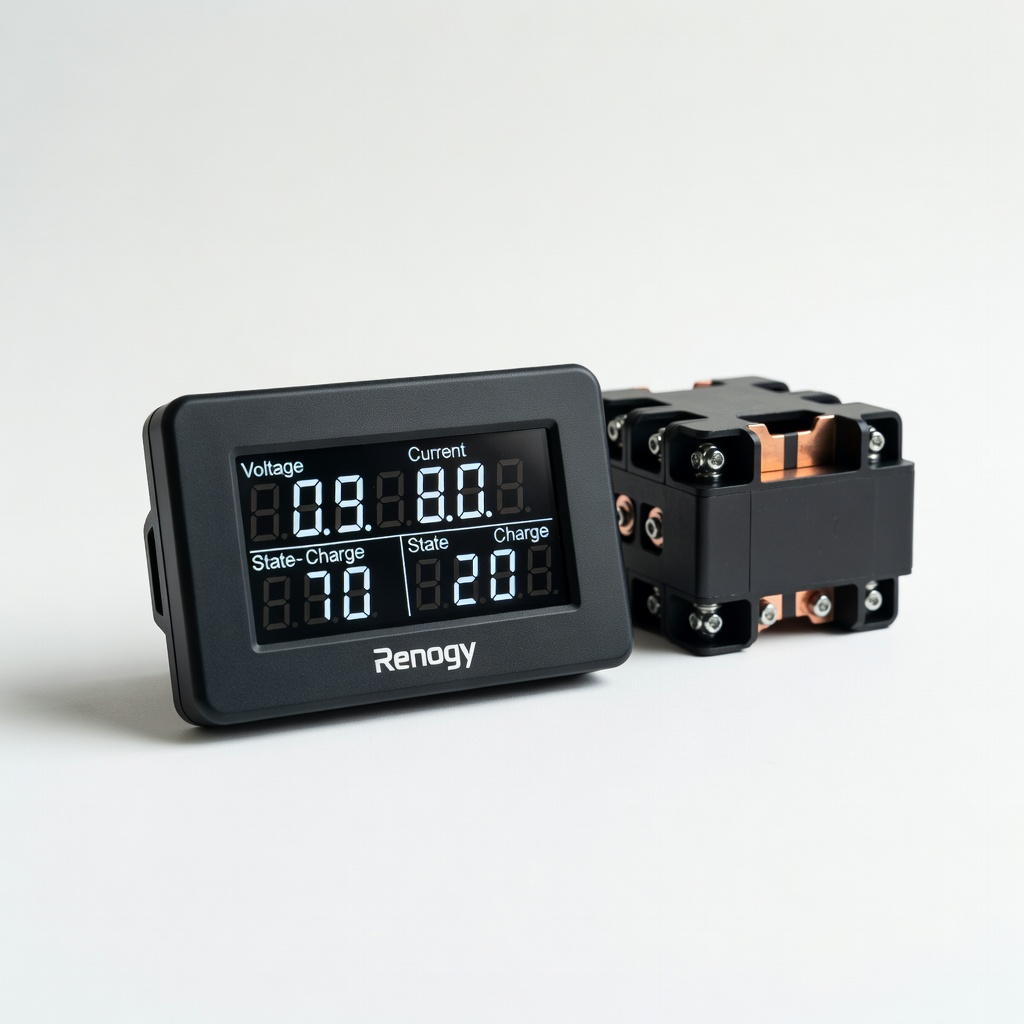
Install on house battery negative for 24/7 monitoring in boondocking.
Renogy 500A Battery Monitor with Shunt Tracks SOC, current in/out, history—pinpoints drain sources precisely.
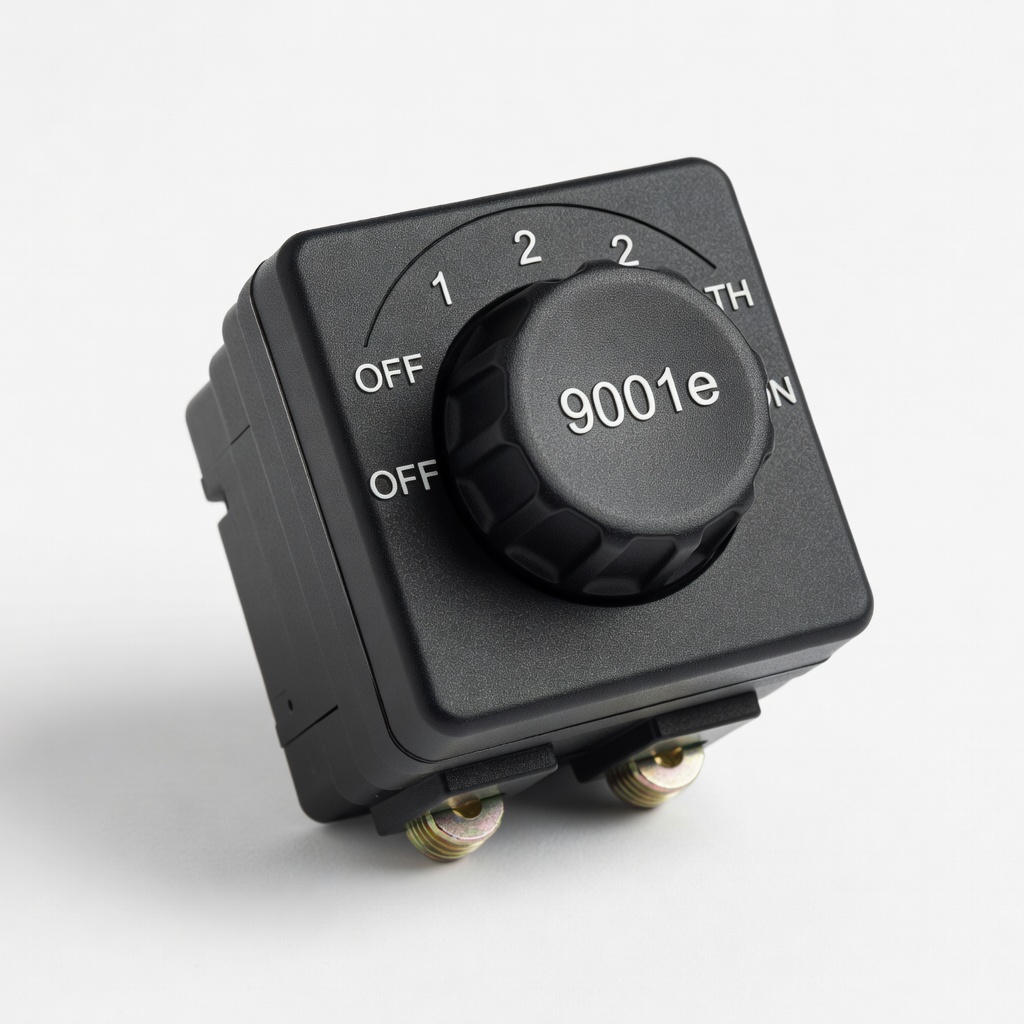
Nightly disconnect for long-term storage or testing.
Blue Sea Systems 9001e Battery Switch Simple rotary switch isolates battery, killing all parasitic draws instantly.
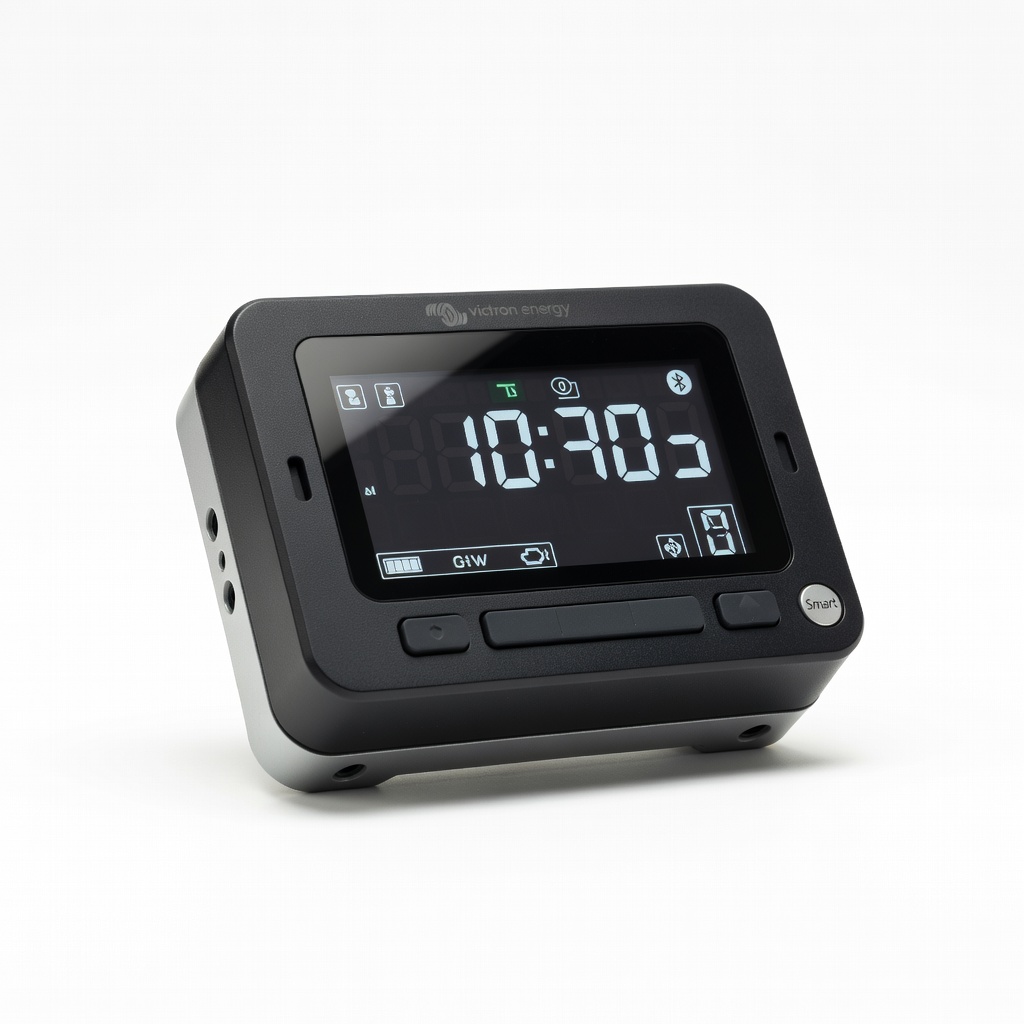
Multi-battery setups to compare starter/house drains.
Victron Energy BMV-712 Smart Battery Monitor Bluetooth app integration, precise shunt—pro-level for advanced RVers.
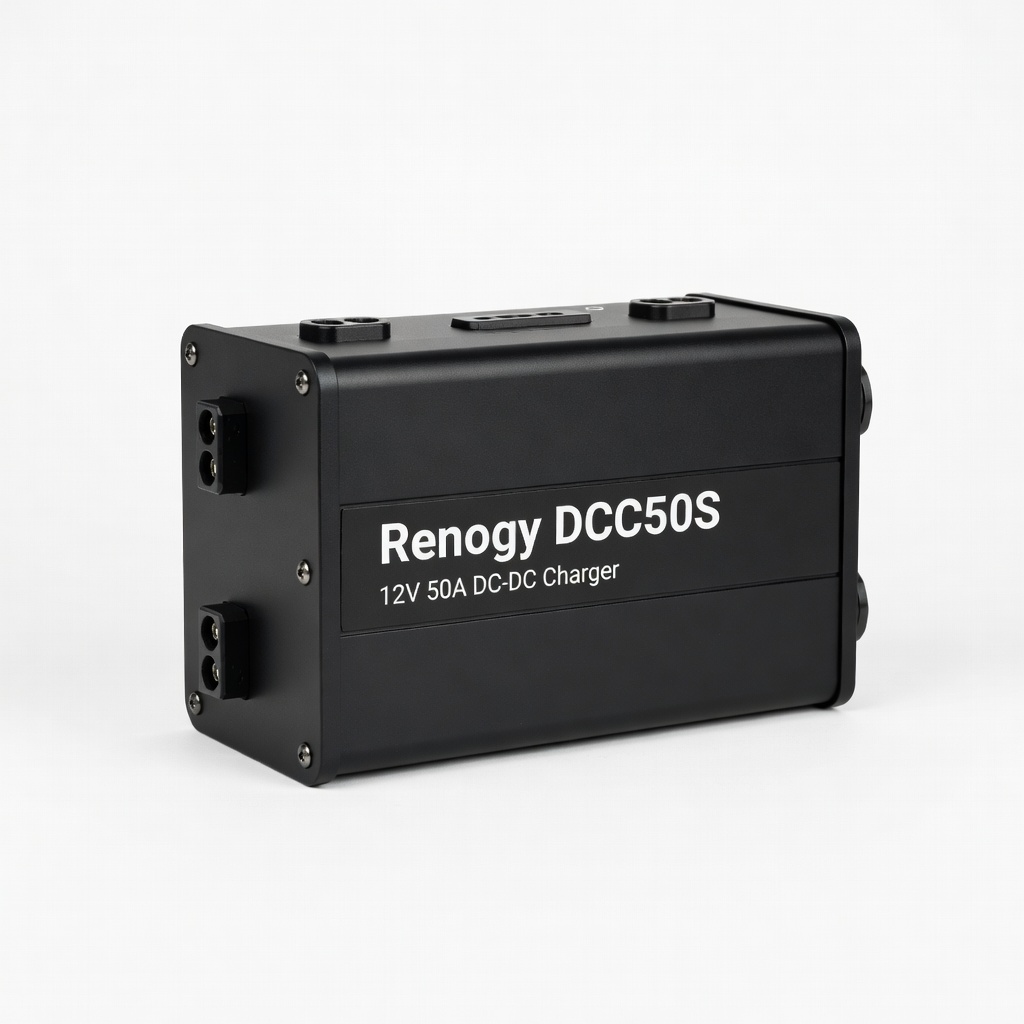
Upgrade faulty stock chargers in dual-battery campers.
Renogy DCC50S 12V 50A DC-DC Charger Low quiescent draw (<5mA), prevents reverse leaks from alternator.