Nothing kills an RV adventure faster than dead 12V batteries—leaving you in the dark without lights, fans, or pump power when you need them most. RVers often blame 'bad batteries,' but the truth is, most failures stem from preventable issues like improper charging, harsh conditions, and neglect. This guide breaks it down so you can diagnose and extend battery life.
You'll learn the primary causes of 12V battery failure in RVs, from deep discharge to vibration damage, with real-world examples and analogies. By the end, you'll know how to spot early warning signs and prevent costly replacements. No advanced tools needed—just intermediate electrical knowledge and 15 minutes to read.
Expect clear explanations, step-by-step breakdowns of each cause, and actionable prevention strategies tailored for RV use, whether you're boondocking or full-timing.
▸What You'll Need
- •Basic understanding of voltage and amp-hours (Ah)
- •Digital multimeter (for voltage checks, optional but recommended)
- •Battery hydrometer (for flooded lead-acid batteries, optional)
- •Safety gloves and eye protection (required for handling batteries)
Estimated Time: 15-20 minutes
Difficulty: intermediate
▸Step-by-Step Instructions
Step 1: Deep Discharging Below 50% Capacity
The #1 killer of RV 12V batteries is repeatedly draining them too low. Lead-acid batteries (common in RVs) sulfate irreversibly if discharged below 50% state of charge (SoC), like letting a sponge dry out completely—it crumbles instead of rebounding.
In RVs, this happens from heavy DC loads like lights, pumps, and inverters without shore power or solar. Expect reduced runtime and eventual total failure after 20-50 cycles.
Why it matters: One deep discharge can halve lifespan from 500 cycles to 250.
![Image: Graph showing battery SoC dropping below 50% with sulfation buildup on plates.]
💡 Tips:
- •Monitor SoC daily with a voltmeter—12.2V = 50% on lead-acid.
⚠️ Warnings:
- •Never let batteries hit 10.5V; recharge immediately.
Step 2: Chronic Undercharging and Sulfation
Incomplete charging leaves lead sulfate crystals on plates, like plaque buildup in arteries, blocking capacity over time. RV converters often output 13.2-13.6V (float), insufficient for full desulfation needing 14.4V+ absorption.
Common in partial hookups or weak solar setups. Batteries feel 'lazy'—hold less charge despite resting full.
Analogy: Trying to fill a bucket with a clogged hose; water (capacity) trickles less each time.
💡 Tips:
- •Use a smart charger weekly to equalize and desulfate.
⚠️ Warnings:
- •Avoid cheap 'trickle' chargers; they worsen sulfation.
Step 3: Age and Natural Plate Degradation
Lead-acid RV batteries last 3-5 years max, AGM 4-7, lithium 10+. Chemical reactions erode plates like rust on metal, dropping capacity 20-30% yearly after year 3.
Expect swelling cases or bulging tops as end-of-life signs.
Real-world: A 5-year house battery might start at 100Ah but deliver only 40Ah reliably.
💡 Tips:
- •Replace proactively at 80% original capacity via load test.
Step 4: Extreme Temperatures: Heat and Cold
Heat over 77°F (25°C) doubles failure rate every 10°C rise, evaporating electrolyte like a pot left boiling dry. Cold below 32°F halves capacity temporarily but accelerates sulfation long-term.
RVs trap heat in engine bays or under chassis; winter storage freezes unprotected batteries.
Stat: Lifespan halves at 100°F average.
💡 Tips:
- •Insulate battery box; use temp-compensating chargers.
⚠️ Warnings:
- •Never charge frozen batteries—explosion risk.
Step 5: Vibration from Road Travel
RV roads shake batteries, loosening internal plates and welds—like shaking a snow globe until flakes clump. Deep-cycle batteries fare better but still fail 20-30% faster without isolation.
Signs: Sudden capacity drop after bumpy trips.
💡 Tips:
- •Secure with hold-downs and foam padding.
Step 6: Parasitic Drains from Accessories
Always-on devices like alarms or stereos draw 50-200mA, draining batteries in storage—like a slow leak in a tire. Over weeks, full batteries go flat.
Test by disconnecting negative cable and measuring draw.
💡 Tips:
- •Install battery cutoff switch for storage.
⚠️ Warnings:
- •Over 50mA continuous is excessive.
Step 7: Improper Maintenance and Electrolyte Loss
Flooded batteries need monthly water top-ups; evaporation from gassing dries cells. Dirt/corrosion on terminals increases resistance, like rusty pipes.
AGM/gel are sealed but still need clean terminals.
💡 Tips:
- •Check levels quarterly; use distilled water only.
Step 8: Overcharging or Faulty Chargers
Excessive voltage boils electrolyte, like overcooking pasta. Bad RV converters spike to 15V+.
Rare but catastrophic—melts internals.
⚠️ Warnings:
- •Upgrade to multi-stage chargers.
▸Pro Tips
- •Install a shunt-based monitor for real-time SoC tracking.
- •Switch to lithium (LiFePO4) for vibration/heat resistance and 5x lifespan.
- •Equalize monthly: Charge to 15V for 2 hours on flooded batteries.
- •Store at 100% charge in cool, dry place off-season.
- •Use temperature sensors on chargers for auto-compensation.
- •Battery bank sizing: 200Ah+ for weekend boondocking.
- •Test under load annually with a 50% capacity draw for 15 seconds.
▸Common Mistakes to Avoid
- •Ignoring low-voltage alarms, leading to deep discharge.
- •Using car chargers instead of deep-cycle specific ones, causing undercharging.
- •Storing batteries fully discharged or sulfated, guaranteeing failure.
- •Overlooking terminal corrosion, mimicking dead battery.
- •Mounting without vibration dampening on rough roads.
▸Troubleshooting
Problem: Battery reads 12.6V but dies quickly.
Solution: Perform load test; sulfation likely—desulfate or replace.
Problem: Swollen case or acid smell.
Solution: Immediate replacement; vent area and neutralize spills.
Problem: Slow cranking or dim lights.
Solution: Check connections, clean terminals; test alternator output.
Problem: Zero voltage.
Solution: Charge slowly; if no rise, shorted cells—scrap it.
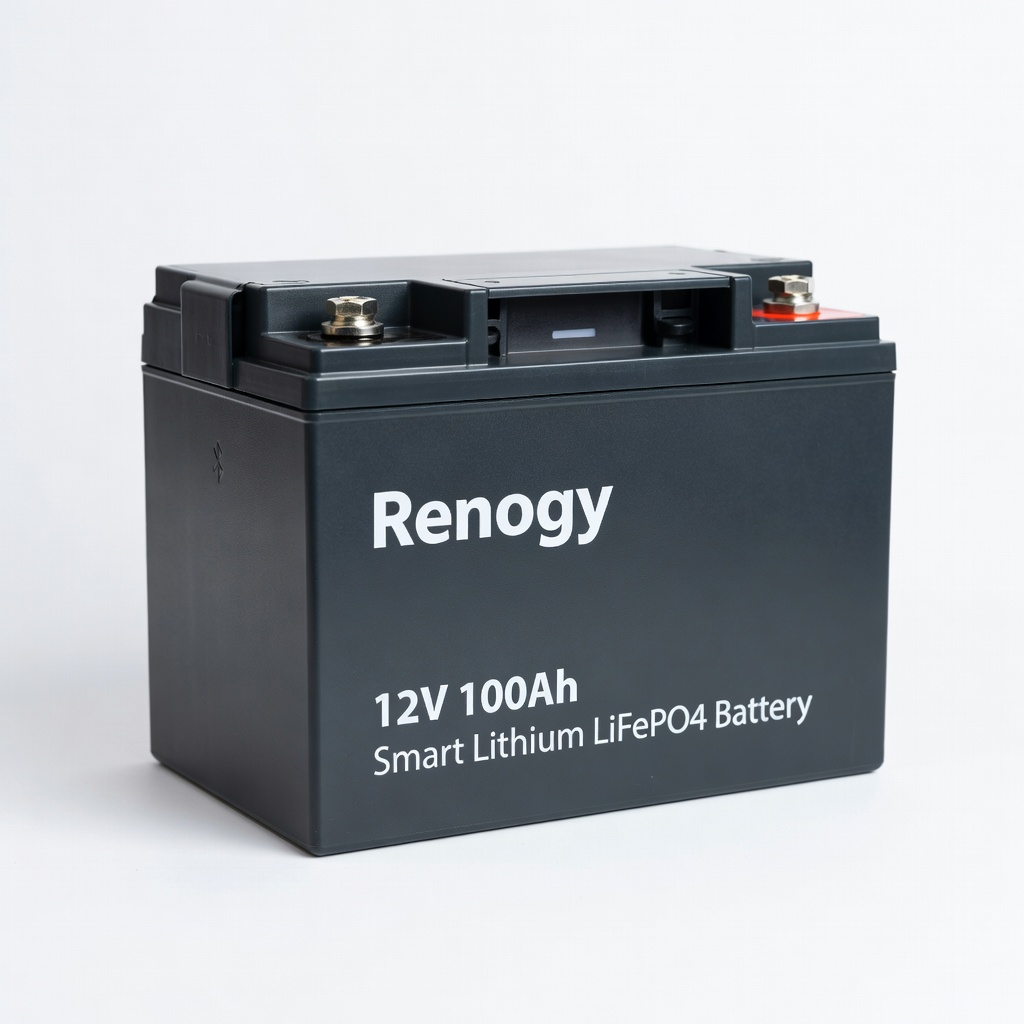
Renogy 12V 100Ah Smart Lithium LiFePO4 Battery
Replaces failing lead-acid with 10x cycles, vibration-proof, and BMS for overcharge protection.
Best for: Upgrade house batteries for boondocking without failure worries.
Price Range: $700-$800
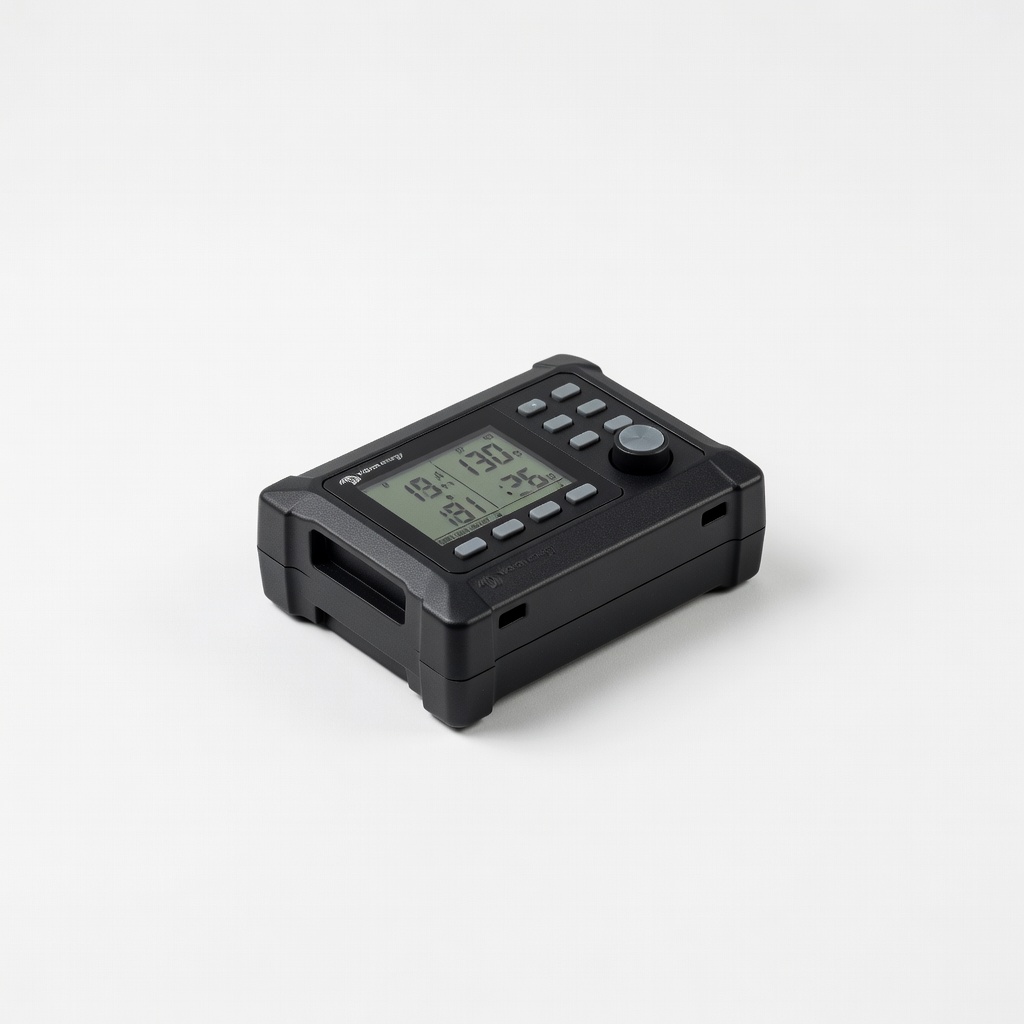
Victron Energy BMV-712 Smart Battery Monitor
Tracks SoC, prevents deep discharge with Bluetooth app alerts.
Best for: Daily monitoring to catch undercharging early.
Price Range: $150-$170
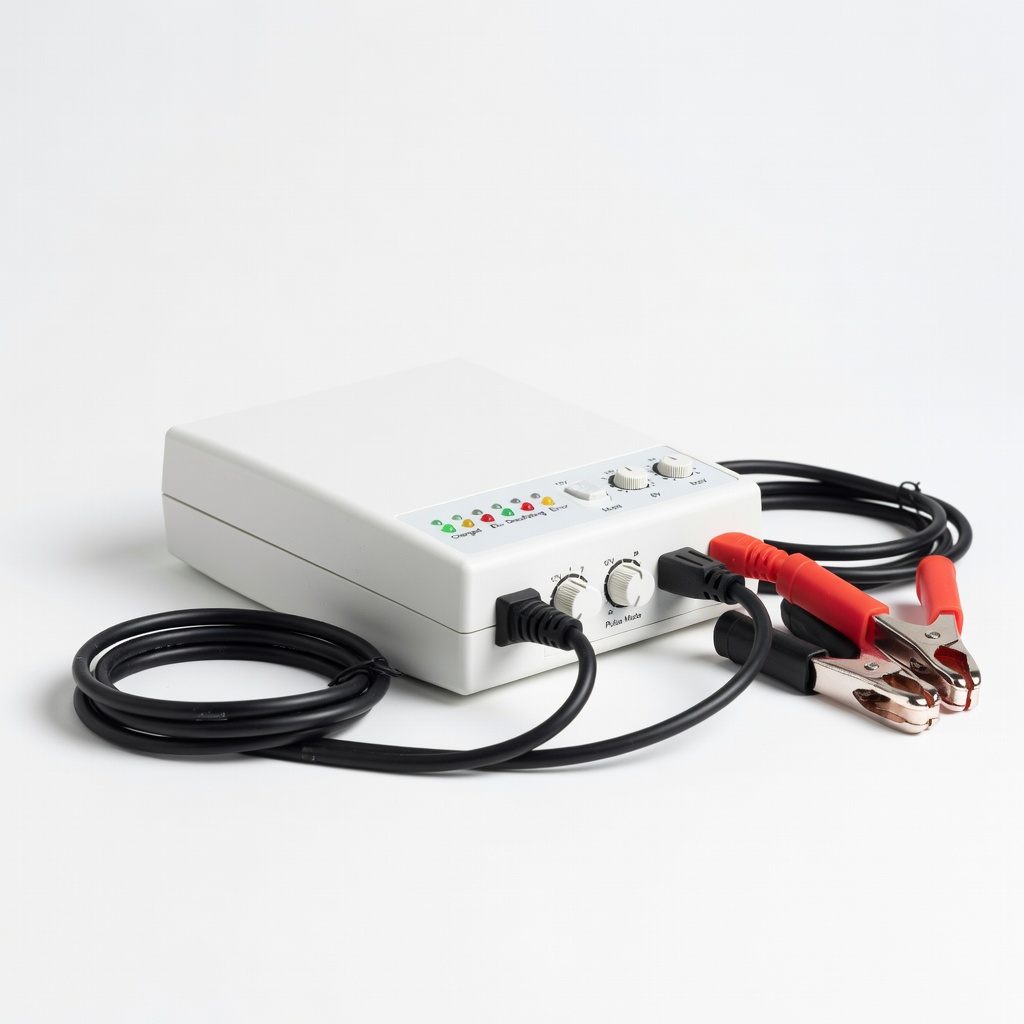
BatteryMINDer 2012-12V Battery Desulfator/Charger
Reverses sulfation from undercharging, extends lead-acid life 2-3x.
Best for: Maintenance charger for storage or weak batteries.
Price Range: $60-$80
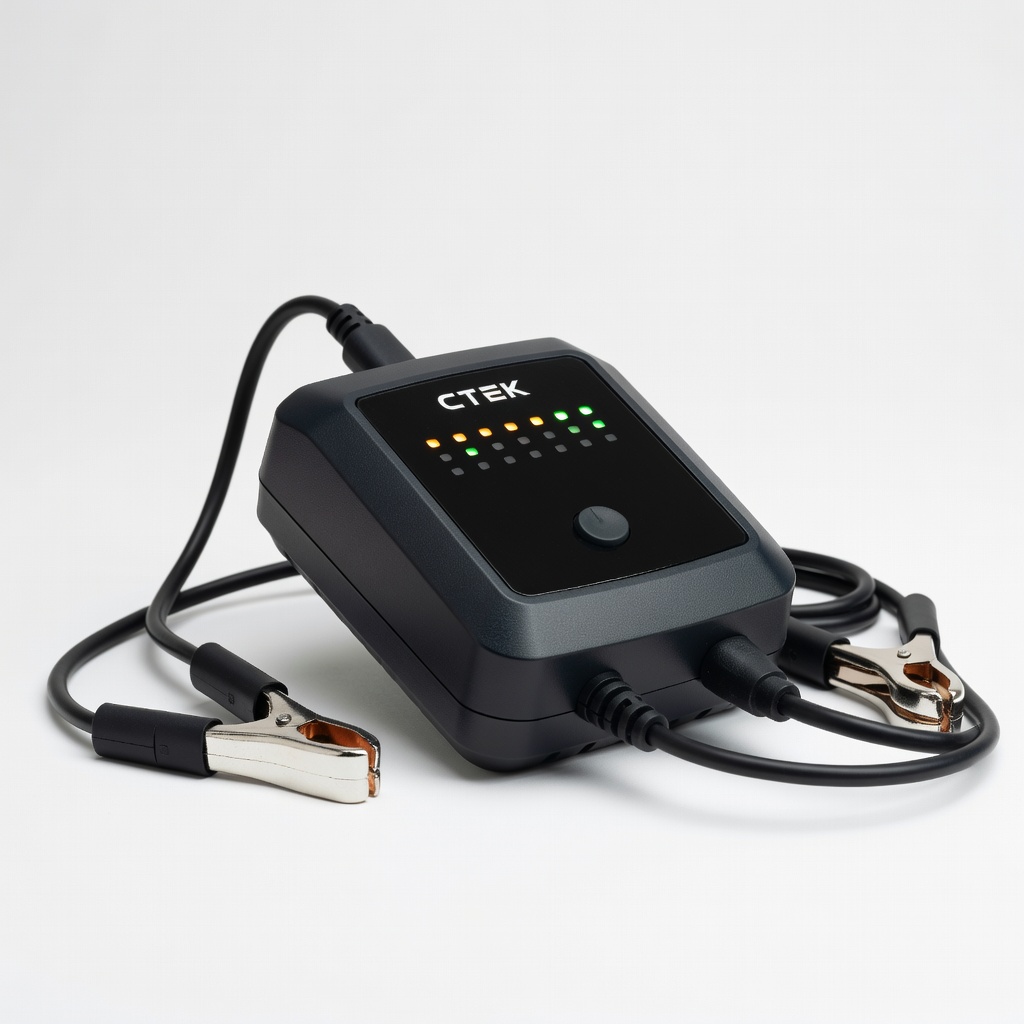
CTEK MXS 5.0 Battery Charger/Maintainer
Multi-stage charging desulfates and temperature-compensates perfectly.
Best for: Weekly top-ups to avoid under/overcharging.
Price Range: $70-$90
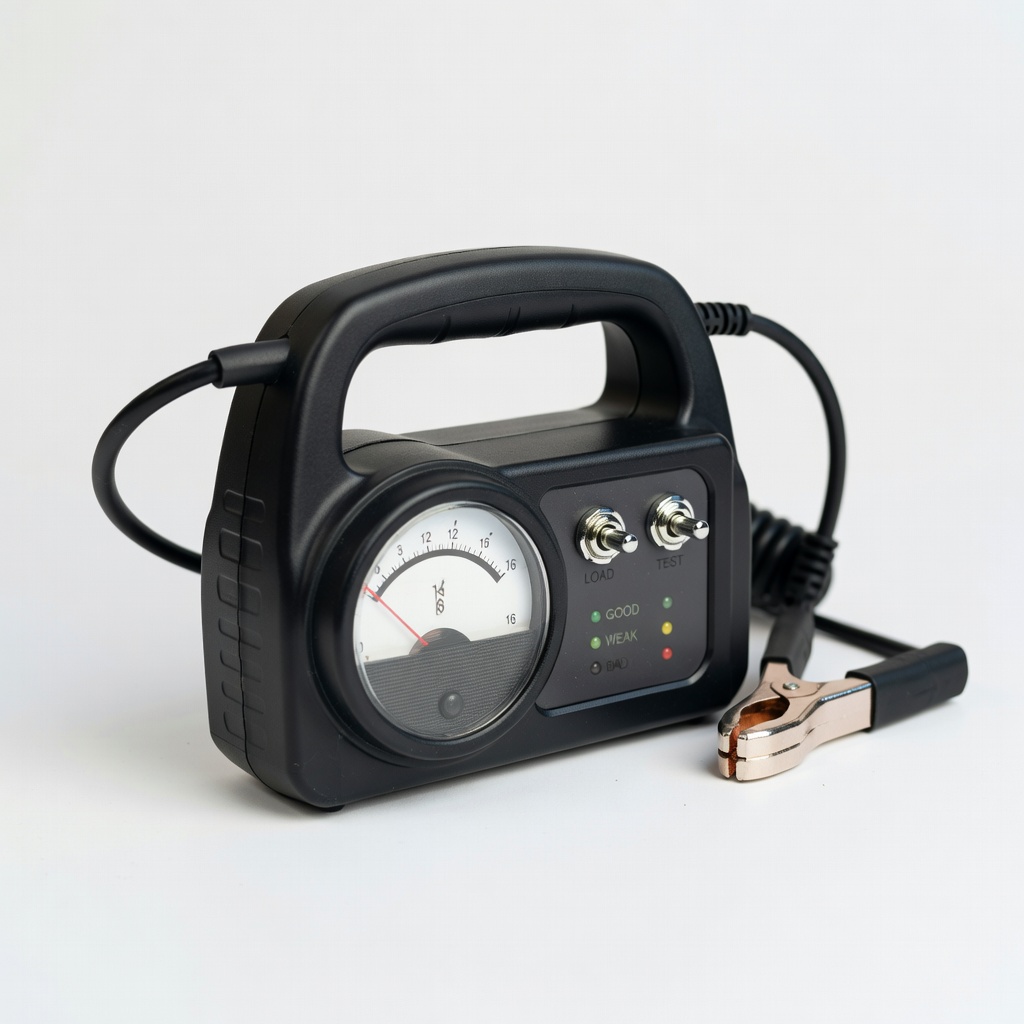
Actron CP7838 12V Battery Load Tester
Quickly diagnoses weak batteries under load vs. rest voltage.
Best for: Annual testing to predict failures.
Price Range: $40-$50