In today's healthcare landscape, the demand for skilled professionals is skyrocketing, but not everyone wants to spend years in medical school. Allied health careers offer a rewarding entry point into the medical field, providing essential support in diagnosis, treatment, and patient care. These roles are crucial for keeping hospitals, clinics, and rehab centers running smoothly, and they often come with strong job security and competitive salaries.
In this guide, you'll learn what allied health entails, explore popular career options, understand education and certification paths, and get tips for breaking into the field. Whether you're a high school graduate or career changer, this explainer breaks down the basics without overwhelming jargon. Expect to spend about 10-15 minutes reading, with actionable insights to help you decide if allied health is right for you.
Allied health encompasses over 200 professions that bridge the gap between physicians and patients, focusing on specialized skills like imaging, therapy, and lab work. It's a versatile field with opportunities in various settings, from urban hospitals to rural clinics.
▸What You'll Need
- •Basic high school education or equivalent (prerequisite knowledge)
- •Interest in healthcare and helping people (motivation)
- •Access to a computer for online research on programs and certifications (optional but helpful)
- •Notebook for jotting down career interests (optional)
Estimated Time: 10-15 minutes to read and understand
Difficulty: beginner
▸Step-by-Step Instructions
Step 1: Understand What Allied Health Means
Allied health refers to a broad group of healthcare professions that are distinct from medicine, nursing, and pharmacy. These roles focus on supporting the delivery of healthcare services through technical, therapeutic, and diagnostic expertise. Think of allied health workers as the backbone of medical teams—they handle everything from preparing patients for procedures to analyzing test results.
Why does this matter? Allied health careers make up about 60% of the healthcare workforce, according to the U.S. Bureau of Labor Statistics (BLS). They're essential for efficient patient care and often require less time and money to enter than becoming a doctor. For beginners, starting here means gaining hands-on experience quickly while contributing meaningfully to health outcomes.
Expect to see roles in settings like hospitals, outpatient clinics, and home health services. No prior medical experience is needed to explore this field—just curiosity about science and people.
💡 Tips:
- •Use analogies: Imagine allied health as the 'support crew' in a hospital, like mechanics in a pit stop for race cars.
⚠️ Warnings:
- •Don't confuse allied health with nursing; nurses have more direct patient care responsibilities.
Step 2: Explore Key Categories of Allied Health Careers
Allied health careers can be grouped into categories like therapeutic services, diagnostic services, and support services. Therapeutic roles, such as physical therapy assistants, help patients recover mobility after injuries. Diagnostic professionals, like radiologic technologists, use imaging equipment to aid in disease detection. Support roles include medical assistants who handle administrative and clinical tasks.
This categorization helps beginners navigate options based on interests—do you prefer working with technology, people, or data? The BLS projects 16% growth in these fields through 2031, faster than average, due to aging populations and advances in medical tech.
Examples include speech-language pathologists who treat communication disorders or respiratory therapists who manage breathing issues. Each category offers variety, from fast-paced ER work to one-on-one rehab sessions.
💡 Tips:
- •Assess your strengths: If you're detail-oriented, try lab tech roles; if empathetic, go for therapy positions.
Step 3: Learn About Popular Specific Careers
Diving deeper, popular allied health careers include medical laboratory technicians who analyze blood and tissue samples for diagnoses, earning a median salary of $57,800 (BLS 2023). Occupational therapy assistants help patients develop daily living skills post-illness, with salaries around $63,100 and associate degrees as entry points.
Other standouts: Dental hygienists clean teeth and educate on oral health ($81,400 median), and cardiovascular technologists assist in heart procedures ($61,100). These roles often involve shift work but offer flexibility and fulfillment from direct impact on lives.
For beginners, start with entry-level positions like phlebotomists (drawing blood), which require short training and pay about $38,600. Expect certification exams and on-the-job training to build confidence.
💡 Tips:
- •Research job shadows: Many programs offer free shadowing to test careers before committing.
⚠️ Warnings:
- •Avoid assuming all roles are low-stress; some, like emergency techs, can be high-pressure.
Step 4: Understand Education and Training Requirements
Most allied health careers require at least an associate degree (2 years), though some like certified nursing assistants need only weeks of training. Programs are available at community colleges, vocational schools, or online, covering topics like anatomy, patient safety, and specialized skills.
Why education matters: It ensures competency and eligibility for certifications from bodies like the American Registry of Radiologic Technologists. Costs range from $5,000-$20,000 for degrees, with financial aid common. Beginners can start with certificates for quick entry, then advance.
Post-training, expect clinical rotations for real-world practice. This step builds a foundation, making complex medical environments feel approachable.
💡 Tips:
- •Look for accredited programs via the Commission on Accreditation of Allied Health Education Programs (CAAHEP).
Step 5: Examine Job Outlook and Salary Expectations
The job market for allied health is robust, with over 1.5 million new jobs projected by 2031 (BLS). Factors like telemedicine growth and chronic disease prevalence drive demand. Salaries vary: entry-level around $35,000-$50,000, mid-level $60,000+.
This matters for career planning—higher education often leads to better pay and advancement, like from assistant to full therapist. Beginners should note regional differences; urban areas pay more but have higher living costs.
Expect benefits like health insurance and retirement plans in most roles, plus opportunities for specialization.
💡 Tips:
- •Use sites like Indeed or BLS.gov for local salary data to set realistic goals.
⚠️ Warnings:
- •Don't overlook burnout; balance with self-care in demanding shifts.
Step 6: Get Started: Steps to Enter the Field
To launch your career, research programs, apply for financial aid, and complete training. Network via LinkedIn or professional groups like the American Society of Allied Health Professions. Gain experience through volunteering at clinics.
Why proactive steps? They demystify the field and build resumes. Expect 6-24 months to qualify, depending on the role. Beginners can start part-time while studying.
Finally, pass certifications and apply—many employers offer tuition reimbursement for further growth.
💡 Tips:
- •Join free webinars from allied health associations for insider advice.
▸Pro Tips
- •Start with informational interviews: Talk to current professionals to learn daily realities.
- •Build soft skills like communication early—they're as vital as technical knowledge.
- •Use free resources like Khan Academy for basic anatomy refreshers before programs.
- •Track certifications: Renewals keep you competitive and often require minimal CEUs.
- •Diversify experience: Volunteer in multiple settings to find your niche.
- •Leverage apprenticeships: Some states offer paid on-the-job training for quick entry.
- •Stay updated: Follow journals like 'Allied Health' for trends in telehealth.
▸Common Mistakes to Avoid
- •Overlooking accreditation: Choosing unaccredited programs leads to invalid certifications—always verify with CAAHEP.
- •Ignoring work-life balance: Jumping into high-stress roles without assessing burnout risk—start with flexible positions.
- •Underestimating math/science prereqs: Many fail entry due to weak basics—brush up via online courses first.
- •Not networking: Applying blindly without connections slows job hunts—join LinkedIn groups early.
- •Focusing only on salary: Prioritizing pay over passion leads to dissatisfaction—align with interests.
▸Troubleshooting
Problem: Struggling to choose a specific career
Solution: Take free career quizzes on sites like O*NET Online or consult a career counselor at a community college.
Problem: Financial barriers to education
Solution: Apply for scholarships via the Allied Health Scholarship Fund or FAFSA for grants—many programs have low-cost options.
Problem: Difficulty finding entry-level jobs
Solution: Gain volunteer hours or certifications first; use job boards like Health eCareers tailored to allied health.
Problem: Feeling overwhelmed by medical terminology
Solution: Use apps like Quizlet for flashcards; start with beginner glossaries from the American Medical Association.
Littmann Classic III Stethoscope
A reliable, durable stethoscope is essential for many allied health roles involving patient assessment, offering clear acoustics for beginners.
Best for: Use during clinical training or daily checks in therapy or assistant positions.
Price Range: $100-$150 (mid-range)
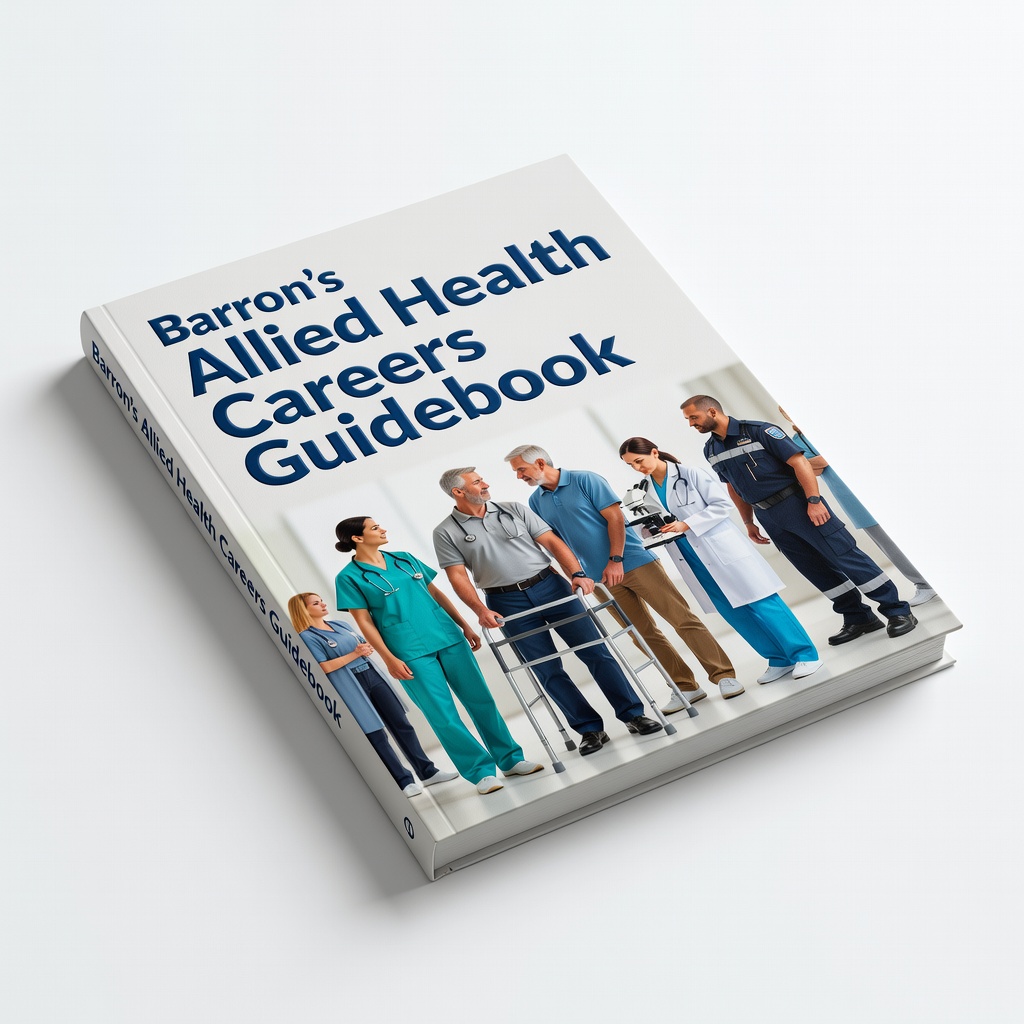
Barron's Allied Health Careers Guidebook
This comprehensive book provides overviews, exam prep, and career paths, ideal for beginners researching options without online overload.
Best for: Reference during self-study or program selection to understand requirements.
Price Range: $20-$30 (budget-friendly)
Coursera Allied Health Specialization (by University of Minnesota)
Online courses offer flexible, accredited intro to topics like medical terminology, helping build foundational knowledge affordably.
Best for: Supplement formal education or prepare for certifications at your own pace.
Price Range: $49/month (subscription, low entry)
3M Littmann Replacement Ear Tips
Affordable maintenance for stethoscopes ensures hygiene and performance, a practical add-on for long-term use in clinical settings.
Best for: Regular cleaning and replacement to maintain equipment during training or work.
Price Range: $10-$20 (inexpensive)