
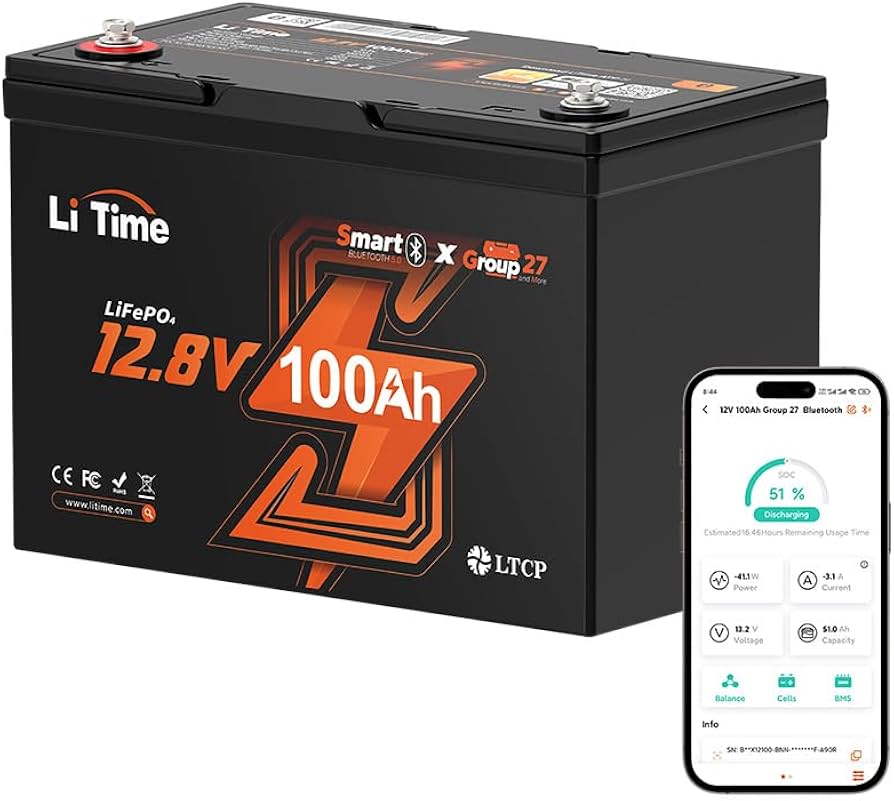
LiTime 12V 100Ah LiFePO4 Battery
Small RV/van setups (1-2kWh/day); parallel 2-4 for larger.
$250-$300
LiTime 12V 100Ah LiFePO4 Battery Top-rated for solar with 100% DoD, 4000+ cycles, built-in BMS protects from over-discharge.
Get the App
Better experience on mobile
Learn to precisely calculate the ideal 12V battery capacity (Ah) for reliable off-grid solar power, avoiding blackouts and overspending.
Off-grid solar setups demand precise battery sizing—too small, and you're in the dark during cloudy stretches; too large, and you've wasted thousands. Advanced users know that Ah ratings alone mislead without factoring loads, autonomy, and efficiency.
This guide breaks down the math behind selecting the right 12V battery capacity. You'll learn step-by-step calculations using real-world formulas, with examples for cabins, RVs, or vans. Expect 20-30 minutes to read and compute your setup; advanced knowledge of solar basics assumed.
By the end, you'll size batteries confidently, scaling from 100Ah to 400Ah+ based on needs.
Estimated Time: 20-30 minutes Difficulty: advanced
List all 12V loads (lights, fridge, inverter draws) and their runtime. Multiply watts by hours used daily for Wh per device, then sum.
Example: 100W fridge x 24h = 2400Wh, but factor inverter efficiency (85%): 2400 / 0.85 = 2824Wh. Why? Inverters lose 15% energy. Expect totals from 1kWh (tiny setup) to 10kWh+ (full cabin).
Use a spreadsheet: Column A (device), B (W), C (hours), D (=B*C / eff%).
💡 Tips:
⚠️ Warnings:
Autonomy is backup days without solar input (e.g., storms). Advanced setups use 2-5 days.
Formula factor: Daily Wh x Autonomy. Example: 3000Wh/day x 3 days = 9000Wh needed. Why? Balances cost vs. reliability—LiFePO4 allows longer autonomy economically.
💡 Tips:
DoD is usable capacity %. AGM: 50%, Flooded: 50%, LiFePO4: 80-100%.
Required Wh = (Daily Wh x Autonomy) / DoD. Example: 9000Wh / 0.8 = 11,250Wh. Why critical? Undersizing DoD kills batteries fast via sulfation.
💡 Tips:
⚠️ Warnings:
Efficiency: 90% round-trip (charge/discharge). Peukert for lead-acid: High loads reduce effective Ah.
Adjusted Wh = Required Wh / 0.9. Example: 11,250 / 0.9 = 12,500Wh. Advanced tip: Ignore Peukert for lithium.
💡 Tips:
Ah = Wh / Voltage. For 12V: 12,500Wh / 12V = 1042Ah total.
Parallel banks: Two 600Ah in parallel = 1200Ah. Why? Batteries in series keep 12V, parallel add Ah.
💡 Tips:
⚠️ Warnings:
Battery C-rating (discharge rate): Ensure > peak load / num batteries. Solar must recharge daily Wh.
Example: 3000Wh/day needs ~15A charge rate (250W panels).
💡 Tips:
Daily 3000Wh, 3 days autonomy, LiFePO4 90% DoD/eff: (3000x3)/0.9/0.9 ≈ 11,100Wh /12.8V = 870Ah. Recommend 4x 200Ah or 2x 400Ah.
💡 Tips:
Problem: Battery dies before autonomy ends
Solution: Recalculate loads (hidden draws?); check DoD via shunt. Add capacity if undersized.
Problem: Slow recharge, voltage sag
Solution: Verify MPPT sizing; clean panels. Test C-rating vs. loads.
Problem: Uneven parallel bank discharge
Solution: Balance voltages pre-connect; use active balancer. Match age/chemistry.
Problem: Cold weather capacity loss
Solution: Insulate batteries; choose low-temp LiFePO4. Heat pads if needed.
Top-rated for solar with 100% DoD, 4000+ cycles, built-in BMS protects from over-discharge.
Best for: Small RV/van setups (1-2kWh/day); parallel 2-4 for larger.
Price Range: $250-$300
Bluetooth app for SOC monitoring, ideal for advanced off-grid with self-heating.
Best for: Cabins needing 4-6kWh autonomy; scales easily.
Price Range: $650-$750
Proven 10+ year life, vibration-resistant for RVs, matches solar C-rates perfectly.
Best for: High-reliability needs like remote cabins.
Price Range: $850-$950
Budget lead-acid alternative with 50% DoD, spill-proof for beginners scaling to lithium.
Best for: Entry-level testing before lithium upgrade.
Price Range: $160-$200
Precise Ah/DoD monitoring essential for advanced sizing validation.
Best for: Any off-grid bank to track real performance.
Price Range: $120-$150
Small RV/van setups (1-2kWh/day); parallel 2-4 for larger.
LiTime 12V 100Ah LiFePO4 Battery Top-rated for solar with 100% DoD, 4000+ cycles, built-in BMS protects from over-discharge.
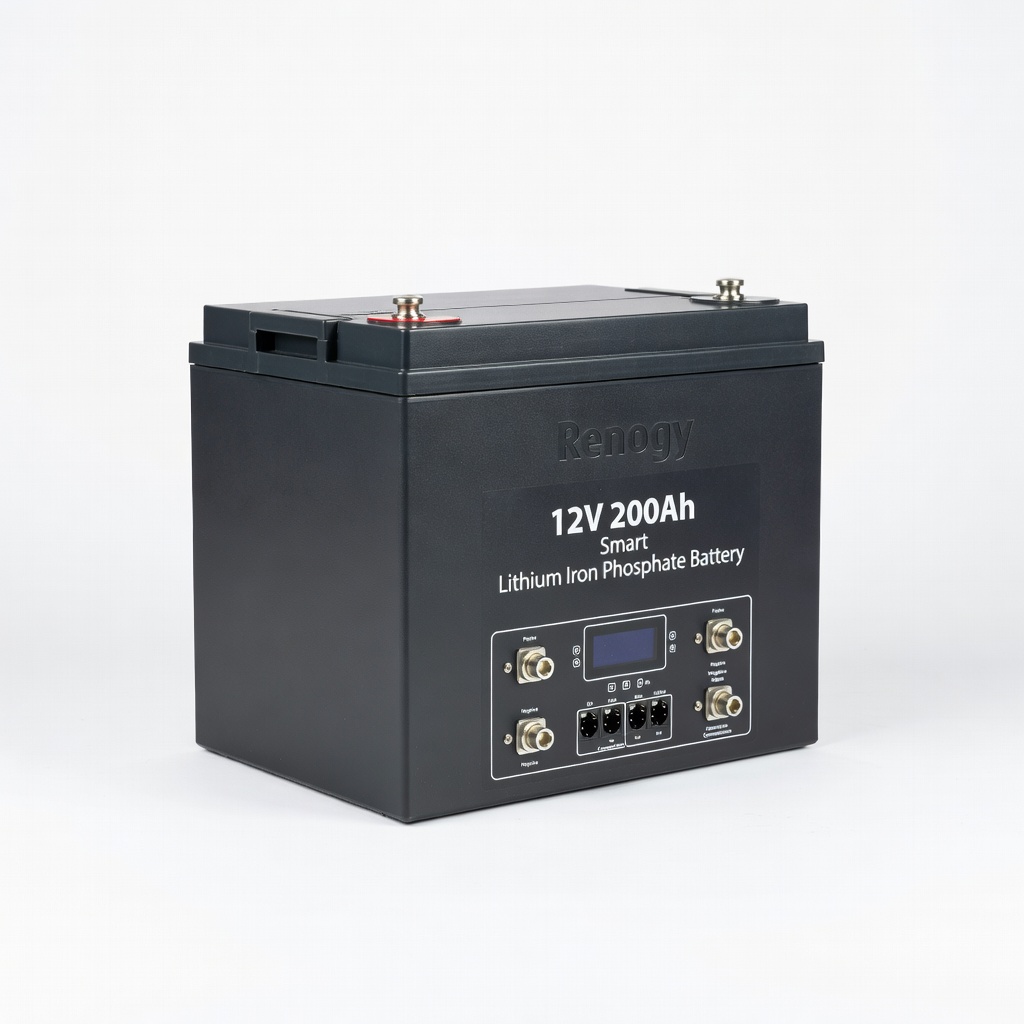
Cabins needing 4-6kWh autonomy; scales easily.
Renogy 12V 200Ah Smart Lithium Iron Phosphate Battery Bluetooth app for SOC monitoring, ideal for advanced off-grid with self-heating.
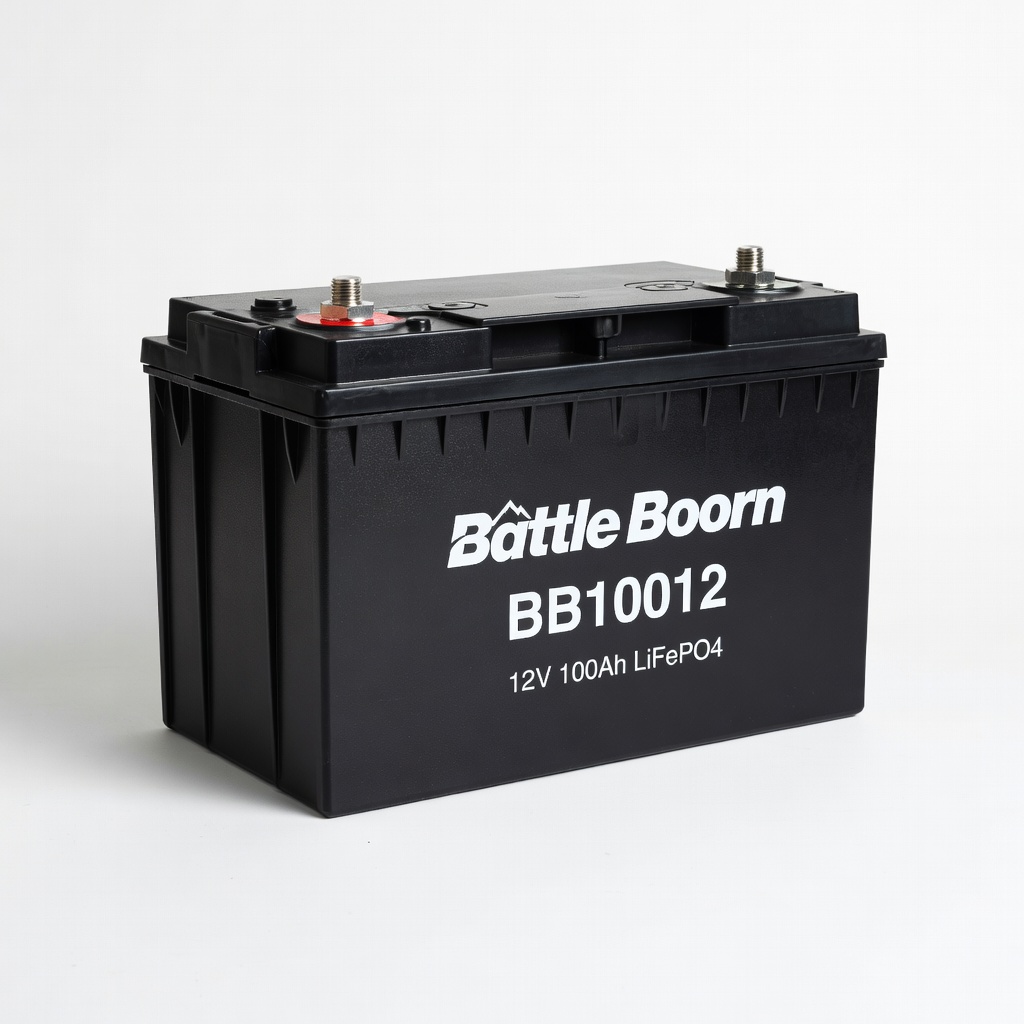
High-reliability needs like remote cabins.
Battle Born BB10012 12V 100Ah LiFePO4 Proven 10+ year life, vibration-resistant for RVs, matches solar C-rates perfectly.
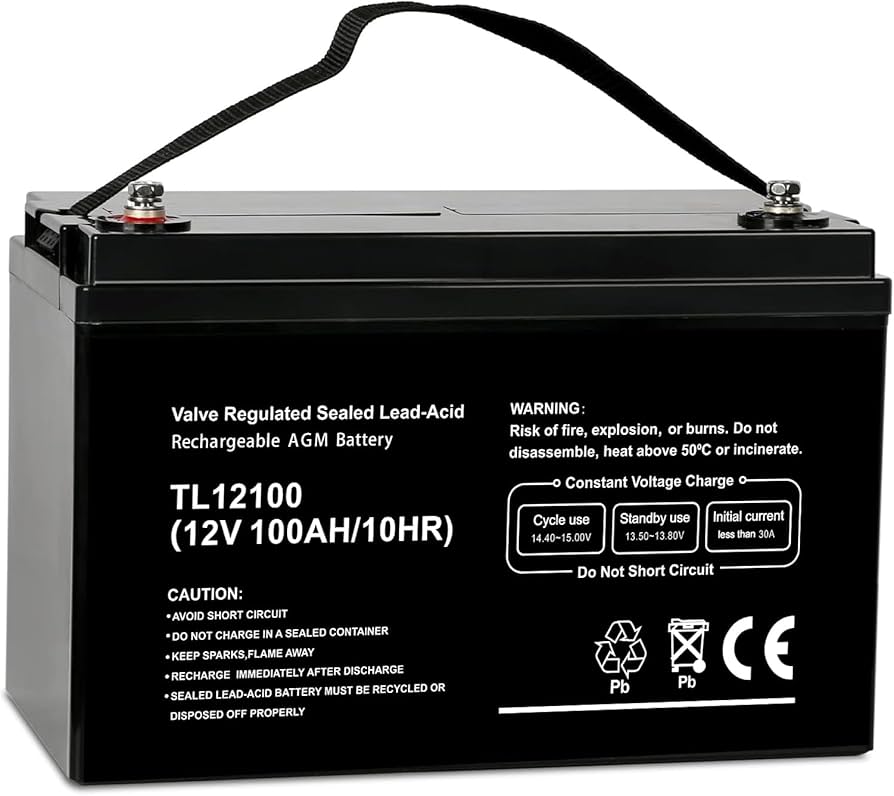
Entry-level testing before lithium upgrade.
Weize 12V 100Ah AGM Deep Cycle Battery Budget lead-acid alternative with 50% DoD, spill-proof for beginners scaling to lithium.
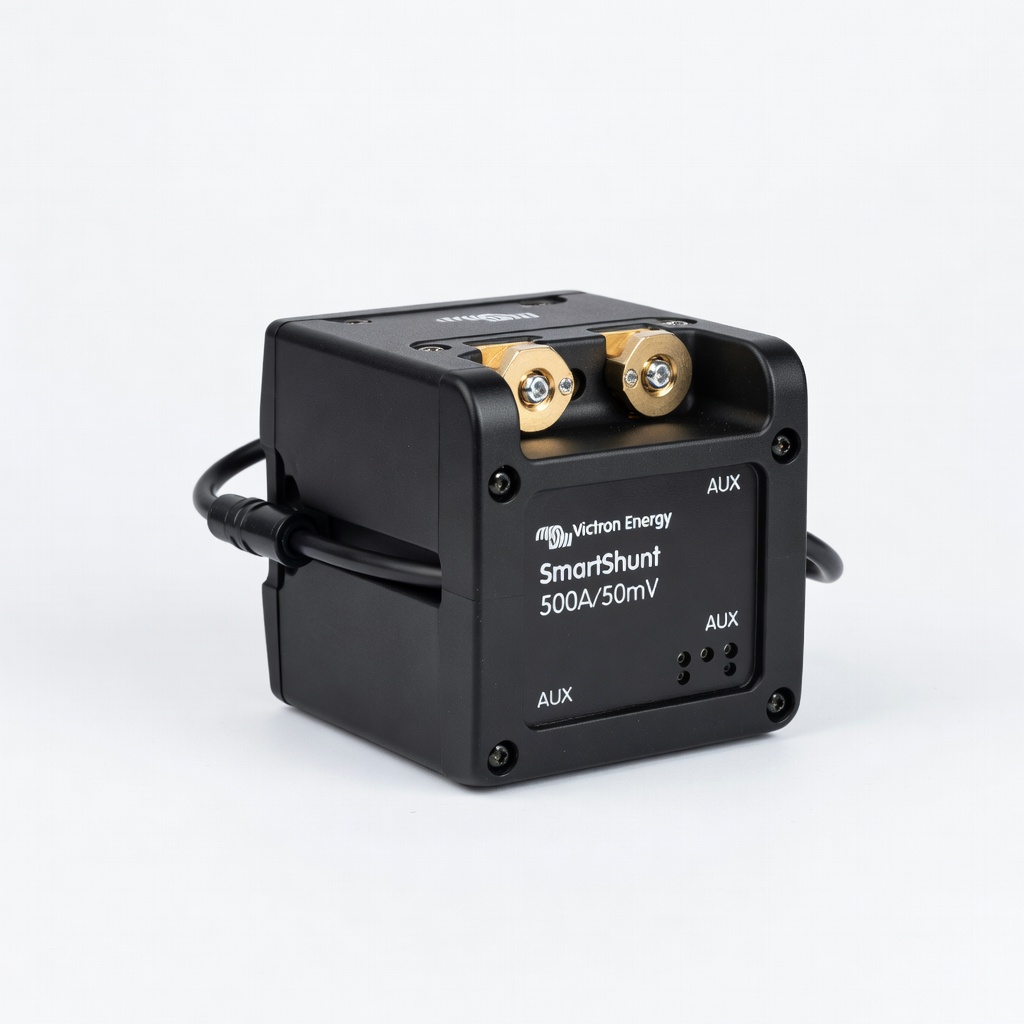
Any off-grid bank to track real performance.
Victron Energy SmartShunt 500A/50mV Precise Ah/DoD monitoring essential for advanced sizing validation.