Acoustic basses deliver rich, natural low-end tone, but their bulky bodies and heavy components make them a nightmare to lug around. Gigging musicians and traveling players often struggle with back strain and oversized cases, limiting where and how often they play. The good news? The bridge—the critical transfer point for string vibration to the body—plays a huge role in overall weight and balance.
In this guide, you'll discover bridge designs and materials that slash unnecessary weight while preserving or even enhancing tone. We'll break down traditional vs. modern options, with real-world examples and upgrade tips. Expect to spend 10-15 minutes reading; no tools needed, just intermediate knowledge of bass setup.
By the end, you'll know exactly which bridges make your acoustic bass more portable, helping you play anywhere without compromise.
▸What You'll Need
- •Basic knowledge of acoustic bass anatomy (body, neck, bridge, strings)
- •Your current acoustic bass specs (weight, bridge type)
- •Optional: Digital scale to weigh before/after upgrades
Estimated Time: 10-15 minutes
Difficulty: intermediate
▸Step-by-Step Instructions
Step 1: Grasp Portability Challenges for Acoustic Basses
Acoustic basses weigh 10-15 lbs on average due to solid wood bodies and dense bridges, making them less portable than electrics. Portability means reducing total weight under 10 lbs where possible, improving neck balance for shoulder carry, and minimizing bulk without tone loss.
Why it matters: Lighter gear means more gigs, less fatigue. Expect traditional rosewood bridges to add 0.5-1 lb alone.
Analogy: Think of the bridge as the bass's 'anchor'—heavy ones drag it down like excess baggage on a hike.
💡 Tips:
- •Weigh your bass fully assembled to baseline portability.
⚠️ Warnings:
- •Don't sacrifice body wood for bridge savings—focus on bridge first.
Step 2: Understand the Bridge's Role in Weight and Balance
The bridge anchors strings, transmits vibrations, and contributes 5-10% of total weight. Fixed wood bridges are glued, adding mass; modern ones use alloys or composites for 30-50% less weight.
Balance tip: Forward-heavy bridges shift center of gravity, straining your shoulder. Lighter designs center it better.
Expect: Upgrading drops 4-8 oz, noticeable in a gig bag.
💡 Tips:
- •Check intonation and action post-upgrade—bridges affect both.
Step 3: Examine Traditional Wood Bridges
Rosewood or ebony bridges are standard for warm tone but weigh 6-10 oz. Glued design resists upgrades.
Pros: Authentic acoustic resonance. Cons: Heavy, prone to cracking under travel stress.
Example: Found on Fender CB-60SCE—great tone, poor portability.
⚠️ Warnings:
- •Avoid if gigging often; opt for retrofits on semi-acoustics.
Step 4: Explore Lightweight Composite Bridges
Carbon fiber or resin bridges weigh 3-5 oz, retaining stiffness for punchy lows. They resist humidity swings, ideal for travel.
Why superior: 40% lighter than wood, no tone loss via high-density composites.
Analogy: Like swapping steel bike parts for carbon fiber—same strength, half the weight.
💡 Tips:
- •Pair with coated strings for max durability.
Step 5: Consider Metal Alloy Bridges
Aluminum or titanium bridges (e.g., Hipshot styles) at 2-4 oz boost sustain and cut weight dramatically. Bolt-on designs allow easy swaps.
Benefits: Better string-to-body energy transfer, gig-proof durability.
Expect brighter tone—blend with EQ if needed.
⚠️ Warnings:
- •Test for buzz; alloys can be microphonic.
Step 6: Evaluate Adjustable and Modular Bridges
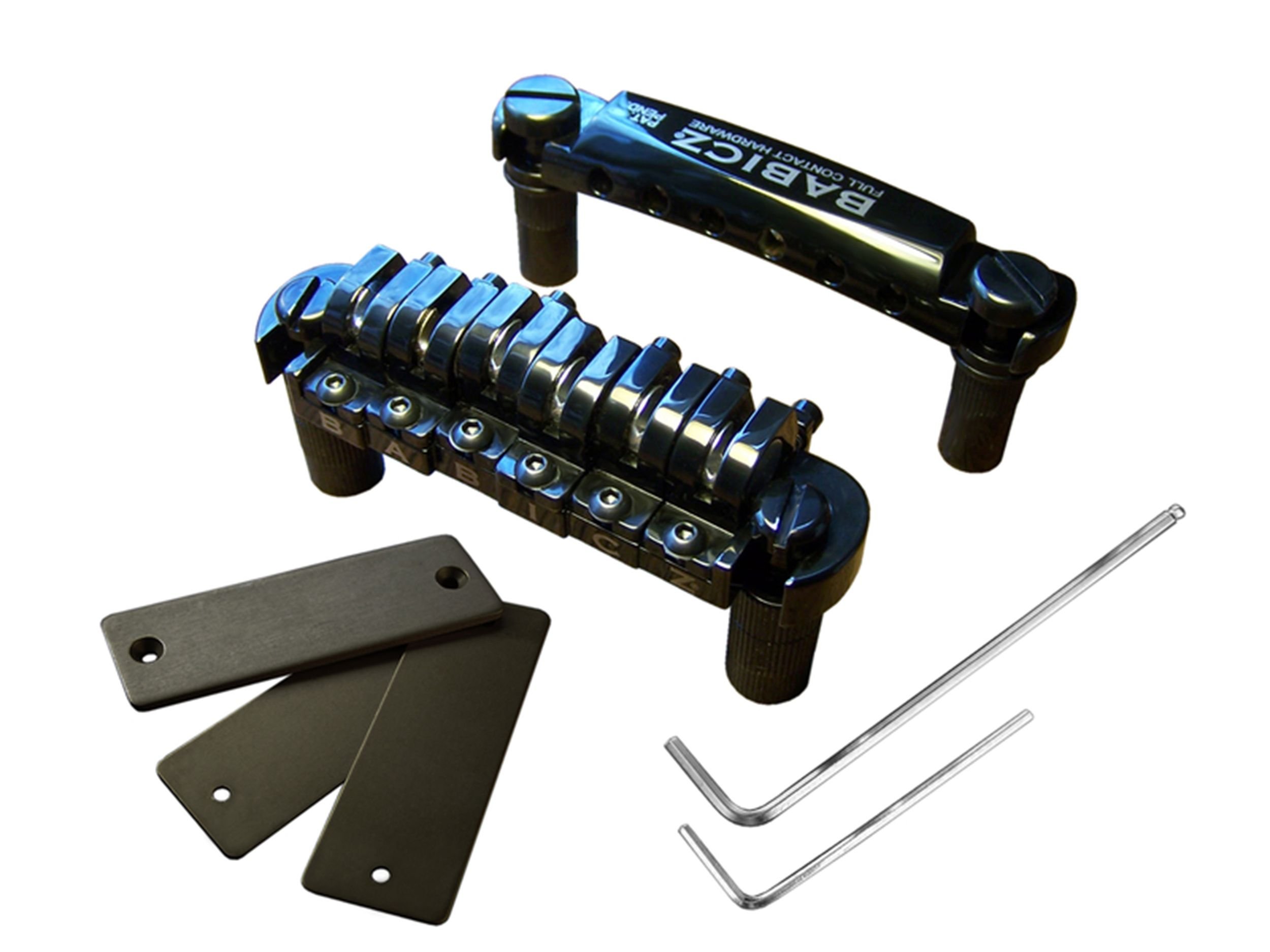
Bridges with thumbwheels or quick-release (e.g., Babicz) let you tweak height/intation on the fly, reducing setup tools for travel.
Portability win: No luthier visits; 20% lighter than fixed.
Example: Pinless designs like Taylor's on basses ease restringing mid-tour.
💡 Tips:
- •Choose models with piezo compatibility for electro-acoustics.
Step 7: Assess and Upgrade Your Bass
Compare your bridge: Weigh it, note material. For upgrades, check body compatibility (glued vs. bolt-on).
Pro install: 1-2 hours at a tech. DIY if experienced.
Results: 10-20% portability gain, sustained tone.
💡 Tips:
- •Search 'bridge replacement [your bass model]' for guides.
⚠️ Warnings:
- •Gluing wrong voids warranty—pro for acoustics.
▸Pro Tips
- •Prioritize bridges under 5 oz for biggest wins.
- •Balance test: Hang bass from neck—ideal center at 12th fret.
- •Use lightweight tuners too for compound savings.
- •Travel cases with backpack straps amplify bridge benefits.
- •Record before/after tones to verify no loss.
- •Humidity packs protect composites in flights.
- •Gig with strap locks—light bridges shift less.
▸Common Mistakes to Avoid
- •Choosing cheapest metal bridge—leads to dead sustain; pick coated alloys.
- •Ignoring intonation after swap—causes muddy lows; recalibrate strings.
- •Overlooking body resonance—light bridge on heavy body wastes gains.
- •DIY gluing without clamps—warps top; use pro.
- •Forgetting piezo fit—electro basses buzz without matching plates.
▸Troubleshooting
Problem: Tone becomes thin after lightweight upgrade
Solution: Add mass with brass saddles or EQ boost at 100Hz; test strings.
Problem: Bridge buzzes on alloys
Solution: Check action height (2.5-3mm E string); tighten screws.
Problem: Hard to install bolt-on
Solution: Route screw holes precisely; seek luthier if slotted wrong.
Problem: No weight savings noticed
Solution: Measure precisely; upgrade tuners/strings next for full effect.
Babicz B1BT Full Contact Power Bridge (ASIN: B0002F7H3O)
Aluminum construction 40% lighter than wood, full-body contact boosts tone while improving balance.
Best for: Upgrade semi-acoustic basses for frequent gigs/travel.
Price Range: $140-$160
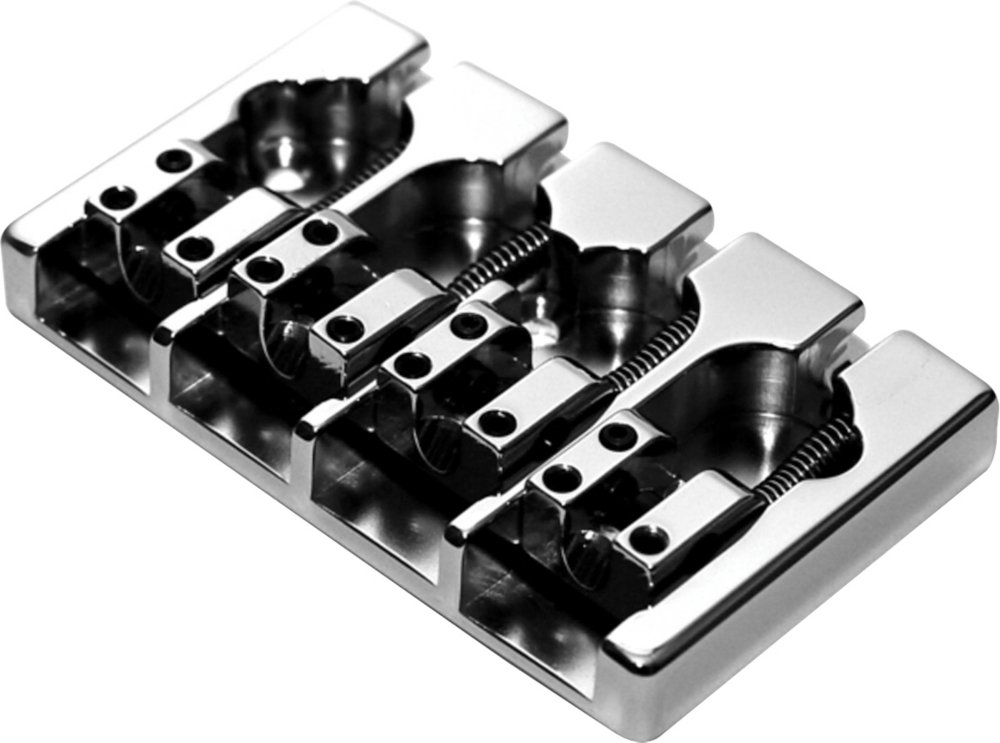
Hipshot KickAss Ultralight Bass Bridge (ASIN: B07D7J7Z5S)
Titanium/aluminum hybrid shaves 6 oz, enhances sustain without muddiness.
Best for: Players needing tool-free adjustments on electro-acoustic basses.
Price Range: $120-$150
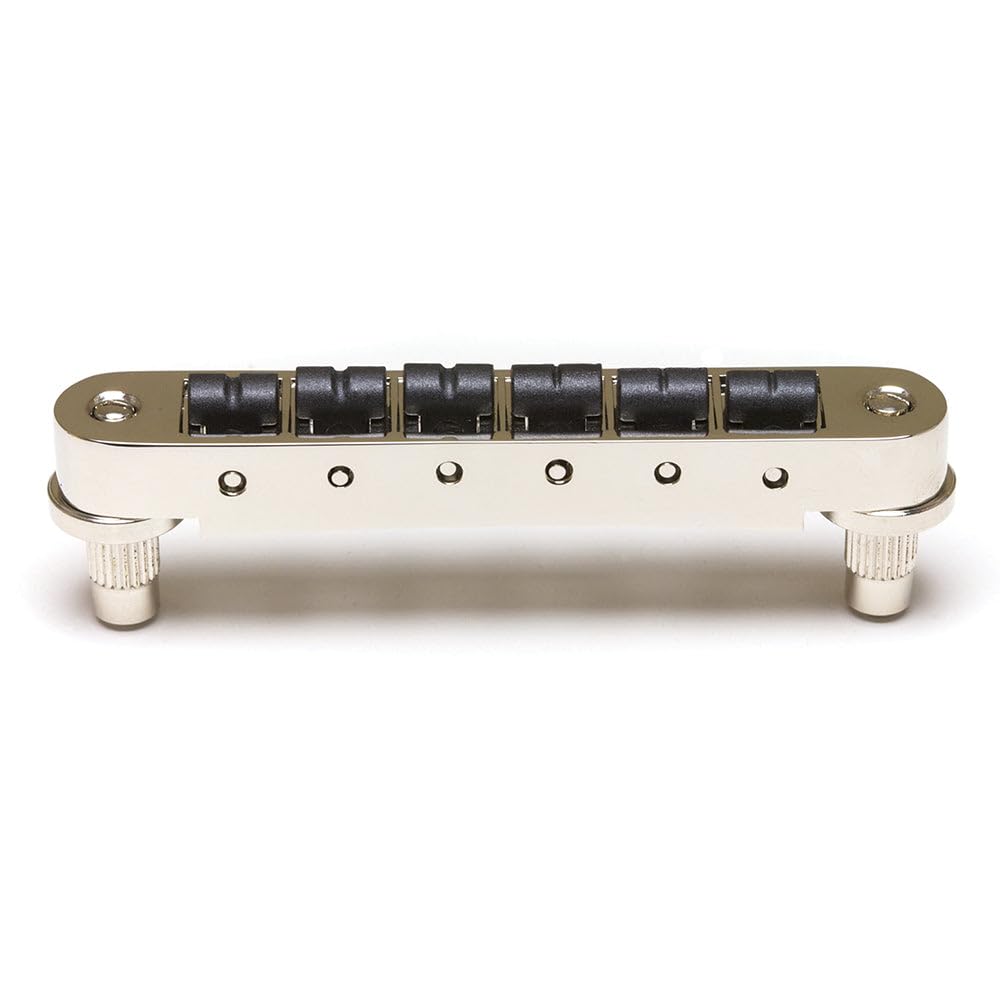
Graph Tech ResoMax XL Bass Bridge (ASIN: B0045K5P0M)
Graphite composite reduces weight by 50%, humidity-resistant for tours.
Best for: Budget portability boost on traditional acoustic basses.
Price Range: $80-$100
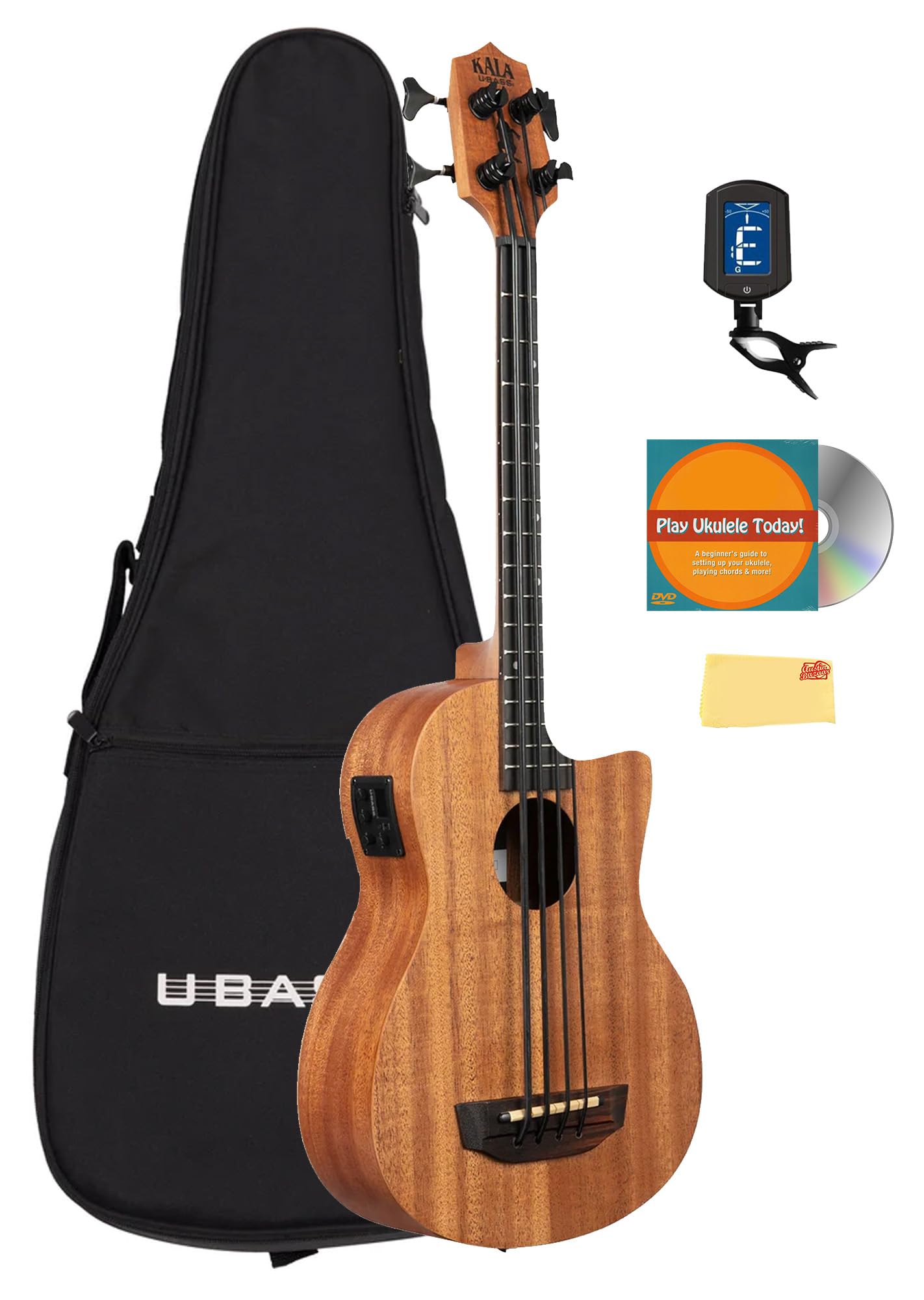
Kala MK-U-Bass (ASIN: B07N1L6Z5N)
Molded composite bridge on ultra-portable u-bass design (under 5 lbs total).
Best for: Full replacement for heavy acoustics when traveling light.
Price Range: $200-$250
Journey Instruments OF-280 Octave Bass (ASIN: B08L5M7N2P)
Carbon fiber reinforced bridge in collapsible frame for max portability.
Best for: Travel musicians wanting foldable acoustic tone.
Price Range: $500-$600