
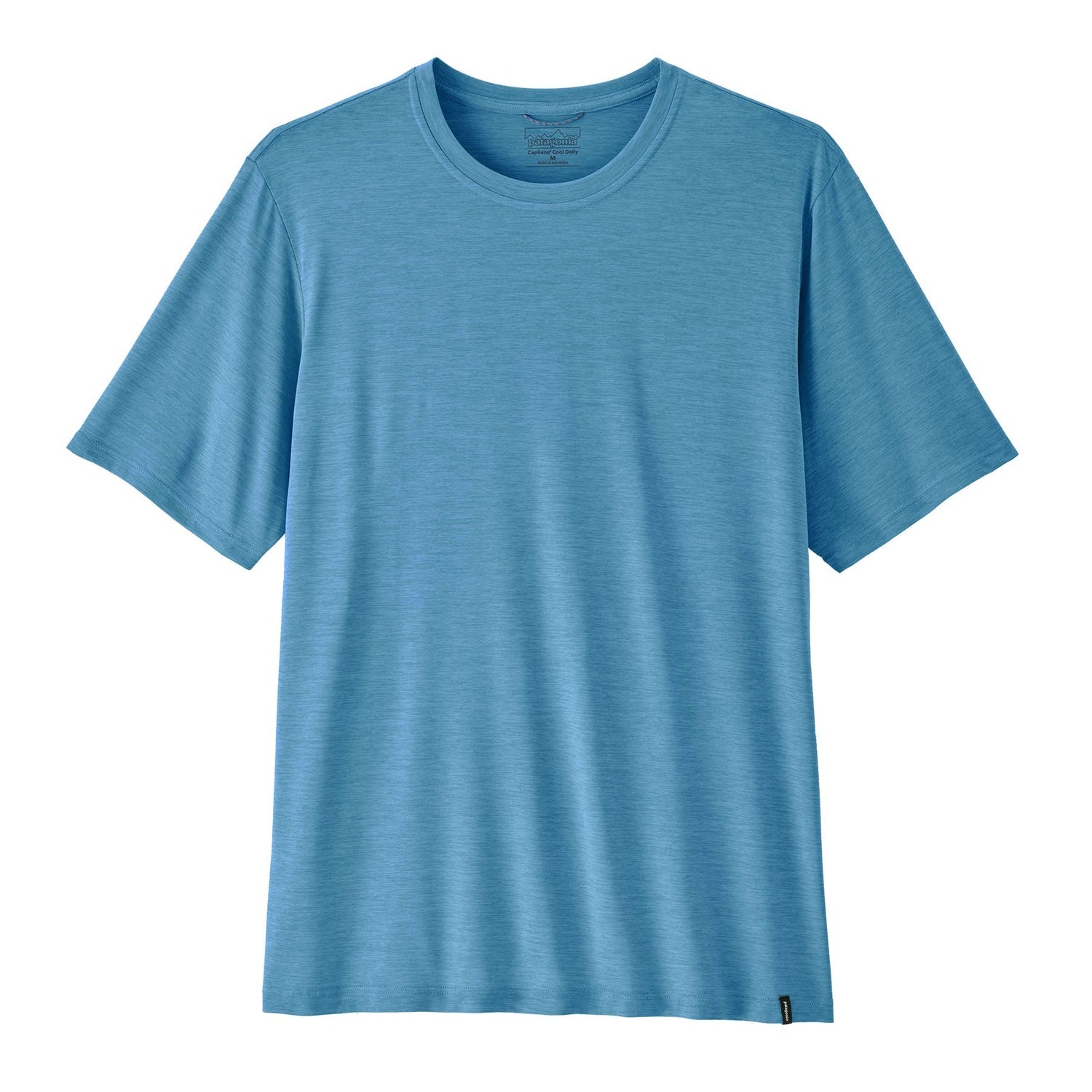
Patagonia Men's Capilene Cool Daily Shirt
High-intensity runs or hikes in warm conditions.
$35-$45
Patagonia Men's Capilene Cool Daily Shirt Rated ~18,000 MVTR with recycled polyester for superior sweat evaporation.
Get the App
Better experience on mobile
Decode breathability ratings to pick sweat-free active base layers that keep you cool and dry during workouts.
Ever peeled off a soggy base layer after a run, feeling clammy and uncomfortable? That's poor breathability at work. Breathability ratings tell you how well a base layer lets sweat vapor escape while blocking wind or chill, crucial for staying comfortable in high-intensity activities.
In this guide, you'll learn what breathability means, how ratings are measured, and how to interpret them like a pro. No jargon overload – we'll use simple analogies and examples. Expect to finish understanding ratings in 10-15 minutes, empowering you to shop smarter for base layers.
Whether you're hiking, cycling, or gymming, mastering these ratings means ditching discomfort for all-day freshness.
Estimated Time: 10-15 minutes Difficulty: beginner
Breathability is your base layer's ability to let moisture vapor (sweat) escape to the air while keeping your skin's warmth in. Think of it like a window screen: air and vapor pass through, but bugs (cold wind) stay out.
For active base layers, this prevents that 'wet T-shirt' feel. Poor breathability traps sweat, leading to chills or chafing. Good breathability = dry, comfy layers.
Why it matters: In cardio like running, you sweat a lot – breathable layers wick and evaporate it fast.
💡 Tips:
Most ratings use MVTR (Moisture Vapor Transmission Rate), measured in grams per square meter per 24 hours (g/m²/24h). It tests how much water vapor passes through fabric under controlled humidity.
Higher MVTR = more breathable. Analogy: Like a sponge's pores – bigger pores let more water evaporate.
Base layers aim for 10,000+ g/m²/24h for high activity; everyday wear might be 5,000.
⚠️ Warnings:
RET (Resistance to Evaporative Transmission) is the inverse: lower RET = better breathability (RET <6 is excellent).
Brands like Gore-Tex use RET (e.g., RET 6-9 for activewear). Why both metrics? MVTR suits synthetics; RET suits membranes.
Expect: Labels might list one or both – cross-reference for accuracy.
💡 Tips:
Ratings break into tiers:
Example: A 20,000 MVTR layer shines in marathons, evaporating sweat 4x faster than low-rated ones.
Check tags or specs:
Proprietary scales? Google '[brand] breathability chart' for translations.
💡 Tips:
⚠️ Warnings:
Ratings aren't everything:
Match to activity: High ratings for sweaty cardio; medium for yoga. Hot climates? Prioritize ultra-high.
Shop smart: Wear-test in-store or check reviews for 'stays dry' mentions. Compare MVTR apples-to-apples.
Pro move: Layer with mid/shell – total system breathability matters.
Now you can confidently pick!
💡 Tips:
Problem: Layer feels clammy despite high rating
Solution: Check fit/layering; too many layers trap vapor. Opt for zoned mesh.
Problem: Ratings vary by brand – hard to compare
Solution: Use MVTR as universal; convert RET (RET 6 ≈ 20,000 MVTR).
Problem: Breathability drops after washes
Solution: Use pH-neutral soap; air dry. Avoid fabric softeners.
Rated ~18,000 MVTR with recycled polyester for superior sweat evaporation.
Best for: High-intensity runs or hikes in warm conditions.
Price Range: $35-$45
Merino wool delivers natural 15,000+ MVTR equivalent, odor-resistant.
Best for: Multi-day treks or variable temps.
Price Range: $80-$100
Lightweight merino with high breathability (corespun for durability).
Best for: Everyday training or layering.
Price Range: $60-$75
Engineered compression with 4-way stretch and high MVTR for compression fit.
Best for: Gym workouts or CrossFit.
Price Range: $25-$35
High-intensity runs or hikes in warm conditions.
Patagonia Men's Capilene Cool Daily Shirt Rated ~18,000 MVTR with recycled polyester for superior sweat evaporation.
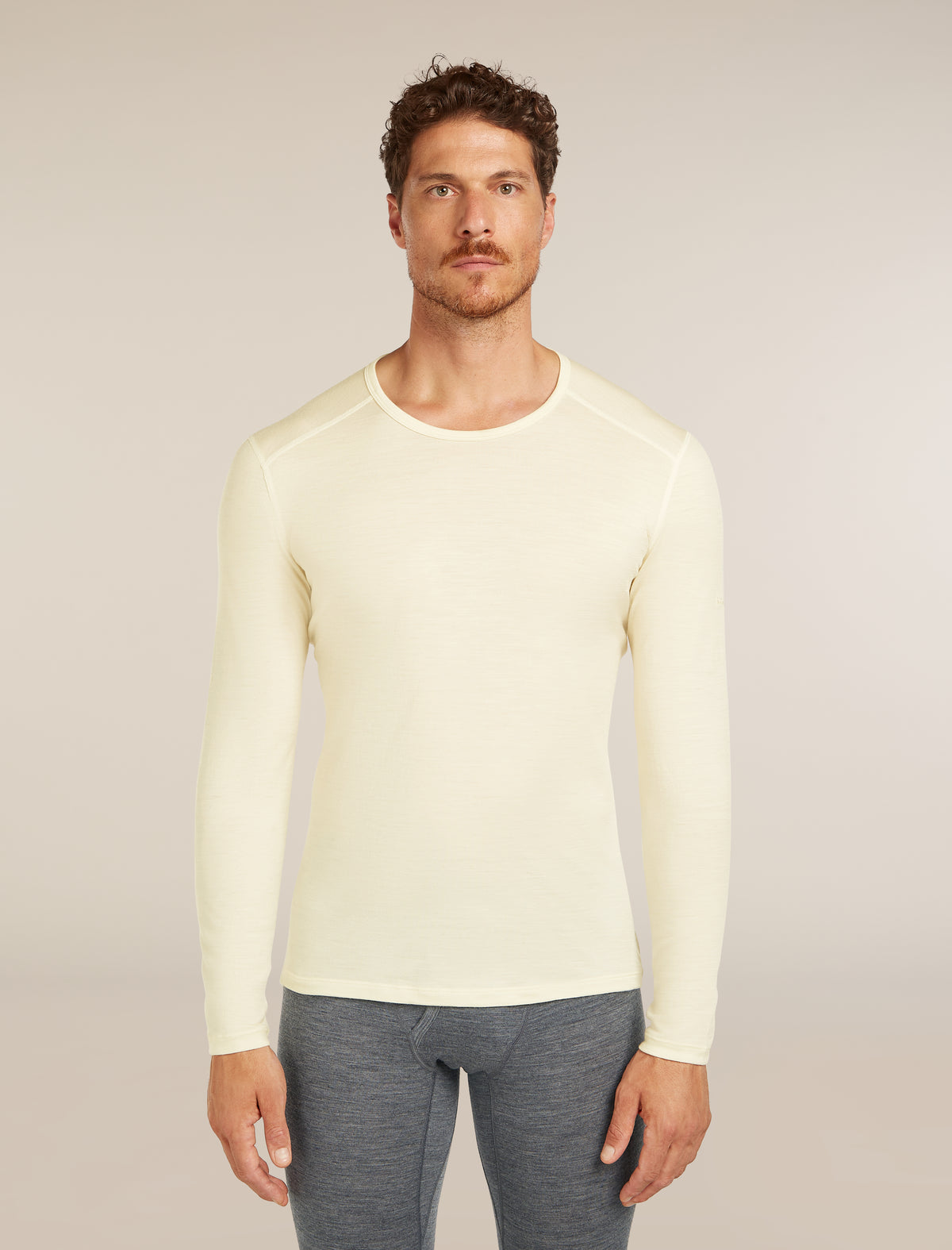
Multi-day treks or variable temps.
Icebreaker Men's 200 Oasis Long Sleeve Merino wool delivers natural 15,000+ MVTR equivalent, odor-resistant.
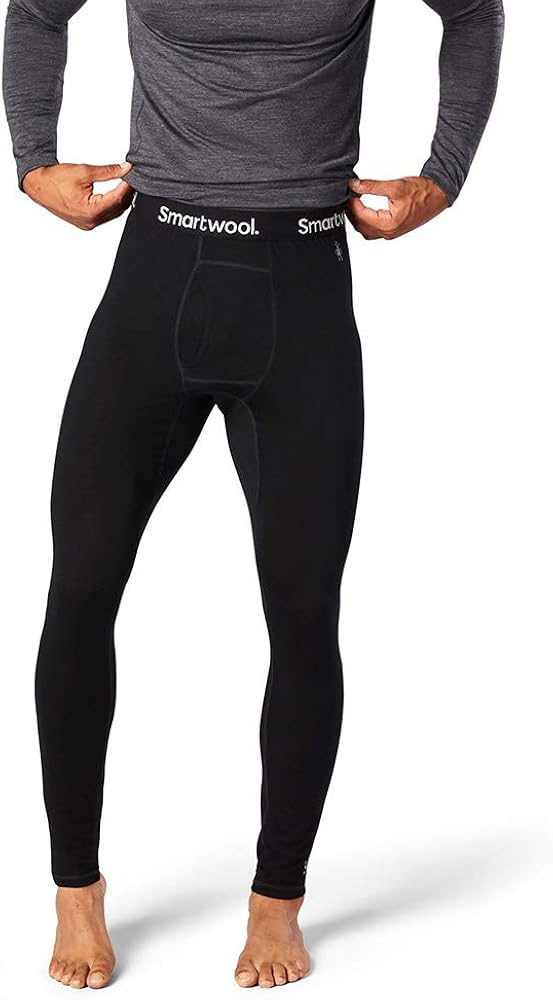
Everyday training or layering.
Smartwool Men's Merino 150 Baselayer Top Lightweight merino with high breathability (corespun for durability).
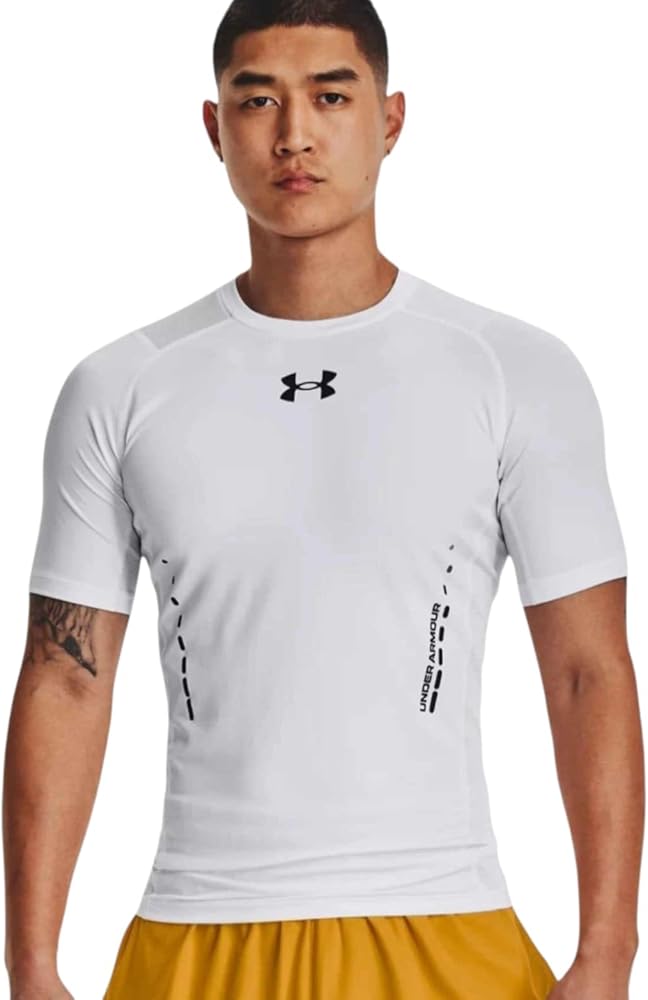
Gym workouts or CrossFit.
Under Armour Men's HeatGear Armour Short Sleeve Engineered compression with 4-way stretch and high MVTR for compression fit.