Surviving trauma often leaves emotional wounds that make everyday interactions feel overwhelming, triggering anxiety, resentment, or burnout. Without clear boundaries, you risk re-traumatization from toxic relationships or overextending yourself. This guide empowers you to identify and implement protective boundaries that safeguard your mental and emotional health.
You'll discover the core types of boundaries, why they matter after trauma, and actionable steps to set and maintain them. Expect a mix of explanations, real-life examples, and reflection exercises—no prior therapy experience needed, just honesty with yourself.
This explainer takes 20-30 minutes to read, plus optional journaling time (10-15 minutes daily for best results). It's intermediate-level, assuming basic self-awareness from prior self-help exploration.
▸What You'll Need
- •Quiet, private space for reflection
- •Notebook or journal for noting personal limits (required)
- •Pen for writing exercises
- •Access to a supportive friend or therapist (optional but recommended)
- •Prerequisite: Basic understanding of your trauma triggers (review personal history)
Estimated Time: 20-30 minutes to read + 10-15 minutes daily reflection
Difficulty: intermediate
▸Step-by-Step Instructions
Step 1: Understand Why Boundaries Matter Post-Trauma
Boundaries are invisible lines that define what is acceptable in your interactions, protecting your energy and peace. After trauma, your nervous system is often hypervigilant, making you prone to absorbing others' emotions or tolerating abuse. Healthy boundaries restore a sense of control and safety.
Example: If childhood abuse taught you to prioritize others, you might say 'yes' to draining favors, leading to resentment. Boundaries say, 'My needs matter too.'
Expect initial discomfort—it's normal as your brain rewires from survival mode.
💡 Tips:
- •Visualize boundaries as a protective bubble around you.
⚠️ Warnings:
- •Don't confuse boundaries with walls; they allow healthy connection.
Step 2: Identify Your Emotional Triggers and Limits
List situations, people, or topics that drain you or spark trauma responses like anxiety or shutdown. Reflect: What conversations leave you exhausted? Who violates your space?
Analogy: Triggers are like tripwires; knowing them lets you disarm before explosion.
Journal prompt: Write 3-5 limits (e.g., 'No unsolicited advice on my past'). This self-awareness is foundational—skip it, and boundaries feel arbitrary.
💡 Tips:
- •Rate triggers on a 1-10 scale for quick reference.
Step 3: Establish Physical Boundaries
Protect your body and space: Decide on touch, proximity, or home access. Post-trauma, unwanted physical contact can trigger fight-or-flight.
Example: 'I need 3 feet of space during talks' or 'No visitors after 8 PM.'
Why it matters: Reclaims autonomy lost in trauma. Expect pushback from boundary-blind people.
💡 Tips:
- •Use signs or door chains as physical reminders.
⚠️ Warnings:
- •Avoid isolation; invite safe people with clear invites.
Step 4: Set Emotional Boundaries
Guard your feelings: Limit sharing vulnerabilities or absorbing others' drama. Say, 'I can't discuss that right now' to prevent emotional dumping.
Analogy: Like a dam holding back floodwaters of others' emotions.
This prevents empathy overload common in trauma survivors.
💡 Tips:
- •Practice 'gray rocking'—neutral responses to manipulators.
Step 5: Define Time and Energy Boundaries
Allocate your time wisely: 'I check messages once daily' or 'No work after 7 PM.' Trauma fatigues you faster, so protect recovery time.
Example: Block calendar for self-care. Results: Reduced burnout, more healing.
⚠️ Warnings:
- •Guilt is common; remind yourself it's self-preservation.
Step 6: Communicate Boundaries Clearly
Use 'I' statements: 'I need space to process; let's talk tomorrow.' Be firm, kind, consistent.
Practice scripts aloud. Why? Vague boundaries invite violation.
💡 Tips:
- •Role-play with a mirror or trusted friend.
Step 7: Enforce and Adjust Boundaries
Follow through: Walk away if crossed. Review weekly—what worked?
Analogy: Like pruning a plant for growth.
Long-term: Builds resilience.
⚠️ Warnings:
- •Expect testing; consistency wins.
▸Pro Tips
- •Start small: Test one boundary per week to build confidence.
- •Use affirmations like 'My boundaries honor my healing' daily.
- •Track wins in a journal to reinforce progress.
- •Pair boundaries with self-care rituals, like tea after tough talks.
- •Seek accountability from a support group.
- •Breathe deeply before enforcing to stay calm.
- •Revisit boundaries quarterly as healing evolves.
▸Common Mistakes to Avoid
- •Over-explaining boundaries, inviting debate—keep it brief.
- •Setting boundaries then ignoring violations, eroding self-trust.
- •Rigid boundaries that block all intimacy—aim for flexible with safe people.
- •Forgetting self-boundaries, like overworking—treat yourself kindly.
- •Assuming others read minds—always verbalize.
▸Troubleshooting
Problem: Feel guilty or selfish when setting boundaries
Solution: Reframe: Boundaries protect your gift of presence for others. Journal guilt roots; therapy helps unpack.
Problem: Others get angry or withdraw
Solution: Their reaction is theirs—restated boundary if needed. Lean on support network.
Problem: Overwhelmed or re-traumatized
Solution: Pause, ground with 5-4-3-2-1 senses exercise. Seek therapist immediately.
Problem: Struggling to identify limits
Solution: Use guided workbook prompts. Start with body cues (tension = limit).
Set Boundaries, Find Peace by Nedra Glover Tawwab
Practical guide with scripts and exercises tailored for emotional protection post-trauma.
Best for: Daily reading and boundary-setting worksheets during recovery.
Price Range: $14.99
The Complex PTSD Workbook by Arielle Schwartz
Step-by-step exercises to identify triggers and build boundaries safely.
Best for: Structured reflection for intermediate trauma survivors.
Price Range: $18.41
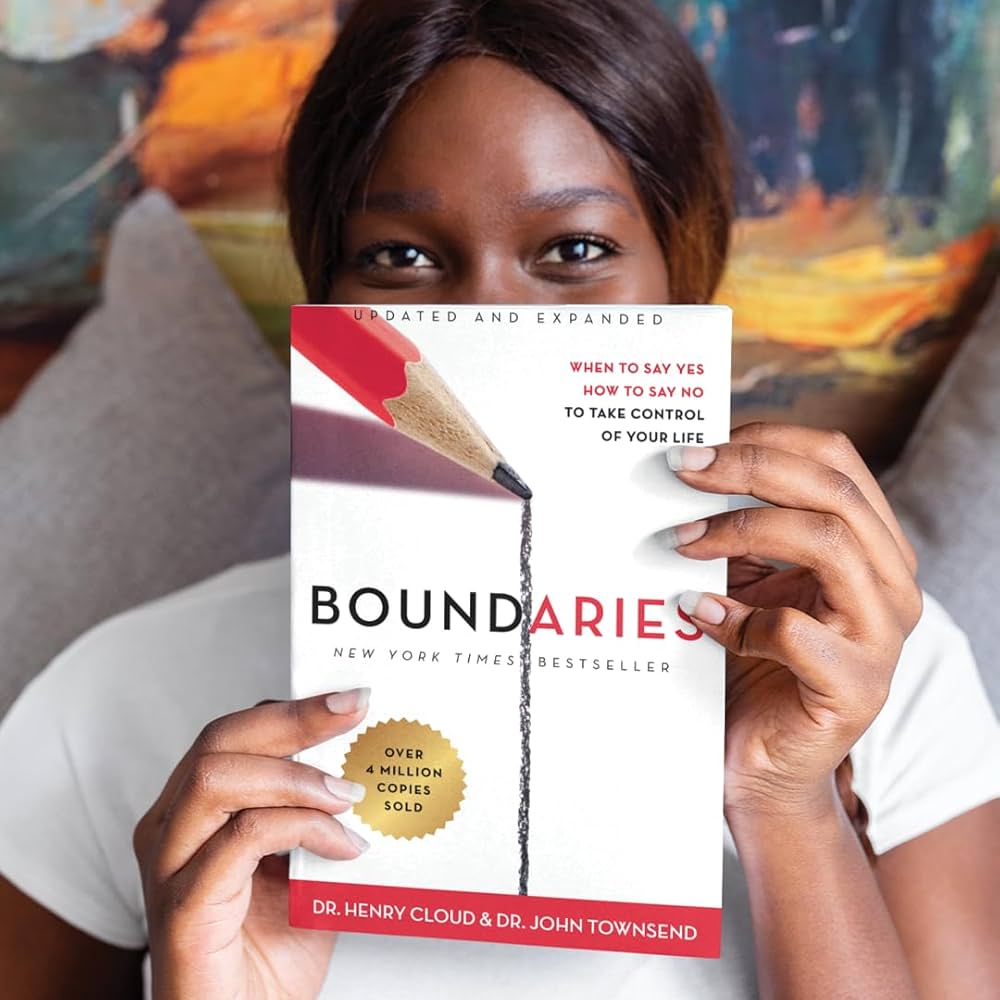
Boundaries Updated and Expanded by Henry Cloud & John Townsend
Biblical and psychological insights on all boundary types with real examples.
Best for: Long-term reference for enforcing limits in relationships.
Price Range: $15.99
The Body Keeps the Score by Bessel van der Kolk
Explains trauma's body impact, showing why boundaries regulate nervous system.
Best for: Foundational reading before boundary work.
Price Range: $18.00