In the resurgence of vinyl records, collectors and casual enthusiasts alike are digging through attics and basements, wondering if their old albums are worth more than nostalgia. With the vinyl market booming—sales hit over $1 billion in 2023—vintage records from the 1950s to 1980s can fetch anywhere from a few bucks to thousands, depending on rarity and condition. But without the right knowledge, you might undervalue or overprice your finds, missing out on potential profits or getting scammed.
This guide will teach you how to determine the worth of your vintage vinyl records today. You'll learn key factors like condition, rarity, and market trends, with practical steps to research values. No prior expertise needed beyond basic familiarity with records, but as an intermediate-level explainer, it assumes you can use online tools comfortably. Expect to spend 30-60 minutes per record for thorough appraisal.
By the end, you'll confidently assess your collection's value and know when to hold, sell, or restore pieces for maximum return.
▸What You'll Need
- •Access to the internet and a computer or smartphone
- •Your vinyl records for inspection
- •A magnifying glass or loupe for checking labels and grooves (optional but recommended)
- •Apps or websites like Discogs, eBay, or Popsike for price research (free basic access)
- •Prerequisite knowledge: Basic understanding of vinyl formats (e.g., 12-inch LP vs. 7-inch single)
Estimated Time: 30-60 minutes per record, or 2-3 hours for a small collection
Difficulty: intermediate
▸Step-by-Step Instructions
Step 1: Define What Makes a Record 'Vintage'
Start by identifying if your record qualifies as vintage. Vintage vinyl typically refers to records pressed before 1990, often from the rock 'n' roll era (1950s-1970s) or earlier jazz/blues pressings. Not all old records are valuable—mass-produced 1980s pop albums might only be worth $1-5, while first-press Beatles or Miles Davis originals can exceed $1,000.
Why it matters: Age alone doesn't determine value; it's about historical significance and scarcity. Expect to sort your collection into eras—use the copyright date on the label (inner ring of the record) as a quick check.
For example, a 1960s mono pressing of The Beatles' 'Sgt. Pepper's' is vintage and potentially valuable due to its cultural impact.
💡 Tips:
- •Look for original artwork and gatefold sleeves as clues to era authenticity.
- •Group records by genre (e.g., rock, jazz) for easier later research.
⚠️ Warnings:
- •Don't assume 'old' means rare—many 1970s disco records are common and low-value.
Step 2: Assess the Record's Condition Using Goldmine Grading
Condition is king in vinyl valuation—buyers pay premiums for near-mint items. Use the industry-standard Goldmine grading scale: Mint (sealed, unplayed), Near Mint (like new), Very Good Plus (minor wear, plays perfectly), down to Poor (scratched, skips).
Inspect visually and by play-testing if possible. Check the vinyl for scratches, warps, or ring wear; the sleeve for splits or writing; and the label for tears. Why it matters: A Near Mint record can be worth 10x a Very Good one. Expect honest self-assessment—overgrading leads to disappointment.
Analogy: Think of it like grading a car's condition; a mint classic fetches auction prices, while a beat-up one goes for scrap.
💡 Tips:
- •Play a sample on a turntable to check for skips—surface noise is okay, but deep grooves aren't.
- •Use a bright light to spot hairline scratches invisible in dim rooms.
⚠️ Warnings:
- •Avoid cleaning before grading; improper methods can worsen condition.
- •Don't ignore inner sleeve condition—musty or stained ones reduce value by 20-30%.
Step 3: Identify Rarity and Pressing Details
Rarity drives value—look for first pressings, limited editions, or promo copies. Check the dead wax (runout groove at the record's edge) for matrix numbers, which indicate pressing plant and edition. Country of origin matters too; UK or Japanese pressings often outvalue US ones due to superior quality.
Why it matters: A 1965 first-pressing of Bob Dylan's 'Highway 61 Revisited' might be $200+, while a later reissue is $20. Expect to decode labels—'stereo' vs. 'mono' can double value for certain eras.
Example: If it says 'Sample Copy' or has a white label, it's a promo, boosting rarity.
💡 Tips:
- •Photograph the dead wax and search it online for exact matches.
- •Focus on artists like The Beatles, Pink Floyd, or jazz legends for high-rarity potential.
⚠️ Warnings:
- •Counterfeits exist—verify with trusted sources, not just looks.
- •Regional variants (e.g., Canadian pressings) can be rarer but harder to spot.
Step 4: Research Current Market Value Online
Now, cross-reference your details with real sales data. Use Discogs for sold listings, eBay's 'completed items' filter, or Popsike for auction history. Enter the exact title, artist, pressing details, and condition to get comps (comparable sales).
Why it matters: Values fluctuate—e.g., a pristine 1977 David Bowie 'Heroes' sold for $150 in 2023 but might hit $200 in 2024 due to trends. Expect a range: low ($50), average ($100), high ($200+ for mint).
Analogy: It's like checking Zillow for home values; recent sales give the truest picture, not asking prices.
💡 Tips:
- •Filter by 'sold' only—avoid wishful 'buy it now' listings.
- •Check multiple sites; Discogs is best for collectors, eBay for broader market.
⚠️ Warnings:
- •Seasonal trends affect prices—summer festivals boost rock values.
- •Ignore outliers like celebrity sales unless your record matches exactly.
Step 5: Factor in External Influences on Value
Beyond basics, consider provenance (e.g., signed or from a famous estate), cultural trends, and economic factors. A record tied to a documentary or anniversary reissue can spike 50%. Also, genre demand: prog rock and punk are hot, while easy listening lags.
Why it matters: In 2024, AI-generated art debates are elevating 1960s psych records. Expect values to vary by 20-50% based on these.
Example: A signed Miles Davis 'Kind of Blue' could jump from $300 to $3,000 with authentication.
💡 Tips:
- •Join forums like Vinyl Collective for trend insights.
- •Track artist news—remasters or tours inflate originals.
⚠️ Warnings:
- •Don't chase hype; bubbles burst, like the 2010s prog revival.
- •Authentication for signatures requires experts—DIY can devalue fakes.
Step 6: Appraise and Document Your Collection
Compile findings into a spreadsheet: record title, condition, rarity notes, and value range. Total your collection's worth for insurance or sale planning.
Why it matters: Documentation protects against loss and aids professional appraisals if needed. Expect a final tally that surprises—many find $500-5,000 in hidden value.
For sales, list on Discogs or eBay with detailed photos and grades.
💡 Tips:
- •Use apps like Collectorz for automated cataloging.
- •Insure high-value items separately—standard homeowner policies cap at $1,000.
⚠️ Warnings:
- •Over-documenting can lead to analysis paralysis; start with top 10 pieces.
- •Taxes apply to sales over $600—track for IRS if selling big.
▸Pro Tips
- •Always photograph front, back, labels, and grooves before selling—buyers trust visuals.
- •Build a reference library of price guides for offline checks during flea markets.
- •Network at record stores; owners often share insider valuation tips for free.
- •Clean gently with distilled water and a microfiber cloth to improve condition without damage.
- •Monitor monthly on Popsike to spot rising stars in your genres.
- •Bundle common records into lots for faster sales and better overall value.
- •Use a 45 RPM adapter if testing singles—ensures accurate play assessment.
▸Common Mistakes to Avoid
- •Overlooking pressing variants: Many assume all copies are equal, missing 2-5x value in first editions—cross-check matrix numbers always.
- •Ignoring sleeve condition: Vinyl is 70% of value, but sleeves add 30%; torn ones halve prices—store flat to prevent.
- •Relying on sticker prices: Store labels inflate values; use sold comps to avoid disappointment.
- •Skipping authentication for rarities: Fakes flood markets like early punk—consult experts for items over $500.
- •Selling too quickly: Market peaks during holidays; wait 1-2 months for trends to confirm value.
▸Troubleshooting
Problem: Value seems inconsistent across sites
Solution: Double-check filters for condition and location; use median of 5+ recent sales. If still off, it might be a regional variant—search by matrix number.
Problem: Record won't play for testing
Solution: Clean grooves with a brush; if warped, value drops 50%—professional flattening costs $20-50. Seek a local shop for assessment.
Problem: Suspect counterfeit or bootleg
Solution: Compare dead wax to official databases on Discogs. For high stakes, hire an appraiser via the Record Collector Association—$50-100 fee.
Problem: No sales data for obscure records
Solution: Post photos on Reddit's r/vinyl or Steve Hoffman forums for community input. Default to $5-20 base if truly rare but unproven.
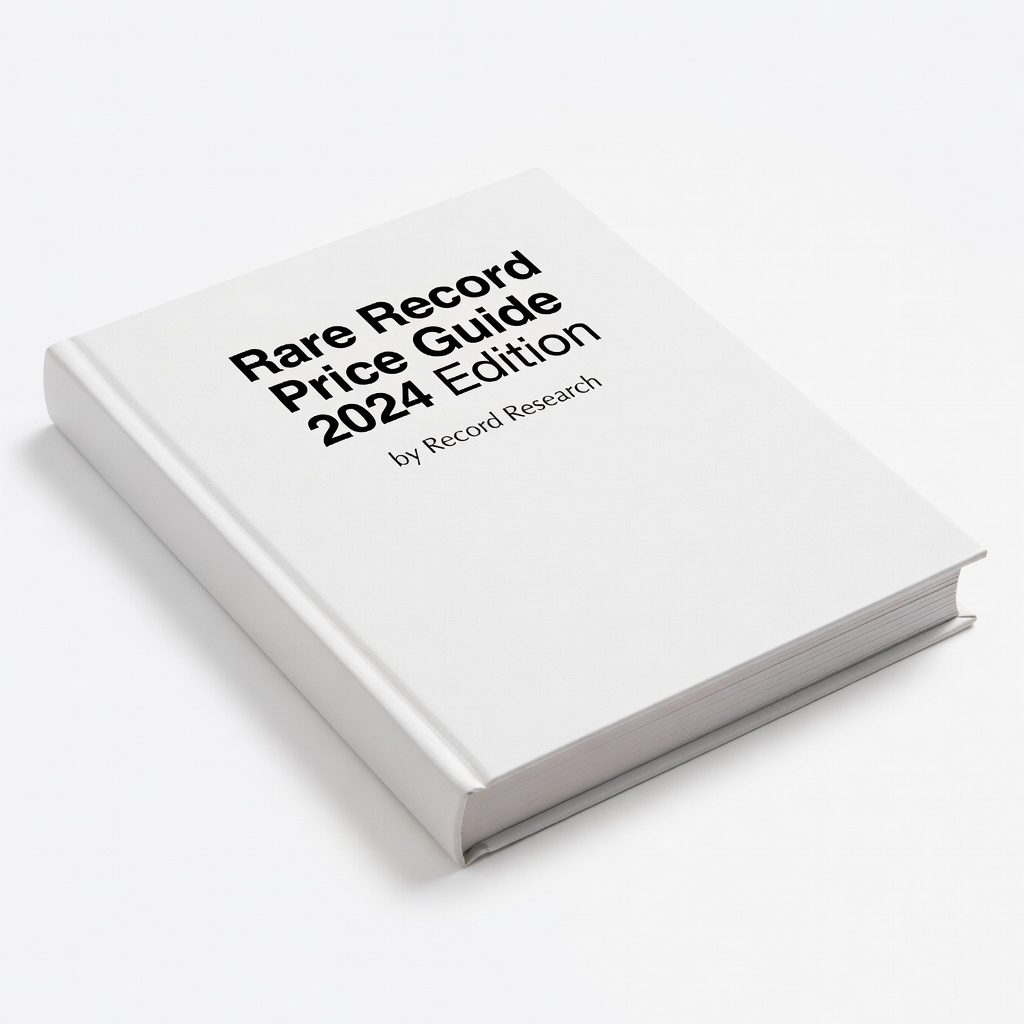
Rare Record Price Guide 2024 Edition by Record Research
This comprehensive book lists values for over 400,000 records, providing offline reference for quick appraisals without internet reliance.
Best for: Ideal for collectors researching multiple items at once or at shows; cross-reference with online data for accuracy.
Price Range: $40-50
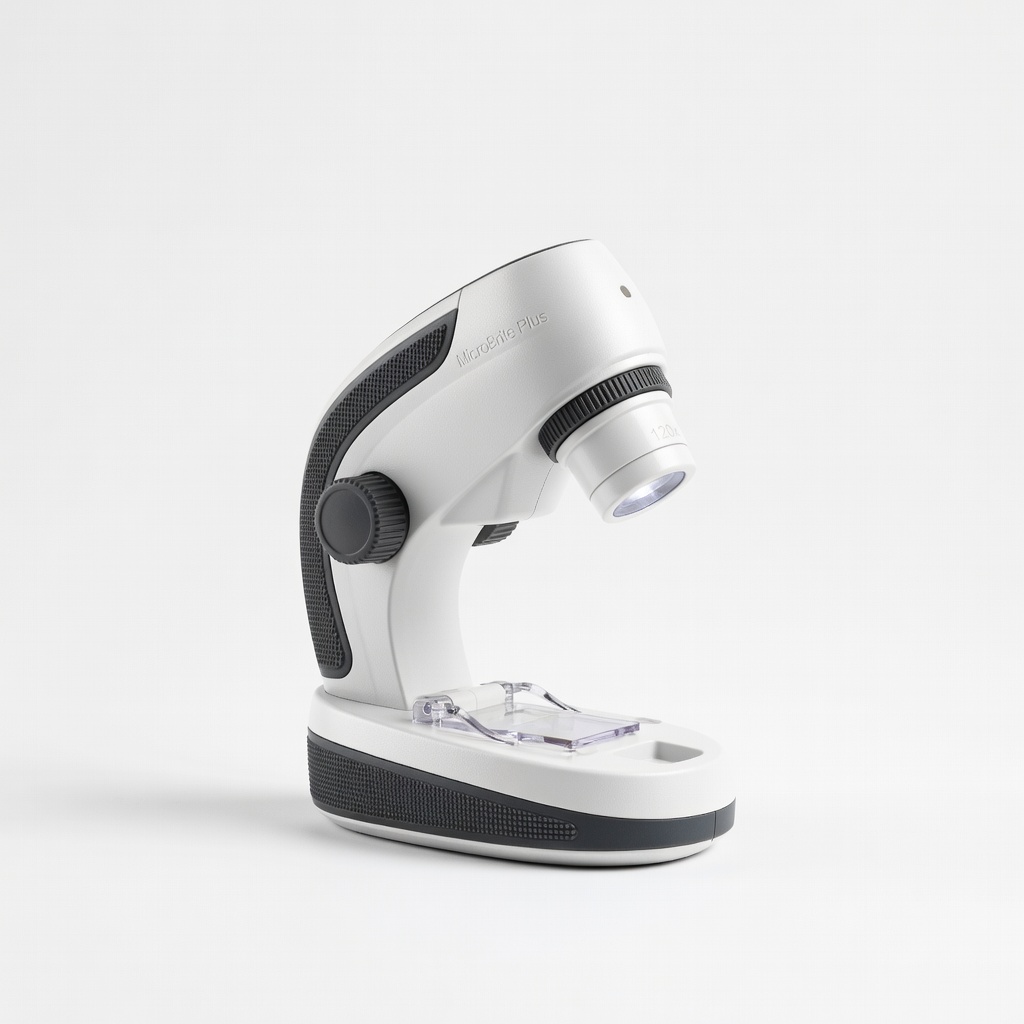
Carson MicroBrite Plus 120x LED Pocket Microscope
Magnifies labels and grooves up to 120x to spot pressing details and condition flaws invisible to the naked eye.
Best for: Use during inspection for precise grading; essential for dead wax reading on worn records.
Price Range: $15-20
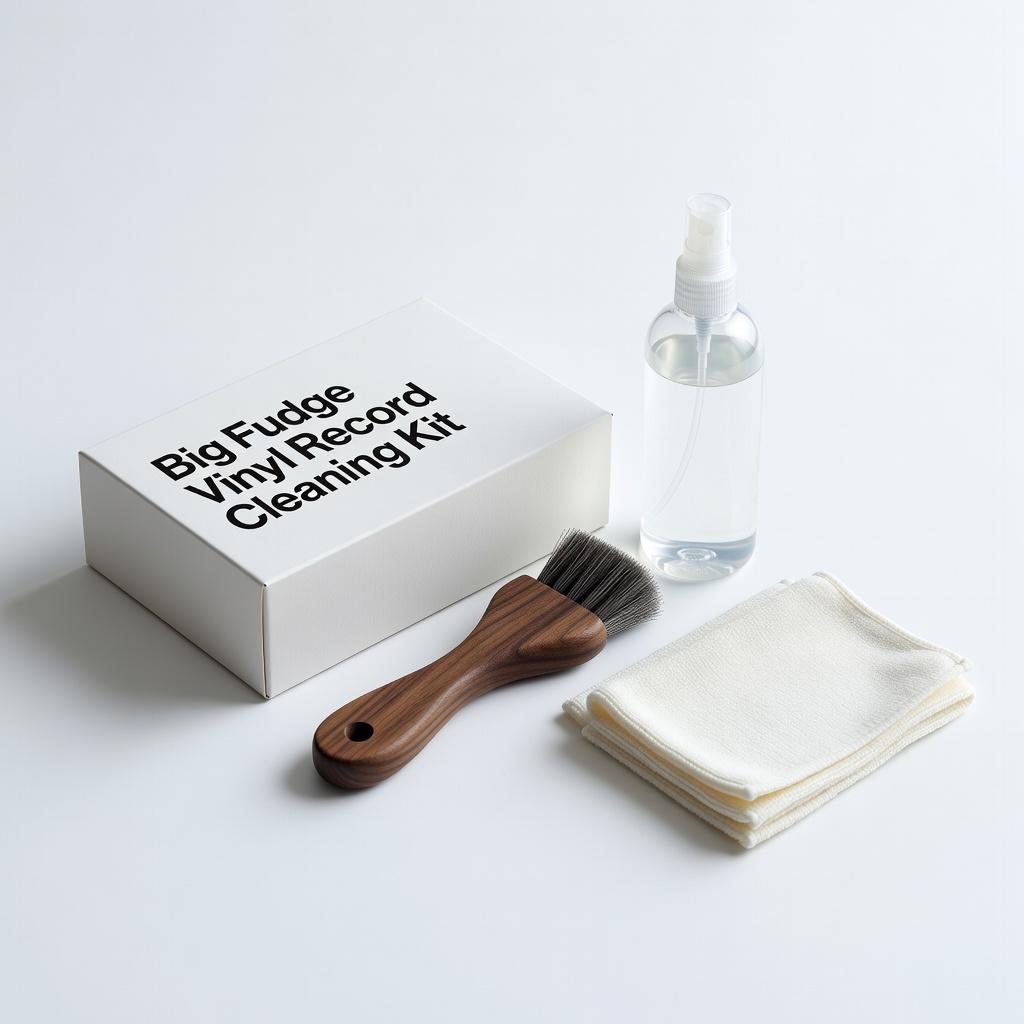
Big Fudge Vinyl Record Cleaning Kit
Includes stylus brush, cloth, and solution to safely clean records, potentially upgrading condition from VG to NM+ and boosting value by 20-50%.
Best for: Before selling or storing; apply after initial grading to maximize worth without risking damage.
Price Range: $25-30
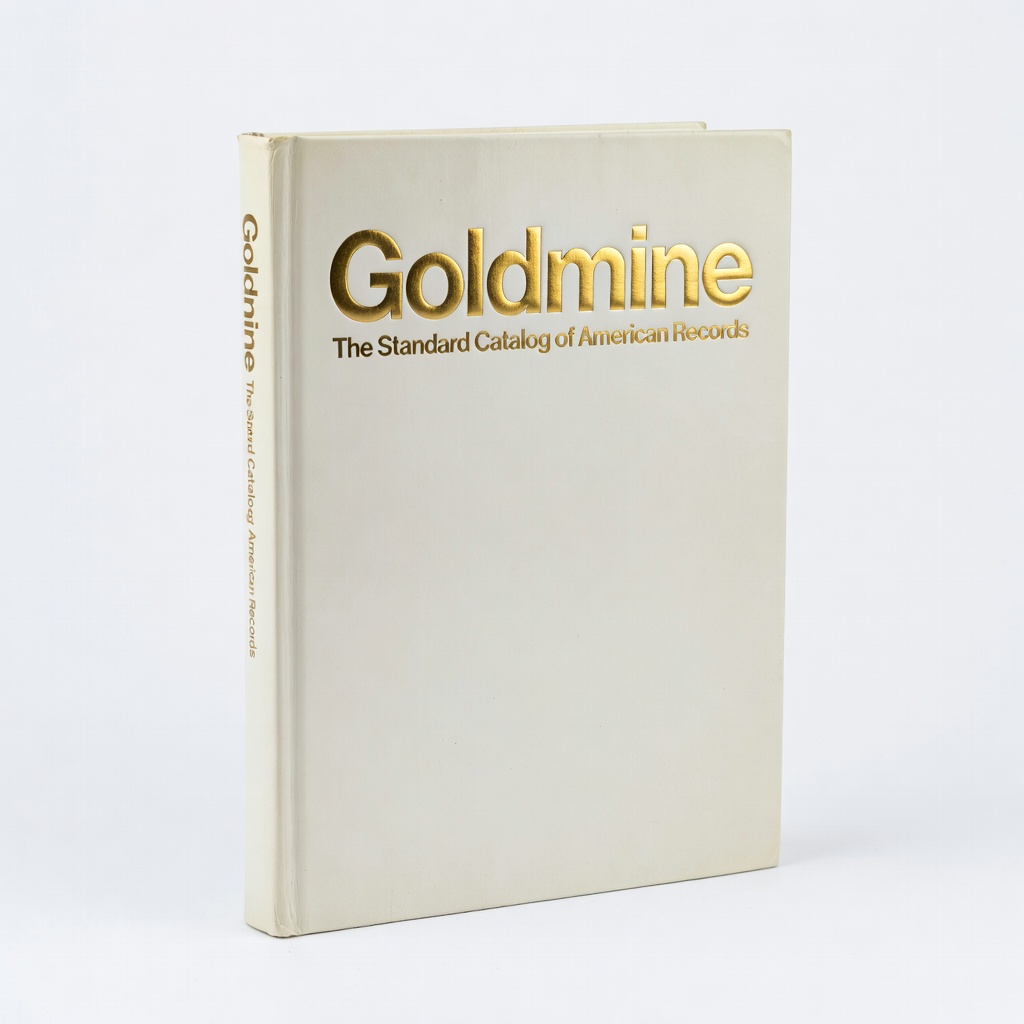
Goldmine The Standard Catalog of American Records
Detailed pricing for 78s, 45s, and LPs from 1890-1990, with rarity ratings—trusted by pros for US-focused collections.
Best for: For American vintage rock/jazz; use alongside apps for global comps.
Price Range: $50-60
Discogs Premium Subscription (Digital)
Unlocks advanced search, wantlists, and unlimited sales data—saves hours on research for serious appraisers.
Best for: Ongoing collection management; monthly fee but pays off for values over $1,000.
Price Range: $15/month