Many homes, apartments, and offices have rooms with limited natural light, like north-facing windows or windowless corners, making it tough to keep plants alive. But low-light indoor plants change that—they're resilient species that don't need direct sun to flourish, helping you create a lush, green oasis even in shady spots. This guide breaks down the types, so you can pick the right ones for your space.
In this explainer, you'll discover the main categories of low-light plants, real-world examples, and simple care tips to get started. Whether you're a total beginner or just want low-maintenance options, we'll cover everything from hardy foliage plants to subtle bloomers. No prior plant knowledge is needed; you'll walk away ready to shop and style your indoor jungle.
Expect a straightforward read that takes about 10-15 minutes, with actionable advice to avoid common pitfalls. By the end, you'll know exactly which plants suit your low-light conditions and how to keep them happy.
▸What You'll Need
- •Basic knowledge of your home's lighting (e.g., indirect light vs. shade)
- •Access to a measuring tool for space (optional, for pot sizing)
- •Curiosity about plant care—no tools or prior experience required
Estimated Time: 10-15 minutes to read and understand
Difficulty: beginner
▸Step-by-Step Instructions
Step 1: Understand What 'Low Light' Means for Plants
Low light refers to environments with minimal direct sunlight, typically less than 2-3 hours of indirect light per day. Think of it like a shady forest floor where plants evolved under a canopy of trees—bright sun can actually scorch them, but dim conditions are ideal. For indoor settings, this includes rooms with north-facing windows, fluorescent office lights, or areas far from any window.
Why does this matter? Not all plants are built the same; tropical understory plants like those we'll discuss are pros at photosynthesis in low light, using their leaves efficiently without needing intense rays. Expect these plants to grow slower than sun-lovers but stay healthy with the right setup.
To assess your space, observe it for a day: if it feels dim to you, it's low light for plants. This step sets the foundation for choosing the right types.
💡 Tips:
- •Use a phone app like 'Light Meter' to measure lux levels—aim for 50-250 lux for true low light.
⚠️ Warnings:
- •Don't confuse low light with 'no light'; even these plants need some ambient brightness to avoid leggy growth.
Step 2: Explore Foliage Plants: The Hardy Staples
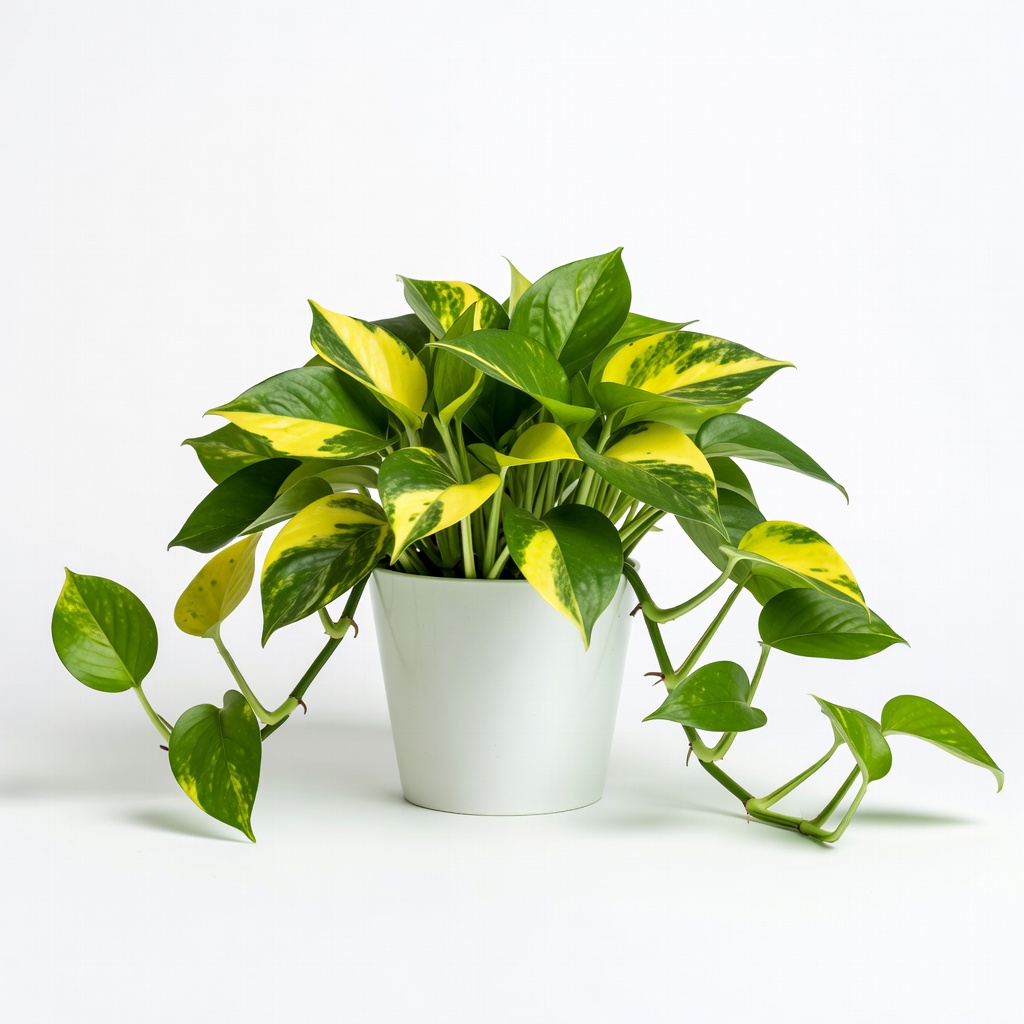
Foliage plants are the backbone of low-light indoor gardening, prized for their lush leaves rather than flowers. These are often vining or upright varieties that purify air and add texture. A top example is the Pothos (Epipremnum aureum), with heart-shaped leaves in green or variegated patterns—it's like the 'unkillable' plant for beginners, forgiving of neglect.
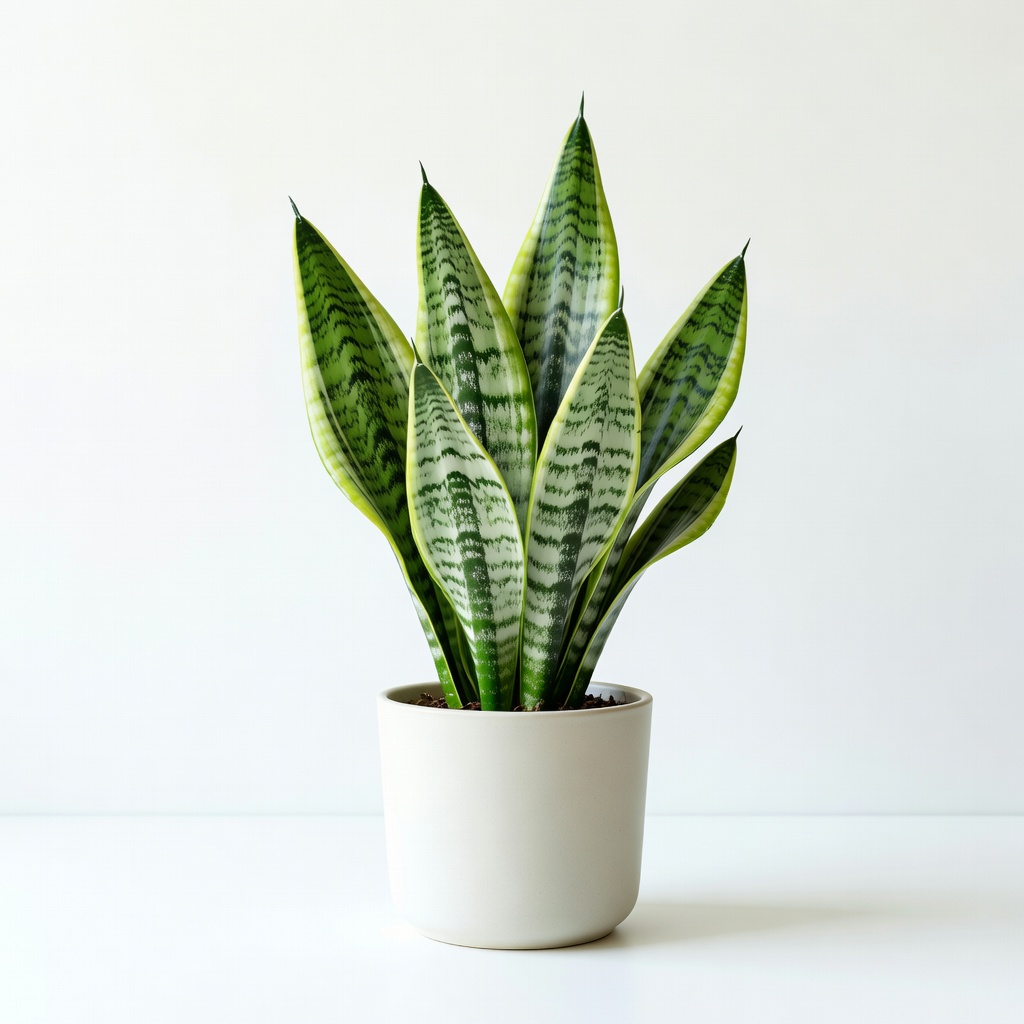
Another star is the Snake Plant (Sansevieria trifasciata), also called Mother-in-Law's Tongue, with long, sword-like leaves that store water, making it drought-tolerant. These plants thrive in 1-2 hours of indirect light and help remove toxins like benzene from the air, per NASA studies. Expect steady growth without much fuss; they're perfect for shelves or floors.
Foliage types are low-maintenance and versatile, growing in hanging baskets or pots to fill empty corners.
💡 Tips:
- •Propagate pothos by clipping stems in water—free new plants in weeks!
⚠️ Warnings:
- •Avoid over-fertilizing; these plants prefer lean soil to prevent root burn.
Step 3: Discover Ferns: The Lush, Feathery Options
Ferns bring a woodland vibe to low-light spaces, mimicking their natural habitat under tree cover. They're not true 'plants' in the flowering sense but spore-producers with delicate fronds that add softness. The Boston Fern (Nephrolepis exaltata) is a classic, with arching green fronds that love humidity and shade—ideal for bathrooms or kitchens.
Why choose ferns? They humidify the air naturally, which is great for dry indoor environments, and grow bushy without needing much space horizontally. In low light (under 100 lux), they stay vibrant but may need misting to prevent browning tips. Expect a tropical feel; pair them with pebbles for drainage.
Ferns teach patience—they're slower growers but reward with dense foliage over time.
💡 Tips:
- •Group ferns with a humidifier for best results in arid homes.
⚠️ Warnings:
- •Overwatering leads to root rot; let soil dry slightly between drinks.
Step 4: Learn About Flowering Plants: Subtle Bloomers
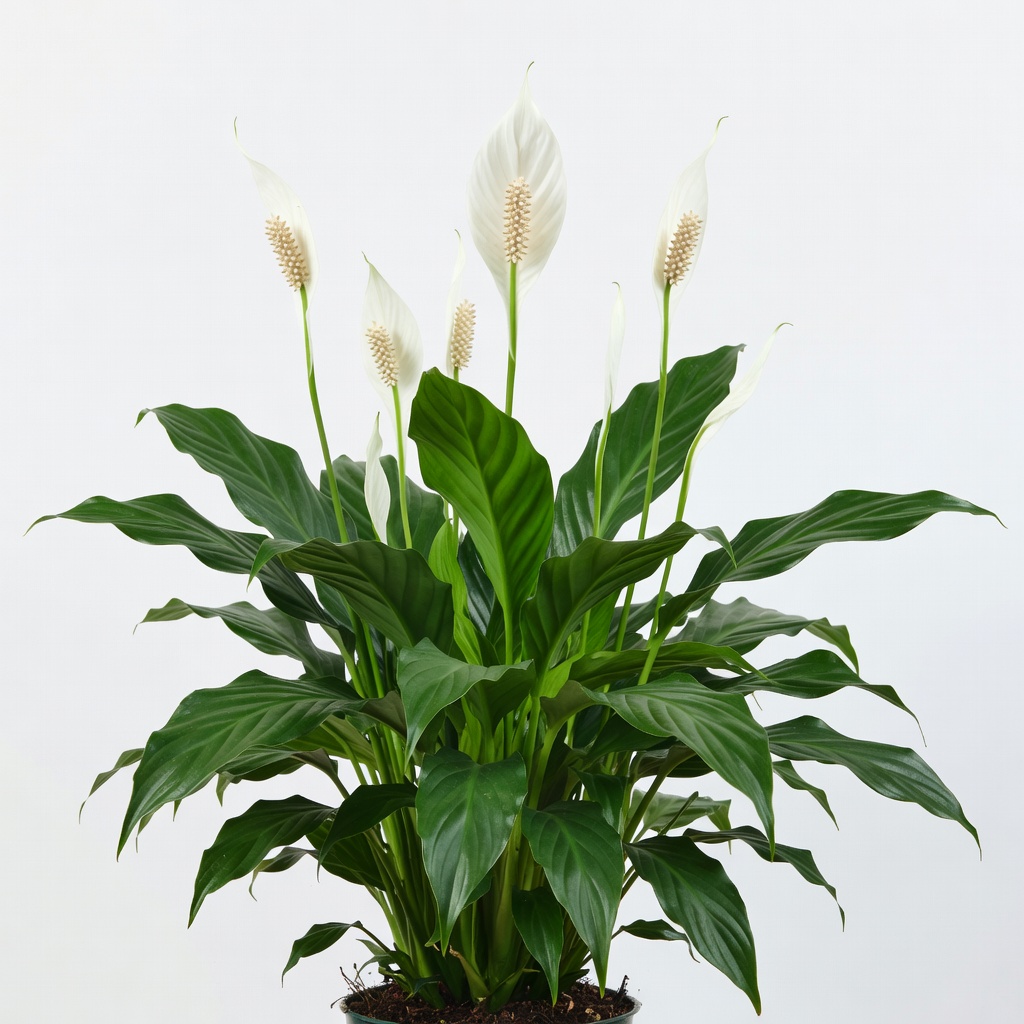
Even in low light, some plants produce flowers for occasional color. These are typically white or pale blooms to attract pollinators in dim understories. The Peace Lily (Spathiphyllum) is a favorite, with glossy leaves and elegant white spathes (flower-like structures) that signal when it's thirsty by drooping.
Peace lilies tolerate shade exceptionally well, blooming sporadically year-round, and excel at air purification. Another is the Chinese Evergreen (Aglaonema), with patterned leaves and rare red or green flowers. These add variety without demanding sun; expect flowers to last weeks in cool, low-light spots.
Flowering low-light plants bridge aesthetics and ease, but focus on their foliage as the main draw.
💡 Tips:
- •Wipe leaves monthly with a damp cloth to boost light absorption.
⚠️ Warnings:
- •Peace lilies are toxic to pets; place out of reach.
Step 5: Consider Succulents and Other Tough Varieties
Succulents like the ZZ Plant (Zamioculcas zamiifolia) are bulletproof for ultra-low light, storing water in bulbous roots and glossy leaves. It's like a modern sculpture—sleek and forgiving, surviving weeks without water.
Other tough ones include the Cast Iron Plant (Aspidistra elatior), named for its durability, with dark green straps that handle neglect and poor light. These are for forgetful owners; expect minimal growth but longevity. They're great for offices or basements.
This category rounds out options for the toughest conditions, emphasizing resilience over flash.
💡 Tips:
- •Repot every 2-3 years to refresh soil and encourage health.
⚠️ Warnings:
- •ZZ plants can be toxic if ingested; keep away from curious kids.
Step 6: Basic Care for All Low-Light Plants
All these types share simple needs: well-draining soil, moderate watering (when top inch is dry), and temperatures of 65-75°F. Use a balanced, diluted fertilizer monthly in growing season (spring-fall). Why? Low light slows growth, so overcare can harm more than help.
Placement matters—avoid drafts or heaters. Expect healthier plants with occasional rotation for even growth. This unified care makes mixing types easy.
Master this, and your low-light garden will thrive with minimal effort.
💡 Tips:
- •Use room-temperature water to prevent shock.
⚠️ Warnings:
- •Yellow leaves often mean too much water; adjust accordingly.
▸Pro Tips
- •Start small with one plant to build confidence before expanding.
- •Mimic natural humidity by placing a tray of water and pebbles under pots.
- •Rotate plants quarterly for balanced light exposure and fuller growth.
- •Choose pots with drainage holes to prevent soggy roots—add if needed.
- •Track watering with a journal or app to spot patterns in your space.
- •Pair with reflective surfaces like mirrors to subtly boost light.
- •Prune dead leaves promptly to redirect energy to healthy growth.
▸Common Mistakes to Avoid
- •Overwatering: Low-light plants dry out slowly, leading to rot—wait for soil to dry.
- •Placing in direct sun occasionally: It can burn leaves; stick to consistent shade.
- •Ignoring pests: Check undersides monthly; early soap spray prevents infestations.
- •Skipping soil checks: Use potting mix for indoor plants, not garden dirt, to avoid compaction.
- •Forgetting humidity: Dry air crisps tips—mist or use a pebble tray instead.
▸Troubleshooting
Problem: Leaves turning yellow or brown
Solution: Check watering—too much causes yellow, too little brown. Adjust and trim affected leaves; improve humidity if edges crisp.
Problem: Leggy or sparse growth
Solution: Move closer to indirect light source; low light is okay but not zero. Prune to encourage bushiness.
Problem: No flowers on blooming types
Solution: Peace lilies need consistent moisture and slight fertilizer boost. Be patient—low light means fewer blooms.
Problem: Pest infestation (e.g., spider mites)
Solution: Isolate plant, wipe with neem oil solution, and increase humidity. Prevent with regular leaf checks.
Costa Farms Golden Pothos
This pothos is a top low-light foliage plant, easy to care for and air-purifying, ideal for beginners starting their collection.
Best for: Hang in a dim living room or trail on a bookshelf for instant greenery.
Price Range: $15-$20
American Plant Food Snake Plant
Durable and low-maintenance, this snake plant thrives in the lowest light and requires infrequent watering.
Best for: Place on a floor in a shady bedroom or office for upright structure and air cleaning.
Price Range: $12-$18
Costa Farms Peace Lily
Offers subtle flowers in low light while being forgiving of beginners' mistakes like occasional dry soil.
Best for: Set on a bathroom shelf to humidify and add white blooms to windowless areas.
Price Range: $20-$25
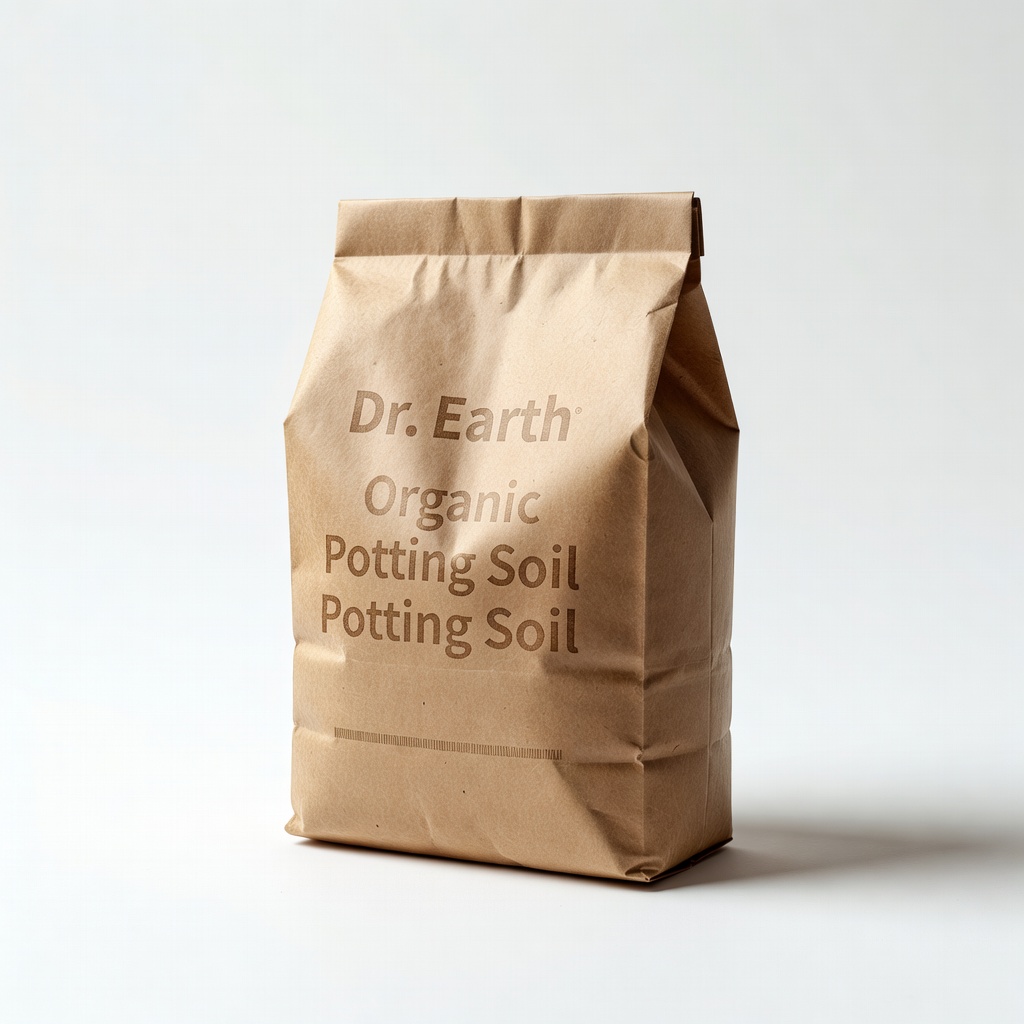
Dr. Earth Organic Potting Soil
Well-draining mix perfect for low-light plants, preventing root issues without chemicals.
Best for: Repot any of the above plants annually for healthy growth in dim conditions.
Price Range: $10-$15
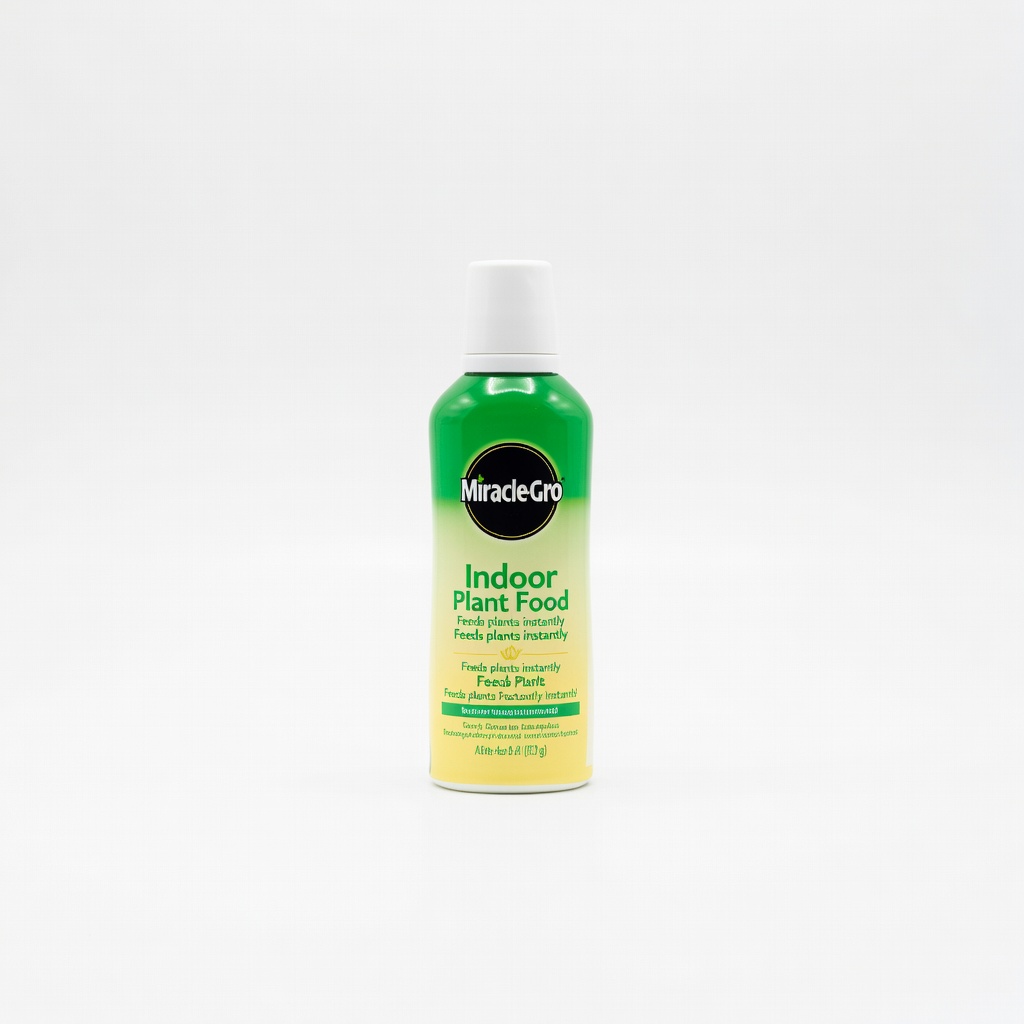
Miracle-Gro Indoor Plant Food
Gentle fertilizer spikes for slow-release nutrients, tailored for low-light indoor plants to avoid overfeeding.
Best for: Insert into pots every 2 months during growing season for steady health without daily hassle.
Price Range: $8-$12