
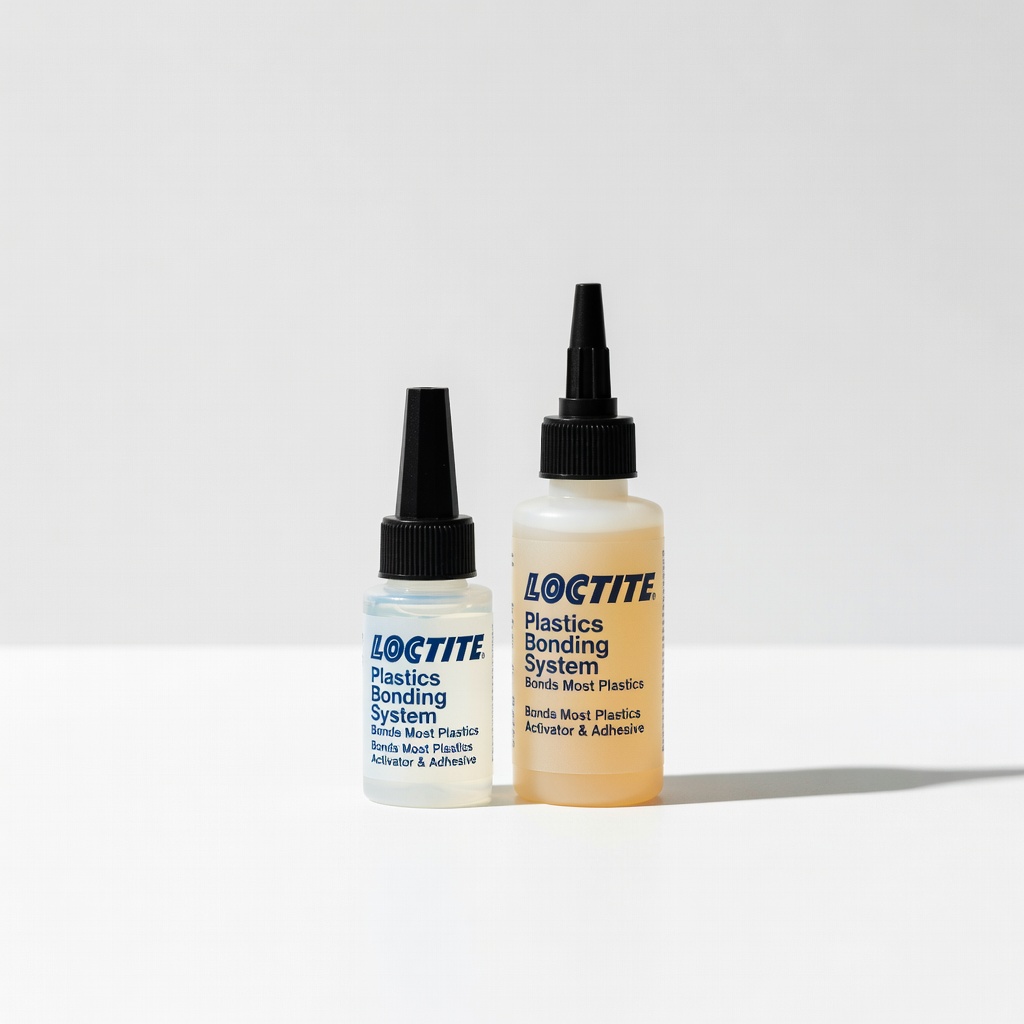
Loctite Plastics Bonding System
Small repairs like electronics or trim; ideal for PP/ABS.
$4.99-$6.99
Loctite Plastics Bonding System Cyanoacrylate with activator primer excels on hard-to-bond plastics to metal, fast cure (10 sec handling).
Get the App
Better experience on mobile
Learn the top adhesives for unbreakable metal-to-plastic bonds, with expert selection tips and application best practices for DIY and pro projects.
Bonding metal to plastic is notoriously tricky—metals are smooth and non-porous, while plastics vary from flexible to rigid, often leading to weak joints that fail under stress. Whether you're repairing automotive parts, crafting prototypes, or assembling gadgets, choosing the wrong adhesive means wasted time and frustration.
In this guide, you'll discover the strongest adhesives scientifically proven for metal-to-plastic bonding, understand why they work (including chemistry basics), and get step-by-step advice on preparation and application. Expect to grasp key concepts in 10-15 minutes, with actionable insights for intermediate DIYers or hobbyists—no advanced chemistry degree required.
We'll cover challenges, top types like epoxies and acrylics, real-world testing data, and product picks to ensure your bonds hold up to shear, peel, and impact.
Estimated Time: 10-15 minutes to read and understand; 30-60 minutes for first test bond Difficulty: intermediate
Metal-to-plastic bonds fail due to mismatched properties: metals have high surface energy (easy wetting), plastics low (repel adhesives). Plastics like polyethylene (PE) or polypropylene (PP) are especially tough without prep.
Why it matters: Without grasping this, you'll pick adhesives that work on paper but fail in practice. Expect 50-70% strength loss without proper matching.
Analogy: Like trying to stick wet fingers to a greasy pan—prep changes everything.
💡 Tips:
Clean with isopropyl alcohol to remove oils, then abrade both surfaces with 220-grit sandpaper for micro-roughness. Plastics need flame or plasma treatment for polyolefins.
This boosts mechanical interlocking and wettability, increasing bond strength 3-5x. Expect matte, dust-free surfaces ready for adhesive.
Why critical: 90% of failures trace to poor prep.
⚠️ Warnings:
Epoxies: Two-part resins forming cross-linked polymers—strong, gap-filling.
Cyanoacrylates (super glues): Fast cure via moisture, need primers for plastics.
Acrylics: Tough, flexible for dissimilar materials; methyl methacrylate reacts fast.
Polyurethanes: Expand and grip rough surfaces.
Strongest overall: Acrylics (up to 4,000 psi shear) > Epoxies (2,500-3,500 psi) > Cyanoacrylates (1,500-2,500 psi).
💡 Tips:
Epoxies excel for metals like steel/aluminum to rigid plastics (ABS, PVC). They resist chemicals/vibration.
Real-world: Automotive repairs hold 2,000+ lbs pull-off.
Expect 24-hour full cure; heat accelerates.
Best for small parts; primer etches plastic for instant grab (5-30 sec).
Strength: High peel resistance on flexible plastics.
Why for intermediates: Precise control needed.
⚠️ Warnings:
Two-part acrylics like 3M DP8010 bond untreated PP/PE to metal at 20-30 MPa (top tier).
No primer needed; flexible yet tough.
Pro use: Aerospace/composites.
💡 Tips:
Apply thin layer, clamp 10-30 min, cure per specs (room temp or heat).
Test: Shear/peel after cure.
Expect bonds rival welds for non-structural.
Pull-test manually or use ASTM D1002 jig. Iterate prep/adhesive.
Goal: >1,000 psi for most uses.
Track variables for repeatable results.
💡 Tips:
Problem: Bond fails after 24 hours
Solution: Re-prep surfaces; check for contamination. Switch to acrylic if polyolefin plastic.
Problem: Adhesive won't wet surface
Solution: Use primer or flame-treat plastic. Ensure abrasion removes gloss.
Problem: Brittle failure under flex
Solution: Opt for flexible epoxy/acrylic. Reduce bond area for stress distribution.
Problem: Slow cure
Solution: Warm parts (hairdryer or oven). Verify mix ratio.
Cyanoacrylate with activator primer excels on hard-to-bond plastics to metal, fast cure (10 sec handling).
Best for: Small repairs like electronics or trim; ideal for PP/ABS.
Price Range: $4.99-$6.99
Steel-reinforced epoxy for high-strength, gap-filling bonds; withstands 500°F and chemicals.
Best for: Automotive, plumbing, heavy-duty DIY metal-to-plastic.
Price Range: $5.99-$7.99
Top-rated structural acrylic—no primer for polyolefins; 3,000+ psi on untreated plastic-metal.
Best for: Professional prototypes, marine, high-impact needs.
Price Range: $50-$100 (10ml duo-pak)
Toughened formula for flexible bonds; waterproof and impact-resistant.
Best for: Outdoor/craft projects with vibration.
Price Range: $6.99-$9.99
5-min set for quick repairs; bonds metal to most plastics.
Best for: Emergency fixes in garage.
Price Range: $8.99-$12.99
Small repairs like electronics or trim; ideal for PP/ABS.
Loctite Plastics Bonding System Cyanoacrylate with activator primer excels on hard-to-bond plastics to metal, fast cure (10 sec handling).
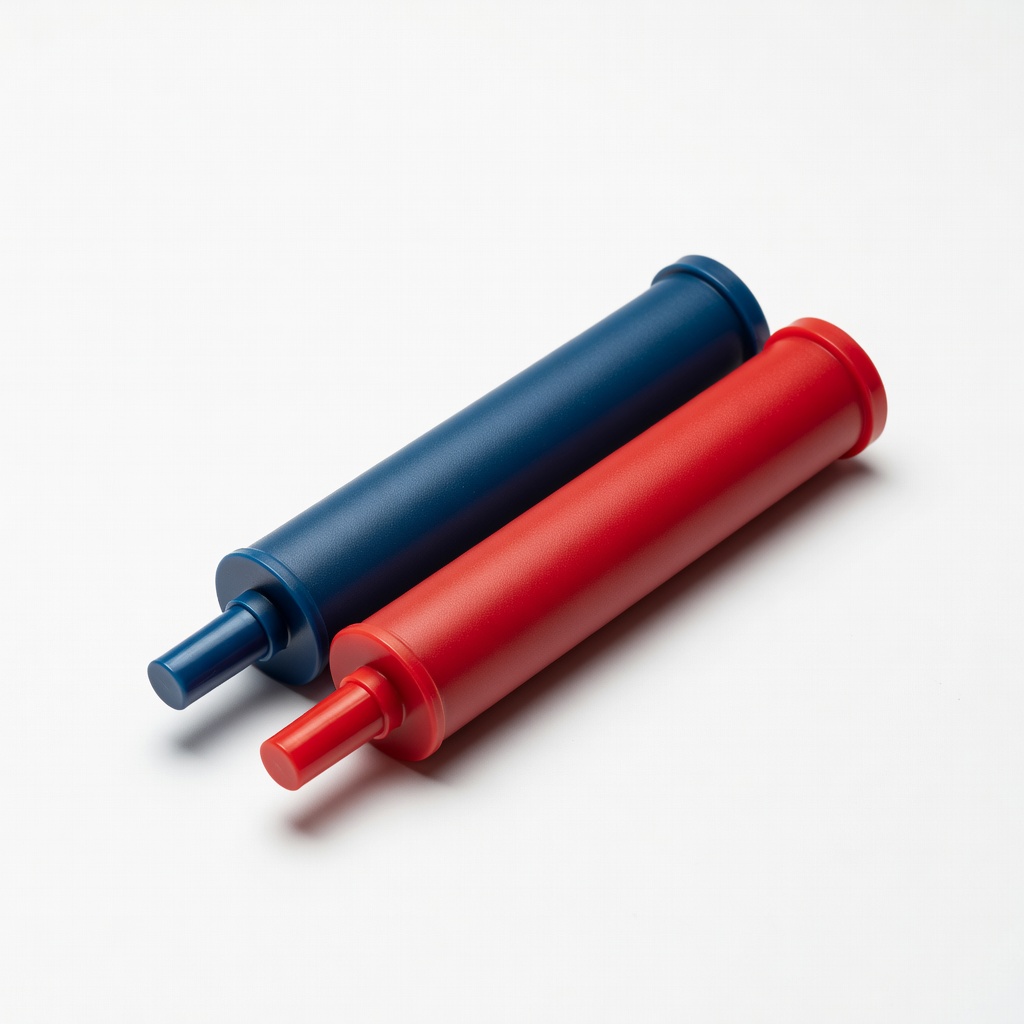
Automotive, plumbing, heavy-duty DIY metal-to-plastic.
J-B Weld Original Twin Tube Epoxy Steel-reinforced epoxy for high-strength, gap-filling bonds; withstands 500°F and chemicals.
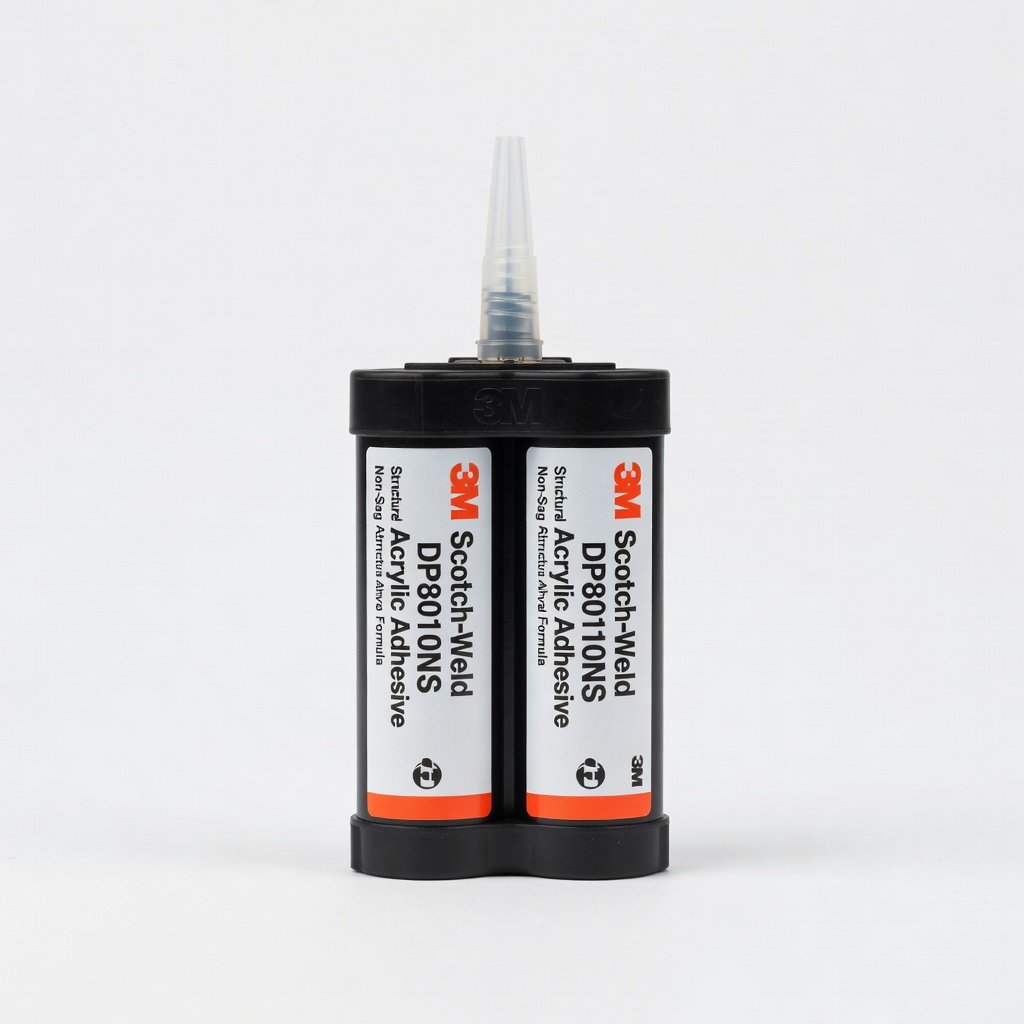
Professional prototypes, marine, high-impact needs.
3M Scotch-Weld DP8010NS Acrylic Adhesive Top-rated structural acrylic—no primer for polyolefins; 3,000+ psi on untreated plastic-metal.
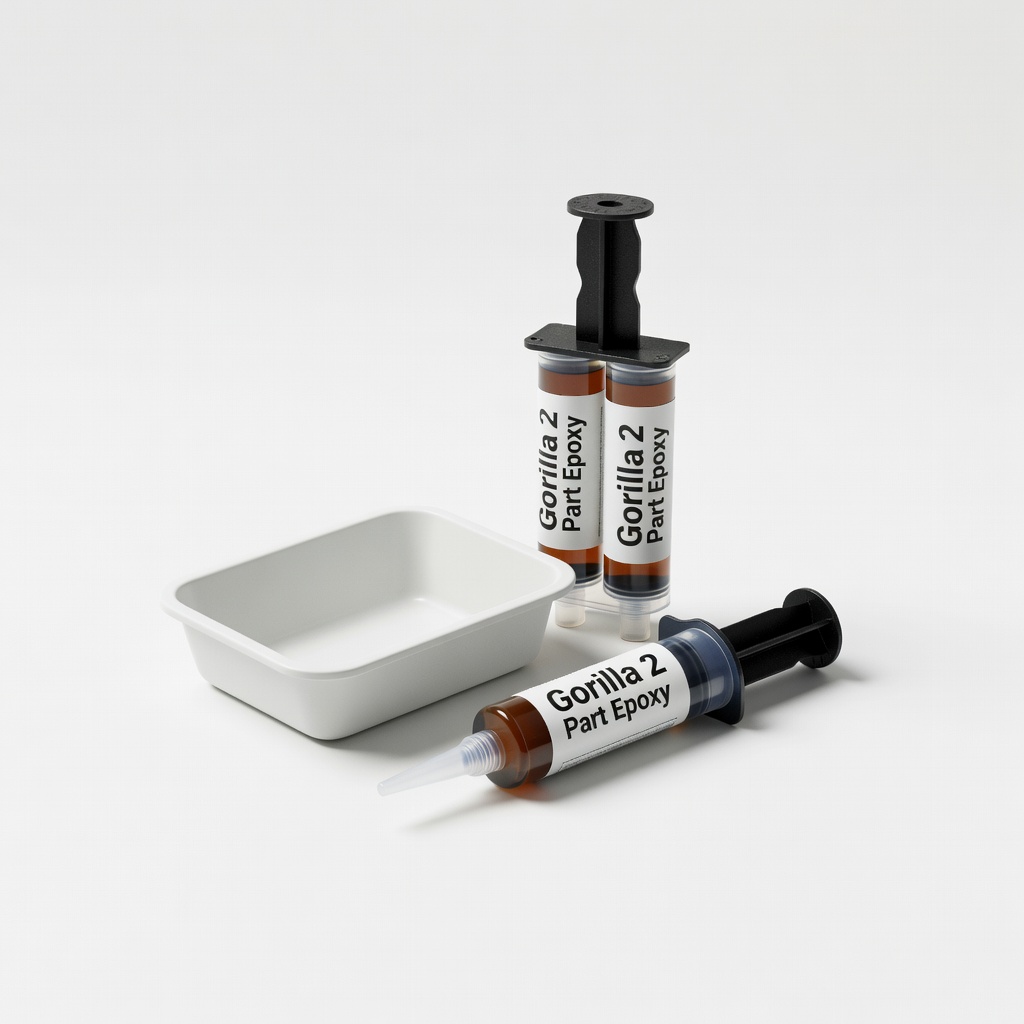
Outdoor/craft projects with vibration.
Gorilla 2 Part Epoxy Toughened formula for flexible bonds; waterproof and impact-resistant.
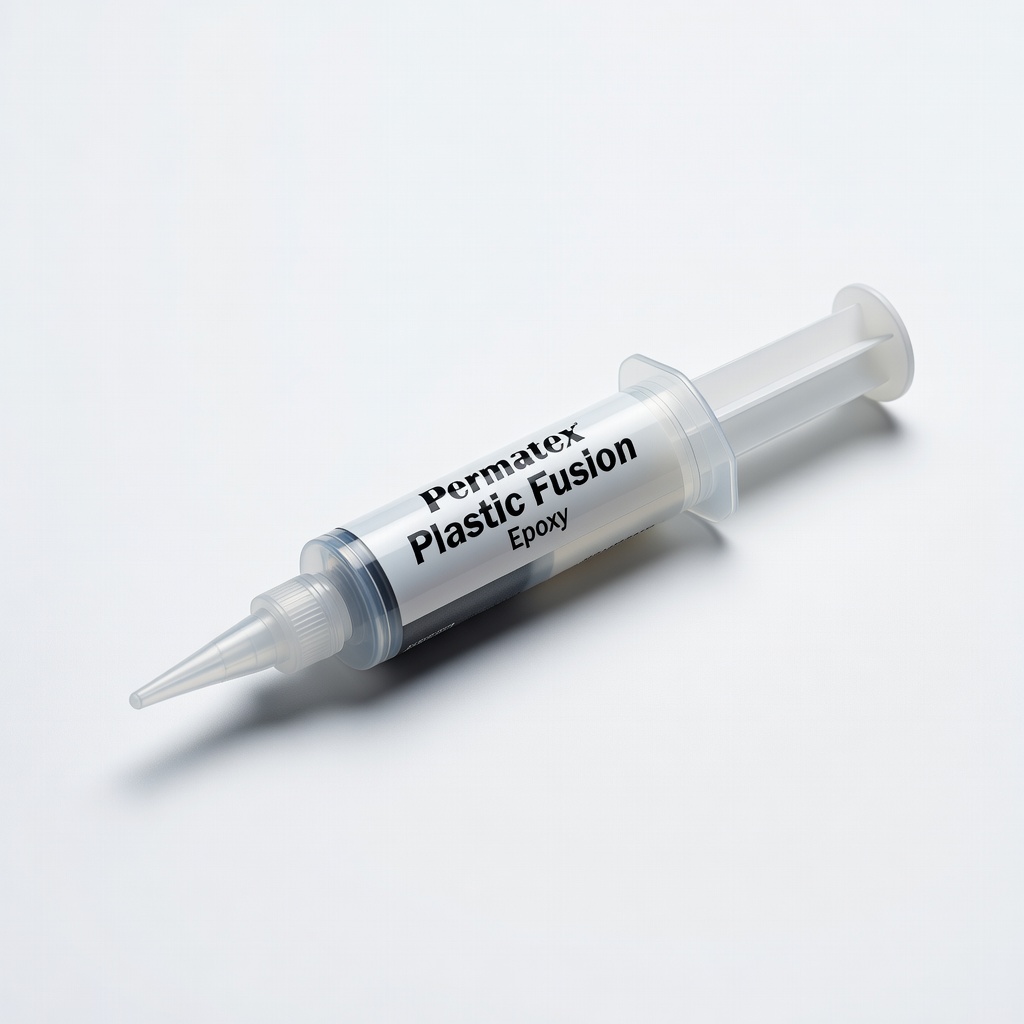
Emergency fixes in garage.
Permatex 84115 Clear RTV Silicone? Wait, no—Permatex Plastic Fusion Epoxy 5-min set for quick repairs; bonds metal to most plastics.