
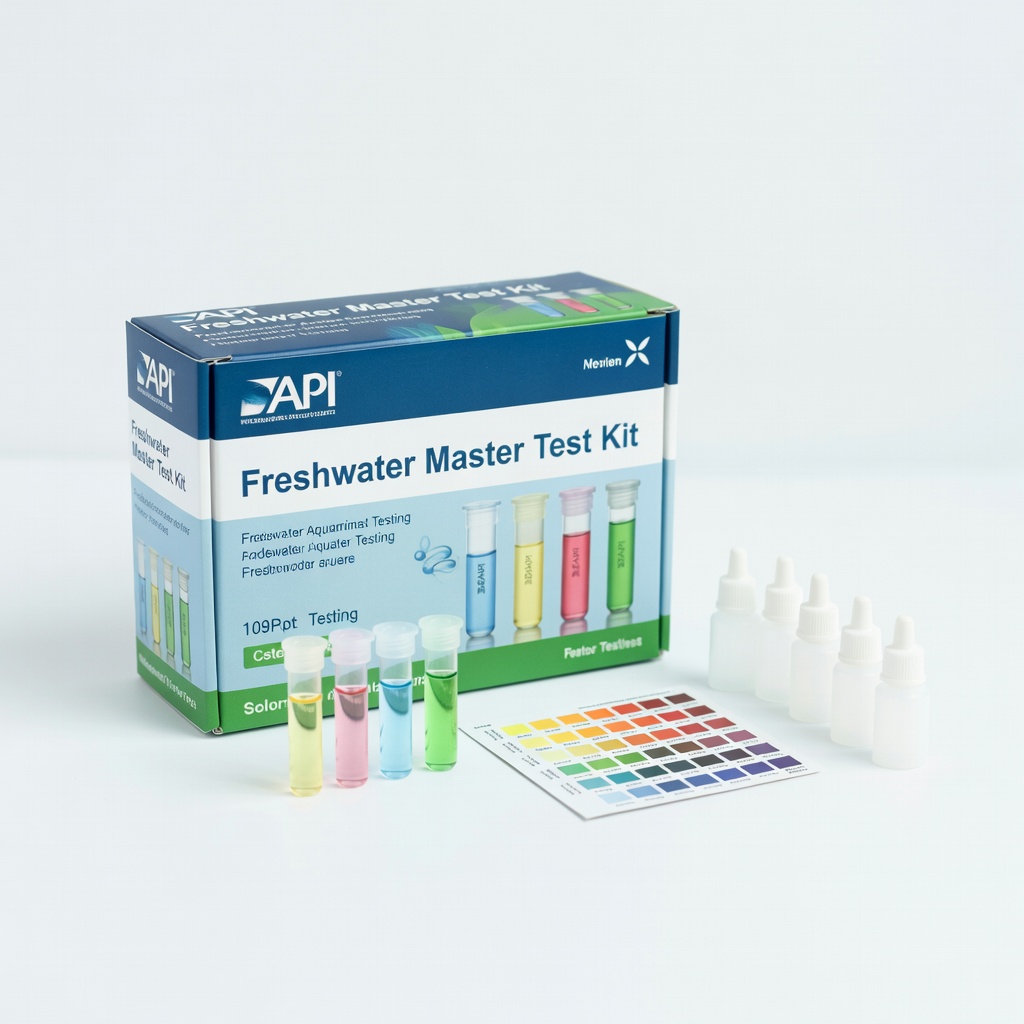
API Freshwater Master Test Kit
Weekly testing to confirm fixes worked.
$25-$35
API Freshwater Master Test Kit Essential for detecting ammonia spikes from overfeeding accurately.
Get the App
Better experience on mobile
Spot overfeeding issues early, fix them fast, and keep your fish healthy without guesswork.
Overfeeding is one of the top mistakes beginner aquarists make, leading to dirty water, sick fish, and even tank crashes. It happens when you toss in more food than your fish can eat in 2-3 minutes, causing waste buildup that spikes ammonia and clouds your tank. The good news? Spotting the signs early is simple, and fixes take under an hour.
In this guide, you'll learn the 7 key signs of overfeeding, why they occur, and step-by-step fixes to restore balance. No advanced tools needed—just basic maintenance. Expect clear explanations with analogies (like comparing your tank to a clogged kitchen sink) and real-world tips to prevent future issues. Perfect for beginners with any freshwater or saltwater setup.
Estimated Time: 15-20 minutes to diagnose + 30-60 minutes to fix Difficulty: beginner
Overfeeding occurs when you give fish more food than they can consume in 2-3 minutes. Think of it like piling extra food on your plate—it rots and stinks up the kitchen. Excess food decays, releasing ammonia that bacteria should break down, but in new or overloaded tanks, it causes problems.
Why it matters: This is the root of all signs. Feed only what vanishes quickly, once or twice daily for most community fish.
💡 Tips:
Sign 1: Water turns milky white or green within hours/days—classic bacterial bloom from uneaten food fueling bacteria growth.
What to expect: Like milk left out too long. Test ammonia/nitrite levels (should be 0 ppm). High readings confirm overfeeding.
⚠️ Warnings:
Sign 2: Tank smells like rotten eggs or sewage from decaying waste.
Why it matters: Anaerobic bacteria thrive in uneaten food pockets, producing hydrogen sulfide gas. Sniff near the substrate.
💡 Tips:
Sign 3: Mulm (sludge) piles up on gravel or sand—undigested food and poop.
Analogy: Like crumbs under your fridge. Fish avoid dirty areas, leading to stress.
Sign 4: Green slime on glass, decorations, or rocks. Overfeeding boosts nutrients (nitrates) that algae love.
What to expect: Rapid spread in lit tanks.
⚠️ Warnings:
Signs 5-7: Gasping at surface (low oxygen), lethargy, or hiding. Poor water quality stresses fish, mimicking illness.
Why it matters: Hidden root cause—fix water first before meds.
💡 Tips:
Siphon 25-50% water using gravel vacuum to remove waste. Match new water temp/pH; add conditioner.
Why: Dilutes toxins fast. Vacuum substrate in strokes.
💡 Tips:
Clean filter media gently (rinse in tank water). Add bacteria starter. Skip feeding 1-2 days.
Long-term: Upgrade filter if undersized.
⚠️ Warnings:
Feed sparingly, use auto-feeder for vacations. Test water weekly. Fast fish 1 day/week.
💡 Tips:
Problem: Cloudiness persists after water change
Solution: Add beneficial bacteria; check filter flow. Retest ammonia in 24h.
Problem: Fish still gasping
Solution: Add airstone for oxygen. 50% water change. If nitrite >0, use Prime to detoxify.
Problem: Algae returns quickly
Solution: Reduce light to 6-8h/day. Add algae eater like nerite snail.
Problem: Ammonia won't drop
Solution: Stop all feeding 48h. Large water changes. Seek vet if fish dying.
Essential for detecting ammonia spikes from overfeeding accurately.
Best for: Weekly testing to confirm fixes worked.
Price Range: $25-$35
Easy siphon removes waste without disturbing substrate.
Best for: Quick 25% water changes during fixes.
Price Range: $15-$20
Boosts biological filtration to handle waste better long-term.
Best for: Add to filter after cleaning for overfed tanks.
Price Range: $10-$15
Detoxifies ammonia/chlorine during urgent water changes.
Best for: Every water change to protect fish.
Price Range: $10-$15
Prevents overfeeding with timed, precise portions.
Best for: Daily use or vacations for beginners.
Price Range: $70-$90
Weekly testing to confirm fixes worked.
API Freshwater Master Test Kit Essential for detecting ammonia spikes from overfeeding accurately.
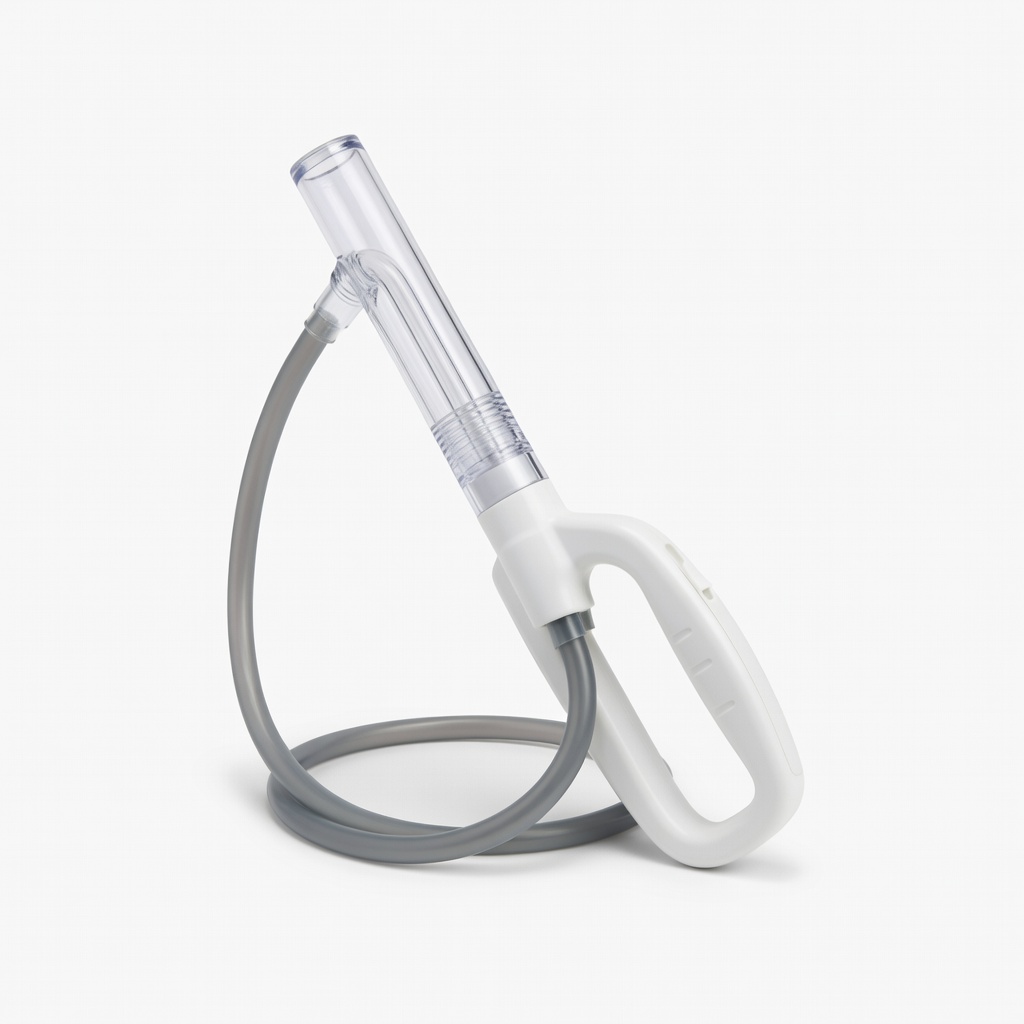
Quick 25% water changes during fixes.
Aqueon Aquarium Gravel Cleaner Easy siphon removes waste without disturbing substrate.
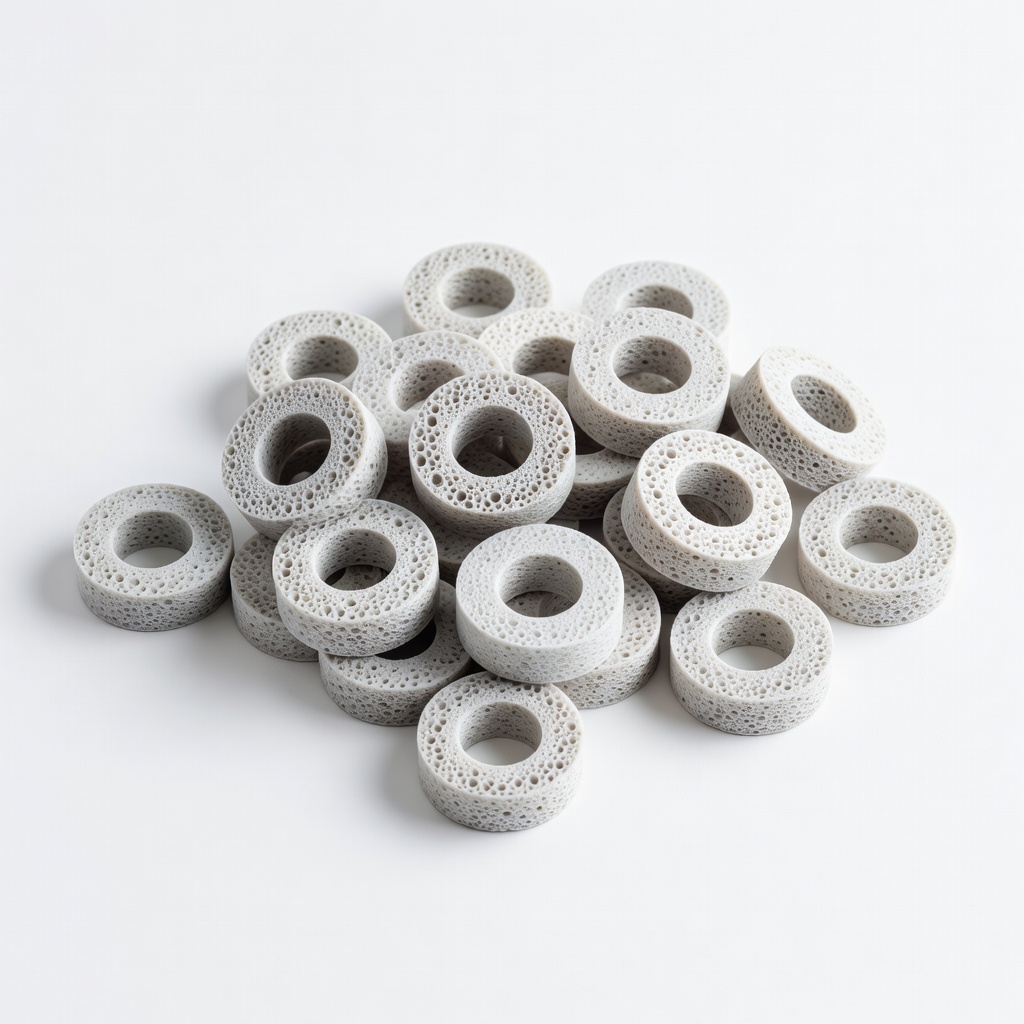
Add to filter after cleaning for overfed tanks.
Fluval BioMax Bio Rings Boosts biological filtration to handle waste better long-term.
Every water change to protect fish.
Seachem Prime Water Conditioner Detoxifies ammonia/chlorine during urgent water changes.
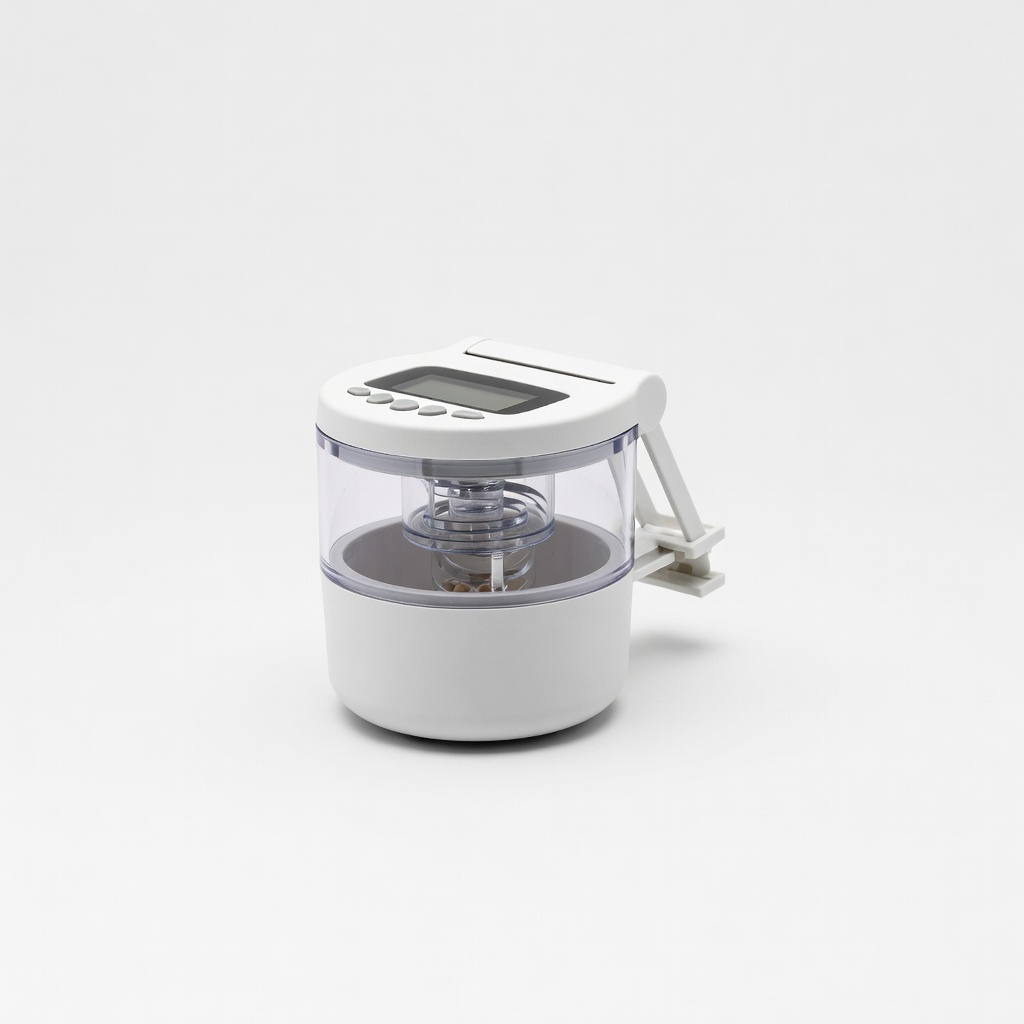
Daily use or vacations for beginners.
Eheim Everyday Automatic Fish Feeder Prevents overfeeding with timed, precise portions.