3D printing with resins offers incredible detail for models and prototypes, but these liquid photopolymers can pose serious health risks if mishandled. Resins often contain acrylates and other chemicals that irritate skin, eyes, and respiratory systems, and prolonged exposure may lead to allergies or more severe issues. Many intermediate users overlook these dangers, leading to unnecessary accidents in home or small workshop setups.
In this guide, you'll learn the key safety precautions for every stage of resin 3D printing, from preparation to cleanup. We'll break down the hazards, explain why each precaution matters, and provide practical steps to minimize risks. Whether you're printing miniatures or functional parts, following these guidelines will help you work confidently without compromising your well-being.
Expect this to be straightforward for intermediate users familiar with basic 3D printing—focus on implementation rather than setup. You'll gain actionable knowledge to create a safer printing routine in under 15 minutes of reading.
▸What You'll Need
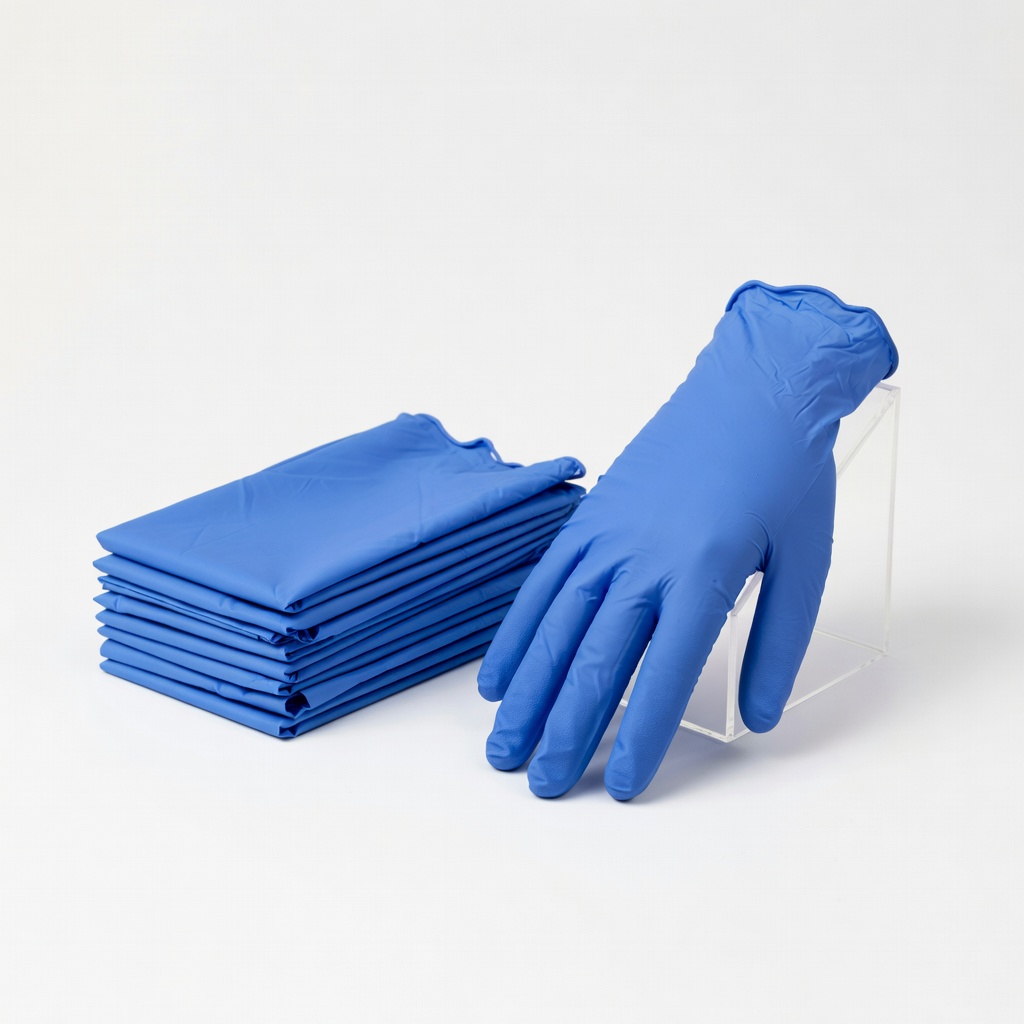
- •Nitrile gloves (chemical-resistant, powder-free)
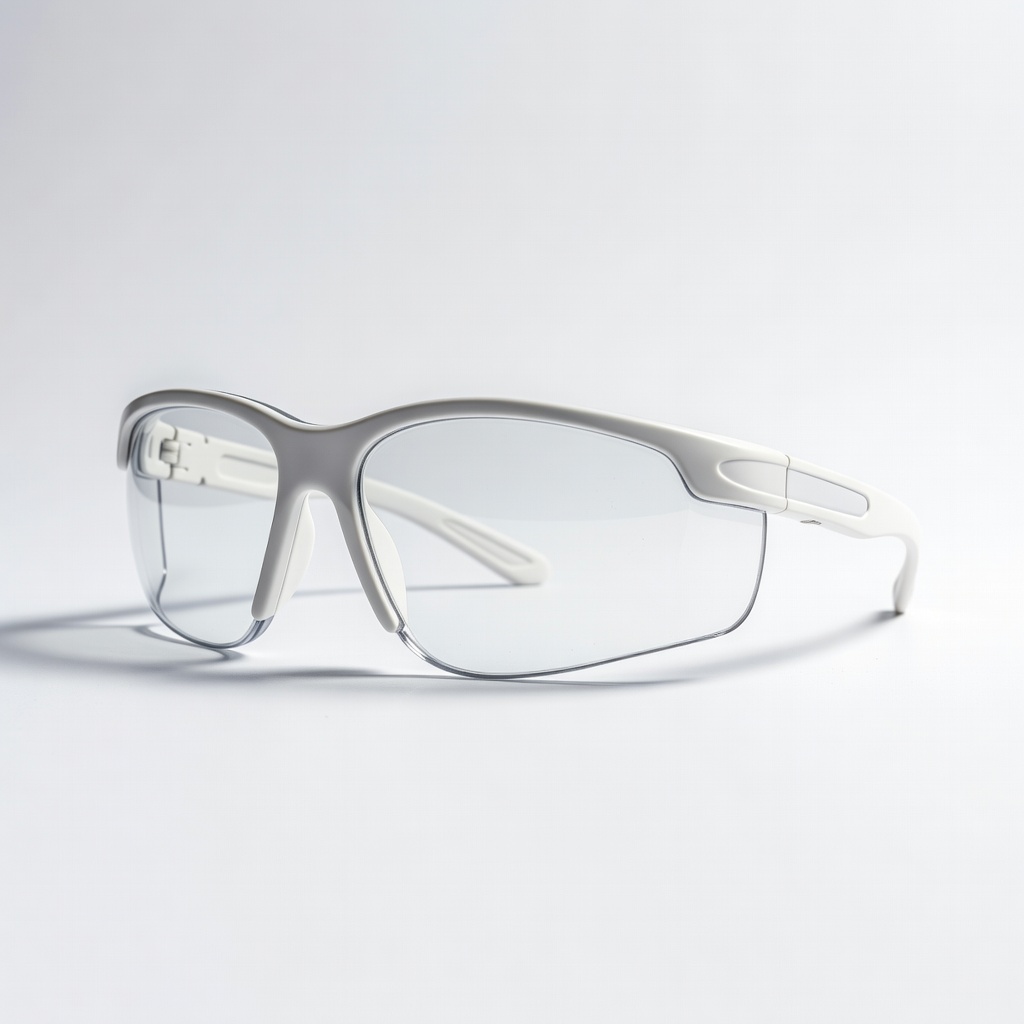
- •Safety goggles or face shield
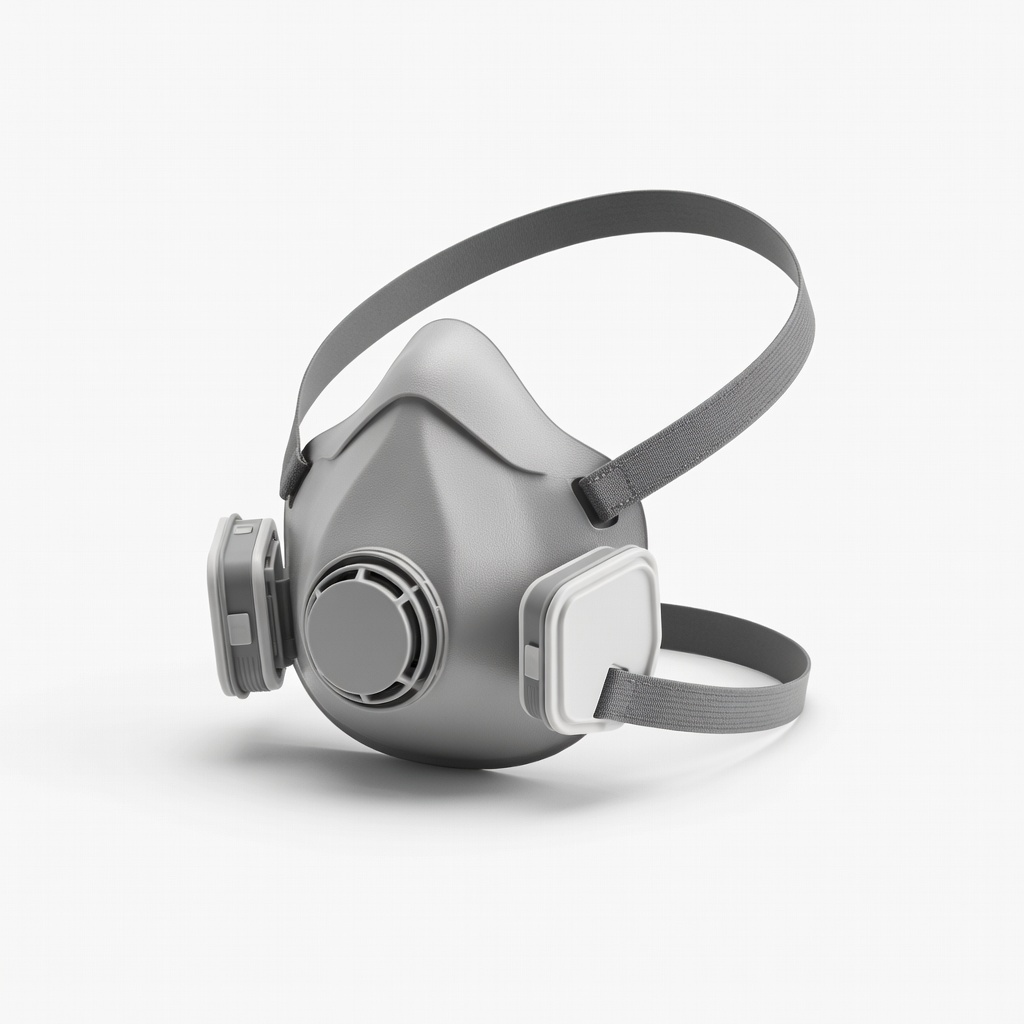
- •Respirator mask with organic vapor cartridges (e.g., N95 or better for fumes)
- •Well-ventilated workspace or fume extractor
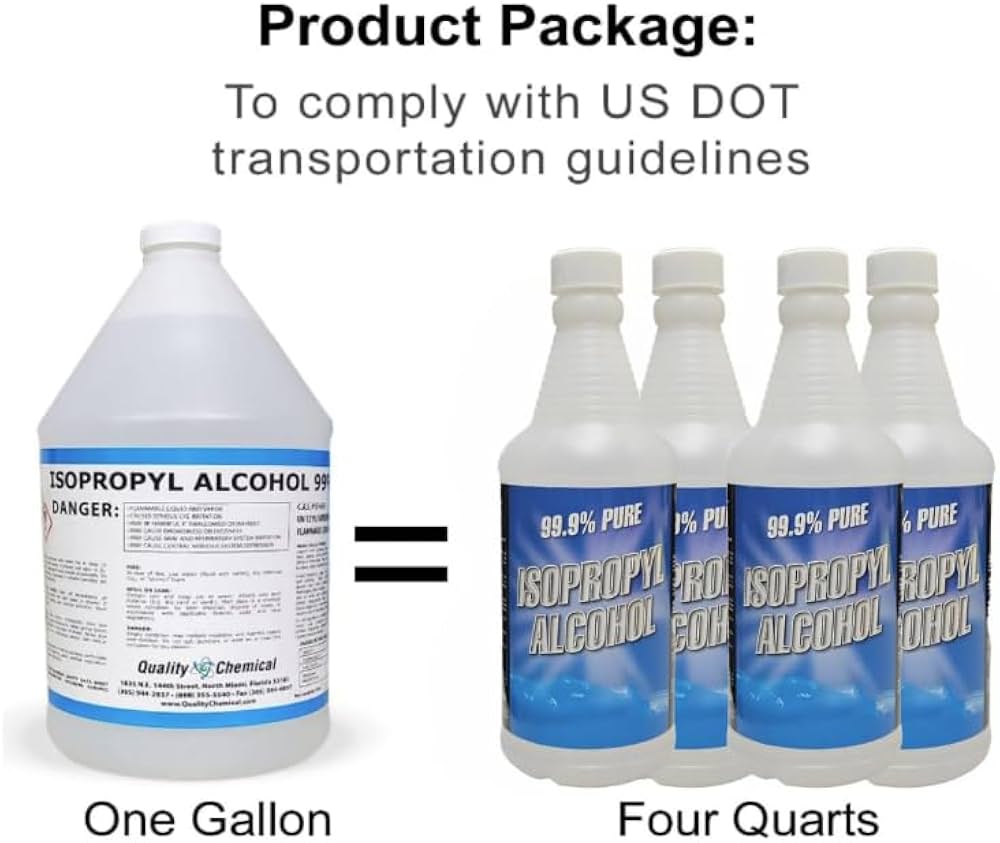
- •Isopropyl alcohol (IPA) 99% for cleaning
- •Disposable containers for waste
- •Spill containment kit (absorbent pads or kitty litter)
- •Prerequisite knowledge: Basic understanding of resin 3D printing process (e.g., SLA or DLP printers)
Estimated Time: 10-15 minutes to read and understand
Difficulty: intermediate
▸Step-by-Step Instructions
Step 1: Understand the Hazards of Resin
Before handling any resin, grasp what makes it dangerous. 3D printing resins are liquid photopolymers that cure under UV light, but uncured forms contain irritants like acrylates, methacrylates, and photoinitiators. These can cause skin sensitization (itching, rashes), eye damage, or respiratory irritation from fumes. Analogy: Think of resin like uncured epoxy—sticky and harmful until fully hardened.
Why it matters: Awareness prevents complacency. Expect to identify symbols on resin bottles (e.g., exclamation mark for irritants or skull for toxics). Review the Safety Data Sheet (SDS) provided by your resin manufacturer for specific risks.
This step sets the foundation; skipping it leads to underestimating dangers.
💡 Tips:
- •Always download SDS from the manufacturer's website if not included.
- •Compare resins: Standard ones are more hazardous than water-washable types.
⚠️ Warnings:
- •Never ignore SDS warnings—some resins are carcinogenic with long-term exposure.
Step 2: Prepare Personal Protective Equipment (PPE)
PPE is your first line of defense. Wear nitrile gloves (not latex, as resins can degrade them), safety goggles to shield eyes from splashes, and a respirator for vapors. For intermediate users, opt for a half-face respirator with P100 filters for particulates and organic vapors.
Why it matters: Direct contact can cause immediate irritation or delayed allergies. Expect gloves to feel snug but disposable after use—change if torn. Goggles prevent blinding splashes, common during pouring.
Layer clothing: Long sleeves and pants over closed-toe shoes to avoid spills on skin.
💡 Tips:
- •Test PPE fit before starting; loose gloves increase risk.
- •Keep extra gloves handy for quick changes.
⚠️ Warnings:
- •Avoid cotton gloves—they absorb resin and worsen exposure.
Step 3: Set Up a Safe Workspace
Choose a well-ventilated area, ideally with an exhaust fan or dedicated enclosure. Use a printer in a controlled environment to contain fumes—resin printers like SLA models release VOCs (volatile organic compounds) during operation.
Why it matters: Poor ventilation leads to headache-inducing fumes buildup. Expect to position your setup away from food, pets, and children. Cover surfaces with disposable plastic sheets for easy cleanup.
For apartments, a DIY fume hood or open window with fan suffices; advanced setups use HEPA-filtered enclosures.
💡 Tips:
- •Run a fan blowing outward to direct fumes away from you.
- •Print in short sessions to limit exposure time.
⚠️ Warnings:
- •Never print in enclosed bedrooms—fumes linger and affect sleep.
Step 4: Handle and Mix Resins Safely
When pouring or mixing, do so slowly over a lined tray to catch spills. Shake bottles gently before use, but avoid creating aerosols. Use tools like syringes for precise measurements in intermediate projects.
Why it matters: Spills are common and amplify exposure. Expect resin to be viscous and sticky—clean drips immediately with IPA-soaked paper towels. Analogy: Treat it like handling hot oil; precision prevents messes.
Store in original containers, labeled clearly.
💡 Tips:
- •Warm resin slightly (not over 25°C) for better flow without increasing vapors.
- •Use a funnel to minimize pouring accidents.
⚠️ Warnings:
- •Don't mix different resins without checking compatibility—reactions can release more fumes.
Step 5: Follow Safe Printing Procedures
During printing, ensure the printer is level and the vat is secure. Monitor for leaks, as uncured resin can ooze. Keep the lid on when not in use to reduce evaporation.
Why it matters: The printing process generates heat and UV light, potentially volatilizing chemicals. Expect prints to take 1-10 hours; step away if fumes build up.
Disable auto-leveling if it involves unnecessary movements that could spill resin.
💡 Tips:
- •Use printer software to pause and check periodically.
- •Print in batches to avoid prolonged sessions.
⚠️ Warnings:
- •Avoid touching the build plate while hot—resin can slosh.
Step 6: Manage Post-Processing Safely
After printing, remove prints with gloved hands and rinse in IPA bath. Cure under UV light in a ventilated area—avoid direct skin contact with wet parts.
Why it matters: Uncured resin on prints is still hazardous until fully polymerized. Expect a sticky residue that requires multiple washes; dispose of used IPA as hazardous waste.
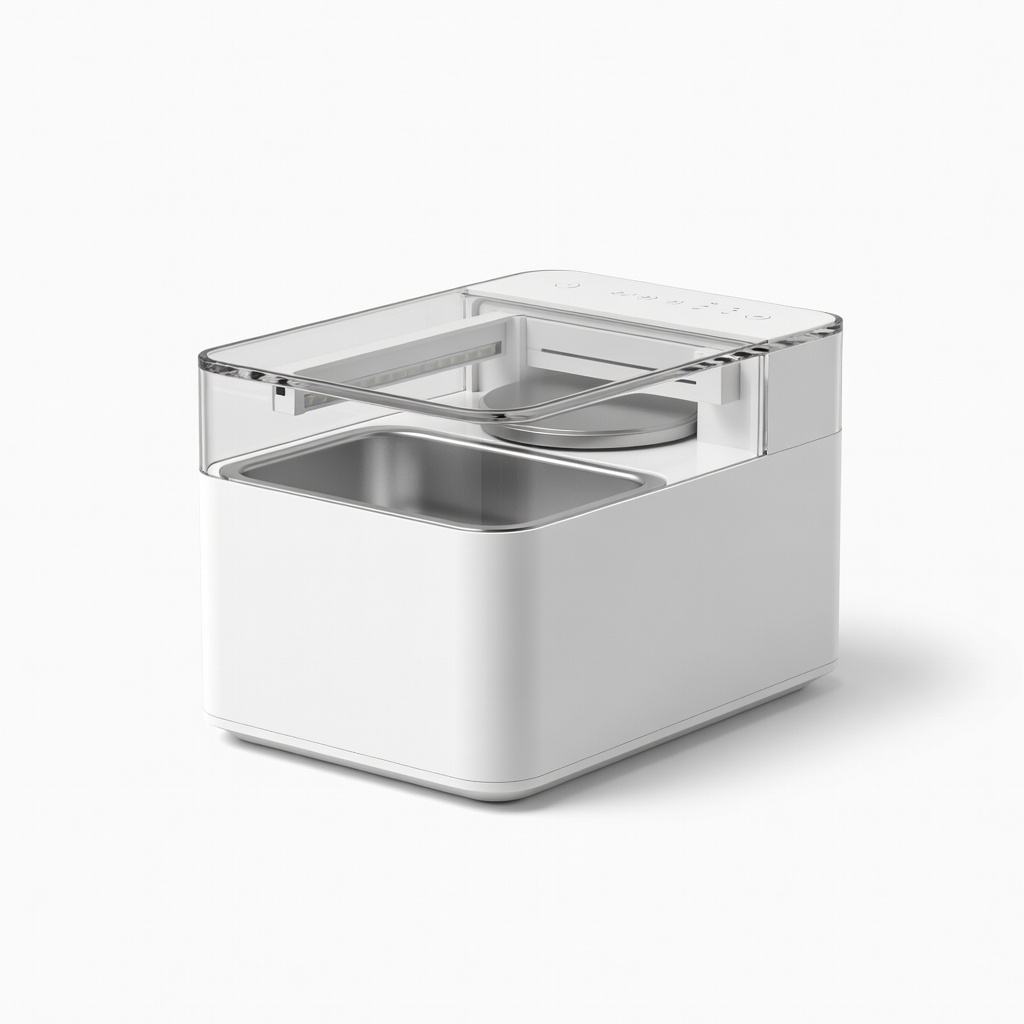
Use a wash-and-cure station for efficiency, but always wear PPE.
💡 Tips:
- •Agitate prints in IPA for thorough cleaning—reduces curing time.
- •Cure in short bursts to prevent overheating.
⚠️ Warnings:
- •Don't inhale curing fumes; UV lamps can also cause eye strain.
Step 7: Clean Up and Dispose Properly
Wipe tools and vat with IPA, then let dry. Collect waste resin and contaminated materials in sealed containers marked 'hazardous.' Dispose via local chemical waste programs—never down the drain.
Why it matters: Improper disposal pollutes and risks future exposure. Expect cleanup to take 10-20 minutes; solidify waste resin with cat litter before bagging.
Launder PPE-contaminated clothes separately.
💡 Tips:
- •Use lint-free wipes for streak-free vat cleaning.
- •Batch cleanups weekly to save time.
⚠️ Warnings:
- •Flushing resin harms plumbing and environment—fines apply in many areas.
Step 8: Store Resins and Plan for Emergencies
Keep resins in a cool, dark cabinet away from sunlight. Label with dates and hazards. Have an emergency kit: eyewash, soap for skin, and know to seek medical help for exposures.
Why it matters: Proper storage prevents degradation and accidents. Expect resins to last 1-2 years if stored right; emergencies like spills require calm response.
Post a safety checklist near your workspace.
💡 Tips:
- •Refrigerate sensitive resins (check SDS).
- •Practice spill drills monthly.
⚠️ Warnings:
- •Sunlight cures resin in bottles—store opaquely.
▸Pro Tips
- •Invest in a resin-rated enclosure to contain 90% of fumes automatically.
- •Use UV-blocking gloves for post-curing to avoid hand exposure.
- •Track exposure time with a timer app to stay under daily limits.
- •Opt for low-odor resins for indoor printing without sacrificing quality.
- •Create a 'resin-only' toolkit to avoid cross-contamination.
- •Wear a hairnet or tie back hair—resin sticks to everything.
- •Document your setup with photos for safety audits or sharing tips online.
▸Common Mistakes to Avoid
- •Skipping PPE for 'quick jobs'—leads to skin allergies over time; always suit up fully.
- •Printing in unventilated spaces—causes chronic headaches; install exhaust first.
- •Pouring waste down drains—clogs pipes and environmental harm; use proper disposal.
- •Reusing contaminated IPA indefinitely—reduces effectiveness and increases hazards; change baths regularly.
- •Ignoring SDS—misses resin-specific risks like UV sensitivity; read every time.
▸Troubleshooting
Problem: Skin irritation after handling
Solution: Wash immediately with soap and water (not just water); apply barrier cream next time. If rash persists, see a doctor and switch to hypoallergenic resins.
Problem: Fume inhalation causing dizziness
Solution: Move to fresh air, remove PPE slowly outdoors. Improve ventilation and use a respirator. Limit sessions to 30 minutes initially.
Problem: Spill on workspace
Solution: Absorb with paper towels or kitty litter, then clean with IPA. Neutralize residue. For large spills, ventilate and seek pro cleanup if needed.
Problem: Eye exposure
Solution: Rinse with lukewarm water for 15 minutes using eyewash station. Don't rub. Seek immediate medical attention—resins can cause permanent damage.
3M 6502QL Half Facepiece Reusable Respirator
Provides reliable protection against organic vapors and particulates from resin fumes, essential for intermediate users in enclosed spaces.
Best for: Wear during printing and post-processing to filter harmful VOCs; reusable for cost savings.
Price Range: $25-$35
Kimberly-Clark Professional G10 Blue Nitrile Gloves
Chemical-resistant and powder-free, ideal for handling sticky resins without degradation or skin transfer.
Best for: Use for pouring, cleaning, and removing prints; dispose after each session to prevent contamination.
Price Range: $15-$20 for 100-count box
NoCry Safety Glasses with Anti-Fog Coating
Durable ANSI-rated protection against splashes and UV light, with clear lenses for precise work.
Best for: Essential during mixing and curing to shield eyes from irritants; comfortable for long sessions.
Price Range: $12-$18
Anycubic Wash and Cure Station
Enclosed system reduces direct handling of wet prints and fumes during post-processing.
Best for: For intermediate workflows to safely rinse and UV-cure models without extra exposure.
Price Range: $50-$70
ISOPURE 99% Isopropyl Alcohol
High-purity solvent effectively cleans uncured resin without leaving residues that could cause hazards.
Best for: For immediate spill cleanup and print washing; safer than lower-grade alcohols.
Price Range: $15-$25 per gallon