
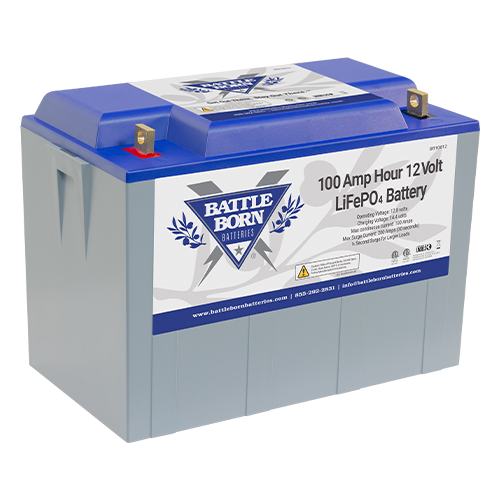
Battle Born BB10012 100Ah 12V LiFePO4 Battery
Premium full-time RVing, heavy loads like AC.
$900-$950
Battle Born BB10012 100Ah 12V LiFePO4 Battery Top-tier BMS with heating, UL-listed, proven in RVs—no fire risks, 10-year warranty.
Get the App
Better experience on mobile
Learn the top safest 12V battery types for RV solar setups, key safety features, and expert picks to power your off-grid adventures reliably.
Choosing the wrong battery for your RV solar setup can lead to fires, explosions, or costly failures—especially when boondocking far from help. With RV solar systems relying on batteries to store power for lights, fridges, and appliances, safety isn't optional; it's essential for protecting your rig, family, and freedom on the road.
In this guide, you'll discover the safest 12V batteries, why LiFePO4 lithium dominates for safety, how to compare options, and real product recommendations. We'll break down types, features, and selection criteria with simple analogies and examples—no jargon overload. Expect to spend 20-30 minutes gaining the confidence to upgrade your system.
By the end, you'll know exactly which batteries minimize risks like thermal runaway or hydrogen gas venting, while maximizing solar efficiency and lifespan.
Estimated Time: 20-30 minutes Difficulty: intermediate
RV batteries face unique stresses: deep discharges from solar variability, vibrations from travel, and high ambient heat. Unsafe batteries like flooded lead-acid can vent explosive hydrogen gas, while some lithium-ion chemistries risk thermal runaway (think laptop fires, but bigger).
Safety metrics include thermal stability (resists overheating), no gas emissions, built-in BMS (Battery Management System) for overcharge protection, and UL certifications. Analogy: Think of it like car tires—good ones grip in rain; bad ones blow out.
Expect safer batteries to cost more upfront but save on replacements and hazards long-term.
💡 Tips:
⚠️ Warnings:
Flooded Lead-Acid (FLA): Cheap but hazardous—requires venting to avoid hydrogen buildup. Short lifespan (300-500 cycles), heavy.
AGM (Absorbed Glass Mat): Sealed, no venting, spill-proof. Safer than FLA but sulfates quickly if deeply discharged (500-800 cycles).
Lithium-Ion (LiCoO2/NMC): High energy but fire-prone under abuse.
LiFePO4 (Lithium Iron Phosphate): Gold standard for safety—stable chemistry, no fire risk even if punctured, 3,000-5,000 cycles. Lighter, 100% DoD (Depth of Discharge).
💡 Tips:
Look for built-in BMS monitoring voltage, current, temp—cuts off at extremes. IP65+ rating for dust/water resistance in RVs. UL 1973/9540A certifications test for fire propagation.
Cycle life >2,000 at 80% DoD ensures longevity. Low self-discharge (<3%/month) suits solar intermittency. Analogy: BMS is like a smart smoke detector for your battery.
In RV solar, pair with MPPT charge controllers to prevent overcharge.
⚠️ Warnings:
LiFePO4's iron-phosphate chemistry is inherently stable—no oxygen release during failure, unlike NMC lithium. Operates safely -4°F to 140°F, perfect for extreme camping.
In solar setups, they handle variable charging without stress, unlike lead-acid which needs float charging. Example: A 200Ah LiFePO4 bank powers a 100W fridge 24/7 off 400W panels.
Real-world: RVers report zero fires vs. AGM swelling issues.
💡 Tips:
LiFePO4 vs. AGM: LiFePO4: 5x cycles, half weight, safer. AGM safer than FLA but heavier/shorter life.
Budget vs. Premium: Premium (Battle Born) have better BMS; budget ok for light use.
Solar fit: LiFePO4 charges 5x faster, maximizing panel output.
💡 Tips:
Audit loads: Fridge 50Ah/day, lights 10Ah, etc. Total 200Ah/day? Get 400Ah bank at 50% DoD.
Solar match: Panels produce 4-6 sun-hours/day. 600W panels fill 200Ah LiFePO4 easily.
Safety bonus: Oversize 20% to avoid deep discharges.
⚠️ Warnings:
Mount in ventilated, secure box. Fuse near battery (+). Use marine-grade cables (2/0 AWG for 100A+).
Monitor via Bluetooth app. Water cells if AGM; LiFePO4: set charger to Li profile (14.4V bulk).
Annual check: Clean terminals, test voltage.
💡 Tips:
Problem: Battery won't charge from solar
Solution: Check MPPT settings for LiFePO4 profile; verify connections. Test panels open-circuit voltage >18V.
Problem: Overheating during charge
Solution: Reduce charge current; ensure ventilation. Faulty BMS—contact manufacturer.
Problem: Rapid voltage drop under load
Solution: Sulfation (AGM) or weak cells—replace. For LiFePO4, check BMS cutoff.
Problem: BMS trips frequently
Solution: Verify loads < continuous rating; balance cells if paralleled.
Top-tier BMS with heating, UL-listed, proven in RVs—no fire risks, 10-year warranty.
Best for: Premium full-time RVing, heavy loads like AC.
Price Range: $900-$950
Affordable safety with robust BMS, IP65 rating, 4,000+ cycles.
Best for: Weekend warriors, moderate solar (300-600W panels).
Price Range: $300-$350
Excellent value, automotive-grade cells, self-heating BMS for cold weather.
Best for: Budget builds with reliable safety in varied climates.
Price Range: $350-$400
Budget-friendly with 4,000 cycles, low-temp protection, good for starters.
Best for: Light-duty solar setups under 400W.
Price Range: $220-$260
Premium full-time RVing, heavy loads like AC.
Battle Born BB10012 100Ah 12V LiFePO4 Battery Top-tier BMS with heating, UL-listed, proven in RVs—no fire risks, 10-year warranty.
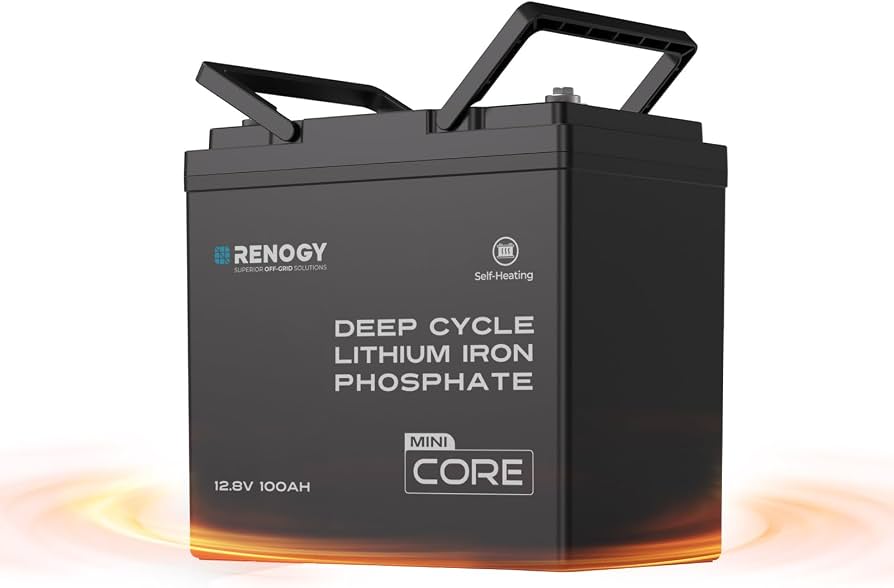
Weekend warriors, moderate solar (300-600W panels).
Renogy 12V 100Ah LiFePO4 Battery Affordable safety with robust BMS, IP65 rating, 4,000+ cycles.
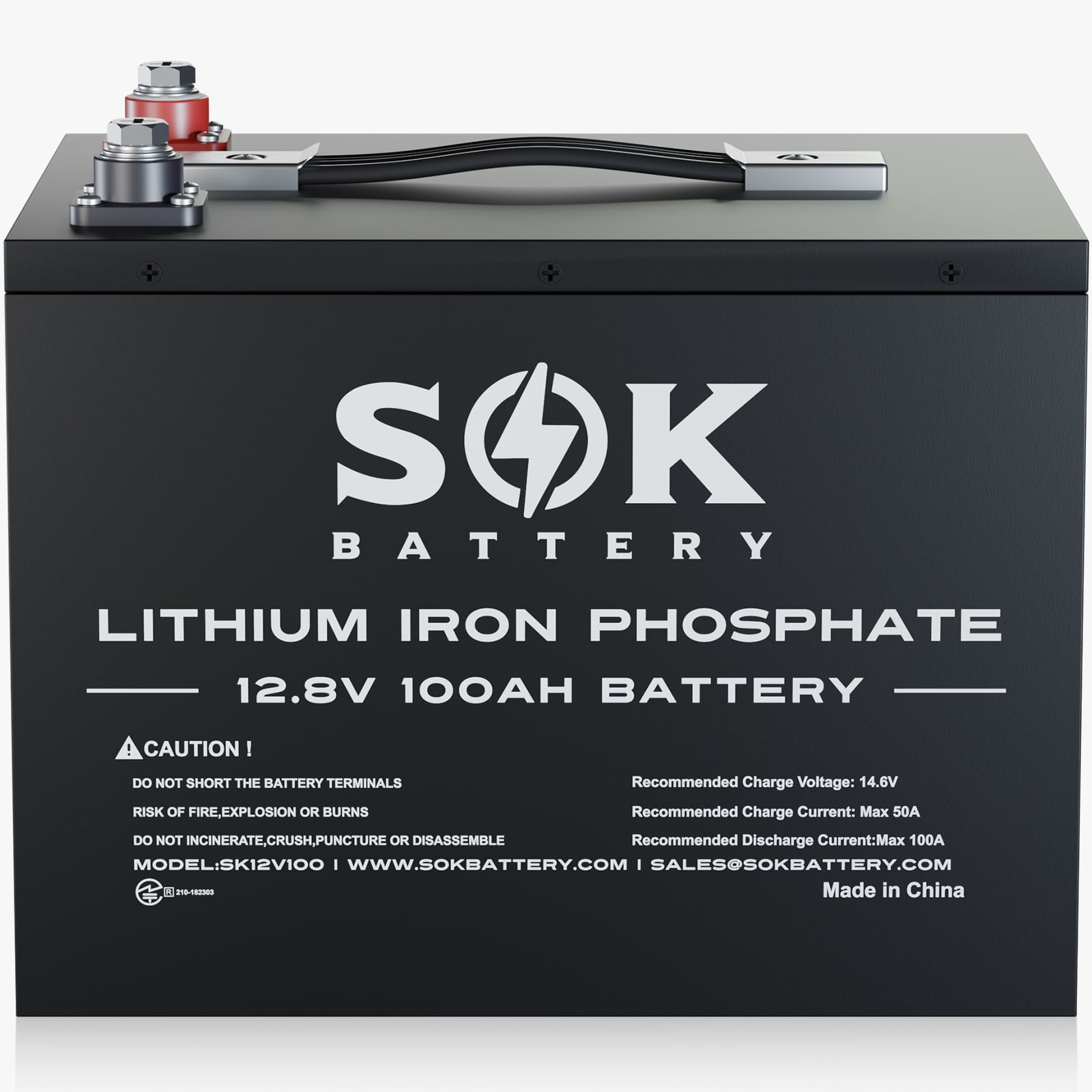
Budget builds with reliable safety in varied climates.
SOK SK12V100 12V 100Ah LiFePO4 Battery Excellent value, automotive-grade cells, self-heating BMS for cold weather.
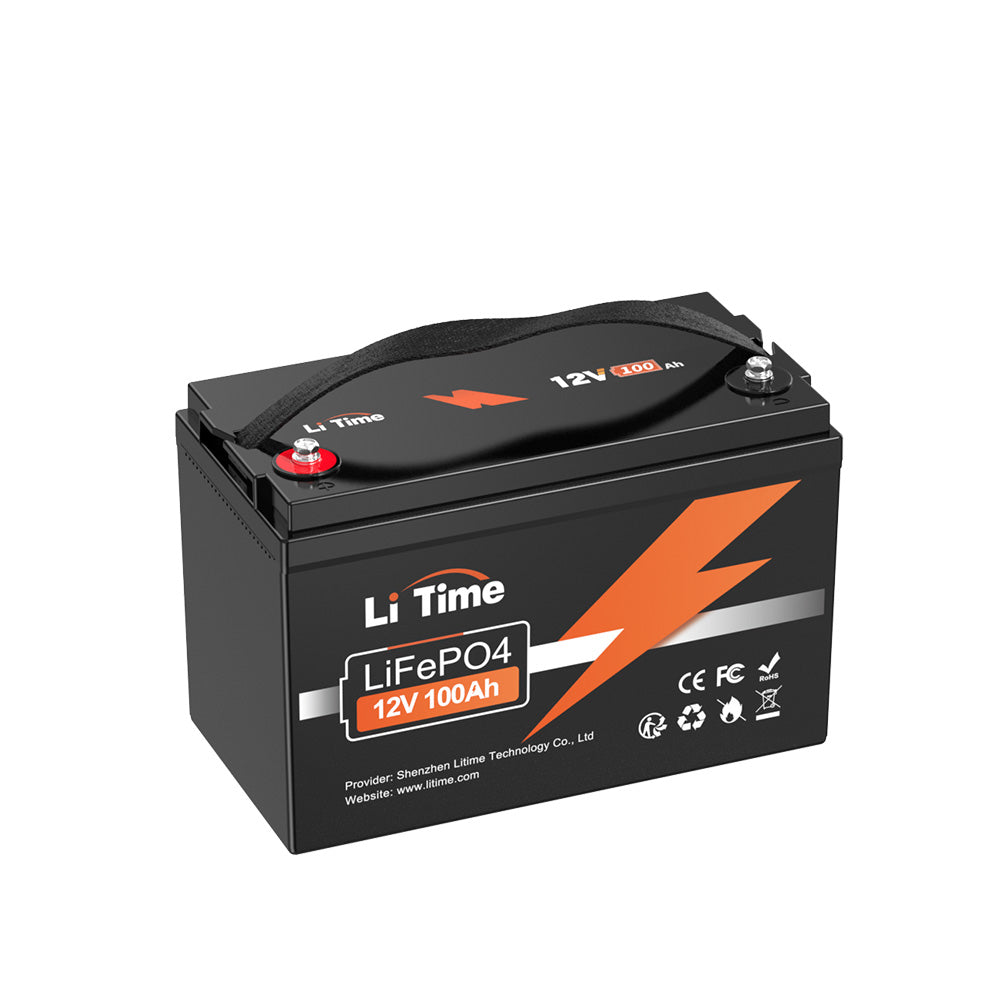
Light-duty solar setups under 400W.
LiTime 12V 100Ah LiFePO4 Battery Budget-friendly with 4,000 cycles, low-temp protection, good for starters.