
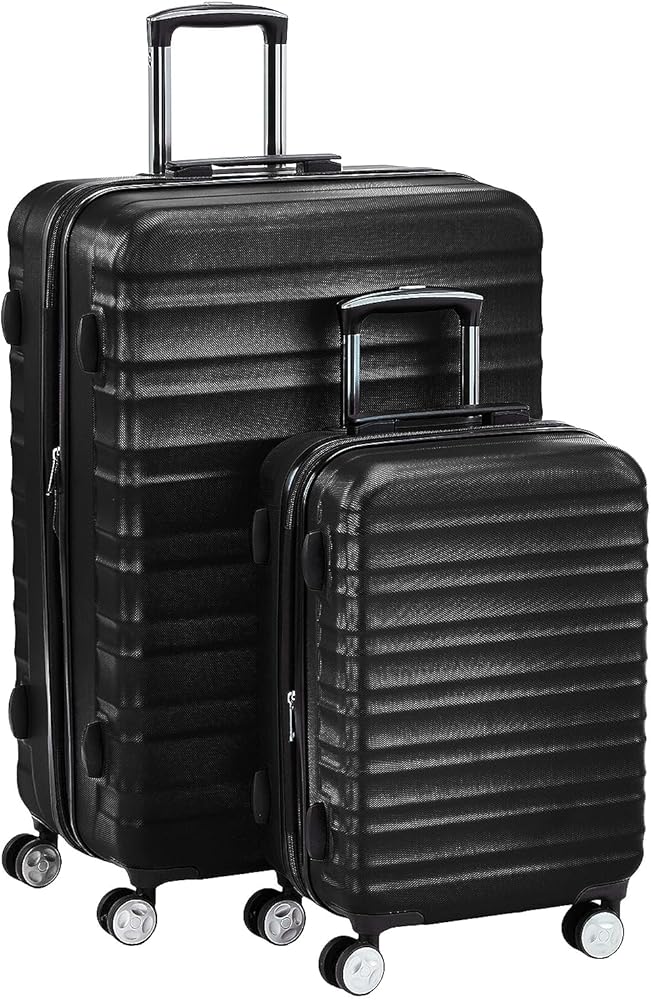
Amazon Basics 41-Inch Acoustic Guitar Gig Bag
Everyday local transport for intermediate players.
$29.99
Amazon Basics 41-Inch Acoustic Guitar Gig Bag Affordable with all essential parts: thick padding, multiple pockets, padded straps.
Get the App
Better experience on mobile
Learn the key components of an acoustic guitar bag to select one that offers optimal protection, storage, and portability for your instrument.
Protecting your acoustic guitar during transport is crucial to prevent damage from bumps, drops, or weather. A quality gig bag isn't just a simple sack—it's engineered with specific parts designed for safety and convenience. Without understanding these components, you might end up with a bag that leaves your guitar vulnerable or lacks practical features.
In this guide, you'll explore every essential part of an acoustic guitar bag, from exterior protection to interior padding. We'll break it down step-by-step, explaining what each part does, why it matters, and what to look for. This intermediate-level explainer takes just 10-15 minutes to read and will empower you to make informed purchases.
Expect clear diagrams (described for visualization), real-world tips, and product recommendations to apply what you learn immediately.
Estimated Time: 10-15 minutes Difficulty: intermediate
The outer shell is the durable exterior fabric or material that forms the bag's main body, typically made from water-resistant nylon, polyester, or ballistic cloth. It shields your guitar from rain, dust, and minor impacts. Thickness and weave density determine its toughness—look for at least 600D (denier) for intermediate use.
Why it matters: This is your first line of defense. A weak shell leads to tears or water damage. Expect a rugged, matte finish with reinforced edges.
Image description: Close-up of a black nylon outer shell with water beads rolling off, showing thickness and stitching.
💡 Tips:
⚠️ Warnings:
Inside the shell lies the padding, usually 10-20mm thick foam or EVA sheets, covered by a soft fleece or velvet lining. This cushions the guitar body from shocks. Dual-layer padding is common for better protection.
Why it matters: Without adequate padding, vibrations or drops can crack the guitar's top. You'll feel the plush interior when inserting your guitar.
Image description: Cross-section view revealing foam padding layers between outer shell and soft pink lining.
💡 Tips:
A contoured foam block or pillow cradles the guitar neck, preventing it from shifting. Often adjustable or shaped for acoustic headstocks.
Why it matters: Secures the fragile neck joint. Loose necks can cause misalignment during carry.
Image description: Interior shot of a yellow foam neck pillow hugging a guitar neck.
Multiple handles—top (suitcase-style), side, and sometimes bottom—made from padded webbing. Ergonomic designs reduce hand strain.
Why it matters: Essential for quick grabs. Poor handles dig into palms on long walks.
Image description: Multiple padded handles in blue and black on bag sides.
💡 Tips:
Adjustable, padded backpack or single shoulder straps with quick-release buckles. Padded versions distribute weight evenly.
Why it matters: Hands-free transport for gigs. Unpadded straps cause shoulder pain.
Image description: Backpack-style straps with sliders and clips extended.
External and internal pockets for tuners, picks, strings, and sheet music. Zippered front pockets are standard; some have dedicated capo slots.
Why it matters: Organizes accessories, preventing rattles inside. Look for magnetic closures for speed.
Image description: Open bag showing mesh internal pocket and large front zippered pouch.
⚠️ Warnings:
Heavy-duty zippers (often YKK brand) with lockable pulls encircle the bag. Some feature rain flaps or Velcro backups.
Why it matters: Ensures secure closure. Cheap zippers jam or break.
Image description: Large zipper halfway open around guitar-shaped bag.
Features like endpin jacks, bridge guards, or rain covers protect specific vulnerabilities.
Why it matters: Targeted defense for acoustics. Essential for rainy climates.
Image description: Close-up of rubberized endpin protector inside bag.
💡 Tips:
Problem: Zipper jams or breaks
Solution: Lubricate with graphite pencil or replace with YKK-compatible. Avoid forcing.
Problem: Straps slip off shoulders
Solution: Tighten adjusters and check buckle locks. Add non-slip pads if needed.
Problem: Insufficient padding revealed after purchase
Solution: Return for thicker model or add DIY foam inserts. Seek pro advice for custom fits.
Affordable with all essential parts: thick padding, multiple pockets, padded straps.
Best for: Everyday local transport for intermediate players.
Price Range: $29.99
Premium padding (20mm), neck block, and rain cover exemplify quality parts.
Best for: Gigging musicians needing rugged protection.
Price Range: $49.99-$59.99
Well-organized pockets and ergonomic handles highlight practical components.
Best for: Budget-conscious players focused on storage.
Price Range: $24.99
Backpack straps and multiple compartments make parts highly functional.
Best for: Students commuting to lessons.
Price Range: $25.99
Everyday local transport for intermediate players.
Amazon Basics 41-Inch Acoustic Guitar Gig Bag Affordable with all essential parts: thick padding, multiple pockets, padded straps.
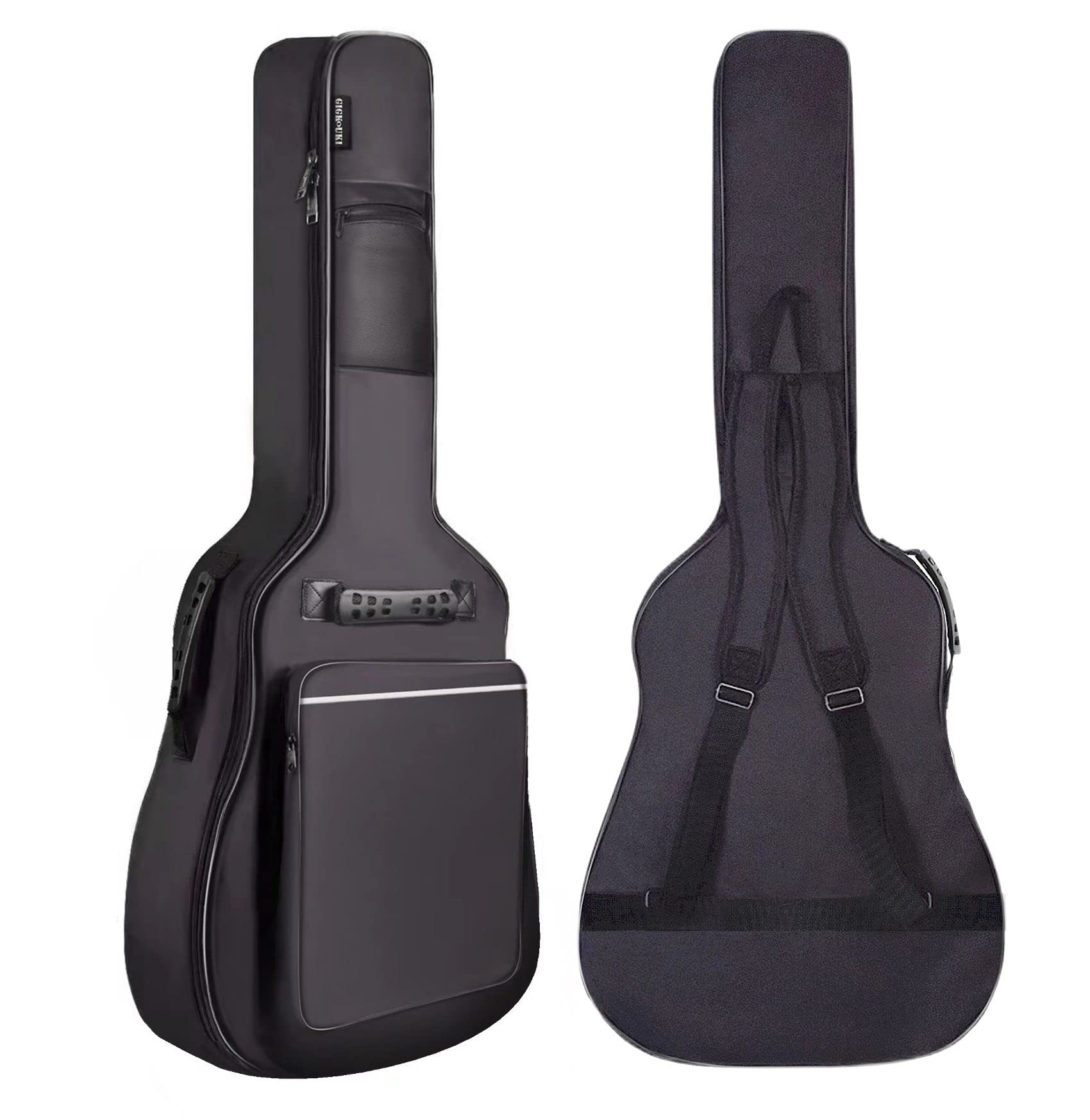
Gigging musicians needing rugged protection.
Gator Frameworks G-PG Acoustic Guitar Gig Bag Premium padding (20mm), neck block, and rain cover exemplify quality parts.
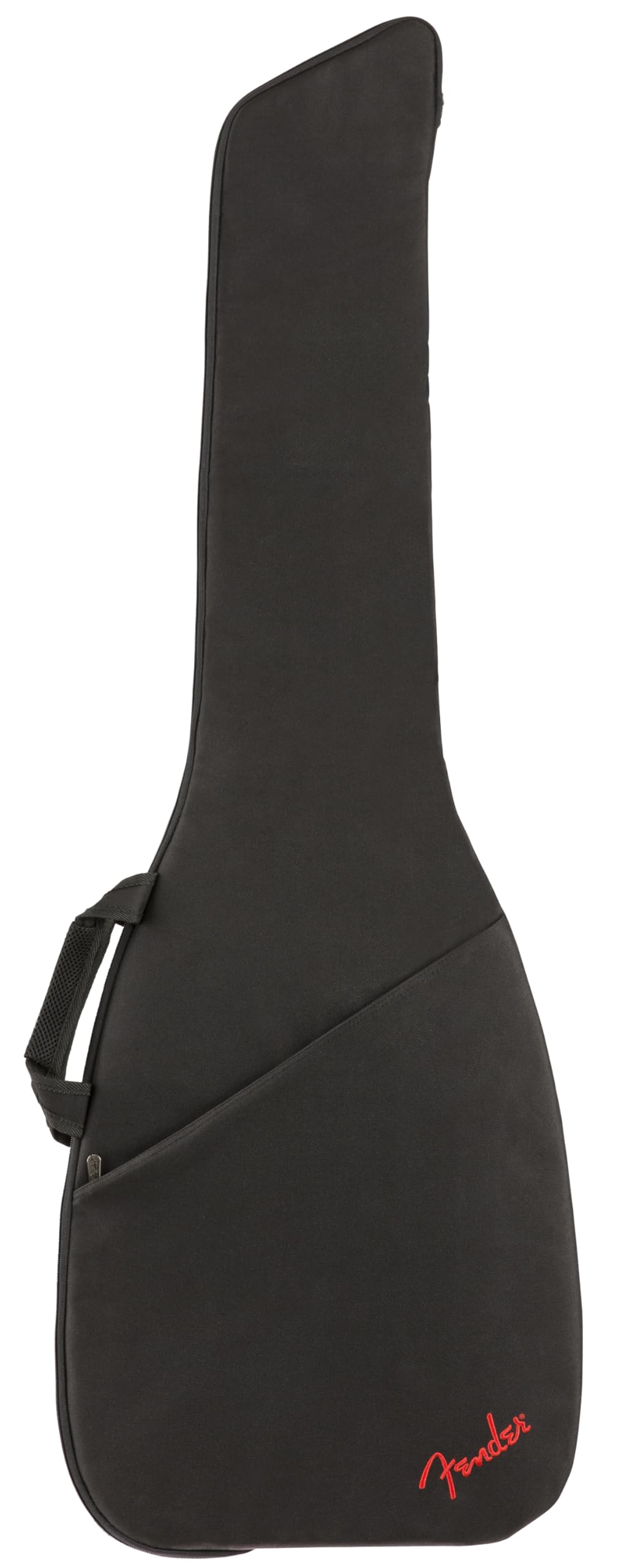
Budget-conscious players focused on storage.
Fender FB405 Acoustic Guitar Gig Bag Well-organized pockets and ergonomic handles highlight practical components.

Students commuting to lessons.
CAHAYA 41" Acoustic Guitar Gig Bag Backpack straps and multiple compartments make parts highly functional.