In the world of antiques and collectibles, few items captivate like antique pocket watches—elegant timepieces that blend artistry, engineering, and history. For advanced collectors, understanding what makes a pocket watch 'valuable' isn't just about aesthetics; it's about recognizing pieces that fetch auction prices in the millions due to their rarity and craftsmanship. Whether you're eyeing a potential acquisition or simply deepening your knowledge, this guide demystifies the market's crown jewels.
You'll learn the core elements that determine value, from maker prestige to mechanical complexities, and explore standout examples that have set records. We'll break it down step by step, building from foundational concepts to specific high-value watches. Expect to invest 10-15 minutes reading, with concepts suitable for those already familiar with horology basics—no beginner fluff here.
By the end, you'll be equipped to spot investment-grade pieces and avoid overpaying for imitations, empowering smarter decisions in auctions or private sales.
▸What You'll Need
- •Prerequisite knowledge: Basic understanding of watch movements (e.g., mechanical vs. quartz) and historical eras (e.g., Victorian, Edwardian)
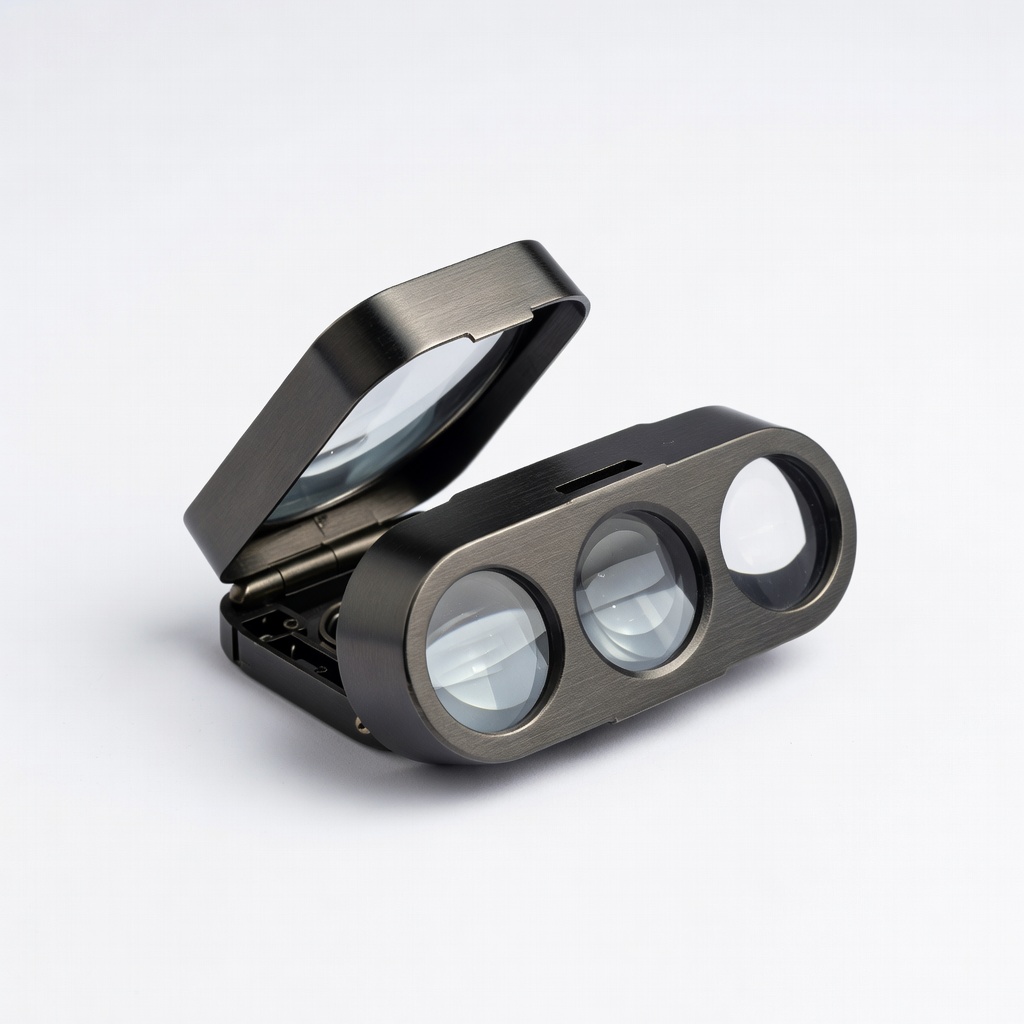
- •Magnifying loupe or jeweler's eyepiece for close inspection (optional but recommended for hands-on evaluation)
- •Access to auction records or databases like Christie's or Sotheby's archives (online, free basic access)
Estimated Time: 10-15 minutes
Difficulty: advanced
▸Step-by-Step Instructions
Step 1: Understand What Defines an Antique Pocket Watch
Antique pocket watches are typically those made before 1920, though some extend to the 1940s depending on the maker. These aren't just timekeepers; they're mechanical marvels often featuring hand-engraved cases, intricate dials, and complications like chronographs or perpetual calendars. Value starts with authenticity—verified through hallmarks, serial numbers, and original components.
Why it matters: In a market flooded with reproductions, distinguishing genuine antiques separates a $500 curiosity from a $50,000 heirloom. Expect variations in size (hunter vs. open-face) and materials (silver, gold, enamel), each influencing desirability.
For advanced collectors, focus on the 'soul' of the watch: its historical context, like a piece owned by royalty or used in pivotal events, which can multiply value exponentially.
💡 Tips:
- •Cross-reference serial numbers with maker-specific databases for quick verification.
- •Study era-specific styles, like Art Deco influences in early 20th-century pieces.
⚠️ Warnings:
- •Avoid assuming 'old' equals 'valuable'—post-WWII watches rarely qualify as antiques.
Step 2: Evaluate Key Factors Driving Value
Value hinges on several interconnected factors. First, the maker: Prestigious houses like Patek Philippe or Breguet command premiums due to their innovation and reputation. Age and rarity follow—pre-1800 verge escapement watches are scarcer than later lever movements.
Condition is paramount: Original parts, minimal wear, and working order can double value. Provenance adds narrative value, such as a watch linked to Abraham Lincoln. Complications (e.g., minute repeaters that chime the time) elevate status, as they showcase horological genius.
Analogize it to fine wine: Just as vintage Bordeaux appreciates with scarcity and pedigree, a pocket watch's worth compounds with flawless preservation and documented history. Expect values from $10,000 for common rares to over $10 million for unicorns.
💡 Tips:
- •Use a 10x loupe to check for authentic hallmarks without damaging the piece.
- •Factor in market trends—enamel dials are surging in popularity.
⚠️ Warnings:
- •Over-restoration can strip originality, slashing value by 30-50%.
Step 3: Explore Materials and Craftsmanship
High-value watches often feature precious metals like 18k gold or platinum cases, sometimes with guilloché engraving or painted enamels depicting scenes from mythology. Movements are hand-finished, with blued screws and Geneva stripes denoting superior workmanship.
Why it matters: Craftsmanship reflects the artisan's skill—think of a master watchmaker like Abraham-Louis Breguet, whose souscription watches used innovative anti-shock mechanisms. Expect to see variations like duplex escapements in ultra-rare pieces.
For analogy, compare to a Stradivarius violin: The materials and handiwork create timeless appeal, making these watches not just functional but sculptural art. Values soar when both case and movement exhibit untouched patina.
💡 Tips:
- •Inspect dial translucency for genuine enamel—fakes often crack under magnification.
- •Prioritize watches with original winding keys for completeness.
⚠️ Warnings:
- •Beware of gold-plated fakes; test with a magnet or acid kit if unsure.
Step 4: Identify Top Makers of Valuable Pieces
Leading makers include Patek Philippe (Swiss precision since 1839), Vacheron Constantin (oldest continuous watchmaker, 1755), and Breguet (inventor of the tourbillon in 1801). British firms like Dent or French ones like LeRoy also shine for royal commissions.
These brands matter because their output was limited, often bespoke. For instance, Patek's caliber 89 complications are engineering feats with 33 functions. Expect auction hype around their pieces, driving values.
Think of it as blue-chip stocks: Investing in these makers historically yields returns, with average annual appreciation of 8-12% for well-chosen antiques.
💡 Tips:
- •Track maker-specific auctions on sites like Phillips for current pricing trends.
- •Focus on transitional periods, like Patek's shift from key-wound to stem-wind.
⚠️ Warnings:
- •Not all output from top makers is valuable—mass-produced lines lag behind limited editions.
Step 5: Examine Record-Breaking Examples
The pinnacle is Patek Philippe's Supercomplication, commissioned by Henry Graves Jr. in 1933, with 24 complications including a celestial chart; it sold for $24 million in 2014. Another is Breguet's No. 160 'Marie-Antoinette,' a 1783 masterpiece with automaton, fetching $30 million rumors in private sales.
Why these stand out: They embody peak innovation and history— the Graves watch took three years to build. Other notables include Vacheron Constantin's 1903 skeletonized tourbillon ($2.5 million) and an 1814 Dent chronometer for Captain Cook's voyages.
Analogous to the Mona Lisa in art, these are one-of-a-kind icons. For collectors, owning a fraction of this legacy (e.g., a similar-era Patek) starts at $100,000+.
💡 Tips:
- •Study provenance documents meticulously—these can authenticate and boost value.
- •Attend virtual auctions to gauge bidding dynamics on similar pieces.
⚠️ Warnings:
- •High-profile sales inflate expectations; most valuables top out under $1 million.
Step 6: Assess Market Trends and Investment Potential
Current trends favor complicated, pre-1900 Swiss pieces, with Asian demand pushing prices up 15% yearly. Provenance trumps condition in some cases, like watches from Titanic survivors.
It matters for advanced collectors: Diversify with 2-3 high-value pieces alongside affordable lots. Expect volatility—post-pandemic, values dipped then rebounded.
Like real estate, location (auctions in Geneva vs. London) affects pricing. Long-term, these watches hedge inflation better than stocks, with 10%+ ROI over decades.
💡 Tips:
- •Subscribe to newsletters from Antiquorum for trend alerts.
- •Insure based on appraised value, not purchase price.
⚠️ Warnings:
- •Avoid hype-driven buys; consult experts before six-figure investments.
▸Pro Tips
- •Always document your collection with high-res photos and certificates to enhance resale value.
- •Network at horology events like the Geneva Watch Days for insider tips on emerging valuables.
- •Use UV light to detect repairs—original parts fluoresce differently than modern substitutes.
- •Store watches in humidity-controlled cases to preserve enamel and gilding.
- •Compare comps from multiple auction houses for accurate valuation.
- •Focus on under-the-radar makers like American Waltham for value buys under $5,000.
- •Pair collecting with study—read original patents for deeper appreciation of mechanisms.
▸Common Mistakes to Avoid
- •Overvaluing based on age alone: Many 19th-century watches are common and worth under $1,000; prioritize rarity instead.
- •Ignoring movement condition: A pristine case with a faulty mechanism loses 70% of value—always test functionality.
- •Skipping provenance checks: Without history, even rare pieces sell at 50% discount; forge documents are rampant.
- •Buying unrestored 'sleepers': Restoration costs can exceed the watch's worth if not done by certified experts.
- •Chasing trends blindly: Enamel watches are hot now, but diversify to avoid market crashes.
▸Troubleshooting
Problem: Suspected fake hallmarks or engravings
Solution: Consult a certified appraiser from the NAWCC (National Association of Watch & Clock Collectors); use XRF testing for metal composition if needed.
Problem: Watch not winding or keeping time
Solution: Avoid DIY fixes—send to a specialist restorer; common in antiques due to dried lubricants, costing $200-500.
Problem: Overpaying at auction due to bidding wars
Solution: Set a pre-auction max based on recent comps; use absentee bids to stay disciplined. Seek professional help for valuations over $10,000.
BelOMO 10x Triplet Loupe Magnifier
Essential for advanced inspection of engravings, hallmarks, and movement details without damaging delicate antiques.
Best for: Use during evaluation of potential purchases to spot fakes or wear; ideal for collectors handling multiple pieces.
Price Range: $15-20
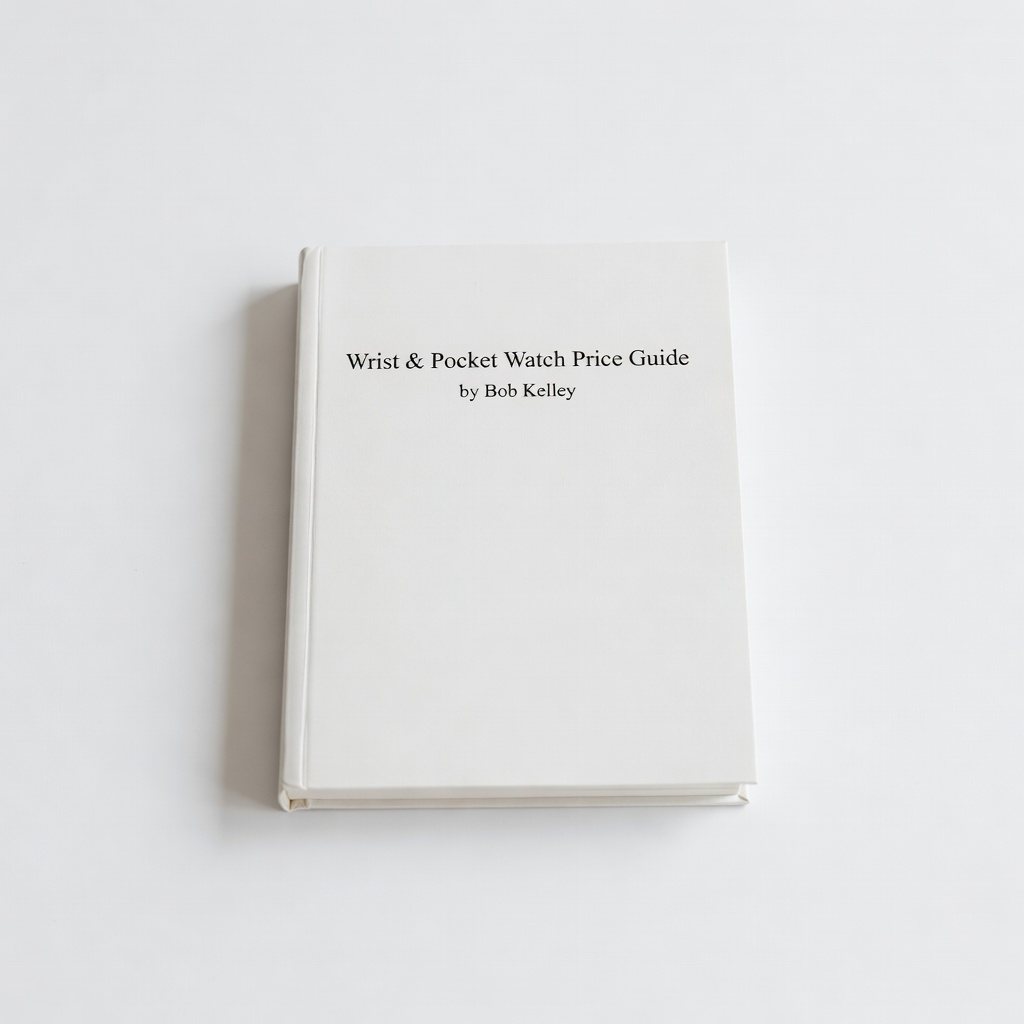
Wrist & Pocket Watch Price Guide by Bob Kelley
Comprehensive reference with values, photos, and maker histories—updated annually for accurate market insights.
Best for: Reference before auctions or appraisals to estimate worth of specific models like Patek or Breguet.
Price Range: $25-30
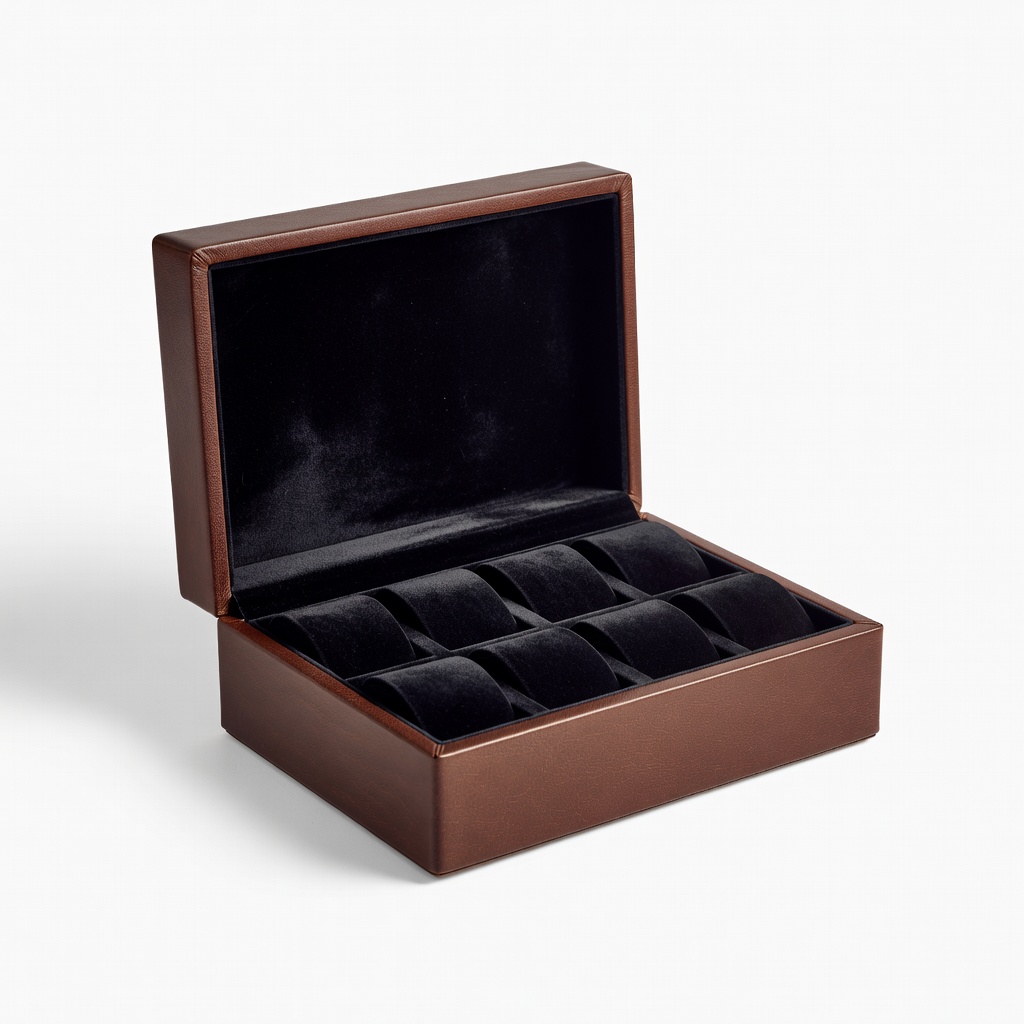
Wolf Heritage Watch Box for 8 Watches
Provides secure, humidity-controlled storage to maintain condition and value of your collection.
Best for: Store antique pocket watches away from dust and light; soft lining prevents scratches on gold cases.
Price Range: $100-150
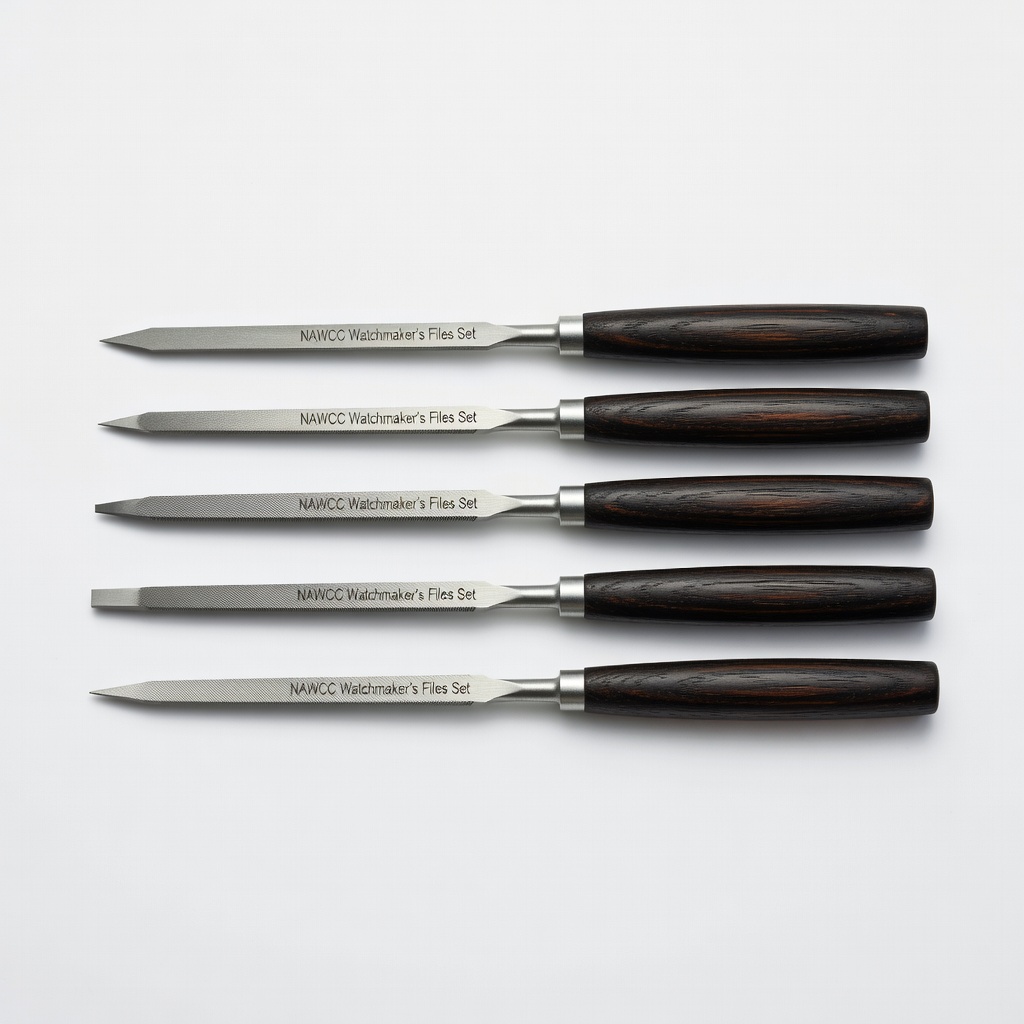
NAWCC Watchmaker's Files Set
Precision tools for minor adjustments or cleaning, helping maintain value without full restoration.
Best for: Advanced users can safely clean pivots or cases; not for beginners to avoid damage.
Price Range: $40-60
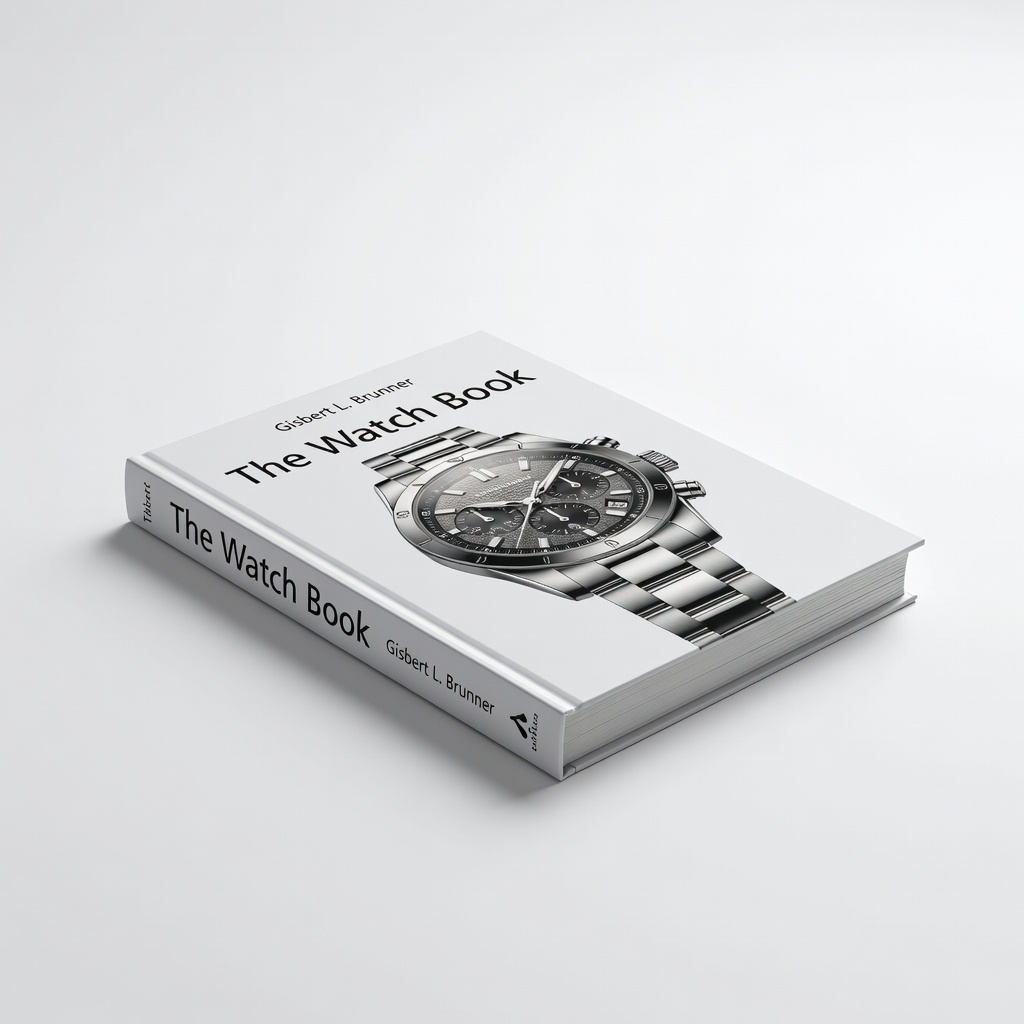
The Watch Book by Gisbert L. Brunner
In-depth encyclopedia on antique watches, including valuation factors and rare examples for educational depth.
Best for: Study complex topics like complications during quiet research sessions to inform buying decisions.
Price Range: $50-70