
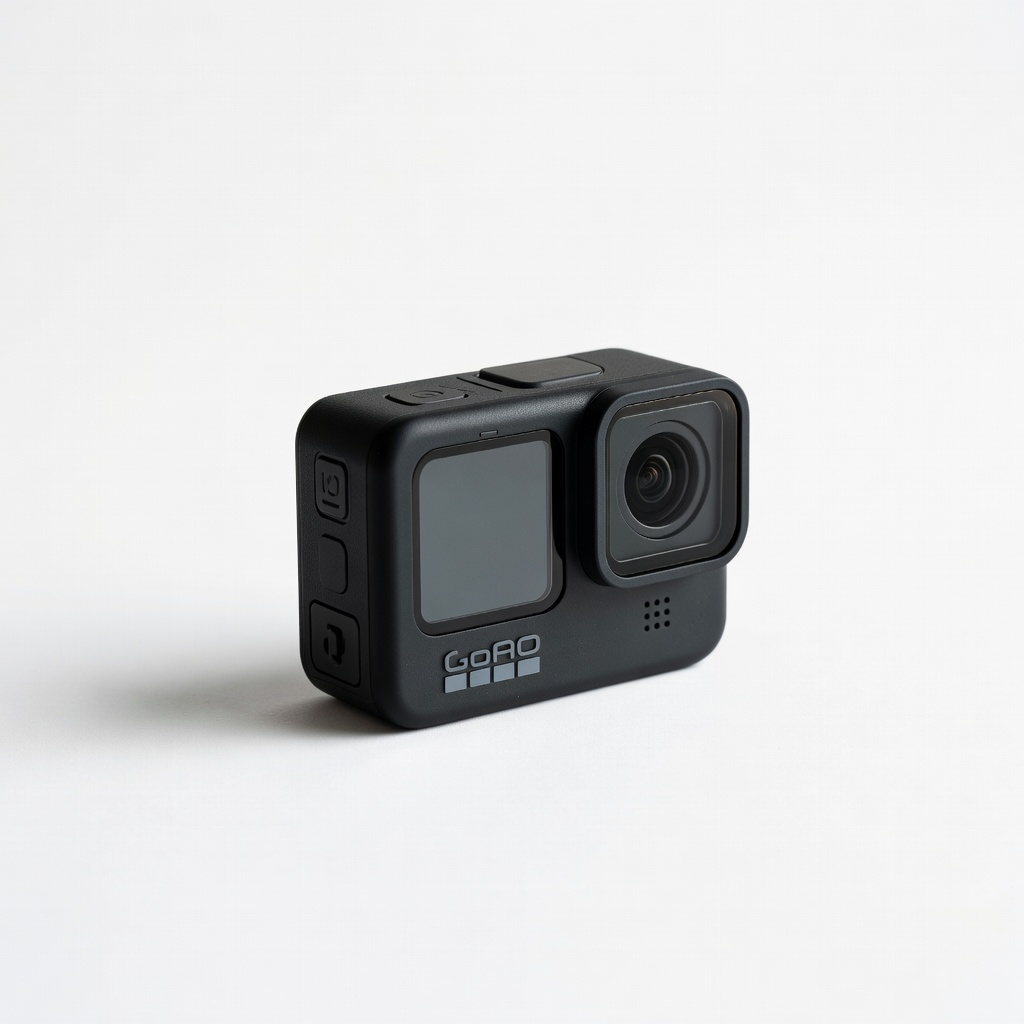
GoPro HERO12 Black
Perfect for hiking or biking where rugged build and long battery (up to 2.5hrs) shine.
$399.99
GoPro HERO12 Black Excels in 5.3K video, HyperSmooth 6.0 stabilization, and 33ft waterproofing, ideal for versatile outdoor use.
Get the App
Better experience on mobile
Learn the essential features that make action cameras ideal for capturing thrilling outdoor adventures, so you can choose the perfect one for your next hike, surf, or bike ride.
Outdoor adventures like hiking rugged trails, surfing massive waves, or biking down steep mountains demand gear that's tough enough to keep up with the action. But capturing those moments requires more than a smartphone—action cameras are designed specifically for this, offering durability and high-performance recording in extreme conditions. Without understanding their key features, you might end up with a device that fogs up in the rain or runs out of battery mid-adventure.
In this guide, you'll explore the core features of action cameras, from waterproofing to stabilization, explained with real-world examples and analogies to make complex tech simple. Whether you're upgrading from a basic cam or diving deeper into videography, this explainer breaks it down step by step. Expect to spend 10-15 minutes reading, with intermediate-level details assuming some familiarity with cameras—no prior expertise required.
By the end, you'll know exactly what to look for when shopping, empowering you to document your exploits without missing a beat.
Estimated Time: 10-15 minutes Difficulty: intermediate
Action cameras are built like tanks to withstand drops, bumps, and harsh environments—think of them as the indestructible sidekick in an adventure movie. Key materials include reinforced polycarbonate or aluminum housings that can handle impacts up to 6-10 feet without shattering. This feature matters because outdoor adventures often involve rough handling, like getting tossed in a backpack or clipped to a helmet during a fall.
For example, during a mountain biking trip, a durable camera won't crack if it hits rocks, ensuring your footage survives the journey. Manufacturers rate them with standards like MIL-STD-810G for shock resistance, meaning they've been tested in simulated extreme conditions.
What to expect: Look for cameras with a 'rugged' certification; this isn't just marketing—it's what separates toy-like cams from pro gear. Without it, your device could fail at the worst moment, like mid-rapids kayaking.
💡 Tips:
⚠️ Warnings:
Waterproofing lets action cameras dive into the action—literally—without needing extra housings for shallow submersion. Most are IPX-rated (e.g., IPX8), meaning they can handle continuous immersion up to 10-60 meters deep, perfect for snorkeling or surfing.
Imagine surfing in Hawaii: a waterproof camera captures crystal-clear underwater waves without fogging or leaking, unlike regular cameras that require bulky cases. This feature uses sealed ports and hydrophobic coatings to repel water, keeping internals dry.
Why it matters: Outdoor adventures often involve water crossings or rain, and poor waterproofing leads to ruined footage or hardware. Expect models to specify 'no case needed' for depths up to 10m, with optional dives deeper using add-ons.
💡 Tips:
⚠️ Warnings:
High-resolution video (4K or 5.3K) and frame rates (up to 120fps) allow smooth, detailed footage that captures fast action without blur. Resolution is like the pixels in a photo—higher means sharper images—while frame rates create slow-motion effects, turning a quick ski jump into epic replay.
For a trail run, 4K at 60fps records crisp details of flying dust and sweat, making edits pop on social media. Analogous to a high-speed camera in sports broadcasting, this feature ensures your adventures look professional.
Expect trade-offs: Higher settings drain battery faster, so balance with your needs. This is crucial for intermediates wanting cinematic quality without post-production headaches.
💡 Tips:
⚠️ Warnings:
Electronic or mechanical stabilization (like HyperSmooth or RockSteady) smooths out shaky footage, acting like a built-in gimbal to keep horizons level during bumpy rides. It uses gyroscopes and algorithms to counteract vibrations, essential for handheld or helmet-mounted shots.
Picture hiking a windy ridge: without stabilization, your video looks like a earthquake; with it, it's steady and immersive. This tech processes frames in real-time, reducing nausea-inducing shakes by up to 90%.
For outdoor use, advanced modes like 'horizon lock' maintain level views even if the camera flips. It matters for clean, watchable content that doesn't require heavy editing.
💡 Tips:
⚠️ Warnings:
Batteries lasting 1-2 hours at 4K (with swappable options) keep you filming without interruptions. Power management features like auto-sleep or efficiency modes extend runtime, vital for all-day adventures.
On a full-day hike, a camera with quick-swap batteries means no missed sunset shots, unlike fixed-battery models that die mid-journey. Think of it as a reliable fuel tank for your visual engine.
Expect 90-120 minutes per charge; extras like solar chargers are game-changers for remote trips. This feature prevents frustration from dead devices in the wild.
💡 Tips:
⚠️ Warnings:
Versatile mounts (helmet, chest, handlebar) and ecosystems of accessories let you attach the camera anywhere, turning it into a third eye for POV shots. Quick-release systems make swaps easy.
For biking, a handlebar mount captures speed and scenery hands-free; it's like having a drone on your bike without the hassle. Compatibility with third-party gear expands possibilities.
This feature enhances creativity, ensuring stable, unique angles. Expect magnetic or screw mounts for security during motion.
💡 Tips:
⚠️ Warnings:
Ultra-wide lenses (120-170° FOV) capture immersive scenes, like entire landscapes in one frame, with adjustable distortion for natural looks. It's like a fish-eye view without the weird warp.
During a paraglide, wide FOV shows the vast sky and ground below, drawing viewers in. Modular lenses allow swaps for zoom or macro.
Why key: Narrow views miss context in adventures; wide ones tell the full story. Expect digital zoom as a backup to optical.
💡 Tips:
⚠️ Warnings:
Wi-Fi, Bluetooth, and apps for live streaming, remote control, or quick edits make sharing seamless. GPS tags location data for adventure maps.
Post-surf, transfer footage to your phone via app for instant uploads— no cables needed. Like a smartwatch for video, it integrates with ecosystems.
This boosts workflow for intermediates, turning raw clips into stories fast. Expect voice controls for hands-free operation.
💡 Tips:
⚠️ Warnings:
Problem: Camera fogging in humid conditions
Solution: Use anti-fog inserts or silica packs in the case; acclimate to temperature changes slowly.
Problem: Overheating during long 4K shoots
Solution: Switch to lower res or add a cooling fan accessory; shoot in bursts with breaks.
Problem: Poor audio in windy environments
Solution: Attach a windscreen mic or enable wind reduction in settings; consider external mics.
Problem: Connectivity drops with app
Solution: Restart Bluetooth/Wi-Fi and ensure devices are close; update app and firmware.
Excels in 5.3K video, HyperSmooth 6.0 stabilization, and 33ft waterproofing, ideal for versatile outdoor use.
Best for: Perfect for hiking or biking where rugged build and long battery (up to 2.5hrs) shine.
Price Range: $399.99
Superior low-light performance and RockSteady stabilization, with 18m waterproofing without case.
Best for: Great for dawn patrols or underwater adventures like snorkeling.
Price Range: $299-$399
AI-powered features like auto-editing and 8K video, plus flip touchscreen for vlogging.
Best for: Suited for creative users in skiing or climbing needing wide FOV and easy sharing.
Price Range: $449.99
Budget-friendly with 4K/30fps, dual screens, and waterproof to 40m with case, good entry for intermediates.
Best for: Ideal for casual trail runs or fishing without breaking the bank.
Price Range: $129.99
Perfect for hiking or biking where rugged build and long battery (up to 2.5hrs) shine.
GoPro HERO12 Black Excels in 5.3K video, HyperSmooth 6.0 stabilization, and 33ft waterproofing, ideal for versatile outdoor use.
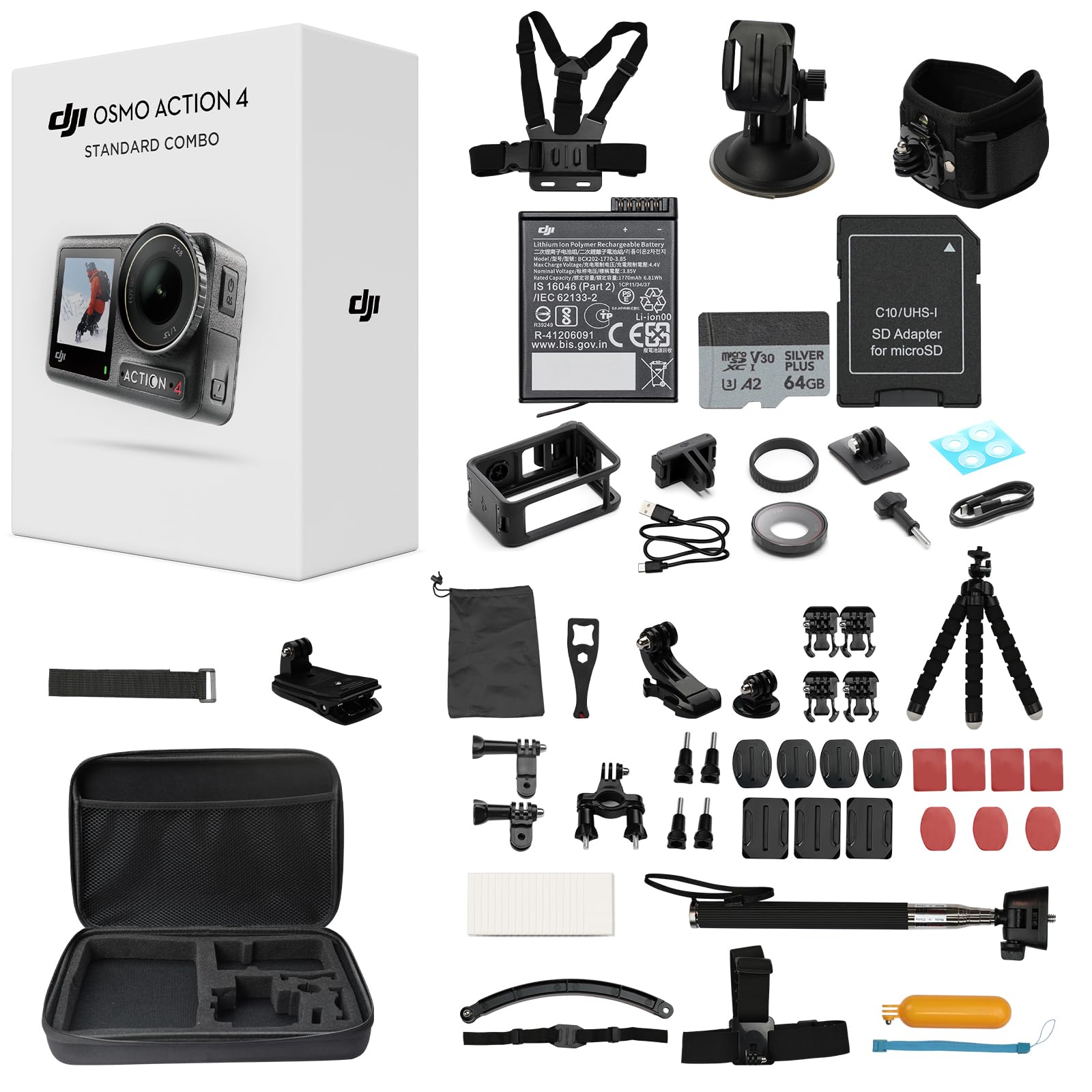
Great for dawn patrols or underwater adventures like snorkeling.
DJI Osmo Action 4 Superior low-light performance and RockSteady stabilization, with 18m waterproofing without case.
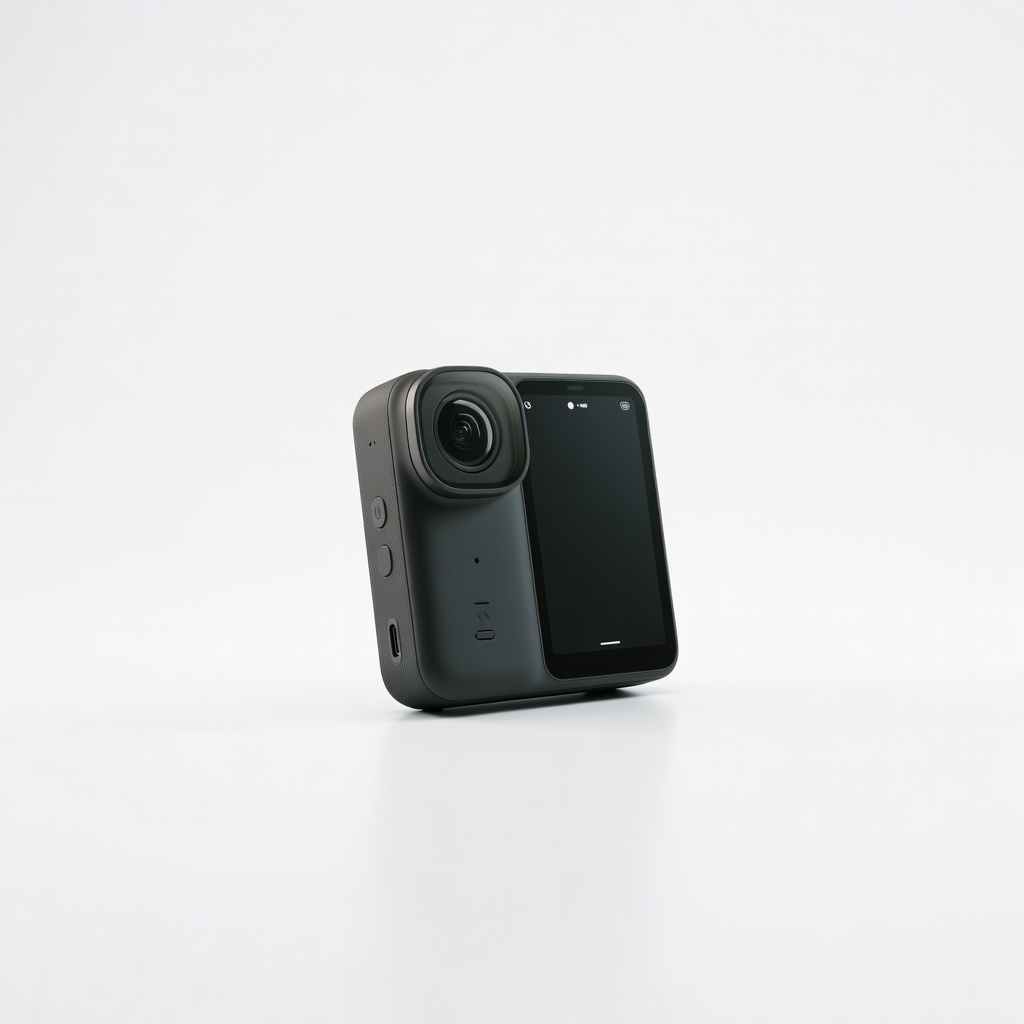
Suited for creative users in skiing or climbing needing wide FOV and easy sharing.
Insta360 Ace Pro AI-powered features like auto-editing and 8K video, plus flip touchscreen for vlogging.

Ideal for casual trail runs or fishing without breaking the bank.
AKASO Brave 7 LE Budget-friendly with 4K/30fps, dual screens, and waterproof to 40m with case, good entry for intermediates.