
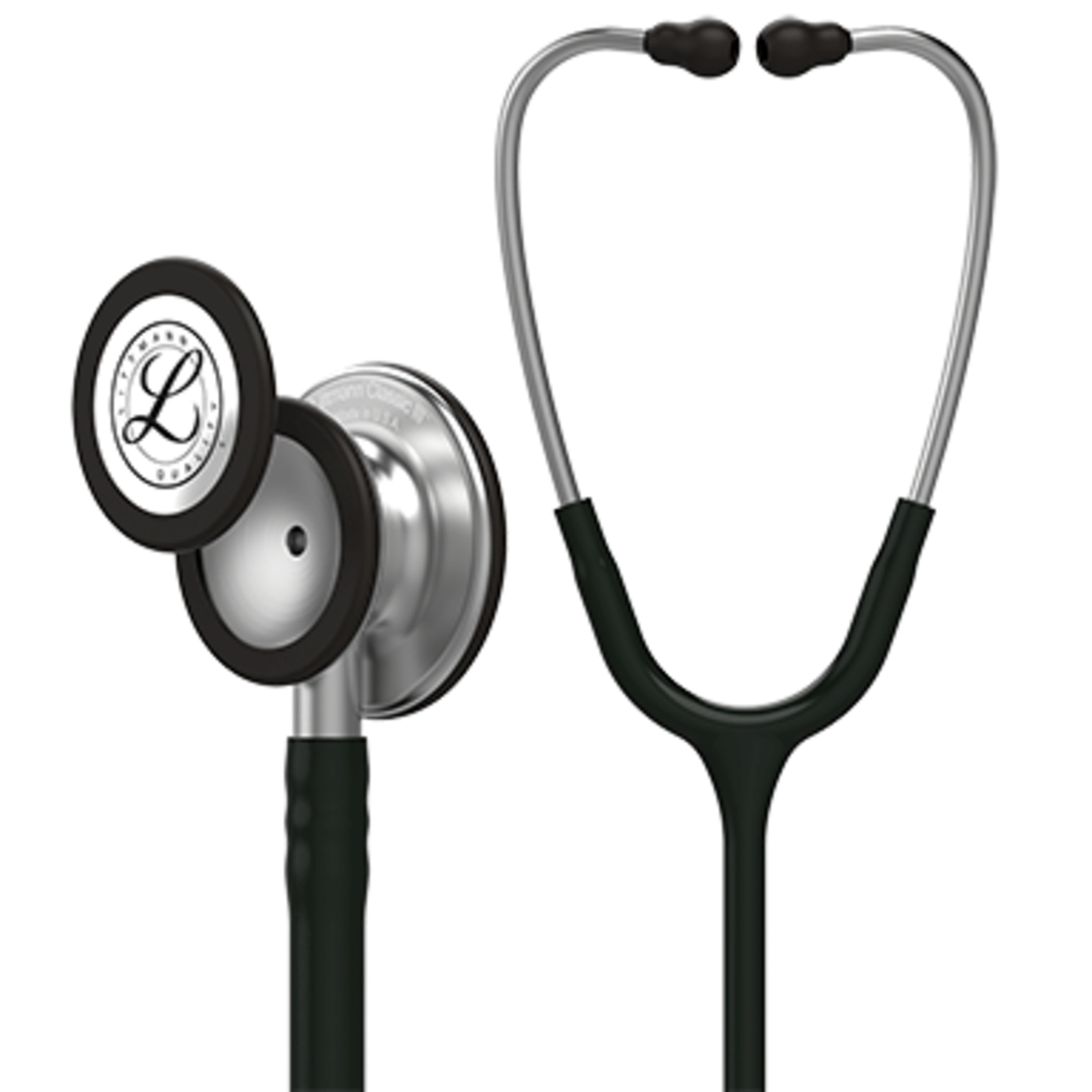
3M Littmann Classic III Stethoscope
Practice patient assessments at home or clinicals.
$80-$100
3M Littmann Classic III Stethoscope Essential for vital checks in MA/respiratory roles; durable, accurate acoustics for beginners.
Get the App
Better experience on mobile
Learn the most in-demand allied health careers, their roles, salaries, education paths, and how beginners can break in.
The healthcare industry is booming, with millions of jobs opening due to aging populations and advances in medical tech. Allied health professions—vital support roles outside doctors and nurses—are exploding in demand, offering stable careers with good pay and shorter training than MDs. If you're a beginner eyeing healthcare without years of med school, this guide is your roadmap.
You'll discover the top 7 professions, why they're hot (backed by BLS data projecting 1M+ openings by 2032), average salaries ($50K-$90K+), and entry steps. No prior knowledge needed—this explainer breaks it down simply, like explaining healthcare's 'unsung heroes.' Expect 20-30 minutes to read and note-take for career planning.
Estimated Time: 20-30 minutes Difficulty: beginner
Allied health includes over 200 occupations that support doctors, nurses, and patients in diagnosis, treatment, and rehab. Think of them as healthcare's backbone: not prescribing meds like physicians, but hands-on pros like imaging techs or therapists.
Why it matters: These roles fill 60% of healthcare workforce needs. Example: A physical therapist assistant helps patients recover mobility post-surgery. BLS data shows 15% growth rate through 2032, far above average jobs.
Expect: Quick 'aha' moment on scope—no jargon overload.
💡 Tips:
Key drivers: Aging Baby Boomers (10K retire daily), chronic diseases (diabetes, heart issues), and tech like telehealth creating hybrid roles. Post-COVID shortages persist.
BLS projects 1.2M openings by 2032. Salaries beat national average ($45K), with perks like flexible shifts. Analogy: Like tech boom needing coders, healthcare needs allied pros.
What to expect: Motivation boost—many roles need associate degrees (2 years), not 8+ for nurses/doctors.
⚠️ Warnings:
PTAs help PTs rehab patients via exercises, ultrasounds. Demand: 25% growth (fastest). Salary: $62K median. Entry: Associate degree + license (2 years).
Day-to-day: Guide stretches, track progress. Hot in outpatient clinics, sports rehab. Why in demand: Post-injury/surgery boom.
Beginner tip: Shadow a PTA for real feel.
💡 Tips:
OTAs aid daily living skills for disabled/injured via crafts, adaptive tools. Growth: 25% (tied for #1). Salary: $65K. Entry: Associate + certification.
Roles in schools, hospitals. Analogy: Like life coaches for physical independence. Demand from mental health, aging.
Expect fulfilling work with kids/elderly.
Operate X-rays, CTs, MRIs for diagnostics. Growth: 6% (steady). Salary: $65K. Entry: Associate + ARRT cert.
High demand in ERs, imaging centers. Safety-focused (radiation protocols). Why now: More scans from preventive care.
Pro: Varied shifts, tech-heavy.
💡 Tips:
Treat breathing issues (asthma, COPD) with ventilators, oxygen. Growth: 13%. Salary: $70K. Entry: Associate + CRT/RRT.
Critical in ICUs, home care. COVID highlighted need. Analogy: Lung specialists sans MD.
Demand: Chronic respiratory diseases rising.
MAs handle admin/clinical (vitals, EKGs); $38K, certificate (1 year). Sonographers do ultrasounds; $78K, certificate/associate.
Both booming (14-16% growth). MAs entry-level gateway; sonographers tech-savvy.
Why key: Clinics need versatile staff.
Timeline: 1-2 years to employed. Job outlook: 80% placement rates.
Final takeaway: Start small, grow fast.
💡 Tips:
⚠️ Warnings:
Problem: Can't afford training?
Solution: Seek scholarships (HOSA.org), employer tuition aid, or FAFSA grants.
Problem: No healthcare experience?
Solution: Volunteer at Red Cross/clinics; CNA cert as entry ($1K, 4 weeks).
Problem: Burnout from research?
Solution: Focus on 2-3 professions matching interests; use BLS.gov filters.
Essential for vital checks in MA/respiratory roles; durable, accurate acoustics for beginners.
Best for: Practice patient assessments at home or clinicals.
Price Range: $80-$100
Visual aid for learning body systems crucial for all allied roles; 300+ cards with quizzes.
Best for: Daily study for PTA/OTA/radiology entrance exams.
Price Range: $25-$35
Simplifies jargon for beginners; workbook format with real allied health examples.
Best for: Prep for any certification or job interviews.
Price Range: $40-$50
Comfortable, professional attire for clinical rotations; stretch fabric for active roles.
Best for: First impressions during shadowing or jobs.
Price Range: $30-$50
Comprehensive practice tests for entry certs; high pass rates reported.
Best for: Focused study for respiratory/MA exams.
Price Range: $20-$30
Practice patient assessments at home or clinicals.
3M Littmann Classic III Stethoscope Essential for vital checks in MA/respiratory roles; durable, accurate acoustics for beginners.
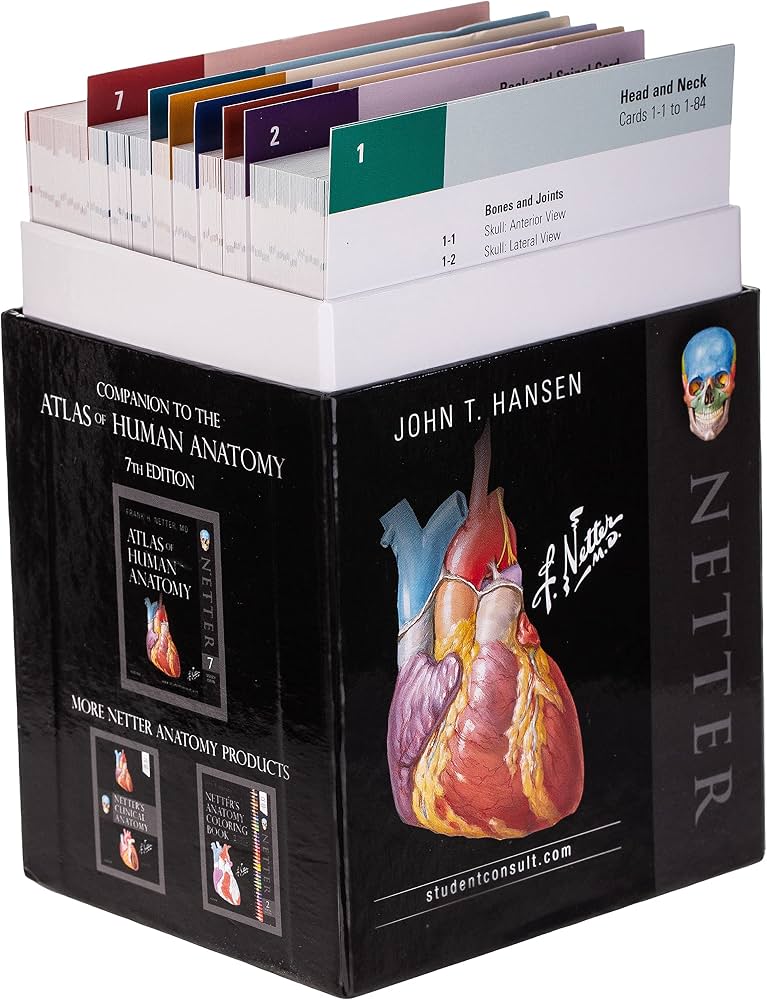
Daily study for PTA/OTA/radiology entrance exams.
Netter's Anatomy Flash Cards Visual aid for learning body systems crucial for all allied roles; 300+ cards with quizzes.
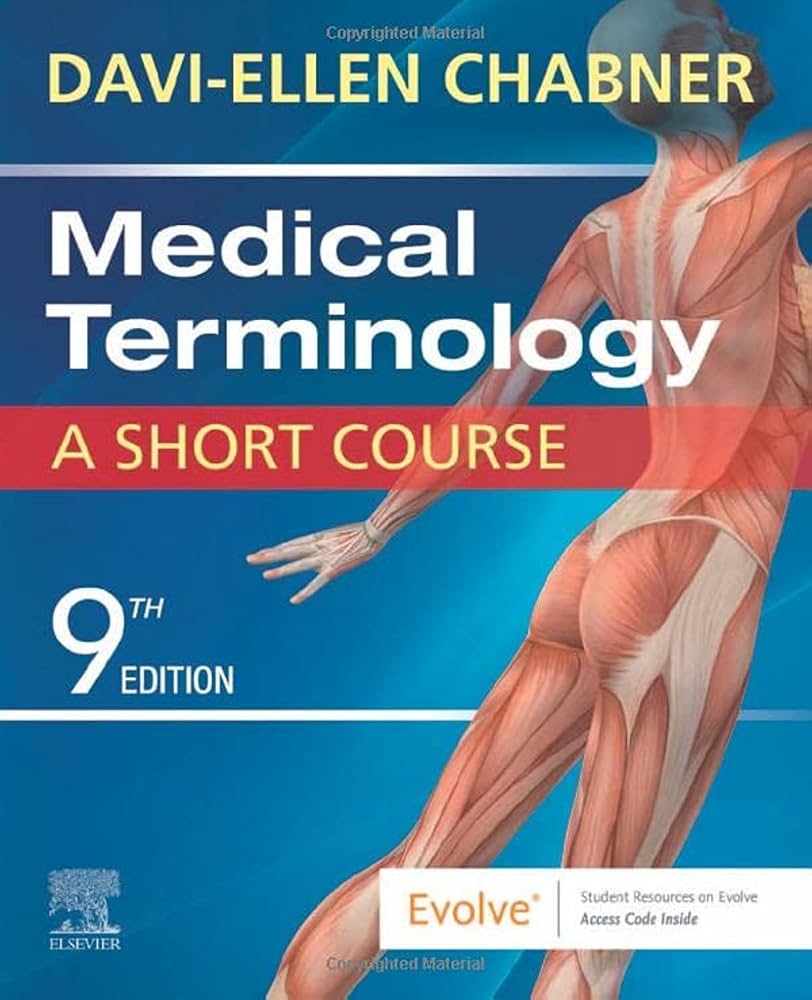
Prep for any certification or job interviews.
Medical Terminology: A Short Course by Davi-Ellen Chabner Simplifies jargon for beginners; workbook format with real allied health examples.
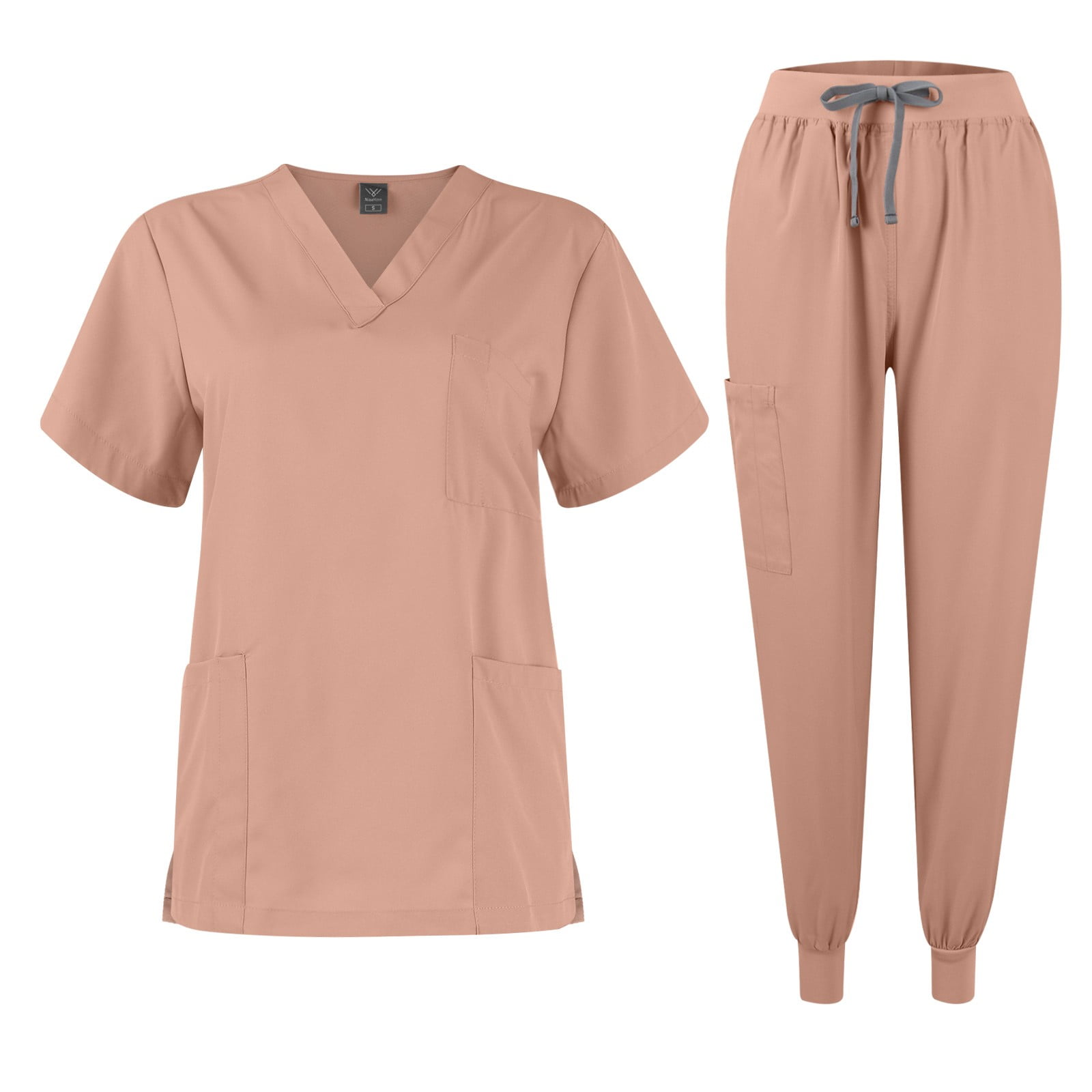
First impressions during shadowing or jobs.
Figleaf Scrubs Set for Medical Professionals Comfortable, professional attire for clinical rotations; stretch fabric for active roles.
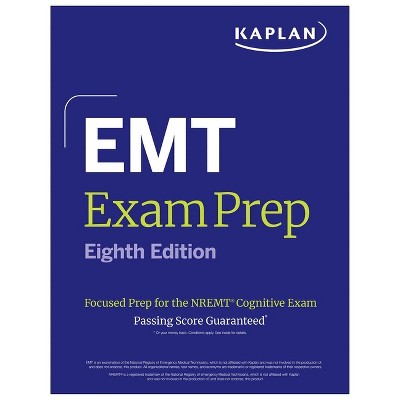
Focused study for respiratory/MA exams.
EMT/ Allied Health Certification Exam Prep Book Comprehensive practice tests for entry certs; high pass rates reported.