In a world full of mixed messages about alcohol, many wonder if there's any upside to that evening glass of wine or beer. While excessive drinking is undeniably harmful, moderate consumption—defined by health experts as up to one drink per day for women and two for men—has been linked to surprising health advantages. This guide cuts through the myths to reveal evidence-based benefits, helping you make informed choices.
You'll learn what moderation really means, the key health benefits supported by research, and practical ways to incorporate alcohol safely into your lifestyle. We'll break down complex topics like antioxidants and cardiovascular effects using simple analogies, so even if you're not a medical expert, you'll grasp the essentials. Expect a straightforward read that empowers you without promoting overindulgence.
This explainer is designed for intermediate readers familiar with basic nutrition concepts. It takes about 10-15 minutes to read and apply the insights—no special skills required, just an open mind and perhaps a drink in hand (responsibly!).
▸What You'll Need
- •Access to reliable health sources (e.g., Mayo Clinic website or NIH studies for verification)
- •Basic understanding of nutrition and portion sizes (prerequisite knowledge)
- •Optional: A journal to note personal moderation goals
- •Optional: Measuring tools like a jigger for precise drink portions
Estimated Time: 10-15 minutes to read and reflect
Difficulty: intermediate
▸Step-by-Step Instructions
Step 1: Define What Moderation Means
Moderation is the cornerstone of any potential health benefits from alcohol. According to the CDC and WHO, it's no more than one standard drink per day for women (about 12 oz beer, 5 oz wine, or 1.5 oz spirits) and two for men. This isn't arbitrary—it's based on how the body metabolizes alcohol, preventing overload on the liver and other organs.
Think of it like fuel for a car: too much clogs the engine, but the right amount keeps it running smoothly. Exceeding this can negate benefits and lead to risks like addiction or liver disease. Understanding this sets the foundation for safe enjoyment.
What to expect: Clarity on your personal limits. Track your intake for a week to see if you're in the zone—most people overestimate what a 'standard' drink is.
💡 Tips:
- •Use apps like MyFitnessPal to log drinks accurately.
- •Consult a doctor for personalized limits, especially if you have health conditions.
⚠️ Warnings:
- •Never drive after drinking; moderation doesn't mean zero risk.
Step 2: Explore Cardiovascular Benefits
One of the most studied perks is heart health. Moderate alcohol, especially red wine, can raise HDL (good) cholesterol and reduce blood clots, lowering heart disease risk by up to 25-40% per some meta-analyses from the American Heart Association.
The analogy? It's like a gentle lubricant for your arteries, preventing rust (plaque buildup). Resveratrol in red wine acts as an antioxidant, fighting inflammation. However, this isn't a license to drink excessively—benefits peak at low doses.
Expect improved circulation if you're consistent, but pair it with a healthy diet. Studies show Mediterranean-style drinkers (wine with meals) fare best.
💡 Tips:
- •Choose red wines with high resveratrol, like Cabernet Sauvignon.
- •Alternate with alcohol-free days to maximize benefits.
⚠️ Warnings:
- •Avoid if you have high blood pressure; alcohol can raise it in some cases.
Step 3: Understand Antioxidant and Anti-Inflammatory Effects
Alcoholic beverages like wine and beer contain polyphenols—plant compounds that act as antioxidants, neutralizing free radicals that damage cells. This can reduce oxidative stress, linked to aging and chronic diseases, similar to eating berries or dark chocolate.
For example, the flavonoids in beer (from hops) may protect against diabetes by improving insulin sensitivity. Research in the Journal of Agricultural and Food Chemistry highlights how these mimic superfoods in small doses.
You'll notice this benefit indirectly through better skin or energy levels, but it's subtle. It's not a cure-all—combine with fruits and veggies for synergy.
💡 Tips:
- •Opt for craft beers with natural hops for more flavonoids.
- •Read labels for added sugars that could counteract benefits.
⚠️ Warnings:
- •Overconsumption increases inflammation, flipping the script.
Step 4: Examine Mental Health and Longevity Links
Moderate drinking correlates with lower stress and better social bonds, potentially reducing depression risk by 20-30% via endorphin release and community. The 'J-curve' effect in longevity studies (e.g., from The Lancet) shows light drinkers outliving teetotalers slightly, possibly due to relaxed blood vessels.
Imagine it as a social lubricant that eases anxiety without the crash of excess. However, causation isn't proven—lifestyle factors play in.
Expect enhanced mood if drinking mindfully, like with friends. Track how it affects your sleep; poor rest can erase gains.
💡 Tips:
- •Pair drinks with non-alcoholic social activities.
- •Limit to evenings to avoid sleep disruption.
⚠️ Warnings:
- •If you have anxiety disorders, alcohol can worsen symptoms long-term.
Step 5: Consider Bone and Gut Health Advantages
Silicon in beer may strengthen bones, reducing osteoporosis risk in older adults, per studies in the American Journal of Clinical Nutrition. Moderate intake also supports gut microbiome diversity, aiding digestion like probiotics.
Analogy: Beer as a mild fertilizer for your internal garden, promoting healthy bacteria. This is less researched but promising for women post-menopause.
What to expect: Subtle improvements in joint comfort or regularity. Always balance with calcium-rich foods.
💡 Tips:
- •Choose light beers for lower calories while getting silicon.
- •Drink with meals to enhance nutrient absorption.
⚠️ Warnings:
- •Excess alcohol weakens bones; stick to moderation.
Step 6: Weigh Risks and Personalize Your Approach
No benefit without caveats—alcohol raises cancer and addiction risks, so assess your health history. Use tools to monitor and adjust.
Like a double-edged sword, the edge depends on the wielder. Guidelines evolve; 2023 WHO updates emphasize minimal intake.
Expect a balanced view: Benefits for some, not all. Consult pros for tailored advice.
💡 Tips:
- •Set drink-free weeks monthly.
- •Hydrate double the alcohol volume with water.
⚠️ Warnings:
- •Pregnant? Zero alcohol. Family history of alcoholism? Abstain.
▸Pro Tips
- •Eat before drinking to slow absorption and enhance benefits.
- •Choose organic or low-sulfite wines to minimize additives.
- •Track intake with a wearable like a Fitbit for overall health integration.
- •Experiment with low-alcohol options (under 5% ABV) for similar perks with less risk.
- •Combine with exercise; studies show active moderate drinkers have amplified heart benefits.
- •Join moderation challenges like Dry January to reset habits.
- •Read recent studies via PubMed for updates—science changes.
▸Common Mistakes to Avoid
- •Misjudging portion sizes: People pour 'generous' servings, exceeding limits—use measured tools to avoid.
- •Ignoring interactions: Mixing with meds or conditions amplifies risks—always check with a doctor.
- •Chasing benefits daily: Over-reliance leads to dependency—include sober days.
- •Focusing only on positives: Forgetting risks like weight gain from calories—balance with diet.
- •Assuming all alcohols are equal: Sugary cocktails offer fewer antioxidants than wine or beer—opt for simples.
▸Troubleshooting
Problem: Feeling hungover even in moderation
Solution: Dehydrate less by alternating water; eat protein-rich snacks. If persistent, reduce intake or see a doctor for underlying issues.
Problem: No noticeable benefits after weeks
Solution: Benefits are long-term; combine with exercise and diet. Track biomarkers via annual checkups for real data.
Problem: Struggling to stick to limits
Solution: Use accountability apps or support groups. If addiction signs appear, seek professional help immediately—no self-diagnosing.
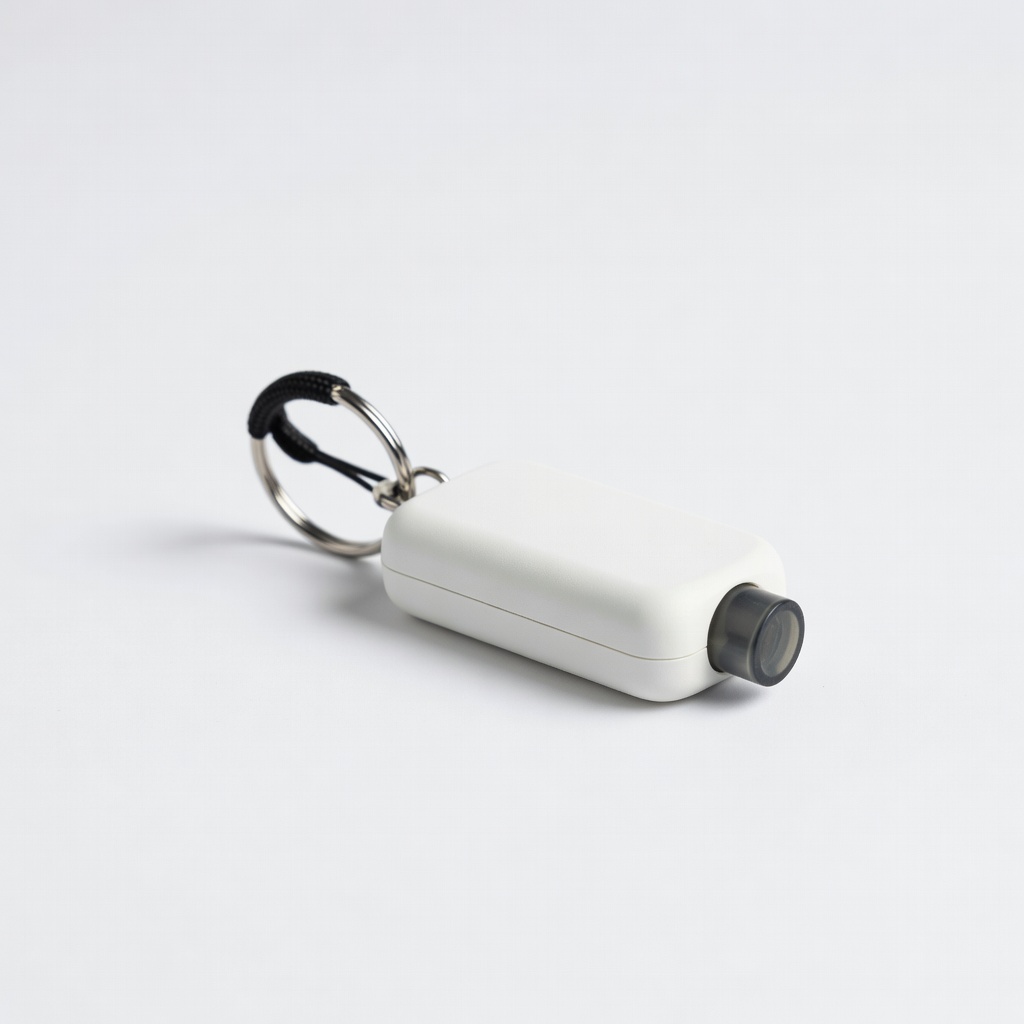
BACtrack Go Keychain Breathalyzer
Helps monitor blood alcohol levels to ensure you stay within moderation, preventing overconsumption and promoting safe habits.
Best for: Use after a drink to check if you're under the limit before driving or continuing.
Price Range: $49.99
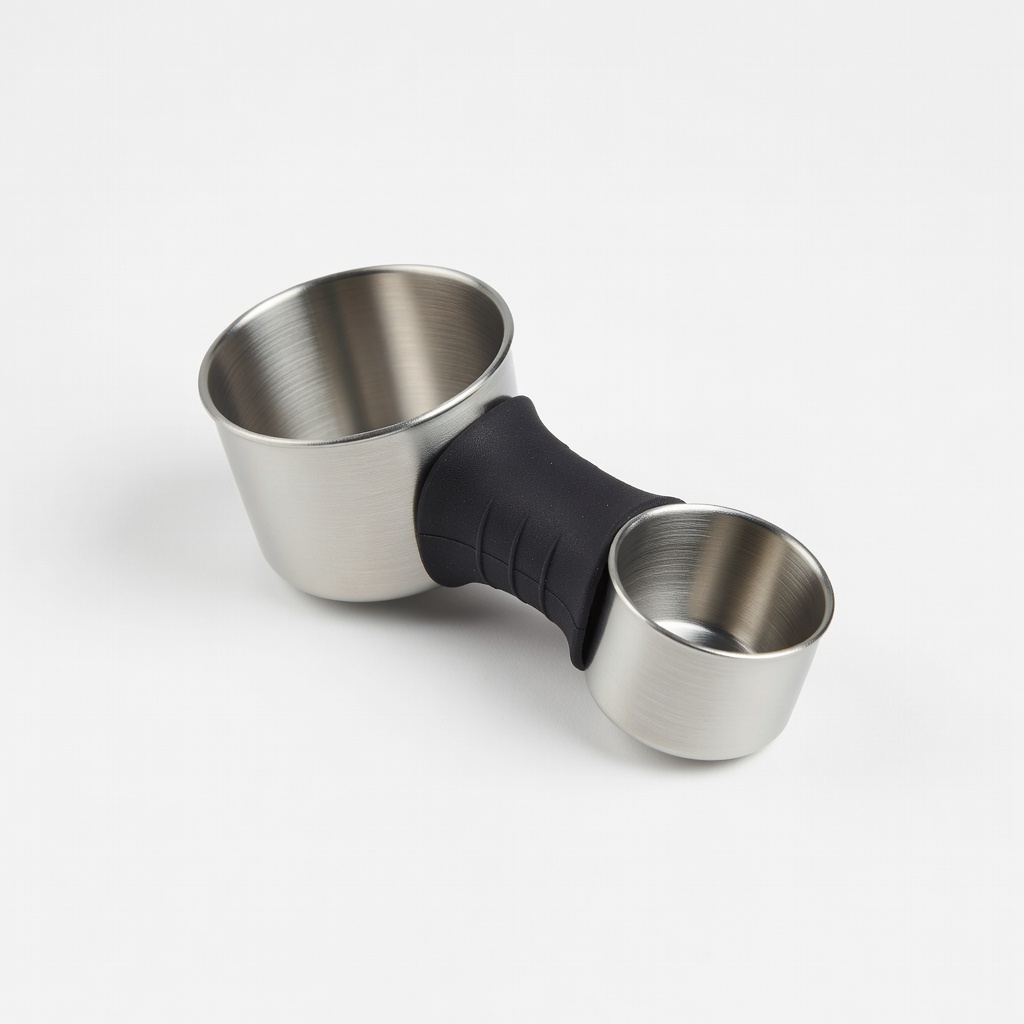
OXO Good Grips Double Jigger
Precise measurement ensures standard drink sizes, key for reaping health benefits without excess.
Best for: Ideal for home bartending to control portions in cocktails or spirits.
Price Range: $8.99
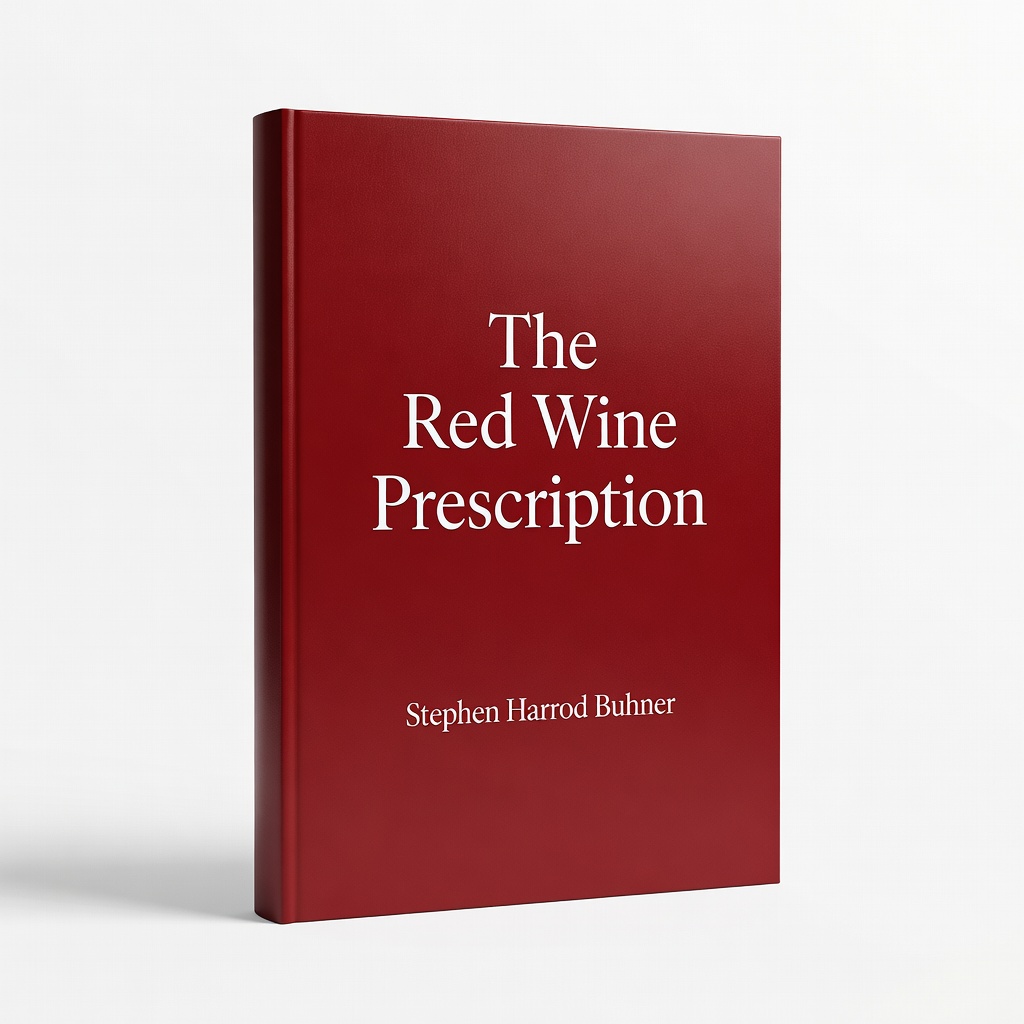
The Red Wine Prescription by Stephen Harrod Buhner
Educational book detailing resveratrol and heart benefits with practical advice on moderate consumption.
Best for: Read for deeper science on wine's antioxidants while planning your intake.
Price Range: $12.95
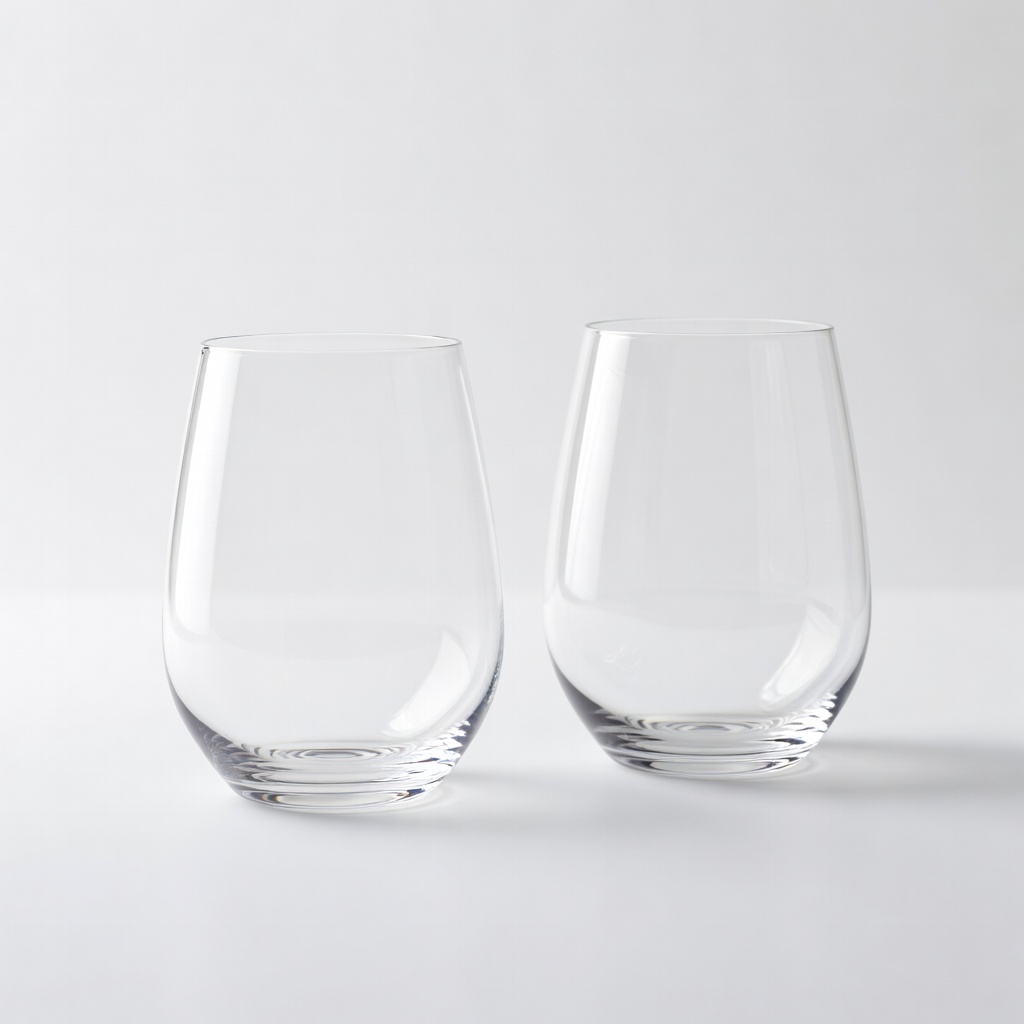
Riedel Wine Glasses (O Wine Tumbler Set)
Portion-friendly design encourages moderate pours while enhancing wine tasting experience.
Best for: Daily use for red wine to maximize antioxidant absorption.
Price Range: $39.99 for set of 4
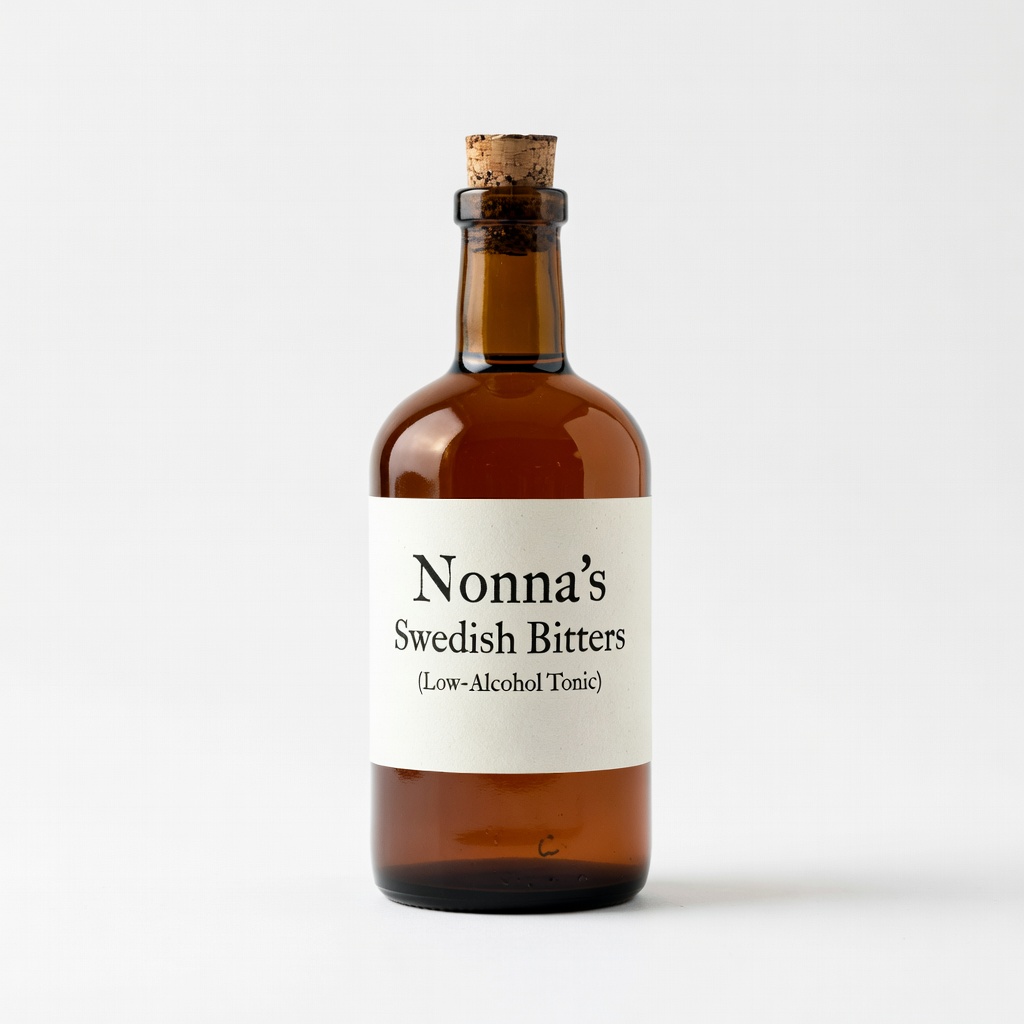
Nonna's Swedish Bitters (Low-Alcohol Tonic)
A moderate herbal alternative with some alcohol benefits for digestion, bridging to full moderation.
Best for: Sip as a low-dose digestive aid when easing into or from alcoholic drinks.
Price Range: $15-20