Imagine lacing up for a run, only to have your earbuds slip out mid-stride or get ruined by sweat—frustrating, right? With the rise of fitness tracking and home workouts, wireless earbuds have become a must-have for gym-goers and runners alike. But not all earbuds are built for the rigors of exercise. This guide breaks down the key features that define workout-ready wireless earbuds, helping you understand what to look for to enhance your performance without distractions.
By the end, you'll grasp concepts like IP ratings and secure fits, explained with real-world examples and analogies. Whether you're upgrading from basic buds or shopping for your first pair, this explainer will empower you to make informed choices. It's a straightforward read—no technical overload, just clear insights in about 10-15 minutes.
▸What You'll Need
- •Basic knowledge of Bluetooth connectivity
- •Access to product specs (online reviews or manufacturer sites)
- •Optional: A fitness tracker to test earbuds in real scenarios
Estimated Time: 10-15 minutes to read and understand
Difficulty: intermediate
▸Step-by-Step Instructions
Step 1: Understand Sweat and Water Resistance (IP Rating)
The cornerstone of workout earbuds is their ability to withstand sweat, rain, and splashes. This is measured by an IP (Ingress Protection) rating, like IPX4 or IPX7. Think of it as a shield: IPX4 means splash-resistant from any direction (great for sweaty HIIT sessions), while IPX7 allows submersion in water up to 1 meter for 30 minutes (ideal for post-run rinses). Without this, your earbuds could short-circuit during a tough cardio class.
Why it matters: During workouts, you can sweat up to a liter per hour, and moisture is the enemy of electronics. Expect durable materials like silicone seals that keep internals dry. For example, compare it to a waterproof phone case—essential for active use.
Real-world tip: Always check the full IP code; the first digit is for dust (often 0 for earbuds), the second for water.
💡 Tips:
- •Look for at least IPX4 for casual workouts; go IPX7 for swimming or heavy sweaters.
⚠️ Warnings:
- •Avoid using non-IP-rated earbuds in humid environments to prevent damage.
Step 2: Secure Fit and Stability Designs
Workout earbuds need to stay put during jumps, sprints, or yoga flows. Features like wingtips, ear hooks, or over-ear loops provide a lock-in fit, preventing them from falling out. Analogy: It's like wearing grippy running shoes versus slippery slides—stability keeps you focused on form, not readjusting.
Why it matters: A loose fit leads to distractions and potential loss of an earbud mid-run. Expect customizable tips in multiple sizes (silicone or foam) for a personalized seal. Bone conduction models, for instance, rest on your cheekbones without entering the ear canal, offering awareness of surroundings.
What to expect: Test the fit by shaking your head; premium buds use ergonomic shapes tested for motion.
💡 Tips:
- •Try fin or wing attachments for high-impact activities like boxing.
⚠️ Warnings:
- •Don't rely on stock tips if they don't fit—swap for third-party ones to avoid discomfort.
Step 3: Battery Life and Quick Charging
For long sessions, battery life is key—aim for 5-8 hours per charge with cases adding 20+ more. Quick charging (e.g., 10 minutes for 1 hour of play) means less downtime. Picture it as a car's fuel efficiency: You want enough range for a full workout playlist without recharging mid-set.
Why it matters: Dying batteries interrupt motivation, especially on outdoor runs. Expect features like low-battery alerts and wireless charging cases for convenience. In workouts, this ensures seamless transitions between gym and commute.
Real example: Some buds offer 'theater mode' for extended play, but for fitness, prioritize sweat-safe charging ports.
💡 Tips:
- •Use the case for top-ups during breaks to extend daily use.
⚠️ Warnings:
- •Heavy bass or ANC drains battery faster—turn off unused features.
Step 4: Sound Quality and EQ Customization
Workout buds emphasize bass-heavy sound to pump you up, with customizable EQ via apps for tweaking highs, mids, and lows. It's like adjusting spices in a recipe—balance for motivation without overwhelming noise. Clear vocals and ambient awareness modes let you hear instructions or traffic.
Why it matters: Poor audio can kill your vibe during reps. Expect drivers (tiny speakers) optimized for movement, reducing distortion at high volumes. For intermediates, app-based EQ helps tailor to genres like EDM or podcasts.
What to expect: Look for aptX or AAC codecs for crisp wireless audio, minimizing lag.
💡 Tips:
- •Enable 'workout mode' in apps for enhanced bass during cardio.
⚠️ Warnings:
- •Avoid max volume to protect hearing and battery.
Step 5: Connectivity and Controls
Stable Bluetooth 5.0+ ensures low-latency connections, with multipoint pairing for switching devices. Touch or button controls for volume, tracks, and calls keep hands-free. Analogy: Like a reliable GPS—seamless so you don't fumble your phone.
Why it matters: Dropped signals mid-song ruin flow; quick controls mean no pausing for adjustments. Expect water-resistant buttons and voice assistants like Siri for hands-free motivation.
Real-world: In crowded gyms, advanced chips reduce interference from other devices.
💡 Tips:
- •Pair with fitness apps for integrated heart rate audio cues.
⚠️ Warnings:
- •Keep devices close (within 30 feet) to avoid dropouts.
Step 6: Additional Smart Features
Advanced buds include heart rate monitoring, fall detection, or integration with apps like Strava. Noise cancellation (ANC) blocks gym chatter, while transparency mode lets in ambient sound for safety. Think of it as a fitness coach in your ear—enhancing data-driven workouts.
Why it matters: These elevate basic audio to performance tools. For intermediates, biometric sensors provide real-time feedback without extra wearables.
What to expect: IP67-rated buds often bundle these for all-weather use.
💡 Tips:
- •Use transparency mode for outdoor runs to hear traffic.
⚠️ Warnings:
- •ANC can drain battery; toggle off when not needed.
▸Pro Tips
- •Prioritize IPX5+ for versatile workouts including outdoor rain.
- •Test fit with vigorous movement before buying—many stores offer demos.
- •Customize EQ for your music taste to maintain motivation over long sessions.
- •Opt for buds with replaceable batteries or e-waste friendly designs for longevity.
- •Pair with a protective case for travel to workouts.
- •Monitor firmware updates via apps for improved stability.
- •Choose lightweight models (under 6g per bud) to forget you're wearing them.
▸Common Mistakes to Avoid
- •Ignoring IP ratings, leading to water damage—always verify against your sweat level.
- •Overlooking fit options, causing buds to fall out—try multiple sizes.
- •Focusing only on battery life without checking real-world drain from features like ANC.
- •Assuming all Bluetooth is equal—stick to 5.0+ for reliable connections.
- •Neglecting app integration, missing out on custom workouts.
▸Troubleshooting
Problem: Earbuds disconnect during intense movement
Solution: Ensure Bluetooth 5.0+ and keep your phone in a secure pocket; reset pairing by holding buttons for 10 seconds.
Problem: Poor sound quality or one-sided audio
Solution: Clean ear tips and check balance settings in the app; update firmware if available.
Problem: Battery drains too fast
Solution: Disable unused features like ANC; charge fully and avoid extreme temperatures.
Problem: Fit feels loose after sweating
Solution: Use stabilizing wings or foam tips; dry ears before inserting for better grip.
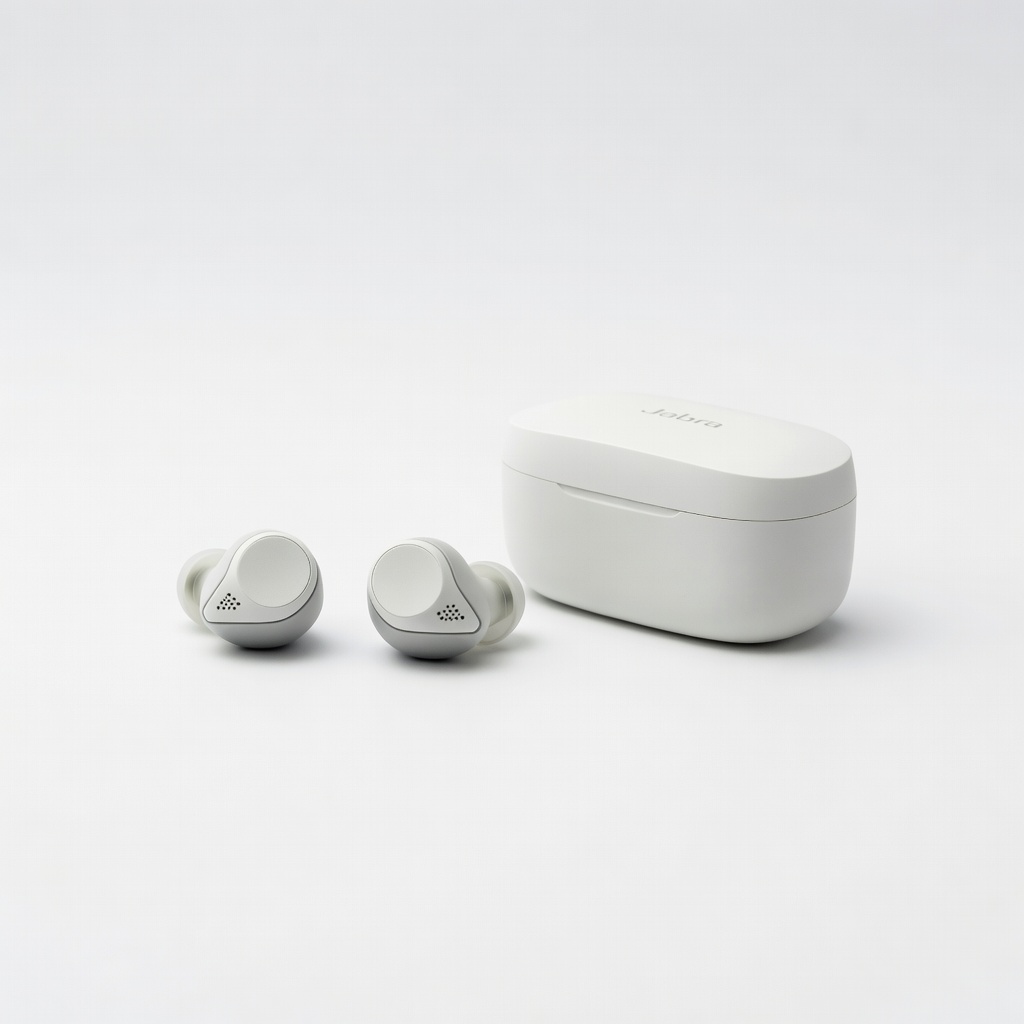
Jabra Elite 7 Active
Excellent IP57 rating and secure AeroWing design make it ideal for sweaty, high-movement workouts with stable fit and clear calls.
Best for: Perfect for runners or gym sessions needing durability and motivational sound.
Price Range: $150-$180
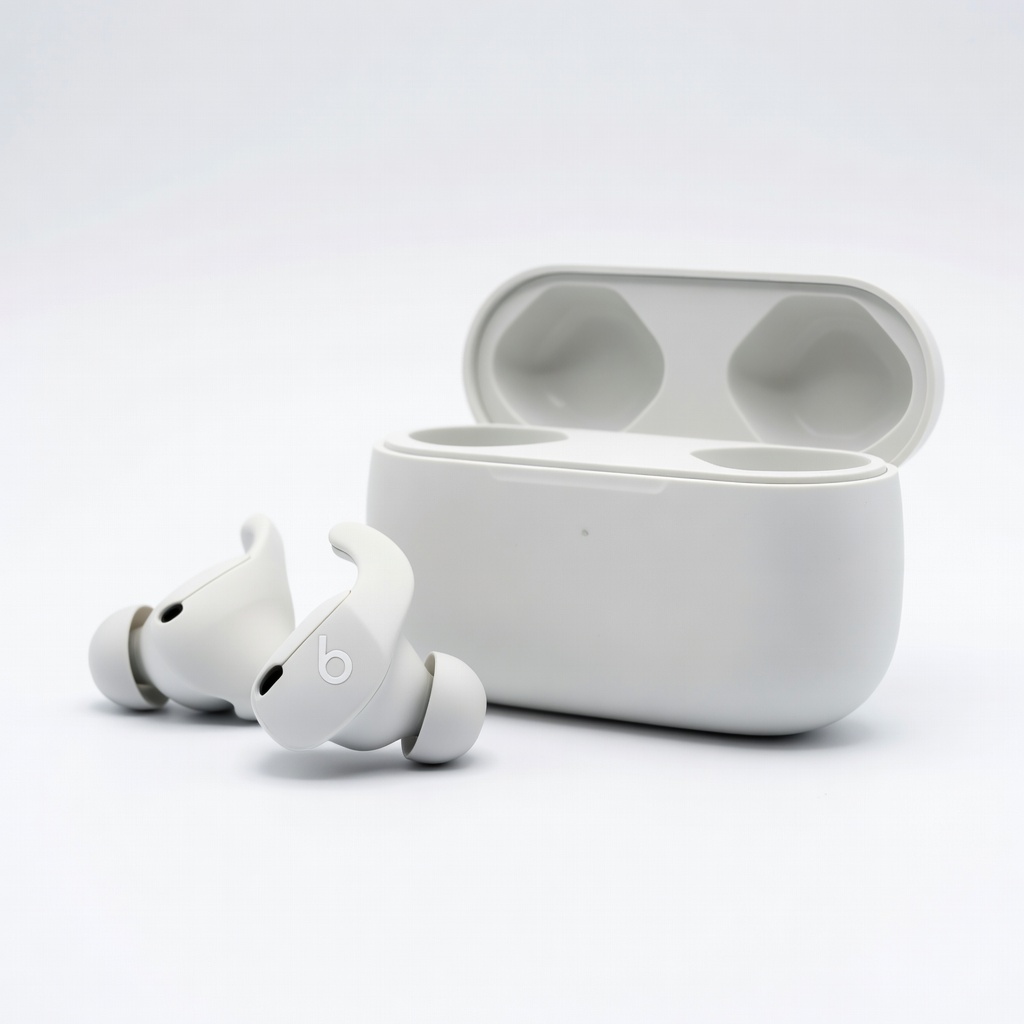
Beats Fit Pro
Wingtip design ensures they stay put during intense cardio, with spatial audio and ANC for immersive workout playlists.
Best for: Great for Apple users wanting seamless integration and bass-heavy sound for HIIT.
Price Range: $180-$200
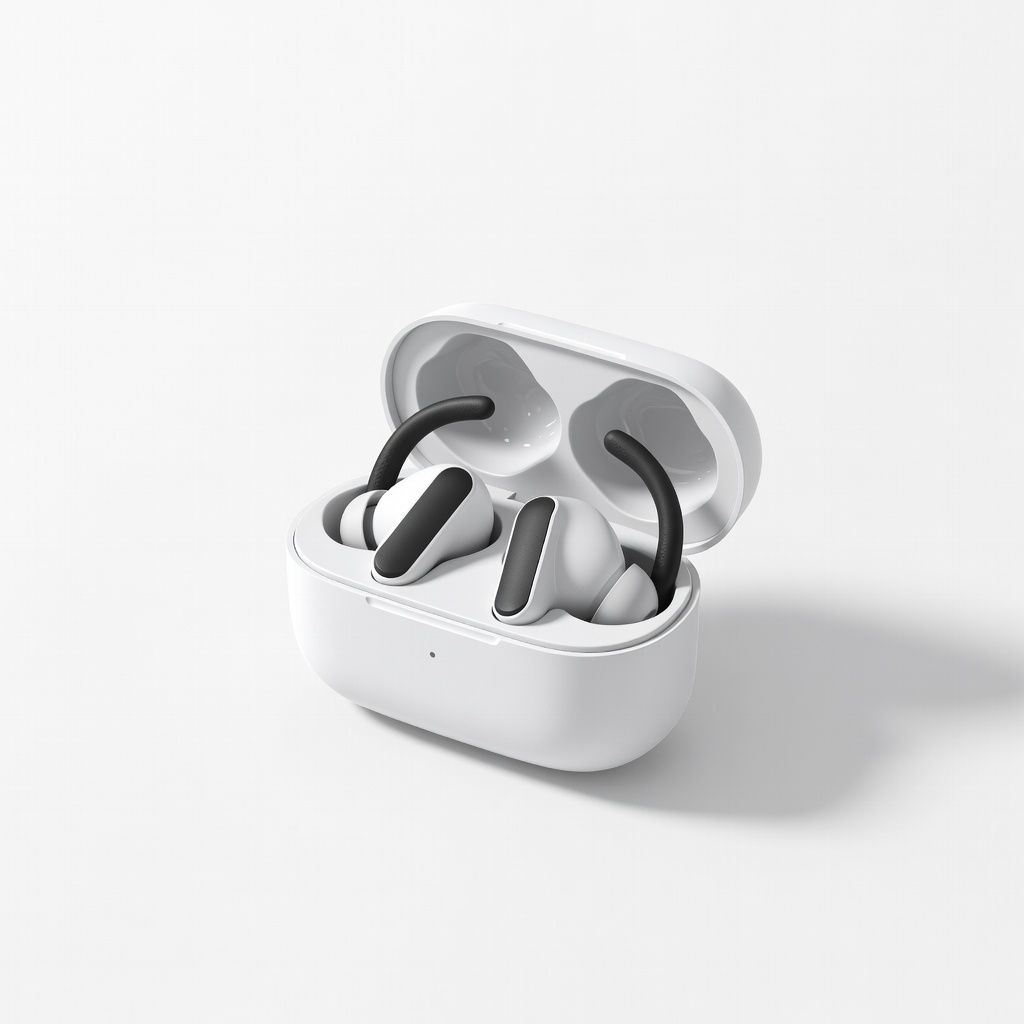
Anker Soundcore Sport X10
Affordable option with IPX7 waterproofing and rotatable ear hooks for customizable secure fit, plus 8-hour battery.
Best for: Budget-friendly for beginners in weightlifting or casual jogging without skimping on essentials.
Price Range: $70-$80
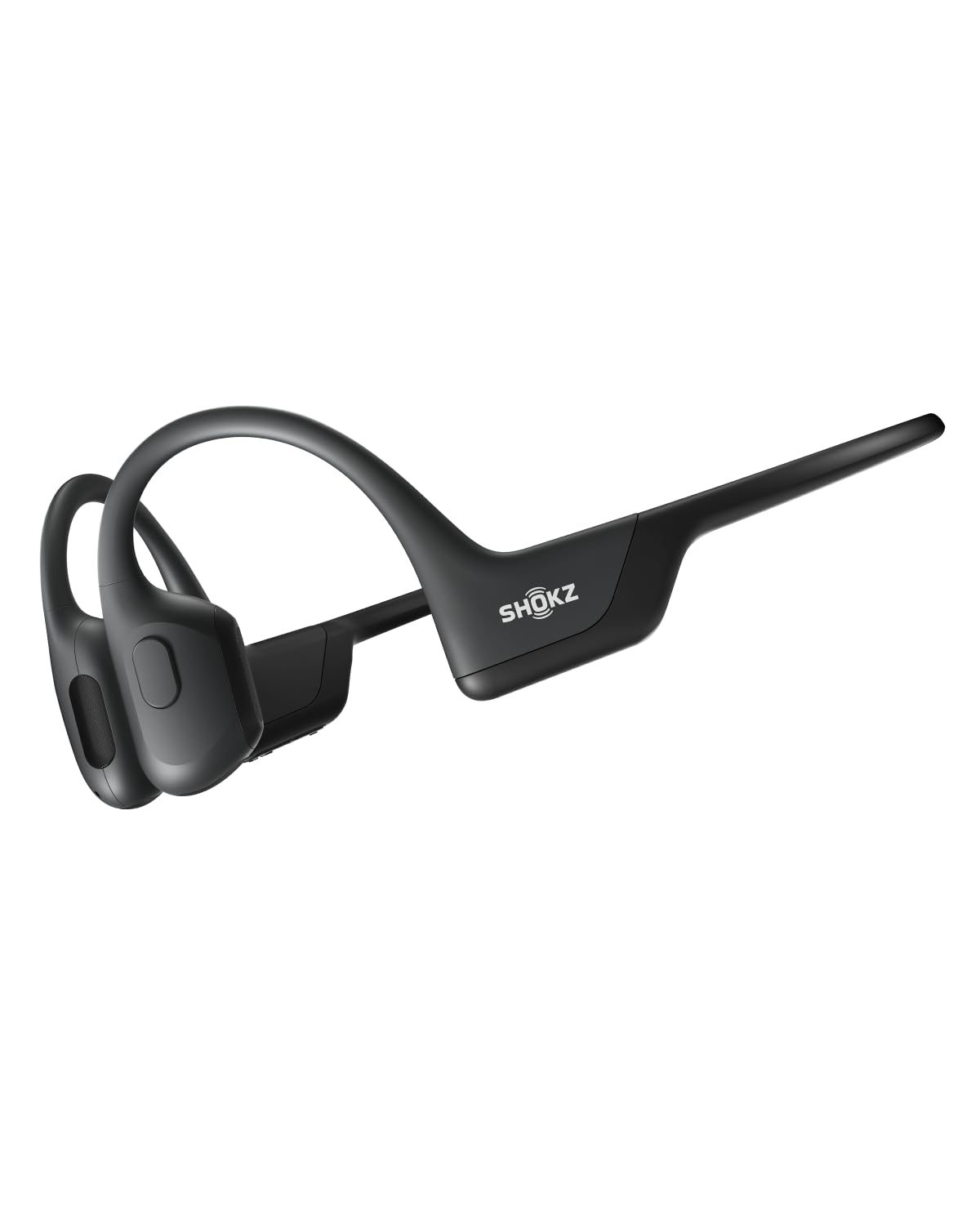
Shokz OpenRun
Bone conduction tech keeps ears open for safety, with IP67 rating and 8-hour battery for awareness during outdoor runs.
Best for: Ideal for cyclists or trail runners needing to hear surroundings while enjoying audio.
Price Range: $120-$130
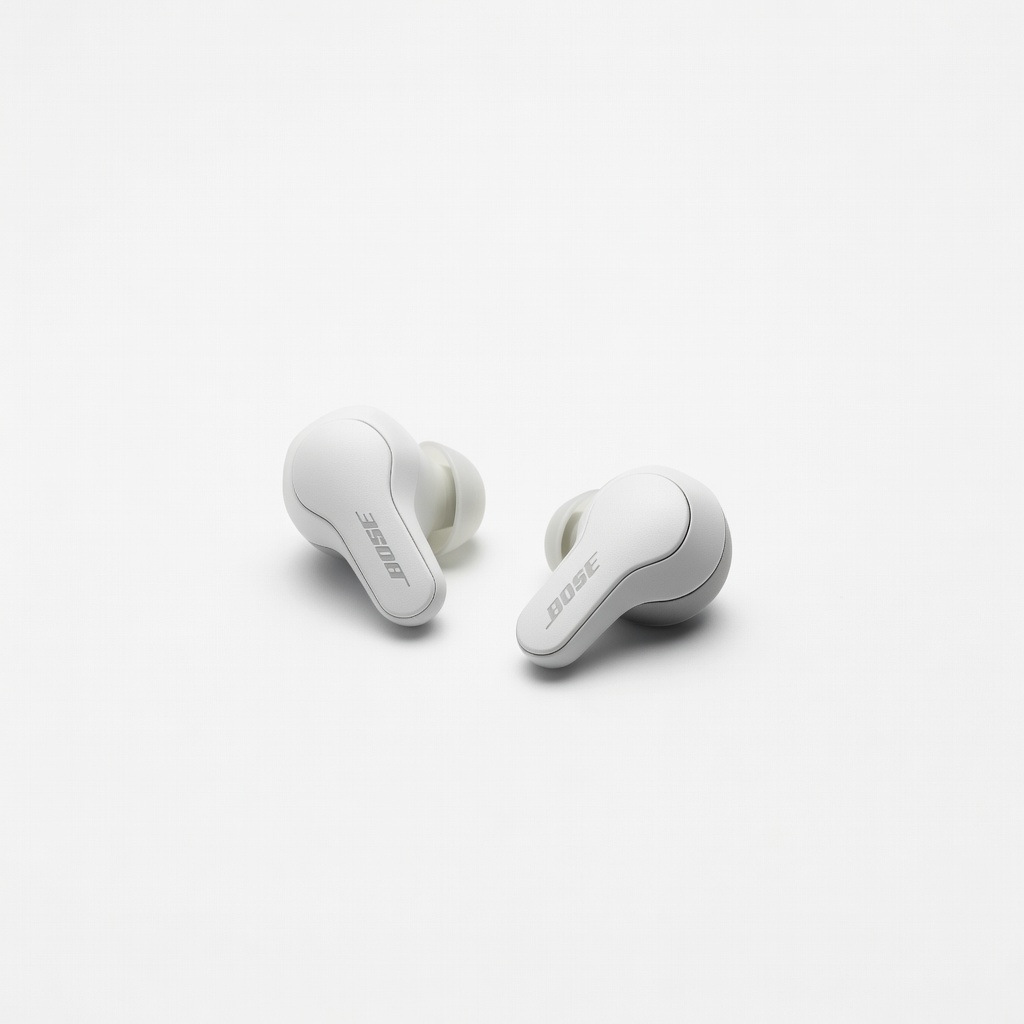
Bose Sport Earbuds
StayHear Max tips provide a premium secure fit with IPX4 resistance, delivering balanced sound for focused workouts.
Best for: Suited for yoga or indoor cycling where comfort and audio clarity matter most.
Price Range: $140-$160