Choosing your first bass guitar can be confusing, especially with options like acoustic and electric basses. Many beginners wonder which one suits their style, budget, and playing environment. Understanding the differences helps you avoid buyer's remorse and start playing confidently.
In this guide, you'll discover how these basses differ in sound, construction, playability, and more. We'll break it down simply with analogies, examples, and real-world tips—no prior knowledge needed. Expect a quick 10-15 minute read that's beginner-friendly.
By the end, you'll know exactly when to choose acoustic, electric, or even a hybrid acoustic-electric bass for gigs, practice, or casual jamming.
▸What You'll Need
- •No tools or equipment required—just curiosity!
- •Optional: Access to a music store or online demos to hear both types
- •Prerequisite knowledge: Basic guitar terms (optional; we'll explain everything)
Estimated Time: 10-15 minutes
Difficulty: beginner
▸Step-by-Step Instructions
Step 1: Understand Acoustic Bass Basics
Acoustic bass guitars (ABGs) are like the upright bass's smaller cousin—they produce sound naturally without electricity. Imagine plucking a rubber band stretched over a wooden box: the hollow body resonates and amplifies the string vibrations through its sound hole, creating a warm, woody tone.
These basses have a larger body (often dreadnought-shaped) made of solid woods like mahogany or spruce. They're unplugged instruments, perfect for unamplified settings like campfires or acoustic jams. However, their sound is softer and less punchy than electric basses due to physics—bigger bodies need more air movement for volume.
Expect: A mellow, organic low-end thump that's great for folk or roots music.
💡 Tips:
- •Try plucking strings near the bridge for brighter tone.
Step 2: Understand Electric Bass Basics
Electric bass guitars (EBGs) rely on pickups (like tiny microphones) to convert string vibrations into electrical signals, which an amplifier turns into sound. Think of it as a solid-body skateboard: compact, no hollow chamber, focused on sustain and clarity.
Built with a solid wood body (alder, ash) and a longer scale neck for punchy lows, they shine when plugged in. Without an amp, they barely make noise—quiet as a whisper.
Expect: Versatile, defined tones from slap-pop funk to rock growls, but needs gear.
💡 Tips:
- •Experiment with pickup positions: neck for warmth, bridge for bite.
Step 3: Compare Sound Production
The core difference: acoustics use acoustic resonance (air inside the body vibrates), while electrics use electromagnetic pickups. Analogy: Acoustic is a drum kit; electric is a synthesizer needing speakers.
Acoustic bass offers natural warmth but limited volume (hard to hear in bands). Electric provides consistent, amplified punch—scalable from bedroom to stadium.
Hybrids (acoustic-electric) blend both with built-in pickups.
⚠️ Warnings:
- •Don't expect loud volume from pure acoustics in group settings.
Step 4: Examine Construction and Materials
Acoustic basses have hollow bodies (larger, 40-45" long) with braces for resonance, using tonewoods for sustain. Electrics are solid-body (smaller, 45-50" total but compact), prioritizing stability.
Strings: Both use 4 thick ones (.045-.105 gauge), but acoustics often nylon-wrapped for softer feel. Necks: Similar scale (30-34"), but acoustics wider for fingerstyle.
💡 Tips:
- •Feel the neck width in-store—acoustics suit thumb players.
Step 5: Assess Playability and Feel
Acoustics feel bulkier (wider body hugs awkwardly when sitting), with higher action (string height) for volume but finger fatigue. Electrics are ergonomic, slim necks, low action for speed—ideal for beginners.
Why it matters: Acoustics encourage precise plucking; electrics allow shredding.
Step 6: Evaluate Amplification and Volume Needs
Acoustics: Play unplugged (quiet) or add pickup/mic. Electrics: Must have amp—passive models need more power.
Acoustic-electric basses solve this with onboard preamps.
⚠️ Warnings:
- •Buying electric without amp budget leads to frustration.
Step 7: Consider Portability, Cost, and Genres
Acoustics: Less portable (fragile), $200-$1000, folk/jazz. Electrics: Gig-ready, $150-$2000+, rock/pop/metal. Maintenance: Acoustics need humidity control; electrics simpler.
Choose: Acoustic for solo; electric for bands.
💡 Tips:
- •Start electric if unsure—versatile.
▸Pro Tips
- •Visit a store to play both—sound is subjective.
- •Budget for amp ($50+) with electrics.
- •Hybrids like acoustic-electrics offer best of both worlds for beginners.
- •Use lighter strings on acoustics to ease finger pain.
- •Watch YouTube demos (search 'acoustic vs electric bass shootout').
- •Check scale length: Short (30") for small hands.
- •Tune to EADG standard for both.
- •Join Reddit r/Bass for real player advice.
▸Common Mistakes to Avoid
- •Assuming acoustic basses are loud unplugged—they're not for rock bands.
- •Buying electric without amp, leading to silent frustration.
- •Ignoring body size: Acoustics uncomfortable for small players.
- •Overlooking hybrids, missing versatile options.
- •Neglecting setup: High action causes pain—get professional adjustment.
▸Troubleshooting
Problem: Acoustic bass sounds weak or buzzy
Solution: Check string height/action; humidify room. Add pickup if needed.
Problem: Electric bass too quiet or thin
Solution: Use quality amp/cables; adjust EQ for bass boost.
Problem: Hard to play—fingers hurt
Solution: Switch to lighter strings; practice 15 min/day. Consider short-scale bass.
Problem: Can't decide which to buy
Solution: Rent both first or start with affordable electric. Seek pro advice.
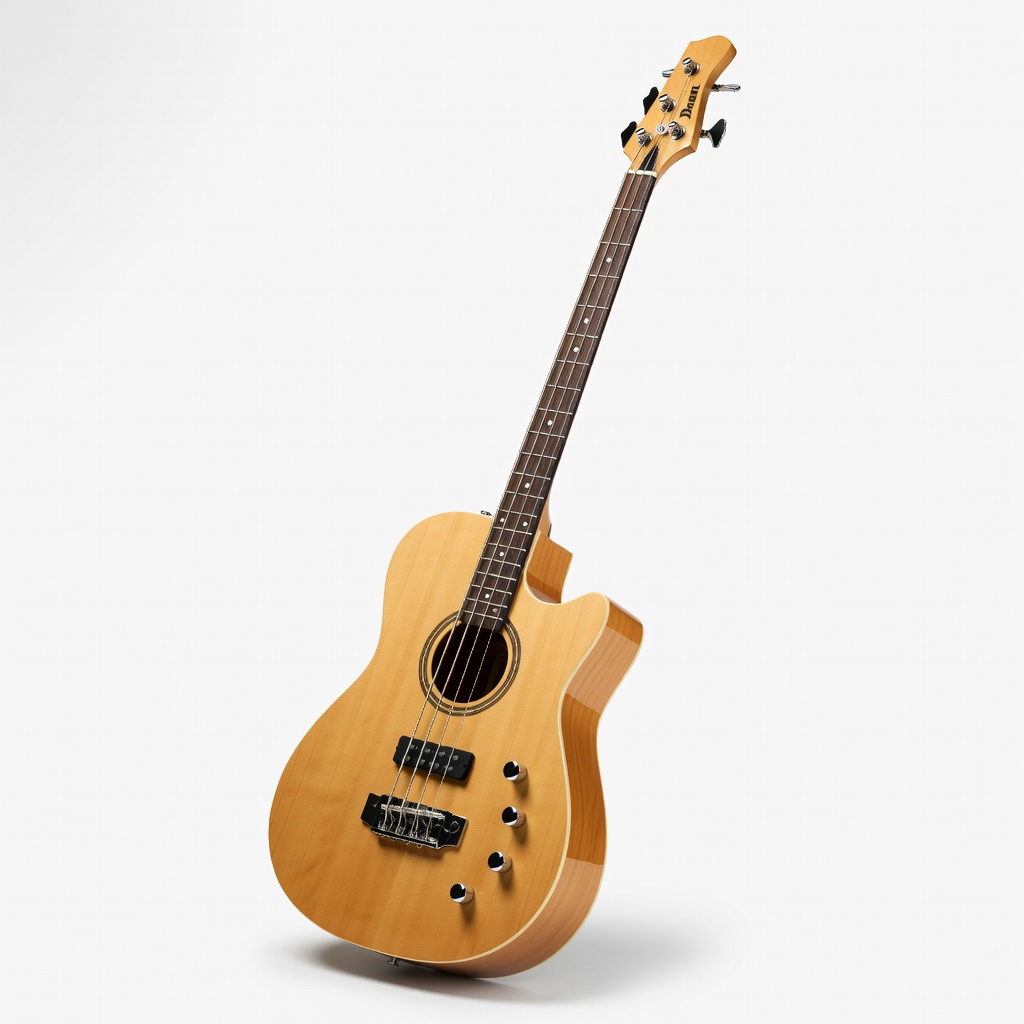
Dean Performer EAB Acoustic-Electric Bass Guitar
Versatile hybrid with built-in preamp—best for beginners wanting both acoustic warmth and plug-in power.
Best for: Home practice, small gigs, or acoustic sets.
Price Range: $229.00
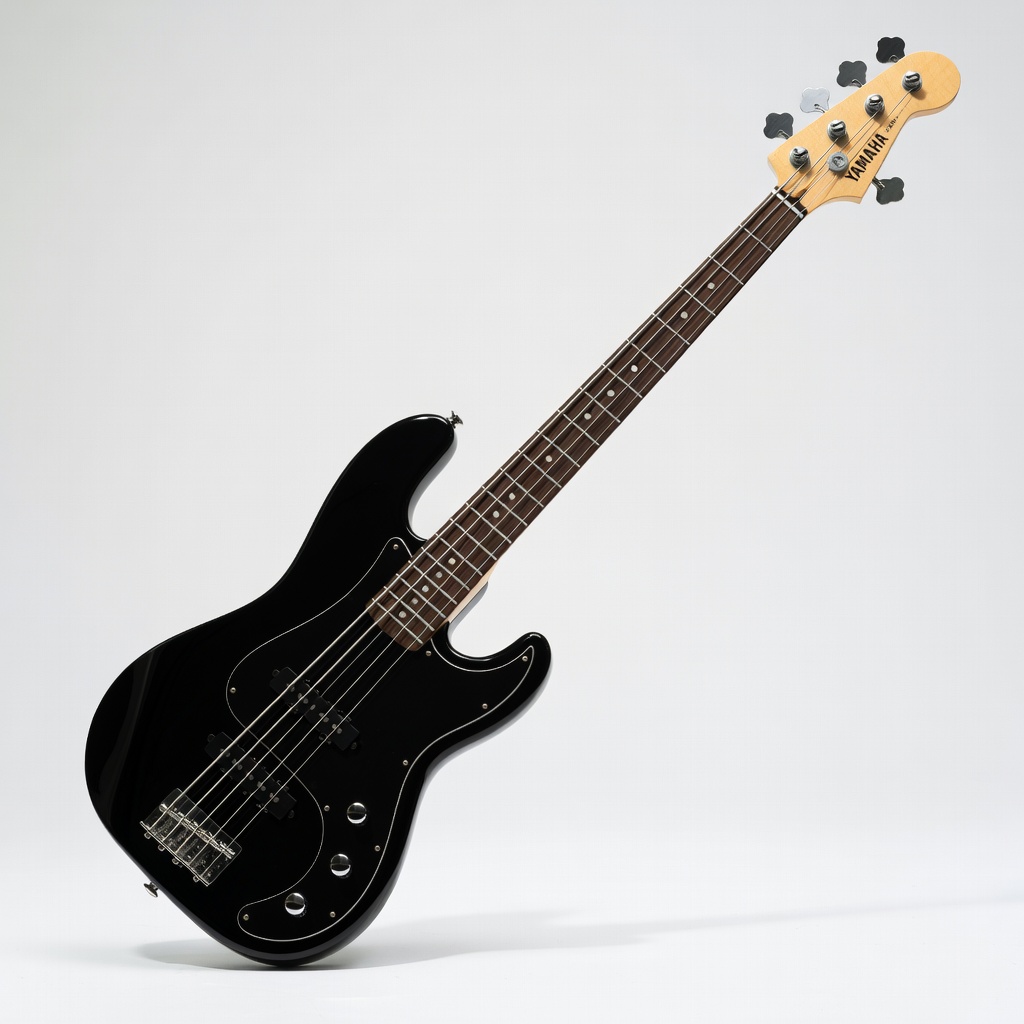
Yamaha TRBX304 4-String Electric Bass
Comfortable neck, active electronics for pro tones at beginner price—punchy and reliable.
Best for: Band practice, recording, or rock/funk styles.
Price Range: $329.99
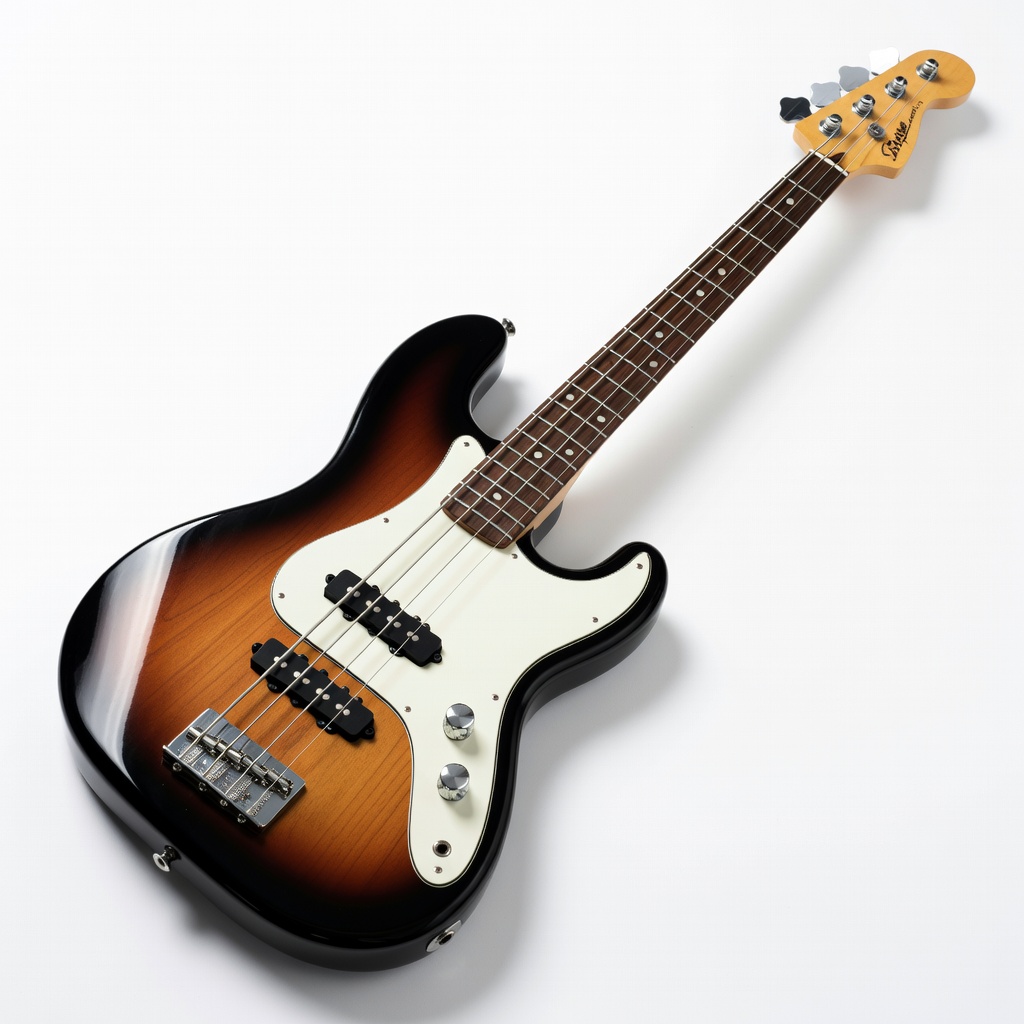
Squier by Fender Affinity Series PJ Bass
Classic Fender design, affordable, versatile pickups—perfect first electric.
Best for: Daily practice for pop, rock, blues beginners.
Price Range: $249.99
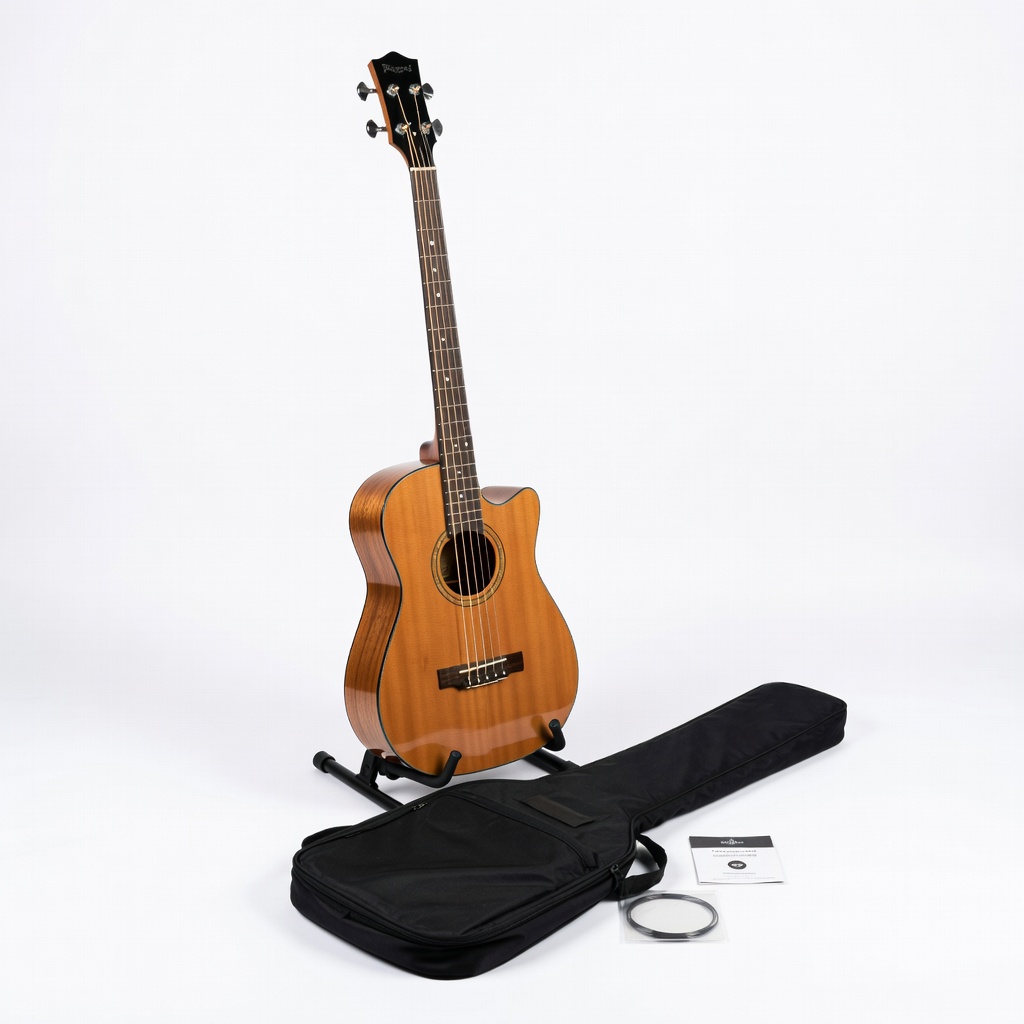
Rogue AAB-38 Acoustic Bass Package
Budget pure acoustic with gig bag—great for unplugged learning.
Best for: Campfires, folk jams, or portable solo play.
Price Range: $199.99