Choosing the right strings for your acoustic-electric guitar can transform your playing experience. Many intermediate players struggle with strings that either dull the natural warmth of the acoustic tone or cause feedback issues when plugged in. The wrong choice can lead to uneven volume, poor intonation, or even damage to your guitar's electronics over time. This guide breaks down the essentials so you can make an informed decision without guesswork.
In this explainer, you'll discover the key factors influencing string selection, from materials and gauges to how they interact with your guitar's pickup system. We'll cover types of strings, pros and cons, and practical tips tailored for acoustic-electric instruments. By the end, you'll know exactly what to look for to enhance both unplugged resonance and amplified clarity. Expect a straightforward read—no advanced luthier knowledge required.
This process is more about understanding concepts than hands-on work, taking just a few minutes to grasp, though experimenting with new strings might add setup time later.
▸What You'll Need
- •Basic knowledge of guitar anatomy (e.g., bridge, nut, and pickup types)
- •Access to your guitar for testing string feel (optional but recommended)
- •Online retailer account for purchasing strings (e.g., Amazon or Sweetwater)
Estimated Time: 10-15 minutes to read and understand
Difficulty: intermediate
▸Step-by-Step Instructions
Step 1: Understand Acoustic-Electric Guitar Basics
Acoustic-electric guitars combine the body resonance of an acoustic with onboard electronics like piezo pickups or magnetic soundhole pickups. Strings are the bridge between these worlds—they vibrate to produce sound acoustically while sending signals electronically. The 'best' strings balance projection, warmth, and clarity without overwhelming the amp or causing unwanted buzz.
Think of strings as the voice of your guitar: just as a singer's vocal cords need the right tension for pitch, strings must match your guitar's scale length (typically 25.5 inches) and playing style. For intermediates, focus on how strings affect sustain and harmonics, which are crucial for both live gigs and recording.
Expect to learn that not all acoustic strings work equally well here—some emphasize bass for unplugged play, while others ensure even response when plugged in.
💡 Tips:
- •Measure your guitar's scale length if unsure—most acoustics are 24.75-25.5 inches.
⚠️ Warnings:
- •Avoid ignoring pickup type; piezo systems prefer balanced strings to prevent feedback.
Step 2: Explore String Materials and Their Tones
Strings come in materials like phosphor bronze, 80/20 bronze, and silk-and-steel, each imparting unique tones. Phosphor bronze is the gold standard for acoustic-electrics—it's warm, balanced, and corrosion-resistant, mimicking vintage folk sounds while handling amplification well. 80/20 bronze (80% copper, 20% zinc) offers brighter, crisper highs, ideal for bluegrass or fingerstyle but can sound harsh plugged in.
Analogize it to coffee blends: phosphor bronze is a smooth medium roast for everyday versatility, while 80/20 is a bold light roast for punchy projection. Coated strings (e.g., with polymer) extend life but may slightly mute tone—great for humid climates or frequent players.
Why it matters: Material affects how the pickup captures vibrations. Test by strumming open chords unplugged vs. plugged; the best will maintain tonal integrity across both.
💡 Tips:
- •Start with phosphor bronze if you're unsure—it's forgiving for most genres.
Step 3: Consider String Gauges for Playability
Gauge refers to thickness, measured in thousandths of an inch (e.g., light .012-.053). Lighter gauges (extra light to light) are easier on fingers and bend-friendly for leads, but may lack volume on acoustic-electrics. Medium gauges (.013-.056) provide better projection and intonation, suiting strumming or hybrid picking without excessive tension.
For acoustic-electrics, aim for light to medium—too heavy can strain the neck or cause wolf tones (unwanted resonances) when amplified. Imagine gauges like tire pressure: too light, and you lose grip (sustain); too heavy, and it's hard to control (finger fatigue).
Expect experimentation: Swap gauges gradually to avoid setup changes like truss rod adjustments.
💡 Tips:
- •Hybrid sets (lighter treble, heavier bass) balance playability and power for intermediates.
⚠️ Warnings:
- •Don't jump from extra light to heavy—risk of finger pain or intonation issues.
Step 4: Evaluate Coated vs. Uncoated Options
Uncoated strings offer pure tone but wear out faster from sweat and oils. Coated versions, like Elixir's Nanoweb, have a thin polymer layer that preserves brightness for 3-5x longer, reducing finger noise—key for recording acoustic-electrics.
Coatings are like raincoats for strings: they protect without drowning the sound. However, some players find them slick or slightly dull. For electrics, coatings minimize corrosion from stage sweat, ensuring consistent pickup response.
This choice matters for longevity; intermediates gigging often save time and money with coatings.
💡 Tips:
- •Clean hands before playing to extend uncoated string life.
Step 5: Match Strings to Your Playing Style and Genre
Blues or folk? Go phosphor bronze lights for warm bends. Rock or country? 80/20 mediums for snap. Fingerstyle demands balanced sets to highlight nuances, while strummers need projection-focused ones.
Consider amplification: Strings with even tension prevent feedback hotspots. Analogy: Like shoes for running vs. hiking—pick what fits your terrain (stage or studio).
Test in context: Play a riff unplugged, then amp it; the best strings enhance without altering character.
💡 Tips:
- •Read reviews from players in your genre for real-world insights.
⚠️ Warnings:
- •Overlooking style leads to frequent changes—budget accordingly.
Step 6: Review Top Brands and Change Frequency
Brands like D'Addario, Elixir, and Martin dominate for quality control. Change strings every 1-3 months based on playtime—dull tone signals it's time. For acoustic-electrics, fresh strings ensure accurate pickup tracking.
Frequency tip: Pros change before gigs; intermediates can stretch to 6 weeks with coatings. This maintains electronics fidelity, avoiding signal drop-off.
Why track? Old strings corrode pickups indirectly via debris.
💡 Tips:
- •Buy in bulk for consistency across sessions.
▸Pro Tips
- •Stretch new strings gently after installation to stabilize tuning faster.
- •Use a string winder tool to speed up changes and reduce neck stress.
- •Humidify your guitar case to preserve string life in dry environments.
- •Test strings in a small gig setting before committing to a set.
- •Mix gauges experimentally for custom feel—e.g., drop the low E for alternate tunings.
- •Clean strings with a microfiber cloth post-play to extend brightness.
- •Pair with fresh batteries in your preamp for true tone assessment.
▸Common Mistakes to Avoid
- •Choosing acoustic-only strings: They ignore electronic needs, causing imbalanced amp output—opt for hybrid-friendly sets instead.
- •Ignoring gauge scaling: Jumping sizes warps intonation; change gradually and retune often.
- •Neglecting coatings in humid areas: Leads to rapid corrosion and buzz—invest in protected strings.
- •Overlooking brand consistency: Mixing sets creates uneven tone; stick to one maker per guitar.
- •Changing too infrequently: Dull strings muddy pickups—schedule monthly checks by ear.
▸Troubleshooting
Problem: Strings buzz when amplified
Solution: Check for low action or wrong gauge—raise action slightly or switch to medium tension; clean pickup area.
Problem: Tone dulls quickly after install
Solution: Likely uncoated in sweaty hands—try coated strings; stretch and tune multiple times to settle.
Problem: Feedback during plugged play
Solution: Use lighter gauges and position away from speakers; consider balanced material like phosphor bronze.
Problem: Uneven volume between strings
Solution: Mismatched set or old strings—replace fully; ensure proper winding at tuners.
Elixir Nanoweb Phosphor Bronze Light Acoustic Guitar Strings (.012-.053)
These coated strings offer extended life and balanced tone, ideal for acoustic-electrics as they reduce finger noise and maintain clarity when amplified.
Best for: Perfect for intermediate players gigging frequently or in humid conditions needing durable, warm sound.
Price Range: $15-$18
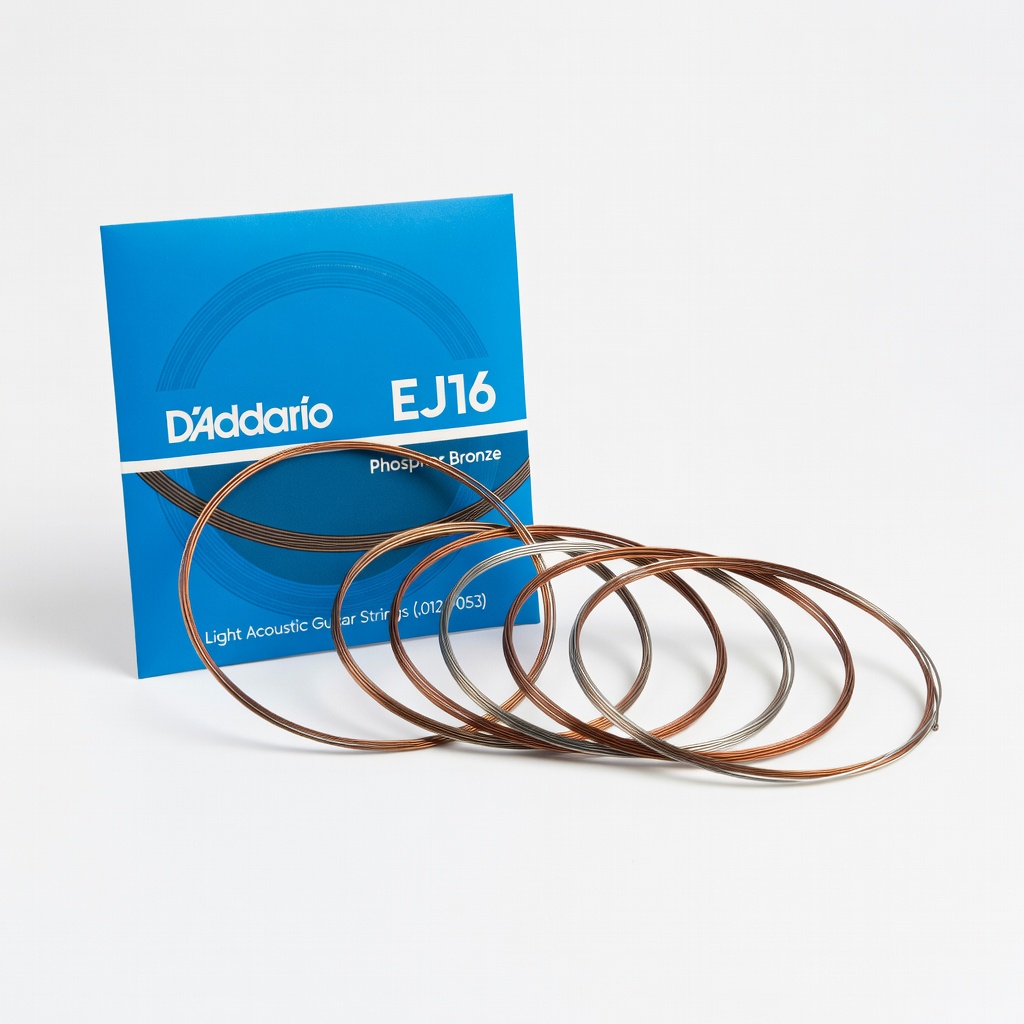
D'Addario EJ16 Phosphor Bronze Light Acoustic Guitar Strings (.012-.053)
Affordable uncoated option with rich, projecting tone that complements piezo pickups without harshness.
Best for: Great for studio recording or home practice where budget matters but quality tone is key.
Price Range: $6-$8
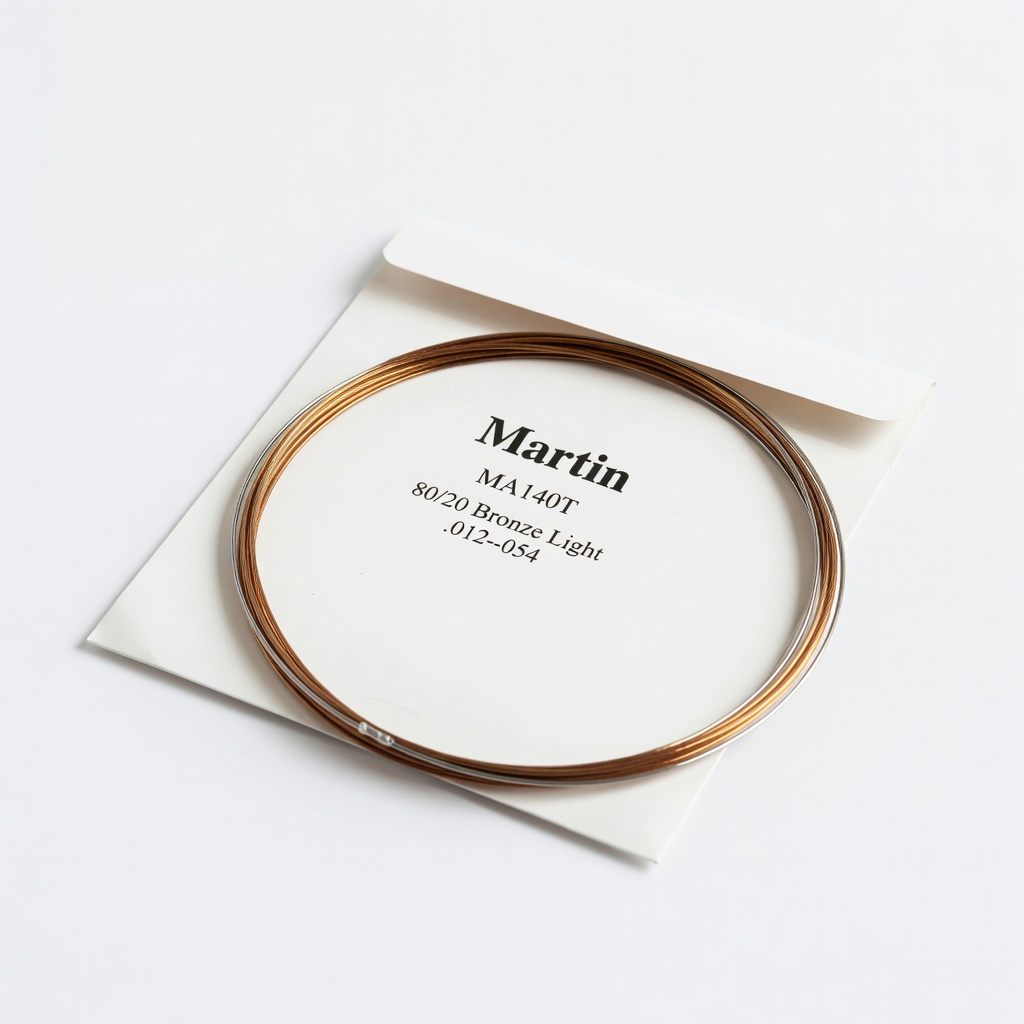
Martin MA140T 80/20 Bronze Light Acoustic Guitar Strings (.012-.054)
Bright and responsive for crisp highs, enhancing magnetic pickups in acoustic-electrics for folk or country styles.
Best for: Suited for strummers seeking volume boost in live unplugged-to-plugged transitions.
Price Range: $5-$7
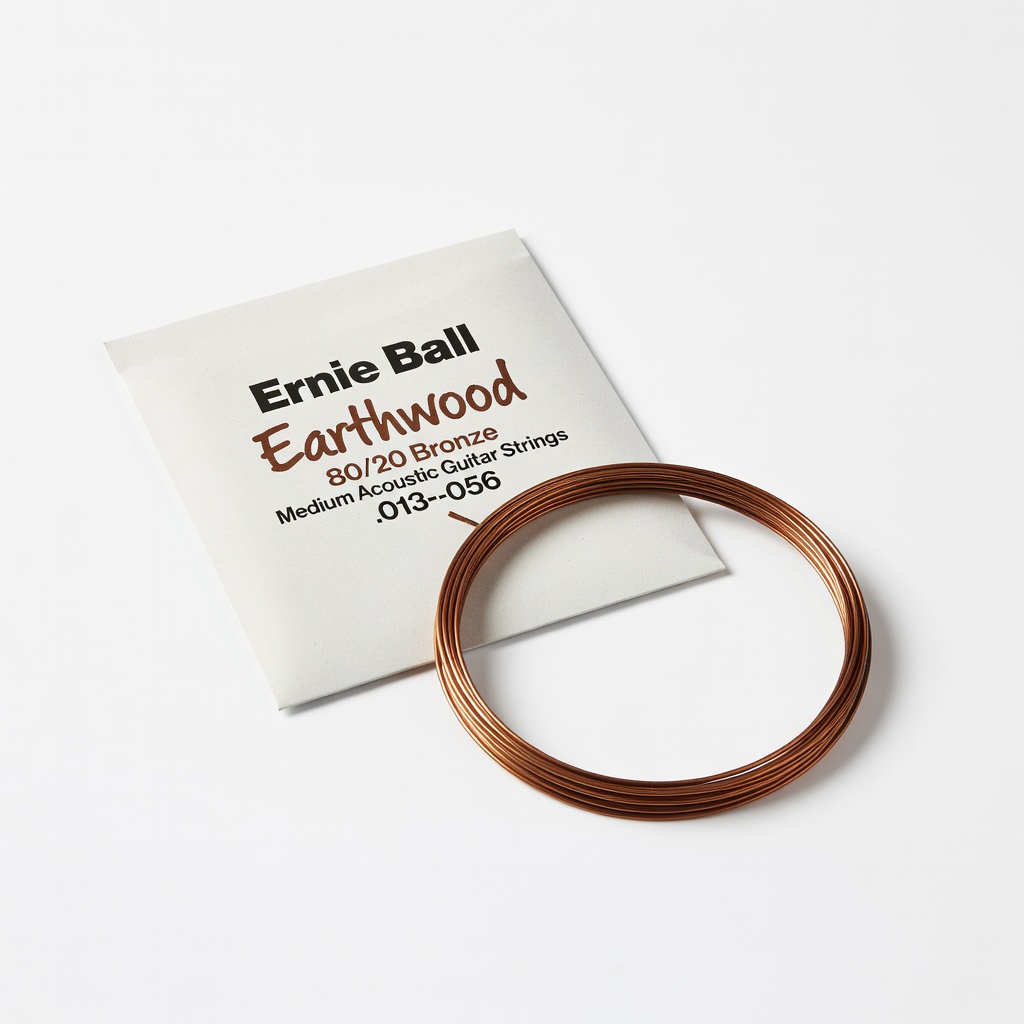
Ernie Ball Earthwood 80/20 Bronze Medium Acoustic Guitar Strings (.013-.056)
Medium gauge provides strong projection and sustain, stabilizing electronics for versatile play.
Best for: Ideal for intermediate fingerstylists or those upgrading from light gauges for better bass response.
Price Range: $7-$9
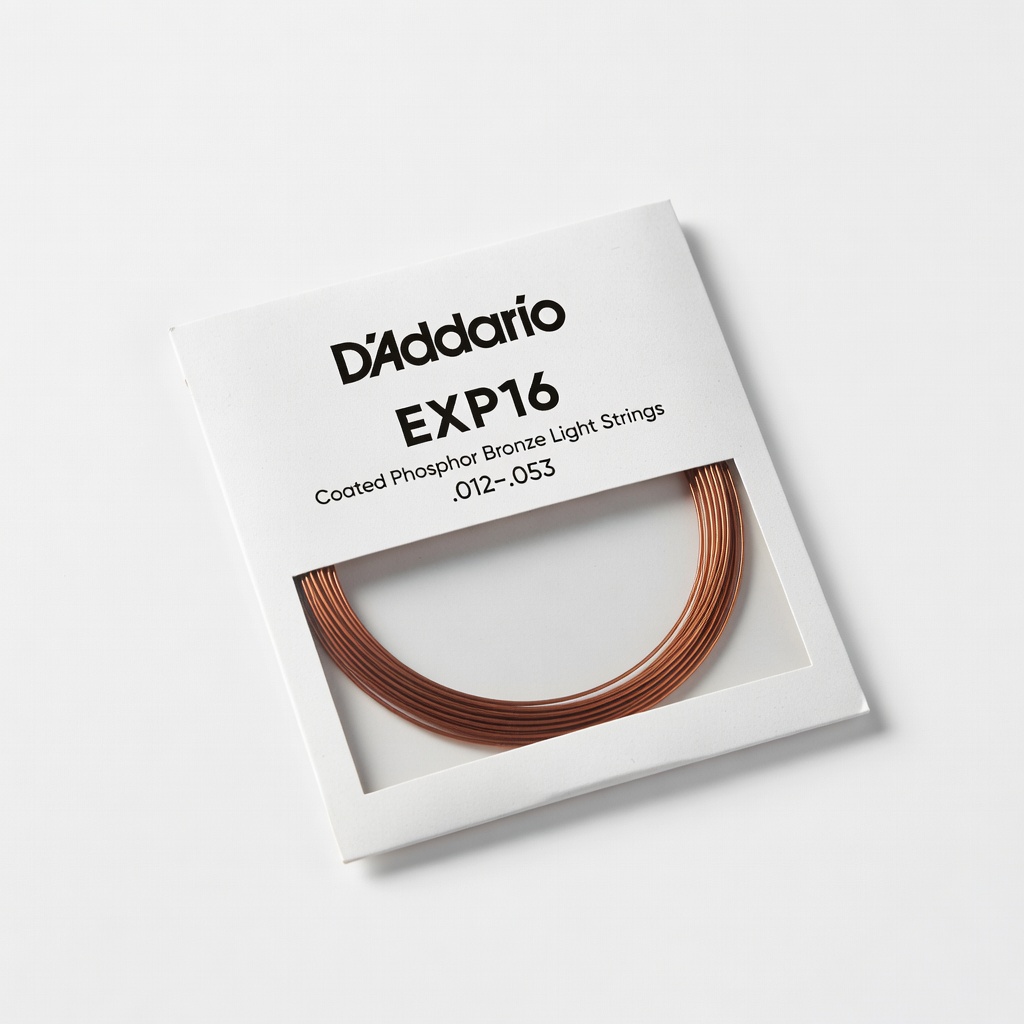
D'Addario EXP16 Coated Phosphor Bronze Light Strings (.012-.053)
Ultra-coated for maximum longevity, preserving balanced tone for amplified setups without corrosion.
Best for: Best for touring musicians or high-sweat players ensuring consistent performance over weeks.
Price Range: $12-$15