Tired of your digital camera dying mid-shoot or batteries leaking and ruining your gear?
Digital cameras, from point-and-shoots to DSLRs, are power-hungry devices that demand reliable AA batteries. Choosing the wrong ones leads to short runtime, corrosion, or explosions in storage. This guide breaks down battery types, key specs, and proven recommendations so you can pick the best for uninterrupted shooting.
You'll learn the science behind battery performance, compare options like NiMH rechargeables vs. lithium, and get real-world picks. Expect 10-15 minutes to read and apply—intermediate knowledge of electronics helps, but we explain everything simply.
▸What You'll Need
- •Your digital camera's manual (to check voltage and AA compatibility)
- •Battery charger (for rechargeables; smart charger recommended)
- •Multimeter (optional, for testing voltage)
- •Basic understanding of mAh and battery chemistry
Estimated Time: 10-15 minutes
Difficulty: intermediate
▸Step-by-Step Instructions
Step 1: Understand Digital Camera Power Demands
Digital cameras gulp power for autofocus, flashes, and image processing—far more than remotes or clocks. Expect 100-500 shots per set of AA batteries, depending on usage.
High-drain devices like these expose weak batteries quickly. Alkaline disposables fade fast under load, while rechargeables shine. Why it matters: Mismatched batteries cause underexposure or shutdowns mid-event.
Analogy: Think of it like fueling a sports car—regular gas (alkaline) sputters; premium (NiMH/Li) cruises.
💡 Tips:
- •Check your camera's manual for 'NiMH compatible' or '1.5V' rating.
Step 2: Know the Main AA Battery Types
Three key chemistries: Alkaline (cheap, 1.5V, disposable—okay for low-drain but leaks in cameras); NiMH rechargeable (1.2V, 2000mAh+, reusable 1000x—best for cameras); Lithium (non-rechargeable, 1.5V, high output—great for cold weather/extreme drain).
NiMH dominates for cameras due to rechargeability and steady voltage. Example: A Nikon DSLR runs 300+ shots on Eneloop NiMH vs. 150 on alkaline.
Expect: NiMH starts at 1.2V but holds steady; alkalines drop voltage sharply.
⚠️ Warnings:
- •Avoid mixing types—causes uneven drain and damage.
Step 3: Decode Key Specs: mAh, LSD, Cycles
mAh (milliamp-hours): Capacity measure—2000+ mAh for cameras (e.g., 2500mAh = longer runtime). Low Self-Discharge (LSD): Retains 85% charge after 1 year (crucial for infrequent use). Cycles: 500-2100 recharges before fading.
Why it matters: High mAh = more shots; LSD prevents 'dead' batteries in your drawer.
Real-world: Eneloops (1900mAh LSD) outlast generics by 2x in storage.
💡 Tips:
- •Prioritize LSD NiMH over high mAh alone—capacity drops over cycles.
Step 4: Rechargeables vs. Disposables: When to Choose Each
Rechargeables (NiMH) win for frequent use—payback in 10-20 cycles. Disposables (alkaline/lithium) for emergencies or infrequent trips.
Breakdown: Cameras = rechargeables (cost $0.05/use); flashlights = alkaline ($0.20/use). Analogy: Renting (disposable) vs. buying a car (rechargeable).
Expect payback: 200 cycles x 4 batteries = years of savings.
Step 5: Test Battery Performance in Your Camera
Load batteries, shoot 100 test shots (auto mode, flash on), time runtime. Monitor voltage with multimeter (>1.1V NiMH ideal).
Why: Real-world drain reveals true capacity. Expect: Top NiMH = 400+ shots; cheap = 200.
Repeat with full/partial charges to check consistency.
💡 Tips:
- •Use a smart charger to condition batteries first.
Step 6: Match Batteries to Your Camera Type
Point-and-shoot: Standard NiMH (1900mAh). DSLR/mirrorless: High-capacity LSD (2500mAh). Cold weather: Lithium. Video-heavy: Eneloop Pro.
Examples: Canon PowerShot loves Eneloops; Sony A6000 prefers lithium for bursts.
Pro tip: Voltage sag hits AF first—steady 1.2V NiMH prevents this.
⚠️ Warnings:
- •Overcapacity NiMH can swell—stick to camera-rated.
Step 7: Maintain for Peak Longevity
Store at room temp, charge to 30-80%, avoid full discharge. Use matching charger.
Why: Extends cycles 2x. Expect: 5+ years from LSD NiMH.
Cycle monthly if unused.
▸Pro Tips
- •Buy LSD NiMH in bulk—always have spares charged.
- •Label batteries with purchase date for rotation.
- •Use a timer switch charger for overnight safety.
- •For events, carry 2x runtime extras.
- •NiMH excel in heat; lithium in cold (<0°C).
- •Test generics first—many fake high mAh claims.
- •Eneloops retain 70% after 10 years uncharged!
▸Common Mistakes to Avoid
- •Using alkaline in high-drain cameras—voltage drops fast, fewer shots.
- •Mixing old/new batteries—causes imbalance and leaks.
- •Storing fully charged without LSD—self-discharge kills them in months.
- •Cheap no-name rechargeables—low real capacity, swell after 50 cycles.
- •Overcharging without smart charger—shortens life.
▸Troubleshooting
Problem: Camera shows low battery despite new AA.
Solution: Check voltage (NiMH should be 1.2V+); try fresh set or recharge fully. Clean contacts.
Problem: Batteries leak or swell.
Solution: Alkaline overuse—switch to NiMH. Dispose swollen ones safely; don't recharge alkalines.
Problem: Short runtime after recharge.
Solution: Deep discharge/memory effect—condition with full cycle. Replace if <1000mAh.
Problem: Charger won't detect batteries.
Solution: Batteries too low—use trickle charge or manual mode. Test individually.
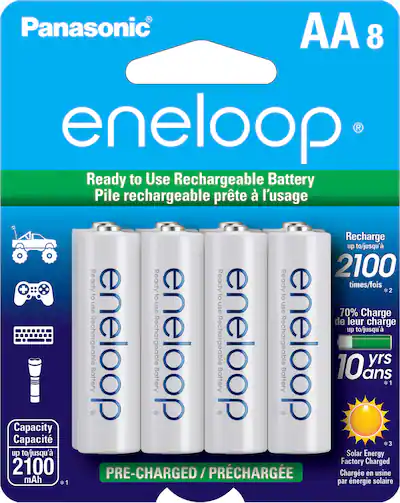
Panasonic Eneloop AA Rechargeable Batteries, 8 Pack (1900mAh LSD)
Gold standard for cameras: LSD holds 85% charge/year, 2100 cycles, steady voltage for consistent shots.
Best for: Daily photographers, DSLRs—perfect for storage without drain.
Price Range: $25-$30
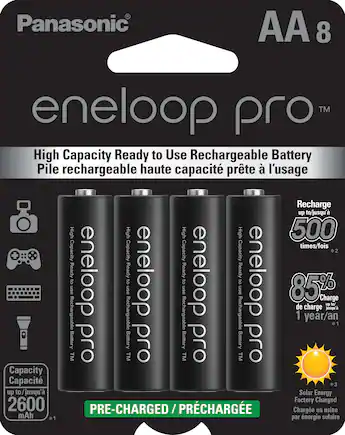
Panasonic Eneloop Pro AA Rechargeable Batteries, 8 Pack (2550mAh)
Higher capacity for pro cameras/video; still LSD, outperforms standards by 30% runtime.
Best for: High-drain mirrorless or flash-heavy shoots.
Price Range: $35-$40
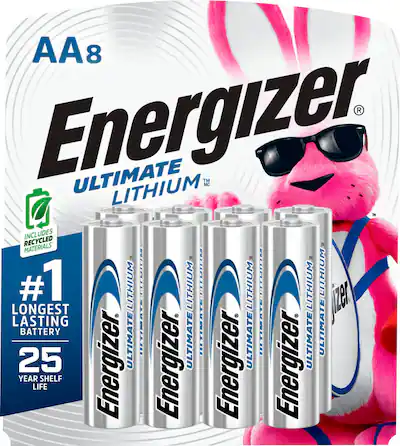
Energizer Ultimate Lithium AA Batteries, 8 Pack
Top non-rechargeable: 9x alkaline life, leak-proof, excels in cold/extreme drain without recharge hassle.
Best for: Outdoor/wedding pros needing reliability without charger.
Price Range: $18-$22
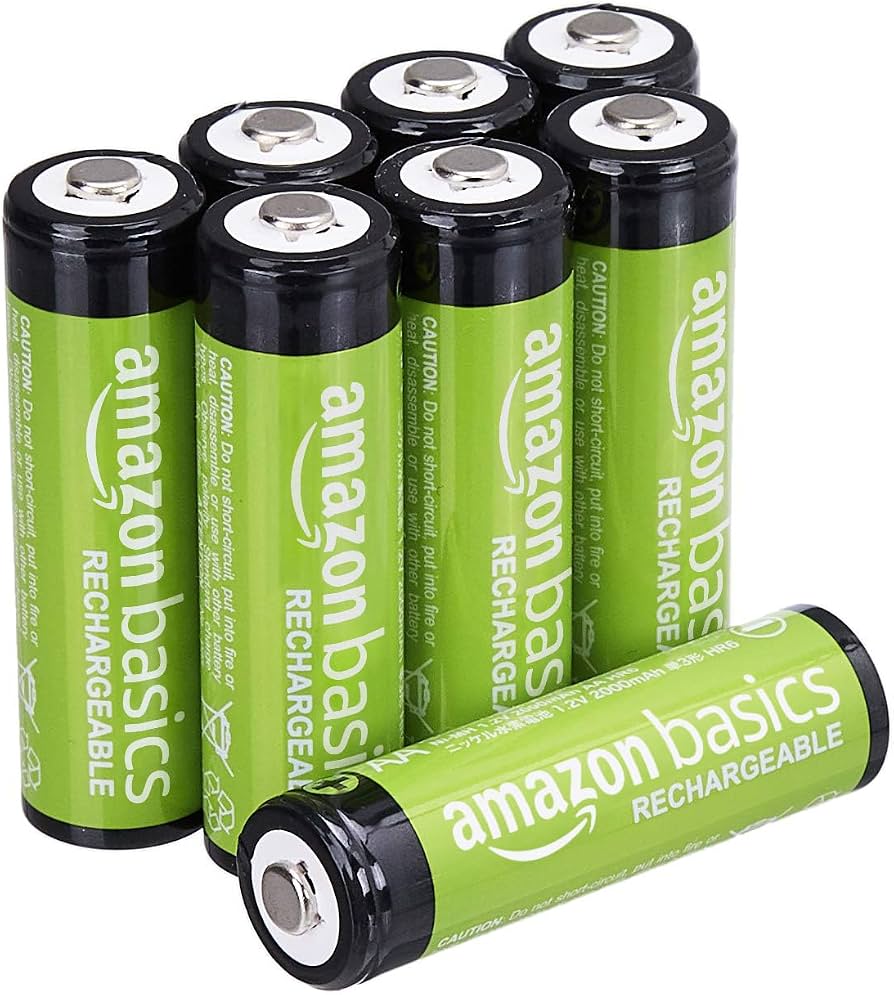
Amazon Basics AA Rechargeable Batteries, 8 Pack (2000mAh)
Budget LSD alternative: Solid capacity/cycles, great value for intermediates testing rechargeables.
Best for: Casual shooters upgrading from alkaline.
Price Range: $15-$20
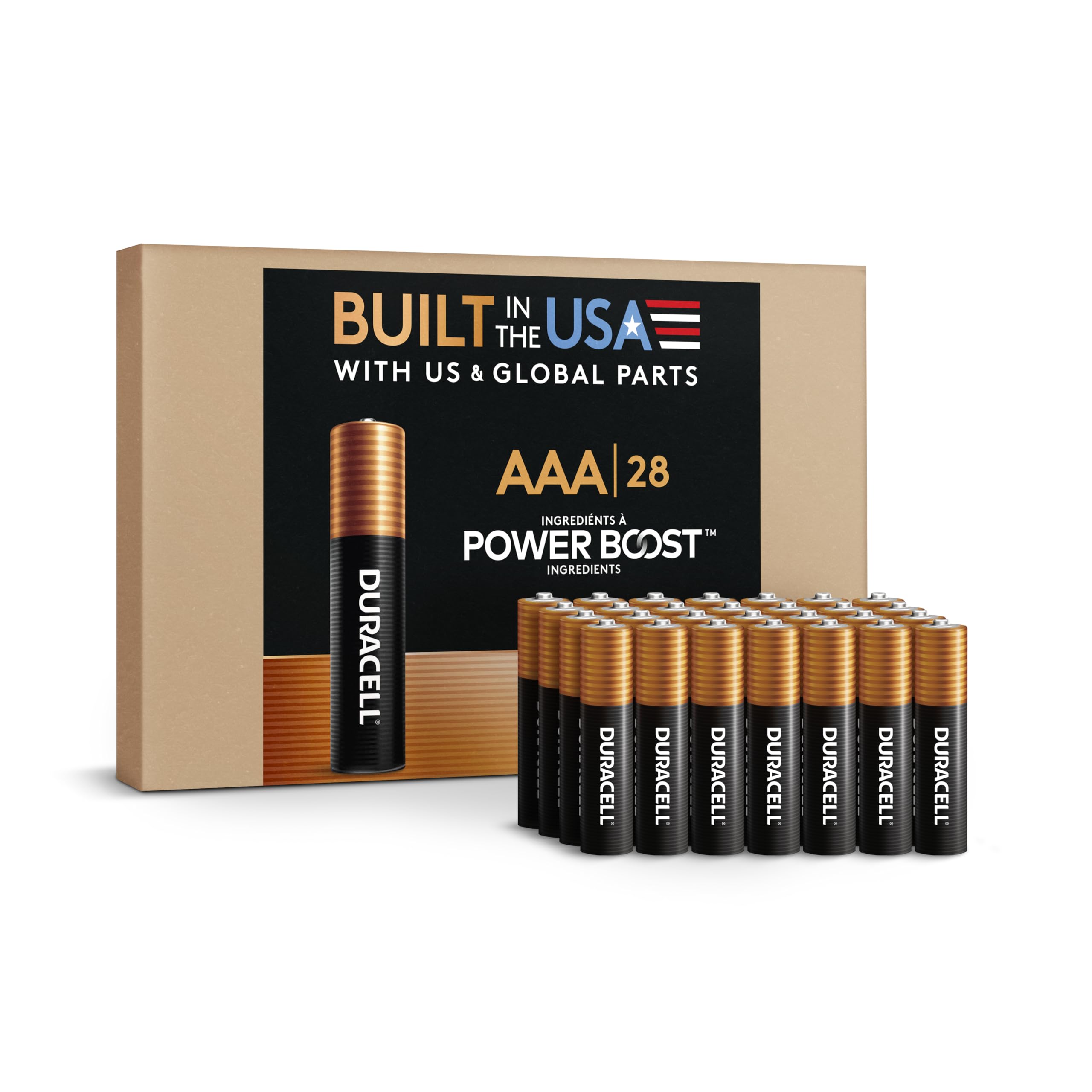
Duracell Optimum AA Alkaline Batteries, 12 Pack
Premium disposable with 4x power boost vs. standard alkaline—leak guard for occasional camera use.
Best for: Backup when rechargeables unavailable.
Price Range: $15-$18