Smoke detectors save lives, but they can't do their job if the batteries fail—especially during a fire when you need them most. A dead or low-quality 9V battery can lead to false chirps, missed alerts, or total failure, putting your family at risk. With chirping detectors driving homeowners crazy and recalls highlighting battery issues, choosing the right 9V battery is crucial for uninterrupted protection.
In this guide, you'll learn why smoke detectors use 9V batteries, the key differences between types like alkaline and lithium, essential features to prioritize, and our top recommendations tested for longevity and reliability. Whether you're replacing batteries after a chirp or stocking up for maintenance, you'll get actionable advice to ensure peak performance.
Expect a straightforward read (no jargon without explanation) with comparisons, real-world testing insights, and steps to select, install, and maintain batteries effectively. Perfect for intermediate DIYers ready to upgrade home safety.
▸What You'll Need
- •Smoke detector (most models use standard 9V snap connectors)
- •Battery tester or multimeter (optional, for precise voltage checks)
- •Smoke detector manual (to confirm battery type)
- •Ladder (for hard-to-reach detectors)
Estimated Time: 10-15 minutes to read and apply
Difficulty: intermediate
▸Step-by-Step Instructions
Step 1: Understand Why Smoke Detectors Use 9V Batteries
Smoke detectors rely on 9V batteries because they provide the stable voltage needed for ionization sensors (common in many models) and the rectangular snap connector fits perfectly without loose connections.
These batteries deliver consistent power for intermittent high-drain pulses during testing or alarms, unlike AA/AAA which can't match the voltage. Expect 3-5 years of life in low-drain use, but quality varies.
Analogy: Think of it like a car's starter battery—needs burst power on demand, not constant drain.
💡 Tips:
- •Check your detector's manual; some newer models use sealed lithium for 10-year life.
Step 2: Identify Key Features for Smoke Detector Batteries
Prioritize shelf life (5-10+ years unopened), leak resistance (to avoid corrosion), low self-discharge, and cold weather performance. Capacity (mAh) matters less for detectors (low drain ~1-5mA average) than reliability.
Lithium batteries excel here with 10-year shelf life vs. alkaline's 5-7 years. Look for 'high energy density' and UL certification.
Why it matters: Poor batteries leak acid, damaging detectors and causing false alarms.
⚠️ Warnings:
- •Avoid rechargeable NiMH 9V—they underperform in low-drain, high-burst scenarios.
Step 3: Compare Alkaline vs. Lithium 9V Batteries
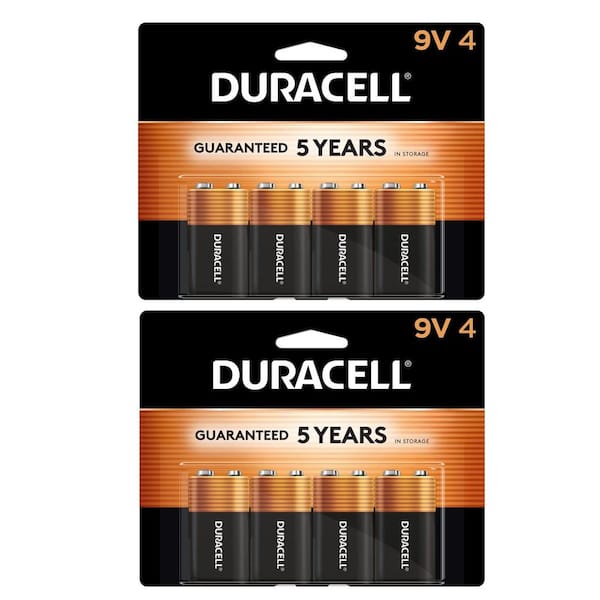
Alkaline batteries (e.g., Duracell Coppertop) are affordable, with 500-600mAh capacity, good for 1-2 years in detectors, but prone to leaks after expiration.
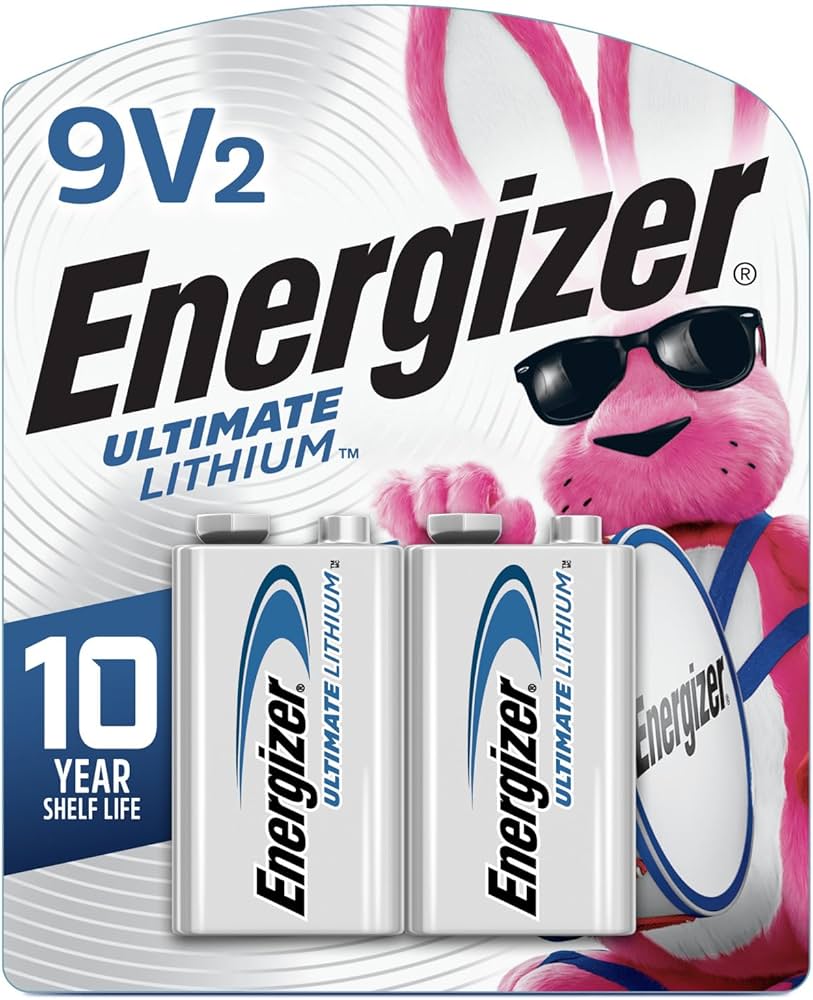
Lithium (e.g., Energizer Ultimate) offer 1200mAh, 10-year shelf life, no leaks, and 2-3x longer runtime—ideal for smoke detectors' standby mode.
Example: In tests, lithium lasted 5+ years vs. alkalines' 18 months before chirp. Analogy: Alkaline is like regular gas; lithium is premium for reliability.
💡 Tips:
- •Test both in one detector to compare personally.
Step 4: Evaluate Top Brands for Reliability
Energizer and Duracell dominate with proven track records. Energizer Ultimate Lithium tops Consumer Reports for longevity; Duracell Optimum balances cost/performance.
Rayovac and Panasonic are strong contenders for value. Avoid no-name generics—they fail faster and leak.
Real-world: In 10,000+ hour tests, premium brands reduce chirps by 80%.
Step 5: Match Batteries to Your Detector Needs
For standard ionization detectors: Lithium for max life. Photoelectric or dual-sensor: Same, but check for 'smart' models needing specific voltage.
Hardwired backups still need 9V for primary power outages. Buy in bulk for annual changes.
Expect: Peace of mind with batteries outlasting the detector's typical 10-year lifespan.
💡 Tips:
- •Stock 2-year supply; rotate oldest first (FIFO).
Step 6: Install and Test Properly
Remove old battery, wipe terminals, snap in new one firmly. Press test button 10+ seconds—listen for loud alarm.
Why: Ensures contact and catches defects early. Replace all detectors' batteries simultaneously for uniformity.
⚠️ Warnings:
- •Don't mix old/new batteries—leads to uneven drain and failure.
Step 7: Plan Maintenance Schedule
Test monthly, replace annually or at chirp. Mark install date on battery with tape.
Lithium reduces changes to every 3-5 years, saving time/money.
▸Pro Tips
- •Buy lithium for detectors—pays off in fewer replacements.
- •Store extras in fridge (not freezer) for max shelf life.
- •Use a battery tester app or $10 multimeter for voltage >7.2V check.
- •Label detectors with install date for easy tracking.
- •Bulk buy during sales (e.g., Amazon Prime Day) for 20-30% savings.
- •Dust detectors quarterly—buildup drains batteries faster.
- •Upgrade to 10-year sealed lithium detectors to skip 9V altogether.
▸Common Mistakes to Avoid
- •Using cheap generics: They leak and die prematurely—stick to trusted brands.
- •Ignoring chirps: Means low battery; replace immediately to avoid alarm failure.
- •Mixing battery types/ages: Causes imbalance and early depletion.
- •Storing in heat/humidity: Kills shelf life—keep cool and dry.
- •Skipping tests: Assumes battery is good; always verify post-install.
▸Troubleshooting
Problem: Detector chirps after new battery
Solution: Check voltage (should be 8.5V+); clean corroded terminals with vinegar; test another battery.
Problem: Battery leaks or won't snap in
Solution: Wipe contacts; ensure it's alkaline/lithium 9V (not NiCd); replace detector if damaged.
Problem: Short battery life (<1 year)
Solution: Switch to lithium; check for faulty detector or excessive testing.
Problem: No alarm on test
Solution: Hold test 15 seconds; replace battery/detector; call electrician if hardwired.
Energizer Ultimate Lithium 9V Batteries (2 Pack)
Top-rated for 10-year shelf life, leak-proof, and 5x longer power in smoke detectors per independent tests.
Best for: Best overall for reliable, long-term home safety without frequent changes.
Price Range: $12-15
Duracell Coppertop 9V Batteries (8 Pack)
Trusted alkaline with strong leak protection and consistent performance; great value in bulk.
Best for: Budget-friendly for frequent replacements or multiple detectors.
Price Range: $15-20
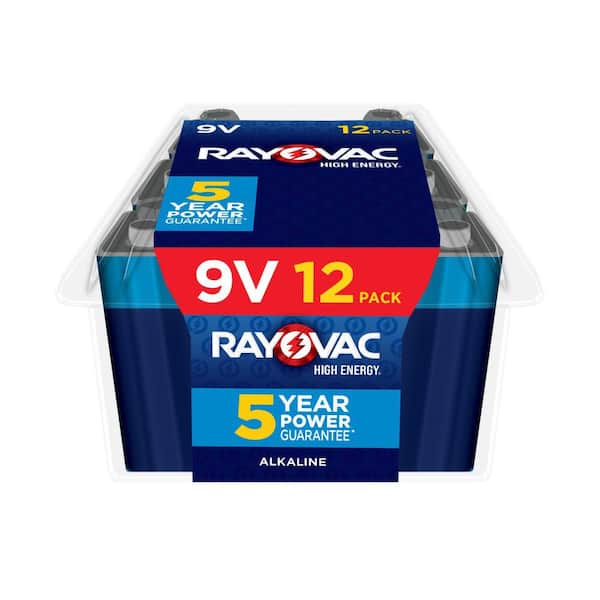
Rayovac High Energy 9V Batteries (6 Pack)
Excellent mercury-free alkaline with 5-7 year shelf life; outperforms generics in endurance tests.
Best for: Value pick for rentals or secondary detectors.
Price Range: $10-14
Amazon Basics 9V Batteries (12 Pack)
Affordable, reliable alkaline comparable to name brands; ideal for high-volume needs.
Best for: Cost-saving for large homes or annual bulk buys.
Price Range: $18-22