
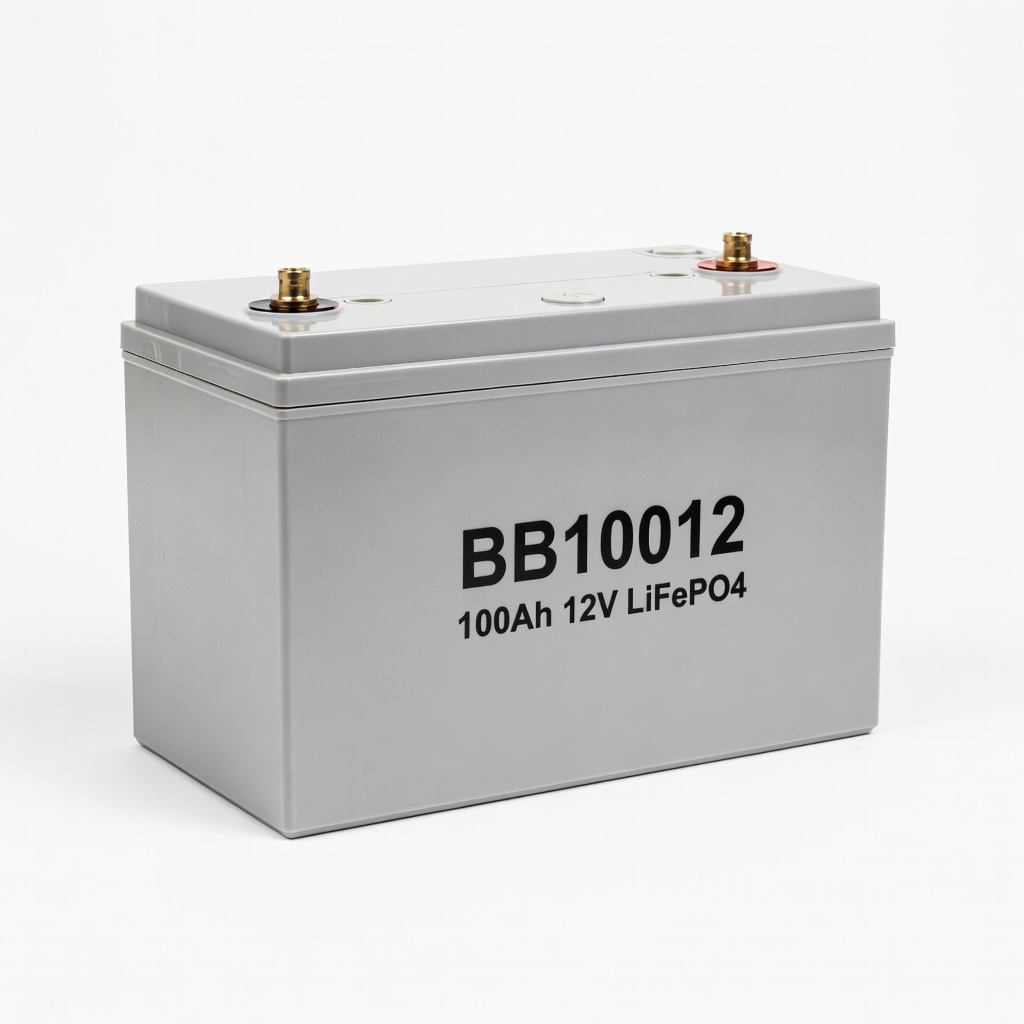
Battle Born BB10012 100Ah 12V LiFePO4
Premium setups needing reliability in extreme temps.
$899-$950
Battle Born BB10012 100Ah 12V LiFePO4 Gold standard: 3,000+ cycles, lightweight (31lbs), robust BMS, 10yr warranty—ideal for serious RVers.
Get the App
Better experience on mobile
Learn top 12V battery types, key factors, and recommendations to power your RV off-grid reliably without breaking the bank.
Nothing kills an RV adventure like dead batteries when you're boondocking far from shore power. RV solar setups rely on 12V batteries to store energy from panels, powering lights, fridges, and fans during cloudy days or nights. Choosing the wrong battery leads to short lifespans, heavy weight, or insufficient capacity.
In this guide, you'll learn battery types (AGM vs. lithium), essential specs like capacity and cycle life, how to match them to your power needs, and our top picks for 2024. By the end, you'll confidently select and set up a battery bank that lasts 5-10+ years. Expect 20-30 minutes to read and calculate your needs—no advanced electrical knowledge required, just intermediate DIY skills.
We'll break it down step-by-step, from basics to pro tips, so you avoid common pitfalls like undersizing or mixing battery chemistries.
Estimated Time: 20-30 minutes to read and plan your setup Difficulty: intermediate
Start by auditing your RV's daily energy consumption. List all 12V devices (fridge: 50W x 12hrs = 600Wh; lights: 10W x 4hrs = 40Wh). Sum watt-hours (Wh), then divide by 12V to get amp-hours (Ah) needed. Multiply by 2-3 days autonomy for cloudy weather.
Example: 1500Wh/day ÷ 12V = 125Ah/day x 3 days = 375Ah bank minimum. This ensures you size correctly—oversizing wastes money, undersizing strands you.
Why it matters: Solar input varies; batteries bridge the gap.
💡 Tips:
⚠️ Warnings:
12V batteries come in lead-acid (flooded, AGM, Gel) and lithium (LiFePO4). Flooded are cheap but need watering and vent gases—poor for RVs. AGM/Gel are sealed, vibration-resistant, but heavy with 50% depth-of-discharge (DoD) limit.
Lithium LiFePO4 shines: 100% DoD, 3000-5000+ cycles, lightweight (half AGM weight), fast charging, and built-in BMS for safety. Analogy: AGM is like a gas tank (half usable), lithium like an electric car battery (full range every time).
For solar, prioritize lithium for longevity; AGM if budget-tight.
💡 Tips:
Focus on: Capacity (Ah): 100-200Ah per battery. Cycle Life: 500 (AGM) vs 4000+ (lithium). DoD: 50% AGM, 100% lithium. Weight: 60lbs AGM vs 25lbs lithium. BMS (lithium only): Protects from overcharge/discharge.
Reserve capacity (RC) and cold cranking amps (CCA) matter less for solar (pure deep-cycle use). Check temp ratings and warranty (5-10yrs lithium).
Pro tip: Match voltage—strictly 12V nominal.
⚠️ Warnings:
AGM pros: Affordable ($2/Ah), no BMS needed. Cons: Heavy, half usable capacity, 3-5yr life.
Lithium pros: Light, full capacity, 10yr+ life, solar-optimized charge profiles. Cons: Upfront cost ($7-10/Ah).
Real-world: Lithium pays off in 2yrs via fewer replacements and 50% less weight for towing. Hybrid? Start AGM, upgrade later.
💡 Tips:
Based on 2024 reviews (Amazon, RV forums): Lithium dominates for solar. See products section for specifics. Budget: AGM like Weize. Mid: Renogy LiFePO4. Premium: Battle Born.
Test via user ratings (4.5+ stars, 1000+ reviews). Match to needs: 100Ah for solo, 200Ah+ for families.
Mount in ventilated box (lithium safer). Use 4/0 AWG cables for <10ft runs. Fuse near battery (+). Connect to solar controller's battery terminals.
Series for 24V if panels match; parallel for 12V capacity. Torque lugs to spec (lithium ~8Nm).
Expect: Stable voltage, quick charge from solar.
⚠️ Warnings:
Lithium: Minimal—BMS handles it; check voltage monthly. AGM: Equalize charge quarterly, keep clean.
Monitor with shunt (Victron BMV). Full charge weekly via solar/generator.
Lifespan boost: Avoid deep discharges below 20%.
💡 Tips:
Problem: Battery won't charge from solar
Solution: Check controller settings (lithium curve), fuses, clean connections. Test voltage >12.6V.
Problem: Short runtime despite full charge
Solution: Verify DoD usage via monitor; sulfation in AGM—equalize. Lithium: Check BMS cutoff.
Problem: Batteries overheating
Solution: Ventilate area, reduce charge amps. Lithium BMS should protect; if not, disconnect.
Problem: Uneven bank performance
Solution: Balance cells (lithium auto); top-balance manually or replace weak one. Seek pro for wiring.
Gold standard: 3,000+ cycles, lightweight (31lbs), robust BMS, 10yr warranty—ideal for serious RVers.
Best for: Premium setups needing reliability in extreme temps.
Price Range: $899-$950
Best value lithium: 4,000 cycles, self-heating option, affordable with solid reviews.
Best for: Budget-conscious solar upgrades for weekend warriors.
Price Range: $300-$350
Cheapest quality lithium: 4,000+ cycles, low-temp protection, great entry to lithium.
Best for: First-time lithium users testing solar without high cost.
Price Range: $220-$260
Reliable budget AGM: Spill-proof, 700 cycles at 50% DoD—step up from flooded.
Best for: Tight budgets or hybrid starter/solar needs.
Price Range: $160-$200
High-capacity AGM: Durable for vibration, good RC for inverters.
Best for: Larger banks on a budget before lithium upgrade.
Price Range: $240-$280
Premium setups needing reliability in extreme temps.
Battle Born BB10012 100Ah 12V LiFePO4 Gold standard: 3,000+ cycles, lightweight (31lbs), robust BMS, 10yr warranty—ideal for serious RVers.
Budget-conscious solar upgrades for weekend warriors.
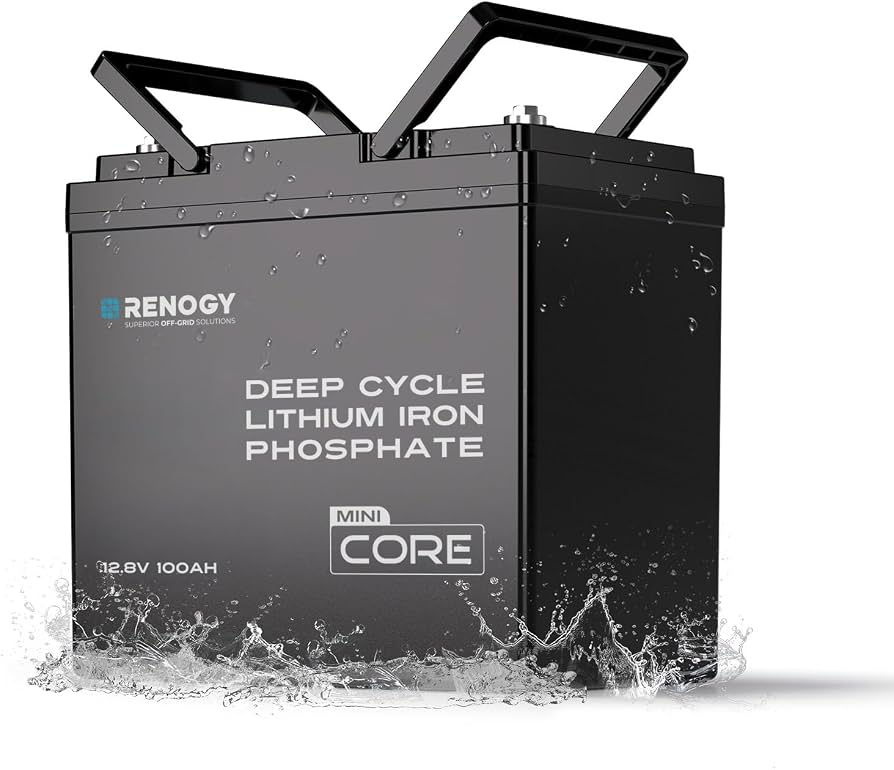
Renogy 12V 100Ah LiFePO4 Deep Cycle Battery Best value lithium: 4,000 cycles, self-heating option, affordable with solid reviews.
First-time lithium users testing solar without high cost.
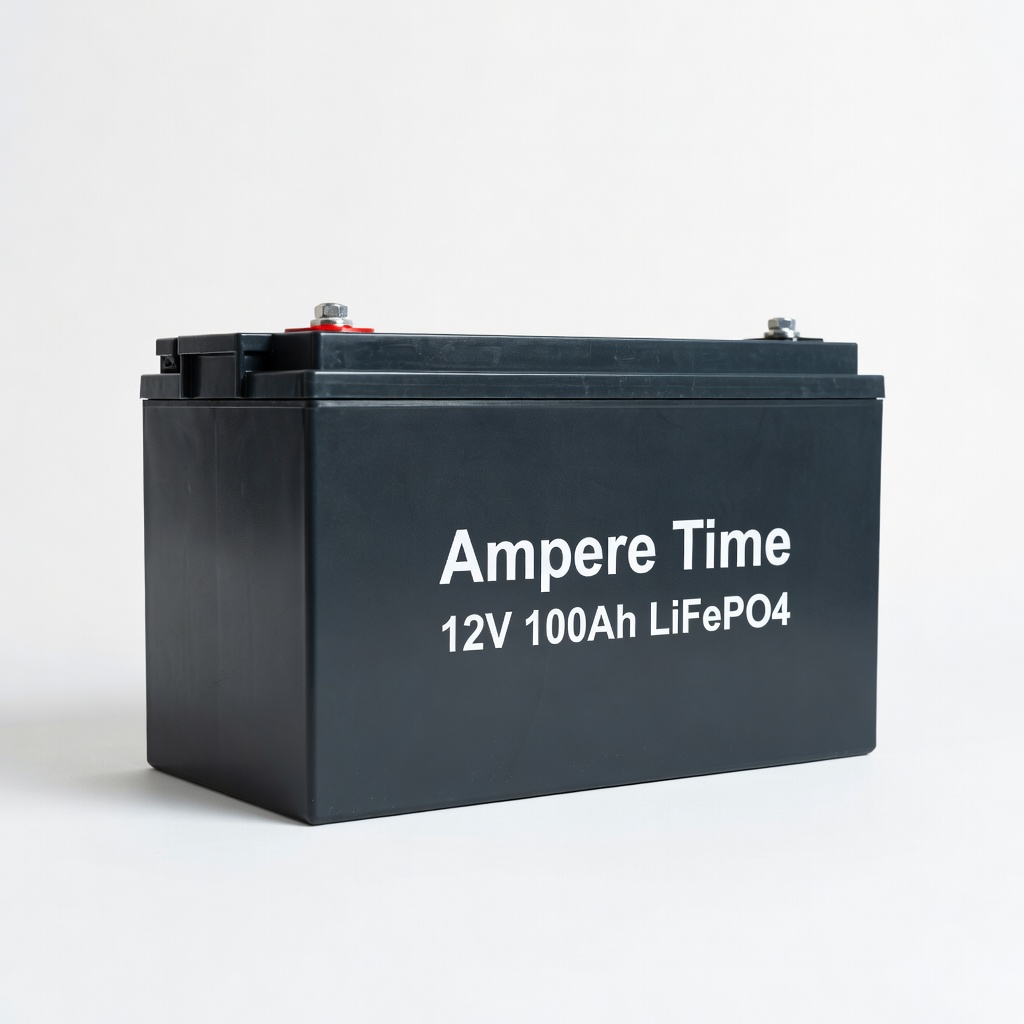
Ampere Time 12V 100Ah LiFePO4 Cheapest quality lithium: 4,000+ cycles, low-temp protection, great entry to lithium.
Tight budgets or hybrid starter/solar needs.
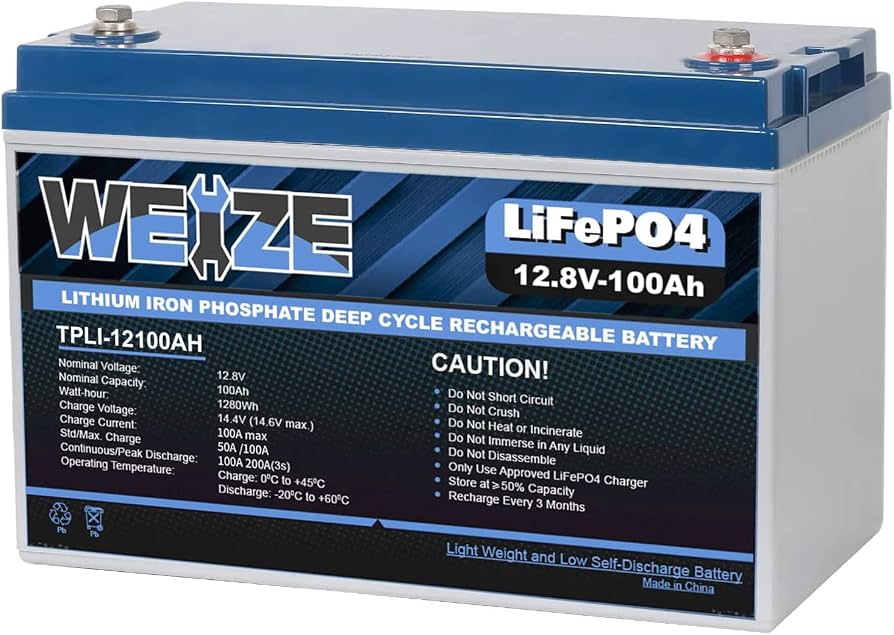
WEIZE 12V 100Ah AGM Deep Cycle Battery Reliable budget AGM: Spill-proof, 700 cycles at 50% DoD—step up from flooded.
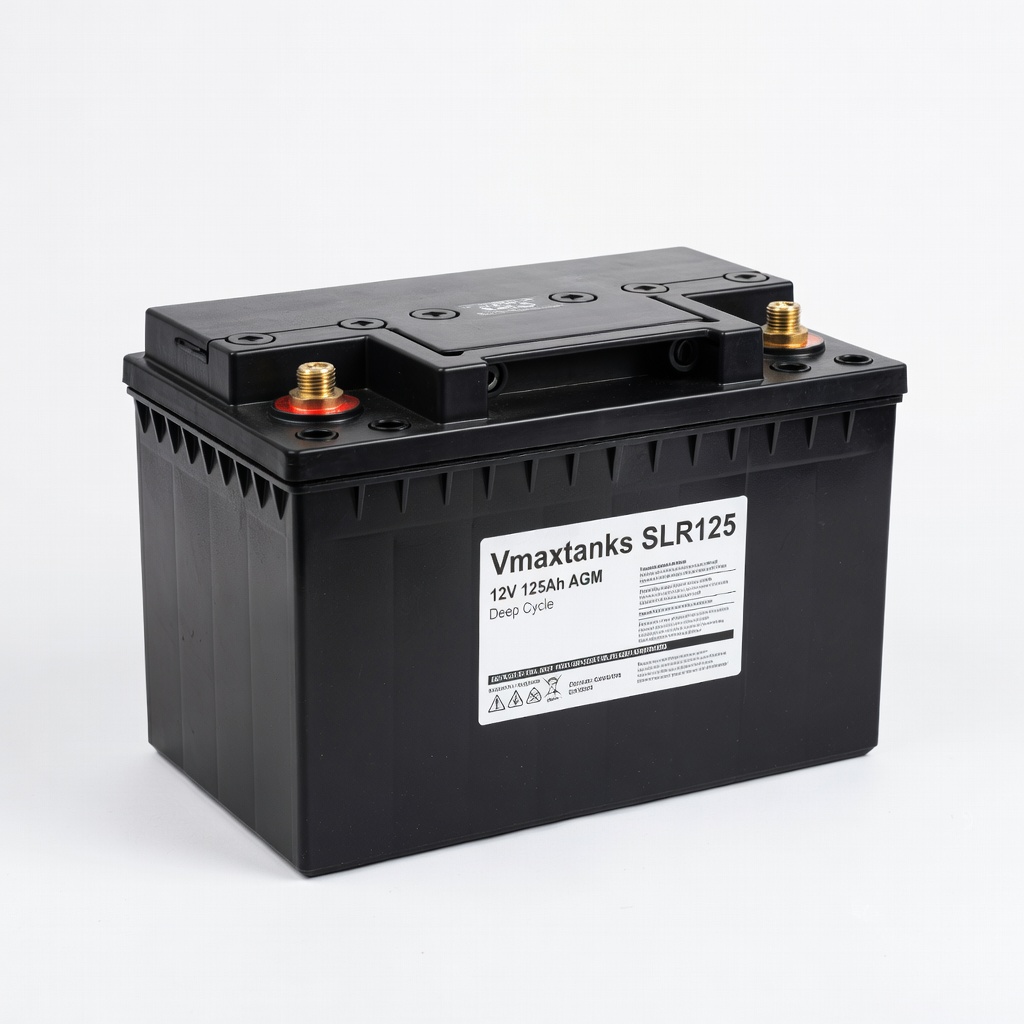
Larger banks on a budget before lithium upgrade.
Vmaxtanks SLR125 12V 125Ah AGM High-capacity AGM: Durable for vibration, good RC for inverters.